Understanding L Shaped Plastic Beading for Enhanced Finishes
When it comes to achieving clean, professional finishes in a variety of applications – from furniture construction and cabinet making to edge protection in panels and displays – l shaped plastic beading plays a crucial role. This versatile component offers both functional benefits and aesthetic enhancements. This article will delve into the uses, materials, benefits, and selection criteria of L shaped plastic beading, providing a comprehensive guide for professionals and DIY enthusiasts. Choosing the right beading can significantly impact the quality and longevity of your projects. Cornerbeadmfr.com is dedicated to providing high-quality plastic beading solutions for all your needs.
What is L Shaped Plastic Beading?
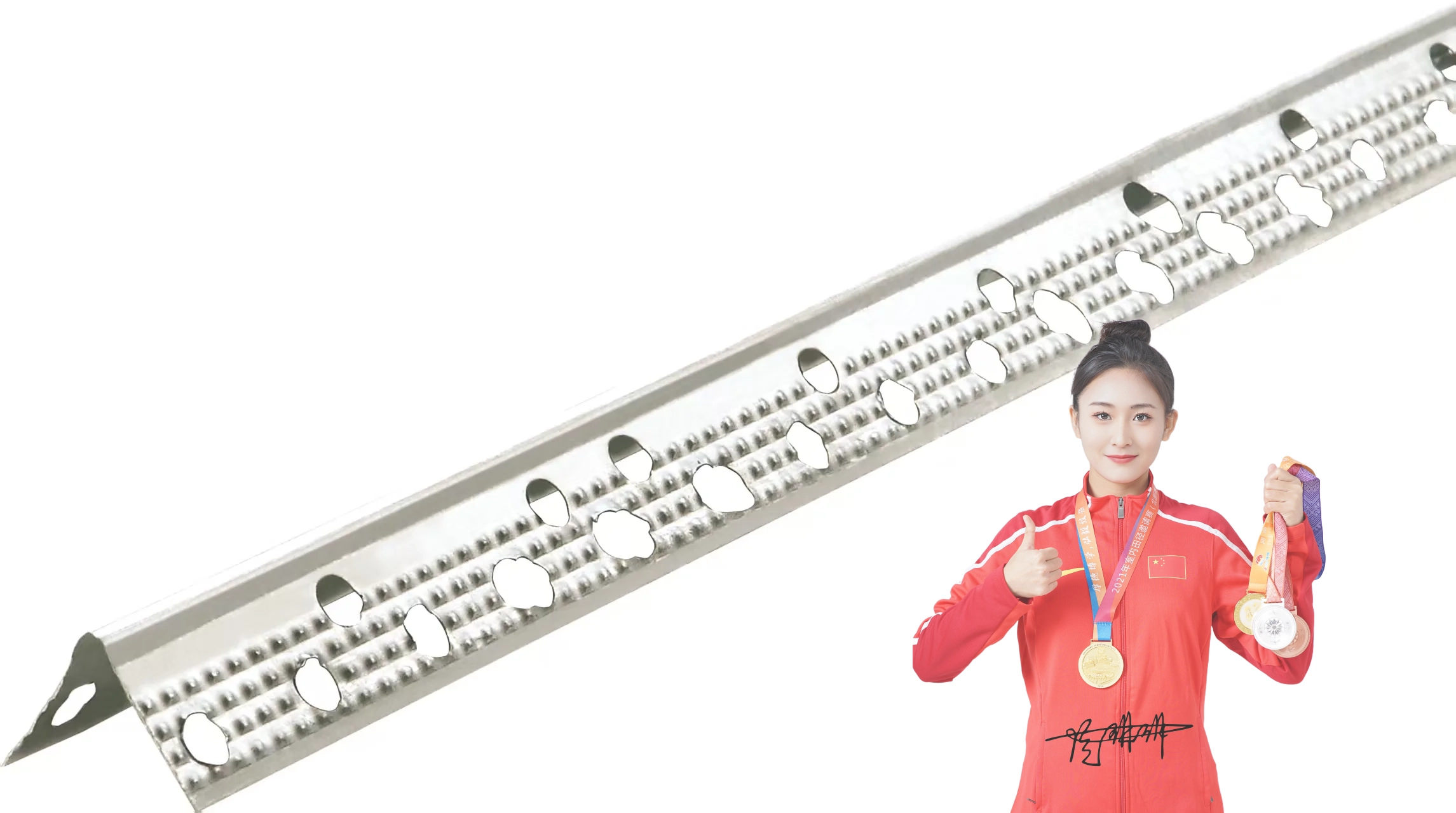
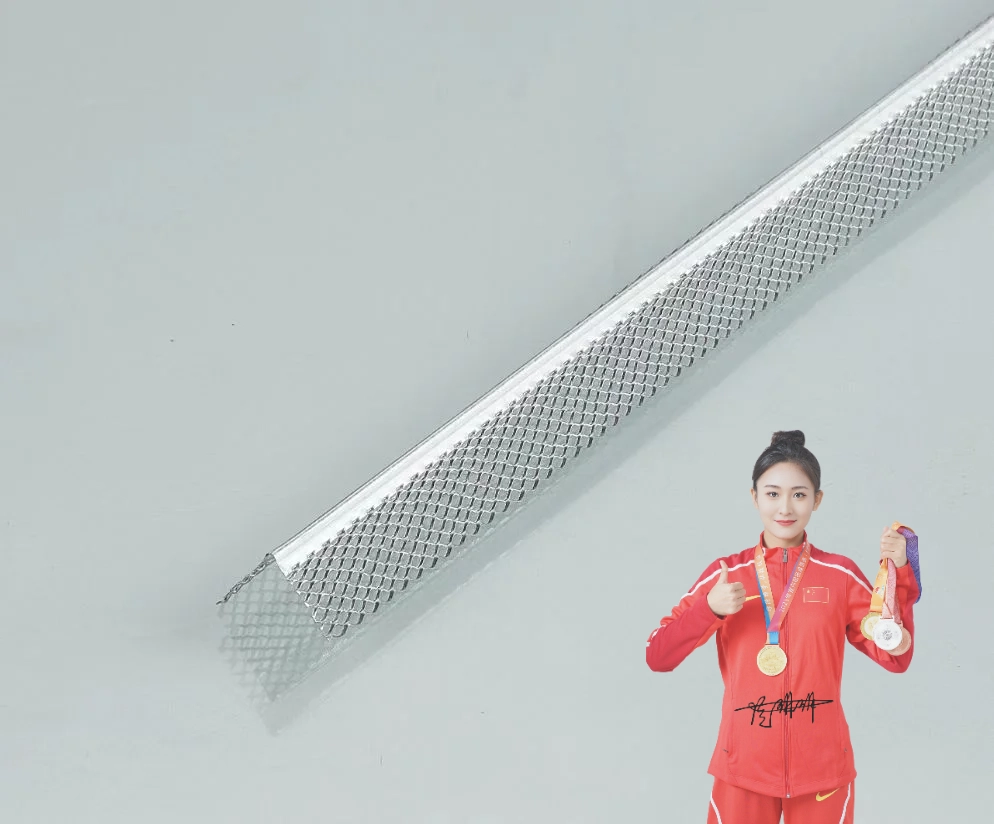
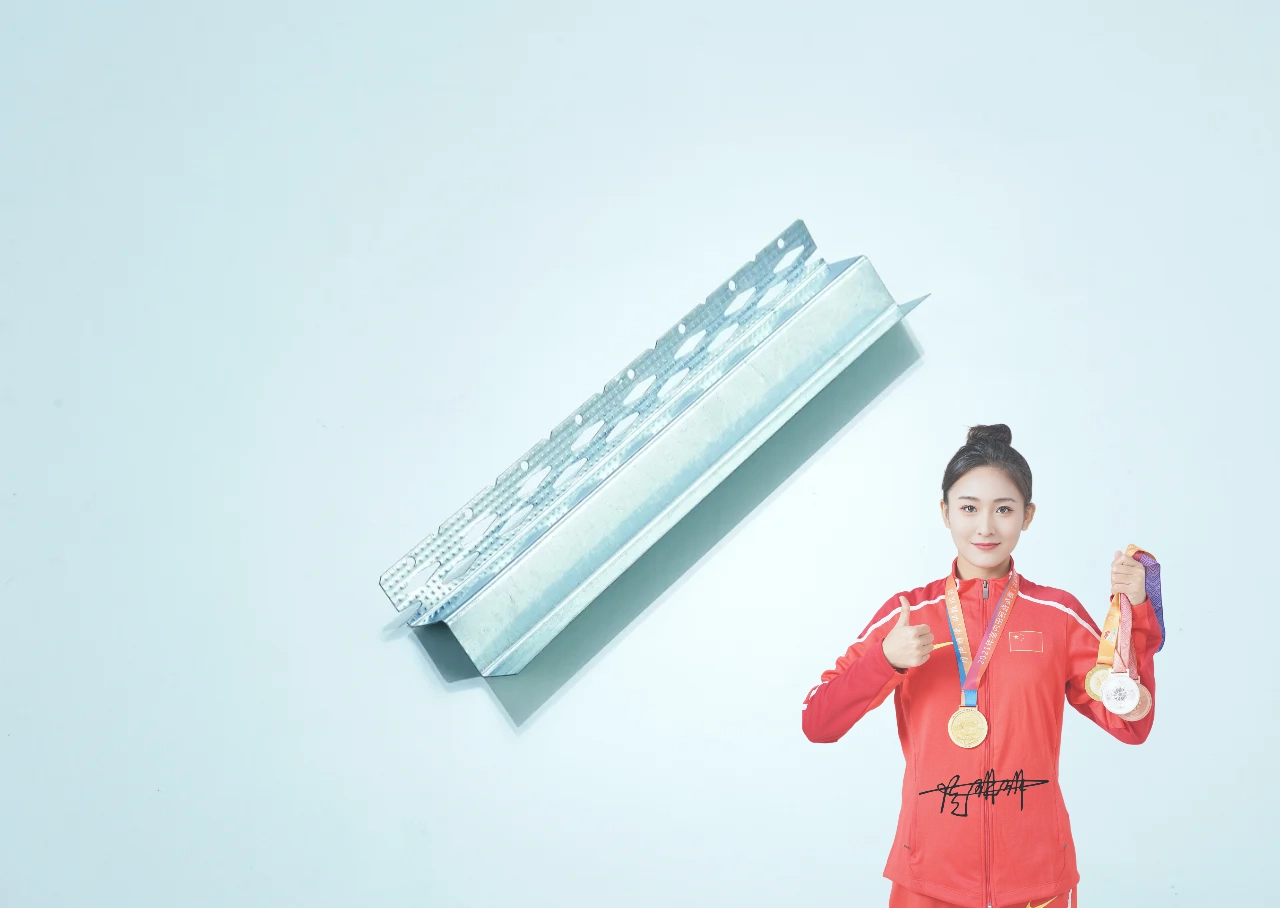
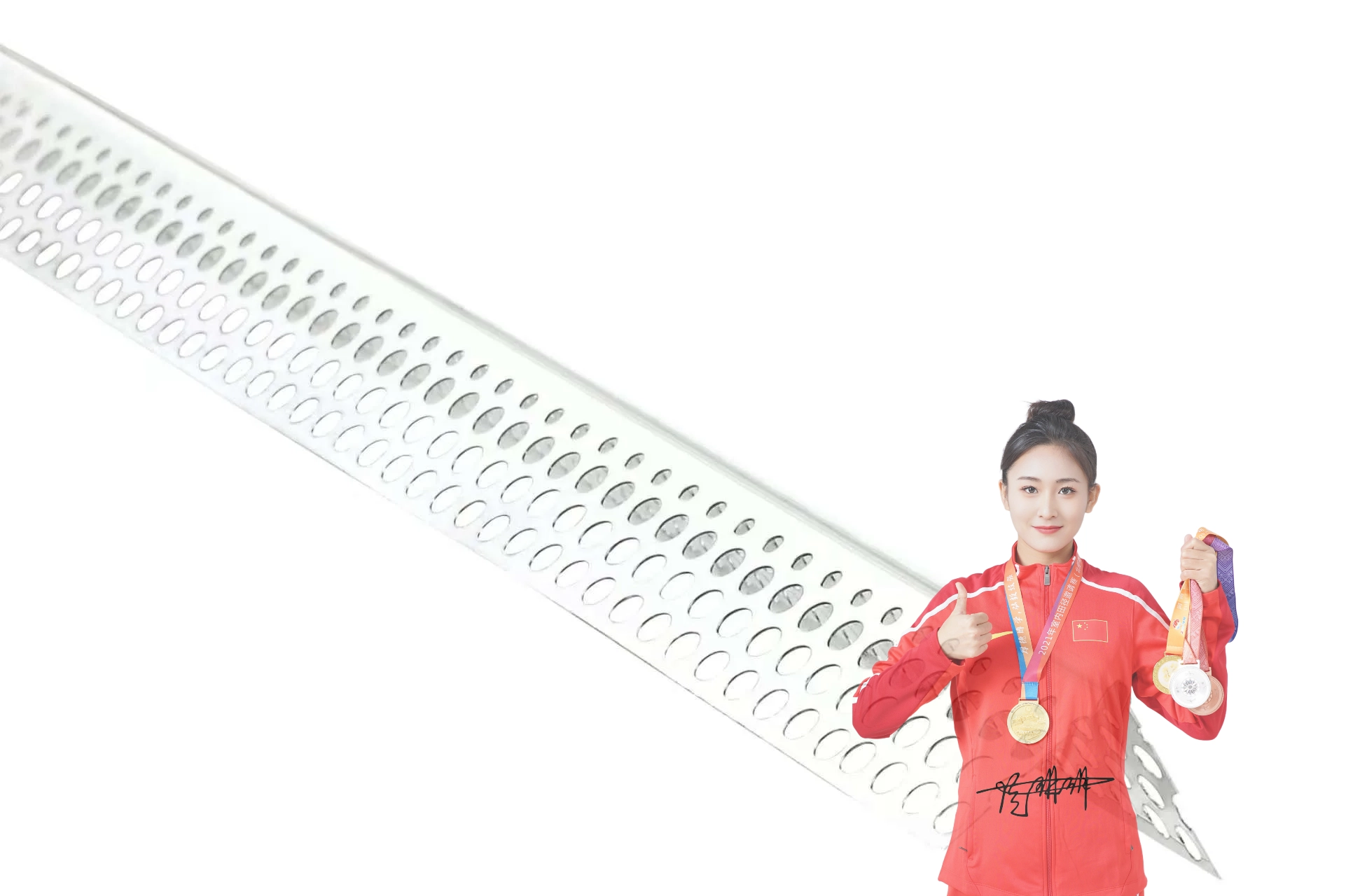
L shaped plastic beading, also known as edge trim or edge banding, is a profile extruded from various plastic materials. Its distinctive “L” shape allows it to be easily applied to the edges of boards, panels, or substrates to cover raw edges, provide protection from impact and wear, and create a finished look. It's designed for a secure fit, often utilizing pressure fitting, adhesive bonding, or a combination of both. Our beading comes in a range of sizes, colors, and materials to suit diverse applications.
Key Highlights: Provides edge protection, conceals raw edges, and offers an aesthetically pleasing finish. Easy to install using various methods.
Common Materials Used in L Shaped Plastic Beading
Several plastic materials are used in the manufacture of L shaped beading, each offering different properties. The most common include PVC (Polyvinyl Chloride), Polypropylene (PP), and Polyethylene (PE). PVC is known for its durability and cost-effectiveness, making it suitable for a wide range of applications. PP offers good chemical resistance and is often used in environments where exposure to cleaning agents is frequent. PE is flexible and provides impact resistance. Understanding the properties of each material is vital for choosing the right beading for your project.
Material Comparison:
• PVC: Durable, cost-effective, widely available.
• Polypropylene (PP): Chemical resistant, good for cleaning environments.
• Polyethylene (PE): Flexible, impact resistant.
Applications of L Shaped Plastic Beading
The applications for l shaped plastic beading are incredibly diverse. It is frequently used in furniture manufacturing to cover chipboard edges, creating a finished look and preventing damage. In the construction industry, it’s utilized for edge protection of panels, drywall, and plasterboard. It's also a common component in point-of-sale displays, signage, and shelving, providing both structural support and aesthetic appeal. Furthermore, it’s increasingly used in marine applications due to its resistance to moisture and corrosion.
| Application |
Material Preference |
Key Benefits |
| Furniture Edging |
PVC, PP |
Finished look, edge protection, durability |
| Construction Panels |
PVC |
Impact resistance, protection during handling |
| Point-of-Sale Displays |
PP, PVC |
Aesthetic appeal, structural support |
| Marine Applications |
PE, PVC |
Moisture & corrosion resistance |
Choosing the Right L Shaped Plastic Beading: Key Considerations
Selecting the appropriate l shaped plastic beading involves considering several factors. The substrate material is crucial – ensure compatibility for optimal adhesion. The environment in which the beading will be used is also important; consider temperature fluctuations, UV exposure, and potential chemical contact. Finally, the desired aesthetic finish – color, texture, and profile – should be carefully considered to meet your project's requirements. Cornerbeadmfr.com offers expert advice to help you select the ideal product.
Benefits of Using L Shaped Plastic Beading
Using L shaped plastic beading offers numerous advantages. It provides a professional and polished finish, enhances the durability of edges, and protects against impact and wear. It simplifies the manufacturing process by eliminating the need for complex edge finishing techniques. Moreover, it’s a cost-effective solution compared to alternative edge treatments. Choosing quality beading from a reputable supplier like Cornerbeadmfr.com ensures long-lasting results.
Conclusion: Enhance Your Projects with Quality L Shaped Plastic Beading
Investing in high-quality l shaped plastic beading from Cornerbeadmfr.com is a smart move for achieving superior finishes, enhancing durability, and simplifying your projects. With a wide range of materials and profiles available, you can find the perfect solution to meet your specific needs. Don’t compromise on quality – choose the right beading for lasting results.
Frequently Asked Questions (FAQs)
How do I determine the correct size of L shaped plastic beading for my project?
Accurately measuring the thickness of the board or panel you’re edging is the first step. The ‘leg’ of the L shaped beading should match this thickness for a flush and secure fit. It's always a good idea to order a sample to test the fit before committing to a large order. Consider the desired overhang or recess – do you want the beading to be flush with the surface, or slightly overlapping or recessed? Our team at Cornerbeadmfr.com can provide guidance based on your project specifics.
What adhesives are recommended for applying L shaped plastic beading?
The best adhesive depends on the material of both the beading and the substrate. For PVC beading on wood, a contact adhesive or a polyurethane-based adhesive is often recommended. For PP or PE beading, a cyanoacrylate (super glue) or a specialized plastic adhesive may be necessary. Always test the adhesive on a small, inconspicuous area first to ensure compatibility and adhesion. Proper surface preparation is crucial – ensure both surfaces are clean, dry, and free of dust or grease.
Can L shaped plastic beading be painted?
Yes, most L shaped plastic beading can be painted, but preparation is key. First, clean the surface thoroughly with a degreasing agent. Then, apply a plastic primer specifically designed for the type of plastic used in the beading. This will ensure proper adhesion of the paint. Use a high-quality acrylic or enamel paint and apply several thin coats rather than one thick coat. Cornerbeadmfr.com can provide advice on paint compatibility based on the beading material.
What are the benefits of using L shaped beading over other edge finishing methods?
L shaped beading offers several advantages over alternatives like solid wood edging or veneer. It’s more cost-effective, easier to install, and more durable. It’s less susceptible to warping or cracking compared to wood, and it provides better impact resistance. It also offers a wider range of color and finish options. For projects requiring a balance of cost, durability, and aesthetics, L shaped plastic beading is an excellent choice.