Understanding Paper Corners for Drywall: A Comprehensive Guide
When finishing drywall, achieving crisp, clean corners is crucial for a professional look. Paper corner bead is a popular choice for protecting and finishing these vulnerable areas. This article delves into the benefits, types, installation, and best practices for using paper corner bead, helping you achieve flawless drywall corners. Properly installed paper corners for drywall will enhance both the aesthetic appeal and durability of your project.
What are Paper Corner Beads and Why Use Them?
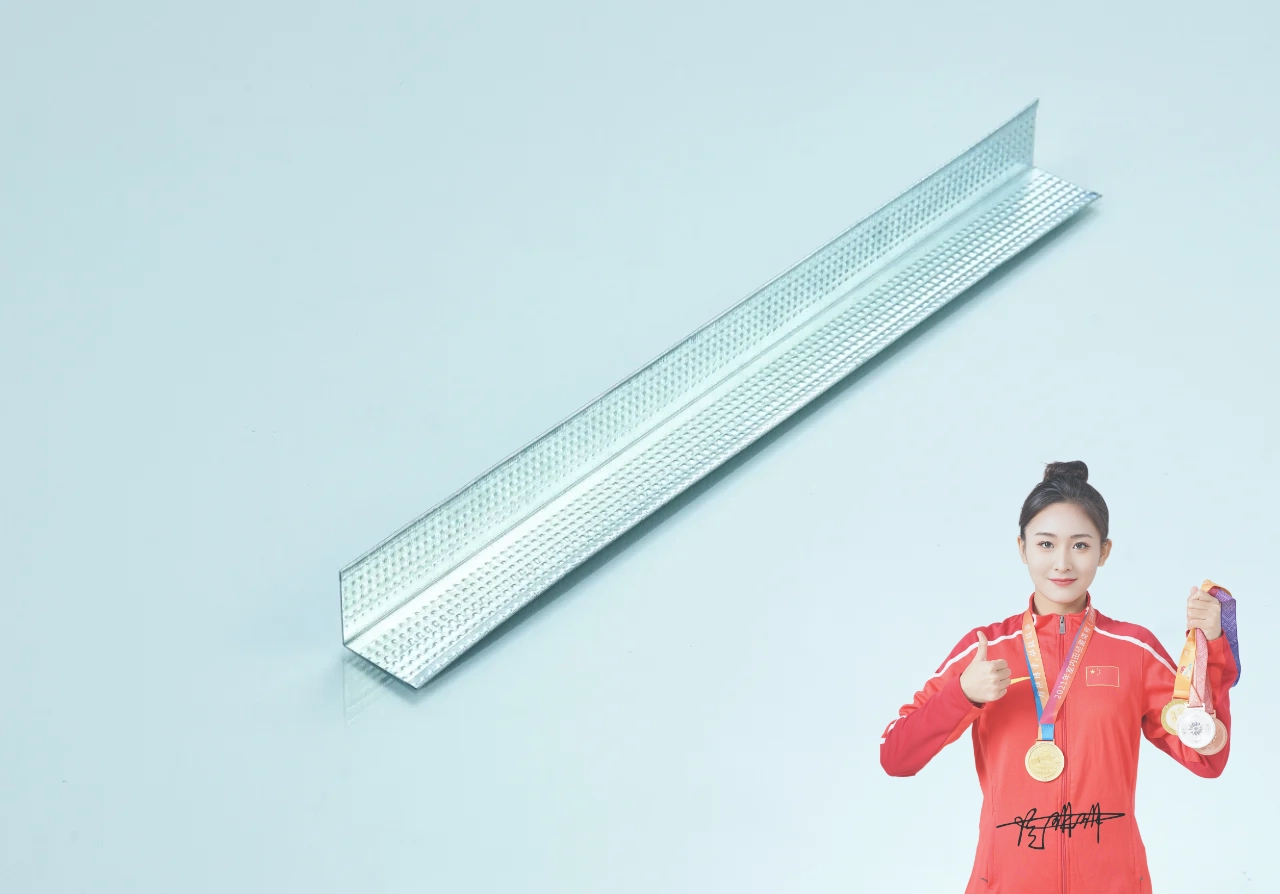
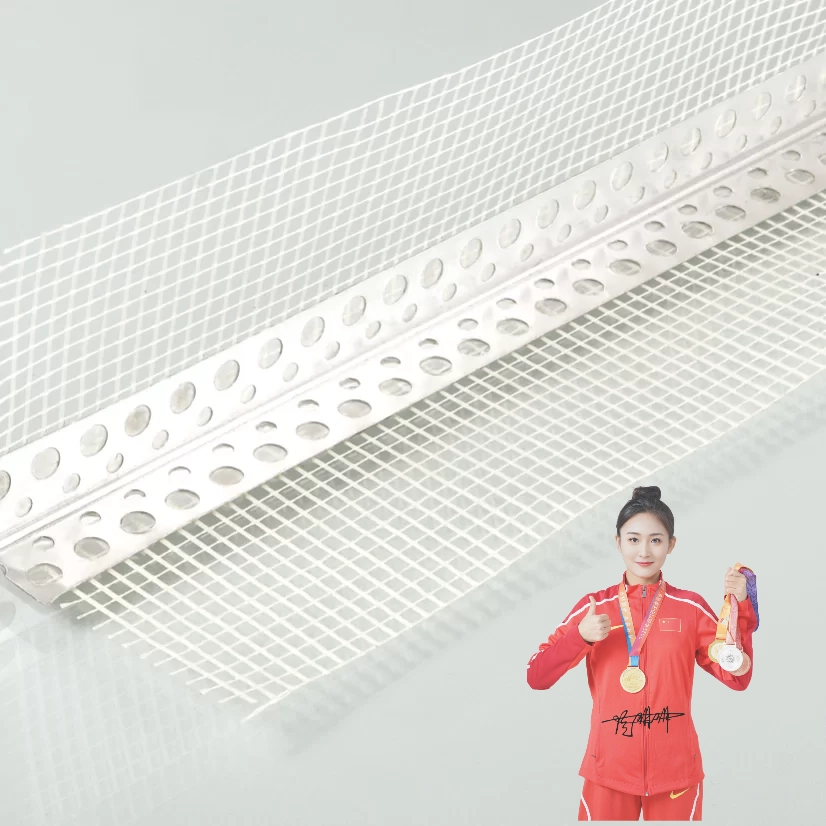
Paper corner beads are formed by laminating layers of paper, typically with a core of paper or metal. They are designed to be embedded in drywall compound, protecting the sharp edges of corners from damage during construction and everyday use. Choosing paper corner bead offers several advantages, including ease of cutting, flexibility, and a smooth finish that’s easy to blend with the surrounding drywall. They are a cost-effective solution for both residential and commercial projects, providing a durable and professional-looking result. They minimize cracking and chipping which is common with poorly protected corners.
Key Benefits: Easy to cut and install, cost-effective, provides a smooth and durable finish, minimizes corner damage.
Types of Paper Corner Bead for Drywall
Several types of paper corner bead are available, each suited for different applications. These include:
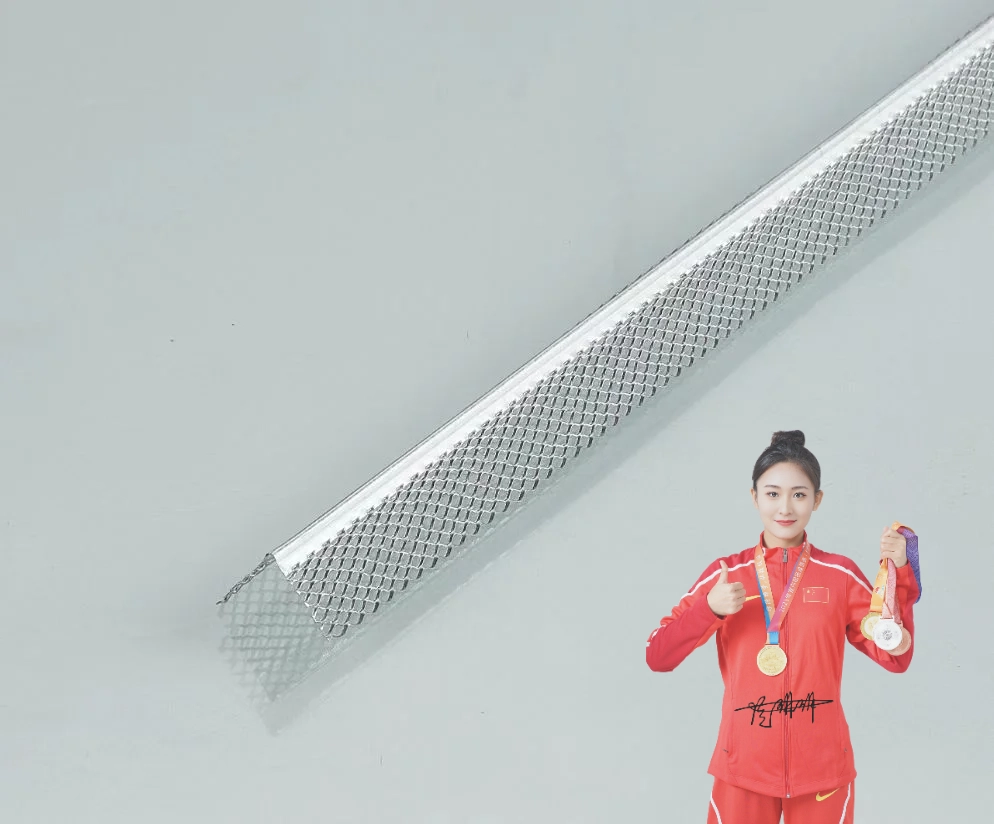
- Standard Paper Bead: The most common type, suitable for general drywall finishing.
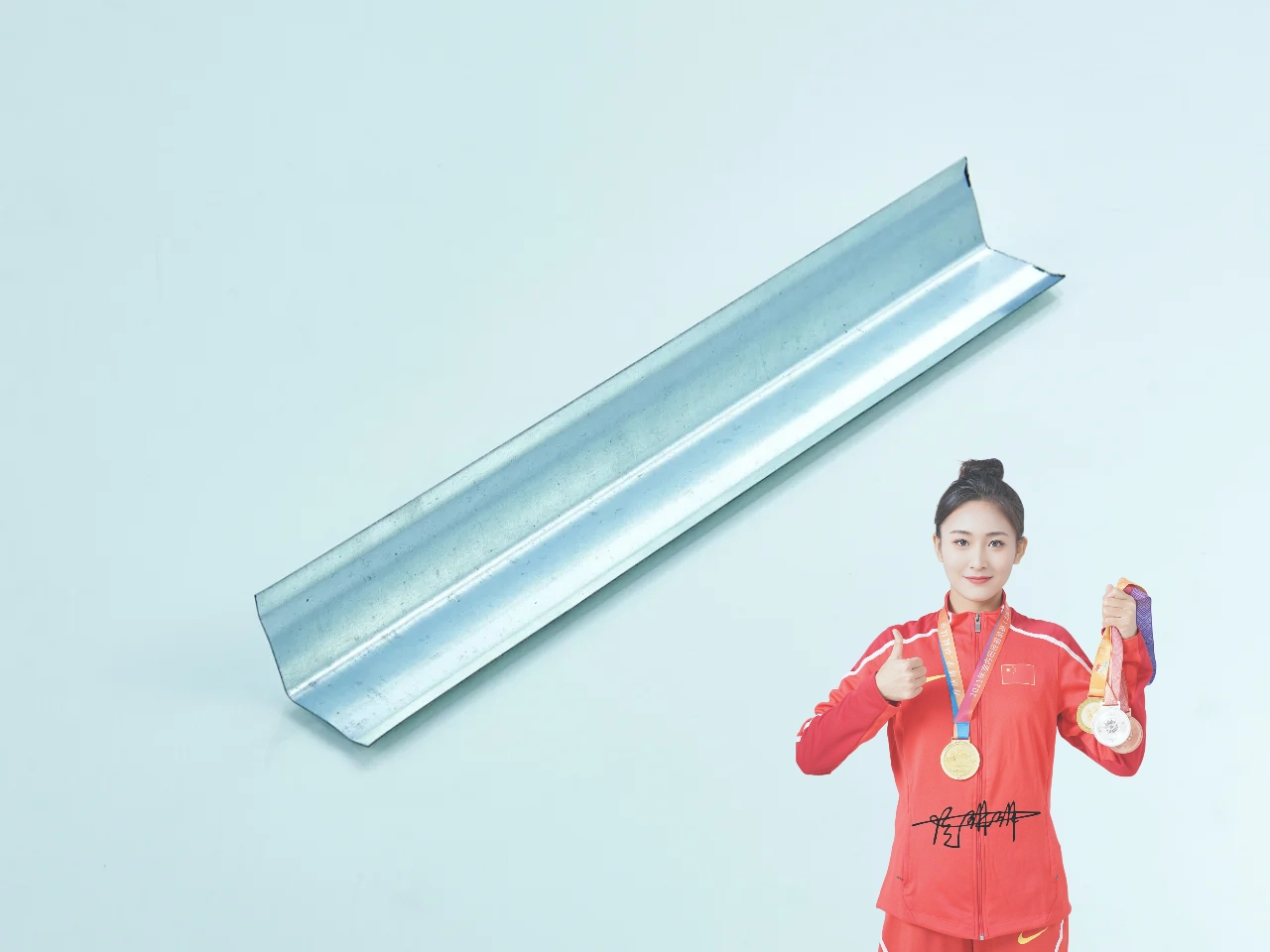
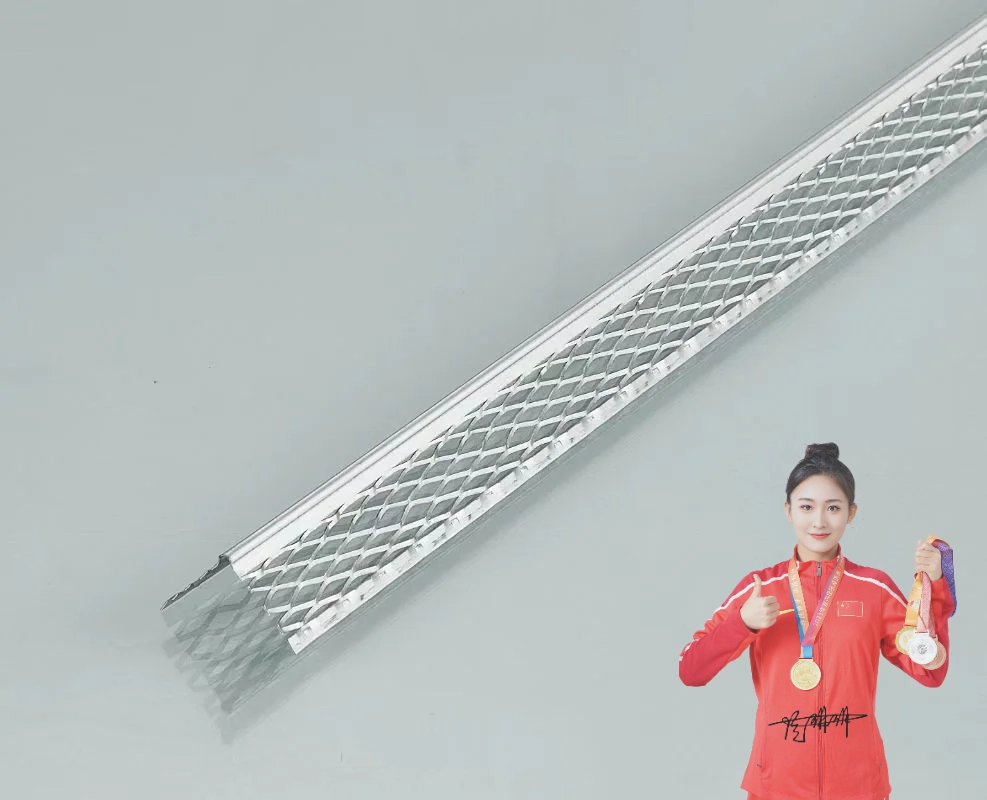
- Metal Core Paper Bead: Offers increased strength and durability, ideal for high-traffic areas.
- Pre-Creased Paper Bead: Designed for inside corners, simplifying installation and ensuring a clean finish.
- Tapered Paper Bead: Features a tapered edge for seamless blending with the drywall surface.
Selecting the right type of paper corner bead will ensure the longevity and appearance of your drywall corners.
Choosing the Right Bead:
• For standard corners: Standard Paper Bead
• For high-traffic areas: Metal Core Paper Bead
• For inside corners: Pre-Creased Paper Bead
• For seamless blending: Tapered Paper Bead
Paper Corner Bead vs. Metal Corner Bead: A Comparison
Both paper and metal corner beads protect drywall corners, but they differ in several key aspects. Metal corner beads are more durable and resistant to impact, making them suitable for demanding environments. However, they are harder to cut, require specialized tools, and can be prone to rust. Paper corner bead is easier to work with, more flexible, and less expensive. It provides adequate protection for most residential applications.
| Feature |
Paper Corner Bead |
Metal Corner Bead |
| Durability |
Moderate |
High |
| Ease of Installation |
Easy |
Difficult |
| Cost |
Low |
High |
| Rust Resistance |
Excellent |
Poor (can rust) |
Installing Paper Corner Bead: A Step-by-Step Guide
Installing paper corner bead is a straightforward process. First, cut the bead to the desired length using a utility knife. Apply a generous layer of drywall compound to the corner, then embed the bead, pressing firmly to ensure it’s fully adhered. Apply a second coat of compound, feathering it out to create a smooth transition. Once dry, sand lightly to create a flawless finish. Repeat the process with a third coat if needed. Proper installation is crucial for achieving a professional result. For detailed instructions, refer to the resources available at Corner Bead Mfr.
Product Specifications: Paper Corner Bead from Corner Bead Mfr
Here's a quick overview of specifications for paper corner bead offered by Corner Bead Mfr:
| Specification |
Detail |
| Material |
Laminated Paper |
| Length |
8ft, 10ft, 12ft |
| Width |
1.5”, 2”, 2.5” |
| Core |
Paper or Metal |
Conclusion: Achieving Professional Drywall Corners with Paper Bead
Choosing the right paper corners for drywall and following proper installation techniques are essential for a professional finish. Whether you're a DIY enthusiast or a professional contractor, understanding the different types of beads and their applications will help you achieve long-lasting, beautiful drywall corners. Explore the full range of products and resources available at Corner Bead Mfr to find the perfect solution for your next project.
Frequently Asked Questions (FAQs)
Can paper corner bead be used in high-humidity areas?
While paper corner bead is generally suitable for most interior applications, its performance in high-humidity areas like bathrooms may be compromised over time. Moisture can weaken the paper and potentially cause it to delaminate. In such areas, consider using metal corner bead or a water-resistant paper bead specifically designed for damp environments. Proper ventilation and moisture control are also crucial for extending the lifespan of any corner bead in humid conditions.
How much drywall compound should I use when embedding paper corner bead?
Apply a generous layer of drywall compound – approximately 4-6 inches wide – to fully cover the corner bead. Ensure the bead is completely embedded and that there are no air pockets. The compound should extend beyond the edges of the bead to allow for feathering and a smooth transition. Don't apply too much at once; it's better to build up the compound in multiple thin coats.
What tools are needed to install paper corner bead?
You’ll need a few essential tools: a utility knife for cutting the bead, a drywall knife (6-inch or 8-inch) for applying the compound, a mud pan for holding the compound, sandpaper or a sanding sponge for smoothing the finish, and a hawk (optional) for holding the compound while applying. A corner trowel can also be helpful for achieving sharp, clean corners. For more details and specific product recommendations, visit Corner Bead Mfr’s resources.
How do I prevent cracking around paper corner bead?
Cracking can occur due to movement in the drywall or improper installation. To prevent it, ensure the corner bead is firmly embedded in the compound and that the surrounding drywall is securely fastened. Apply multiple thin coats of compound, allowing each coat to dry completely before sanding and applying the next. Consider using a flexible joint compound to accommodate minor movements. Proper preparation and attention to detail are key to a crack-free finish.