Understanding Plasterboard Plastic Edge Bead: A Comprehensive Guide
Plasterboard, also known as drywall or sheetrock, is a fundamental building material used in residential and commercial construction. To ensure clean, durable, and aesthetically pleasing finishes, the use of plasterboard plastic edge bead is crucial. This guide will delve into the benefits, types, applications, and installation of plastic edge bead, offering valuable insights for both professionals and DIY enthusiasts. Selecting the right edge bead significantly impacts the longevity and appearance of your plasterboard projects.
Why Use Plasterboard Plastic Edge Bead?
Plastic edge bead plays a vital role in protecting the vulnerable edges of plasterboard. Without it, edges are prone to chipping, cracking, and damage during handling and finishing. It provides a neat, straight edge for plastering, rendering, or tiling. Furthermore, edge bead enhances the impact resistance of corners and edges, preventing costly repairs. Using plastic edge bead can also save time and effort during the finishing process, resulting in a more professional and polished result.
Key Benefits: Enhanced durability, cleaner finishes, improved impact resistance, time savings, and professional appearance.
Types of Plasterboard Plastic Edge Bead
There are several types of plastic edge bead available, each designed for specific applications. Common types include:
- Straight Edge Bead: Used for finishing straight edges where two plasterboard sheets meet.
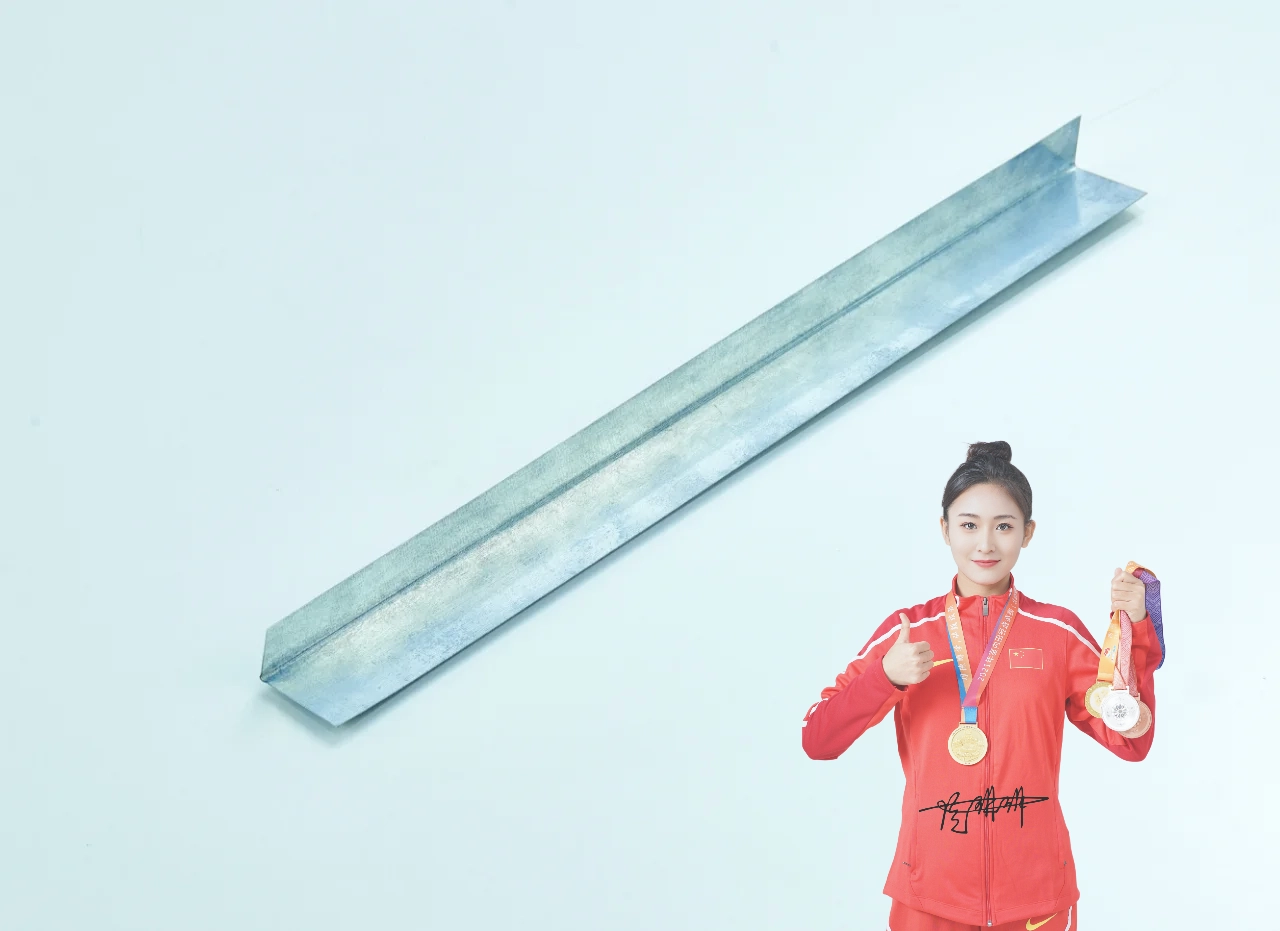
- Corner Bead (Internal & External): Designed to protect and finish internal and external corners.
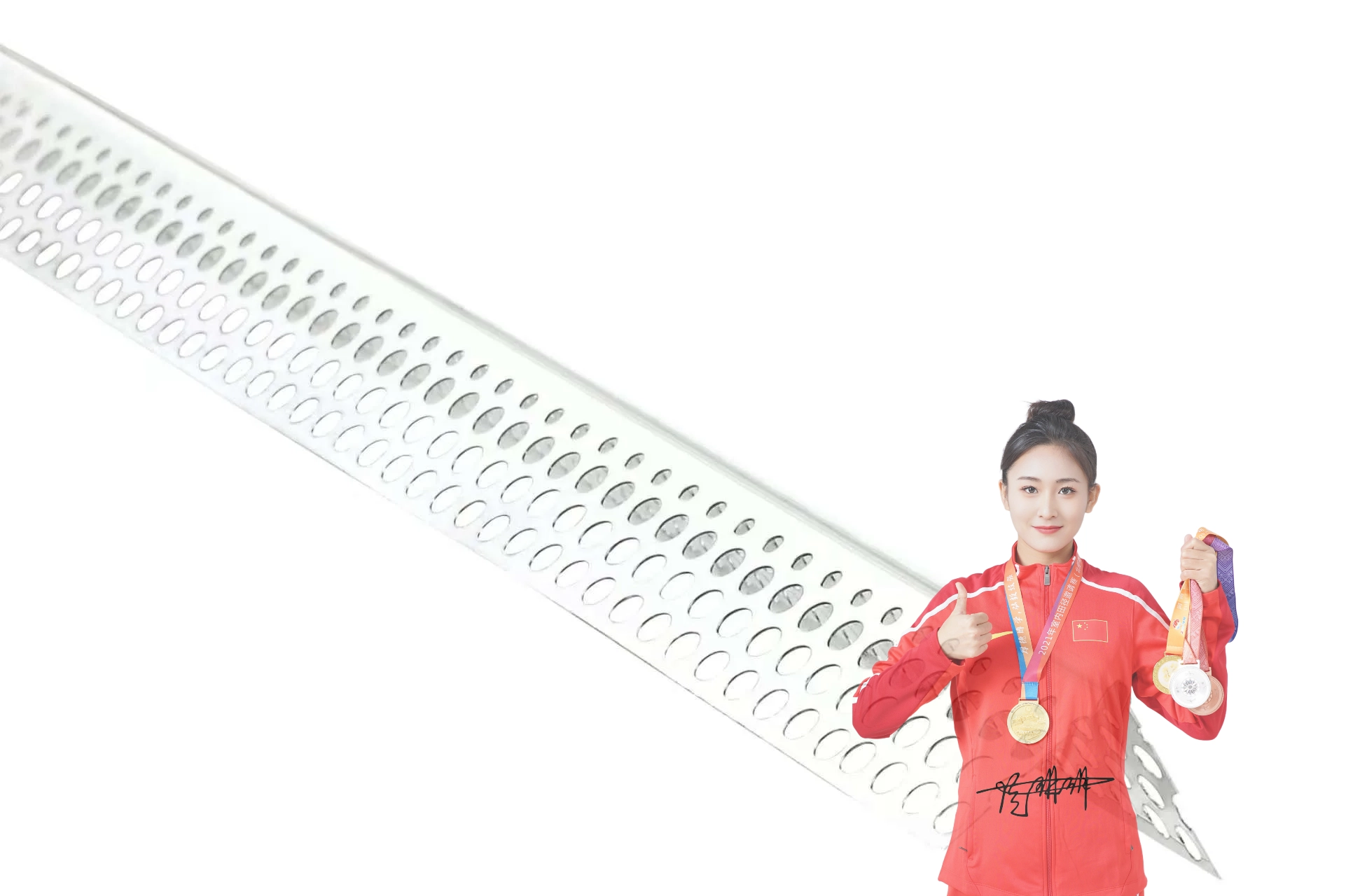
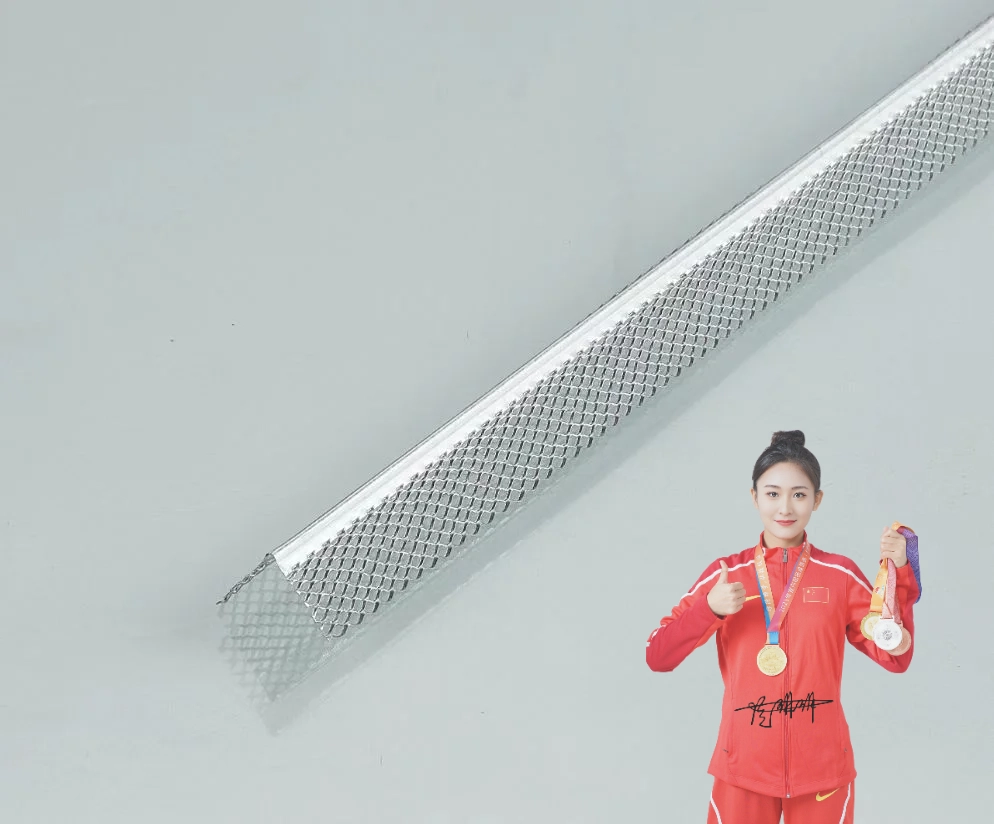
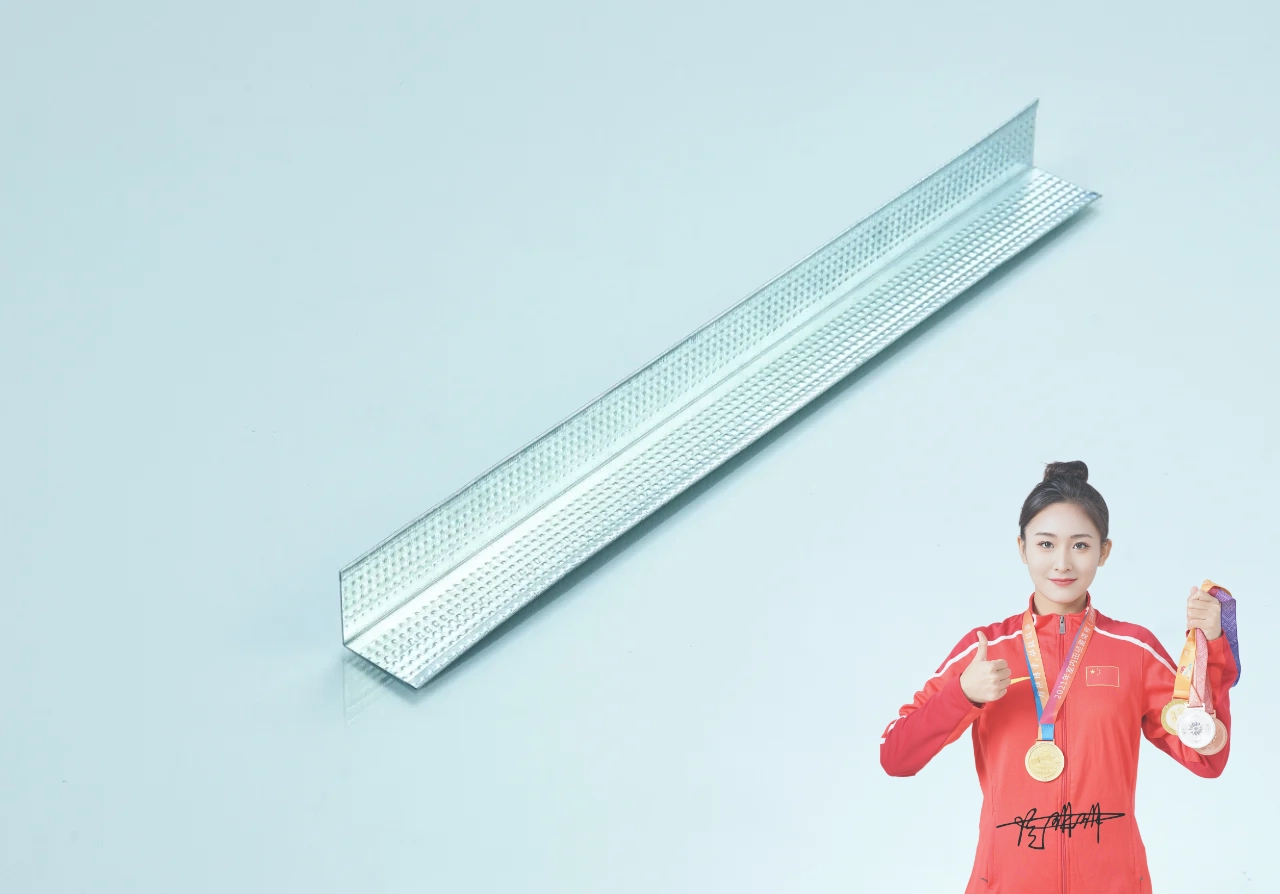
- Dot Bead: Features a series of raised dots, providing a key for plaster and minimizing cracking.
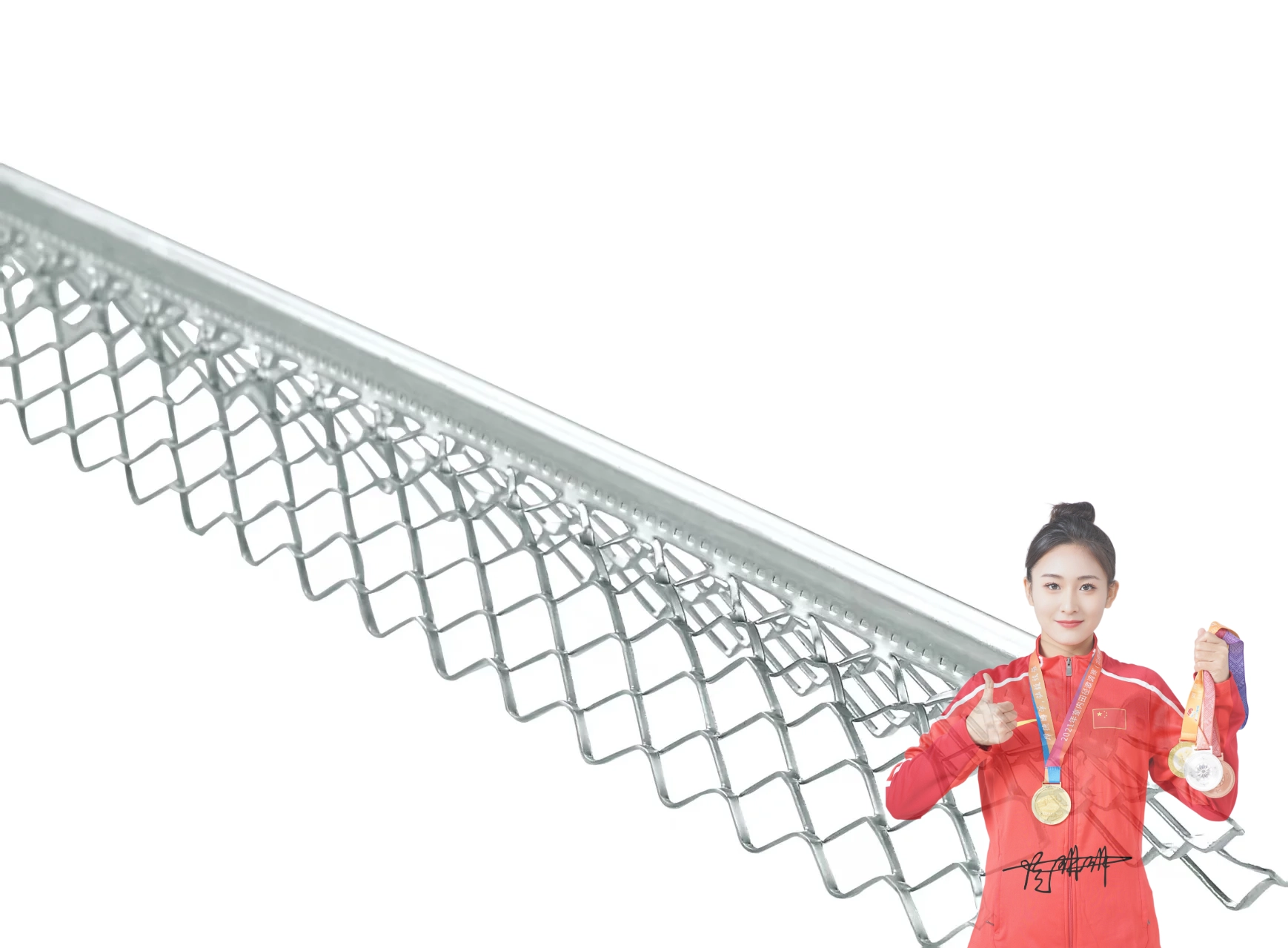
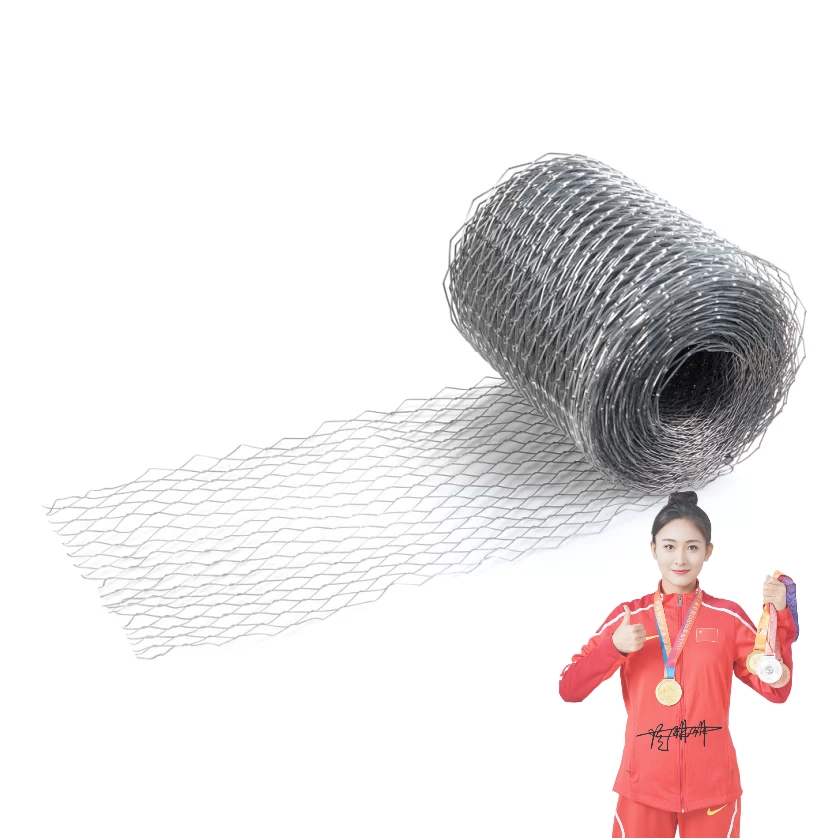
- Mesh Bead: A flexible bead with a mesh backing, ideal for curved surfaces.
The choice of edge bead depends on the type of edge or corner being finished, the desired aesthetic, and the substrate material.
Choosing the Right Bead:
• Straight edges: Use straight edge bead.
• Internal corners: Use internal corner bead.
• External corners: Use external corner bead.
• Curved surfaces: Use mesh bead.
Plasterboard Plastic Edge Bead vs. Metal Edge Bead
While metal edge bead (typically galvanized steel) has been traditionally used, plastic edge bead offers several advantages. Metal beads are susceptible to rust, especially in damp environments, and can be more difficult to cut and install. Plastic edge bead is lightweight, corrosion-resistant, and easier to work with. It also doesn’t require special tools for cutting, making it a more user-friendly option for DIY projects.
| Feature |
Plastic Edge Bead |
Metal Edge Bead |
| Corrosion Resistance |
Excellent |
Poor (prone to rust) |
| Weight |
Lightweight |
Heavy |
| Ease of Cutting |
Easy (scissors or utility knife) |
Difficult (metal snips required) |
| Cost |
Generally lower |
Generally higher |
Installation Best Practices
Proper installation is critical for the performance of plastic edge bead. Apply a generous layer of joint compound to the edge of the plasterboard before embedding the bead. Ensure the bead is firmly pressed into the compound and aligned correctly. Apply additional coats of compound to fully conceal the bead and create a smooth transition. Sand lightly between coats for a flawless finish. Cornerbeadmfr.com provides detailed installation guides and support.
Product Specifications and Range
At Cornerbeadmfr.com, we offer a wide range of plastic edge beads in various sizes, materials (PVC, PP), and configurations. Here’s a quick overview:
| Product Type |
Material |
Available Sizes (inches) |
| Straight Edge Bead |
PVC |
1, 1.5, 2, 3 |
| Internal Corner Bead |
PP |
1.5, 2, 2.5 |
| External Corner Bead |
PVC |
1.5, 2, 2.5, 3 |
Conclusion: Protecting Your Plasterboard Investment
Investing in quality plasterboard plastic edge bead is a simple yet effective way to ensure the longevity and aesthetic appeal of your plasterboard projects. By choosing the right type of bead and following proper installation techniques, you can create durable, professional-looking finishes that will withstand the test of time. Explore the comprehensive range of products available at Cornerbeadmfr.com to find the perfect solution for your needs.
Frequently Asked Questions (FAQs)
What is the best way to cut plastic edge bead?
Plastic edge bead can be easily cut with a utility knife, sturdy scissors, or a fine-toothed saw. For straight cuts, use a straight edge as a guide. For angled cuts, score the bead multiple times with the utility knife before snapping it cleanly. Always wear safety glasses when cutting any material. Avoid using power tools, as they can melt the plastic and create a rough edge.
Can plastic edge bead be used with different types of plaster?
Yes, plastic edge bead is compatible with most types of plaster, including gypsum plaster, lime plaster, and cement-based plasters. However, it’s important to choose a bead that is specifically designed for the type of plaster you are using. For example, mesh bead is often preferred for lime plasters, as it provides better keying. Always follow the manufacturer's recommendations for the best results.
How do I repair damaged plastic edge bead?
Minor damage to plastic edge bead can often be repaired with a suitable filler or joint compound. Clean the damaged area thoroughly and apply the filler in thin layers, allowing each layer to dry before applying the next. Sand the filler smooth to blend it with the surrounding surface. For significant damage, it’s best to replace the entire section of edge bead.
Is plastic edge bead suitable for exterior applications?
While some plastic edge beads are suitable for exterior applications, it's crucial to choose a UV-resistant grade. Prolonged exposure to sunlight can cause some plastics to become brittle and degrade. Look for beads specifically labeled for outdoor use, or consider using metal edge bead for exterior projects where durability is paramount.