Understanding Plastic Beading for Plastering
Achieving a professional and durable finish in plastering projects relies heavily on the quality of materials used. Plastic beading for plastering is a crucial component, offering corner protection and creating clean, defined edges. This guide will explore the benefits, types, installation, and best practices for utilizing plastic beading, ensuring a superior result for both interior and exterior applications. Proper application of plastic beading not only enhances aesthetics but also prolongs the life of plastered surfaces.
The Advantages of Using Plastic Beading
Compared to traditional metal beading, plastic beading offers numerous advantages. Its lightweight nature simplifies installation, reducing strain and improving efficiency. Plastic is also corrosion-resistant, making it ideal for damp environments where metal would rust. Furthermore, plastic beading is more flexible, accommodating slight movements in the substrate without cracking the plaster. This adaptability leads to a more durable and long-lasting finish. The cost-effectiveness of plastic beading makes it a popular choice for both DIY enthusiasts and professional plasterers.
Key Highlights: Lightweight, corrosion-resistant, flexible, cost-effective, and easy to install. Provides clean, defined edges and protects corners from damage.
Types of Plastic Beading for Different Applications
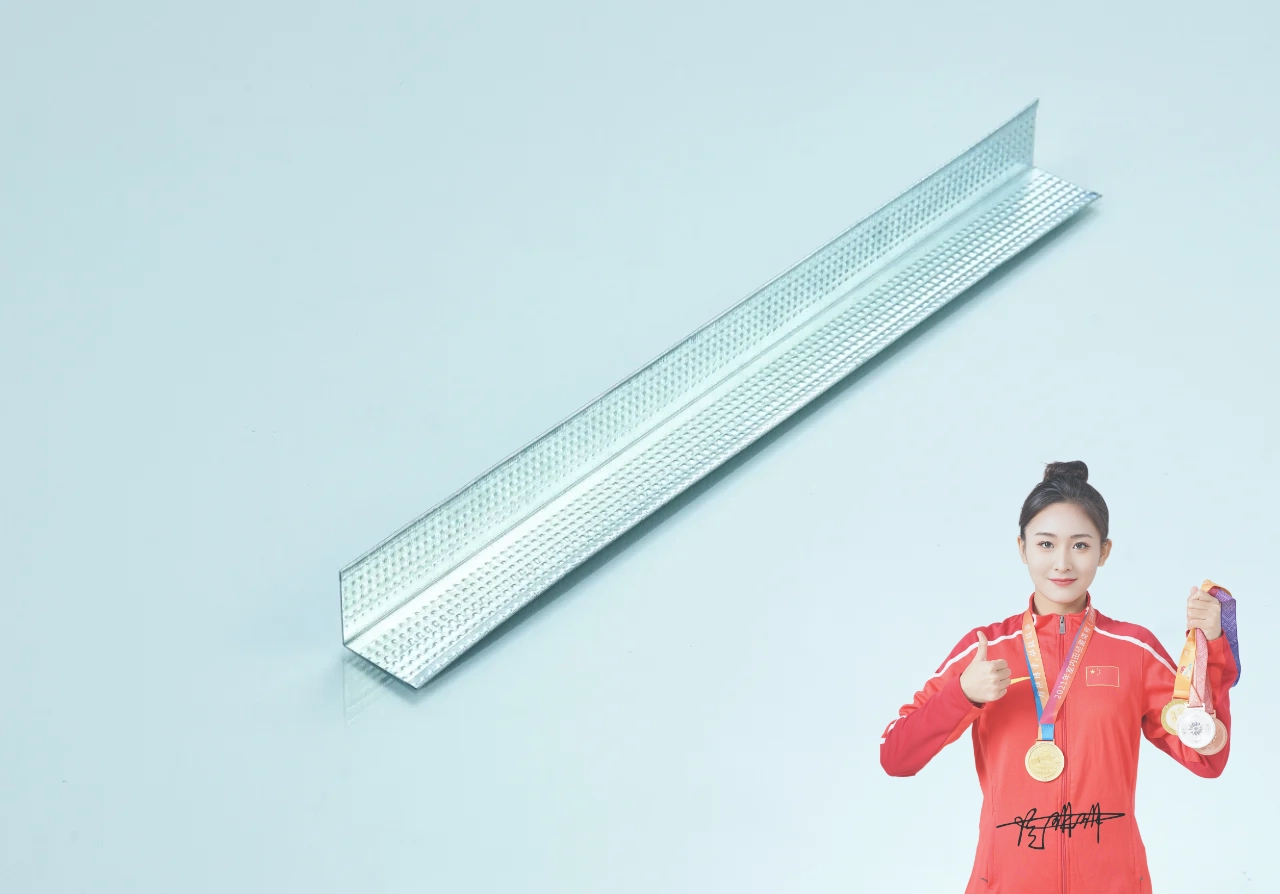
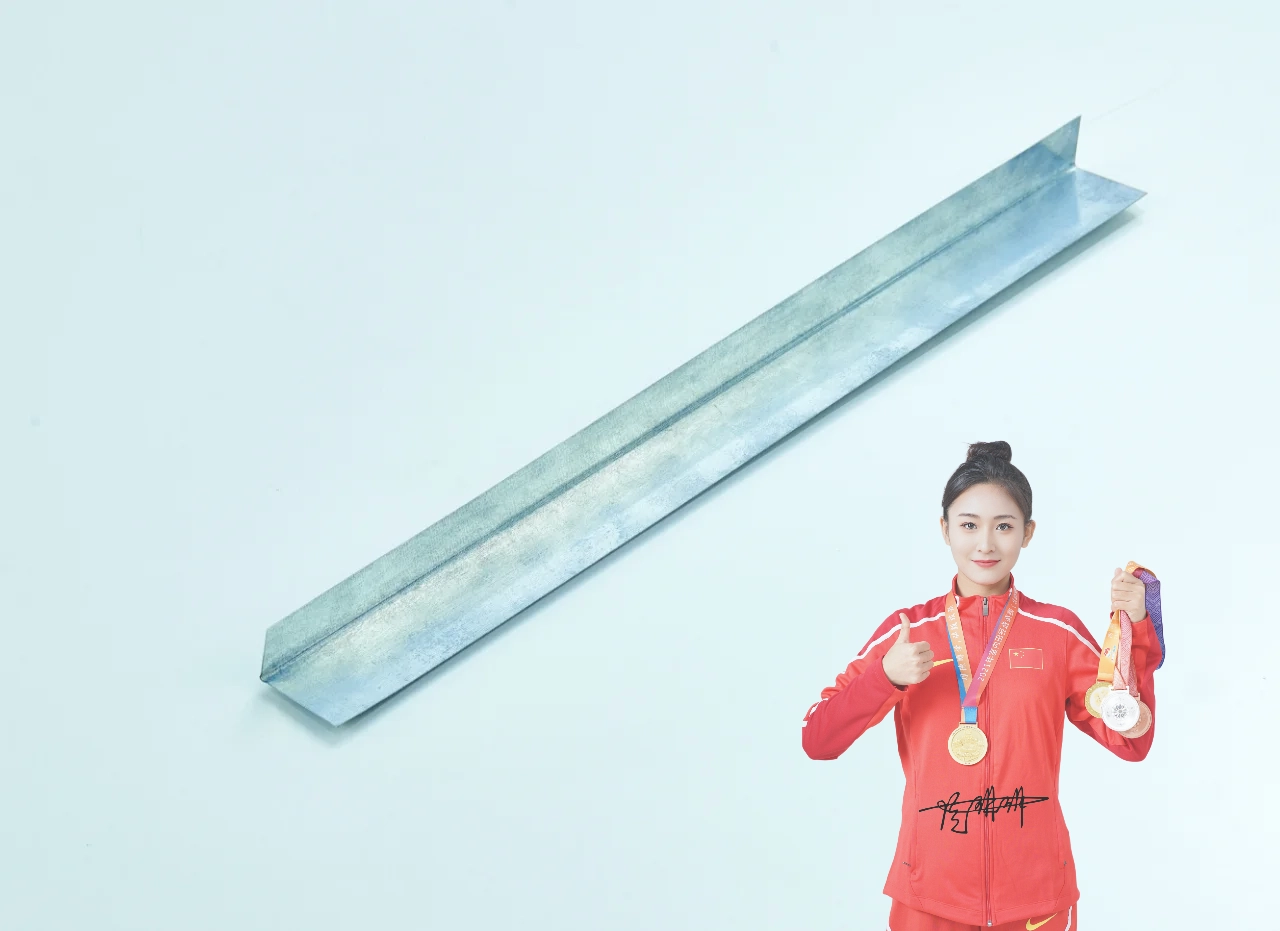
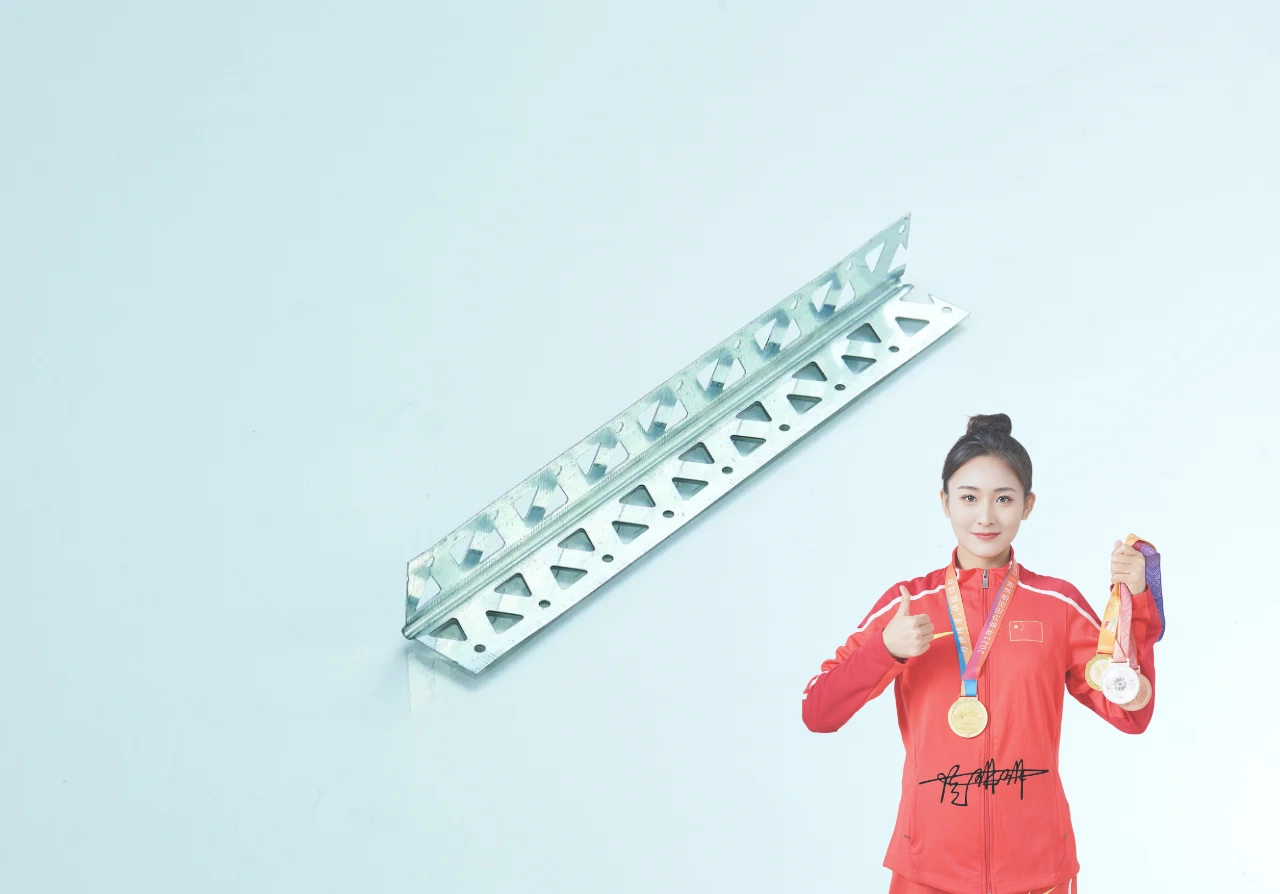
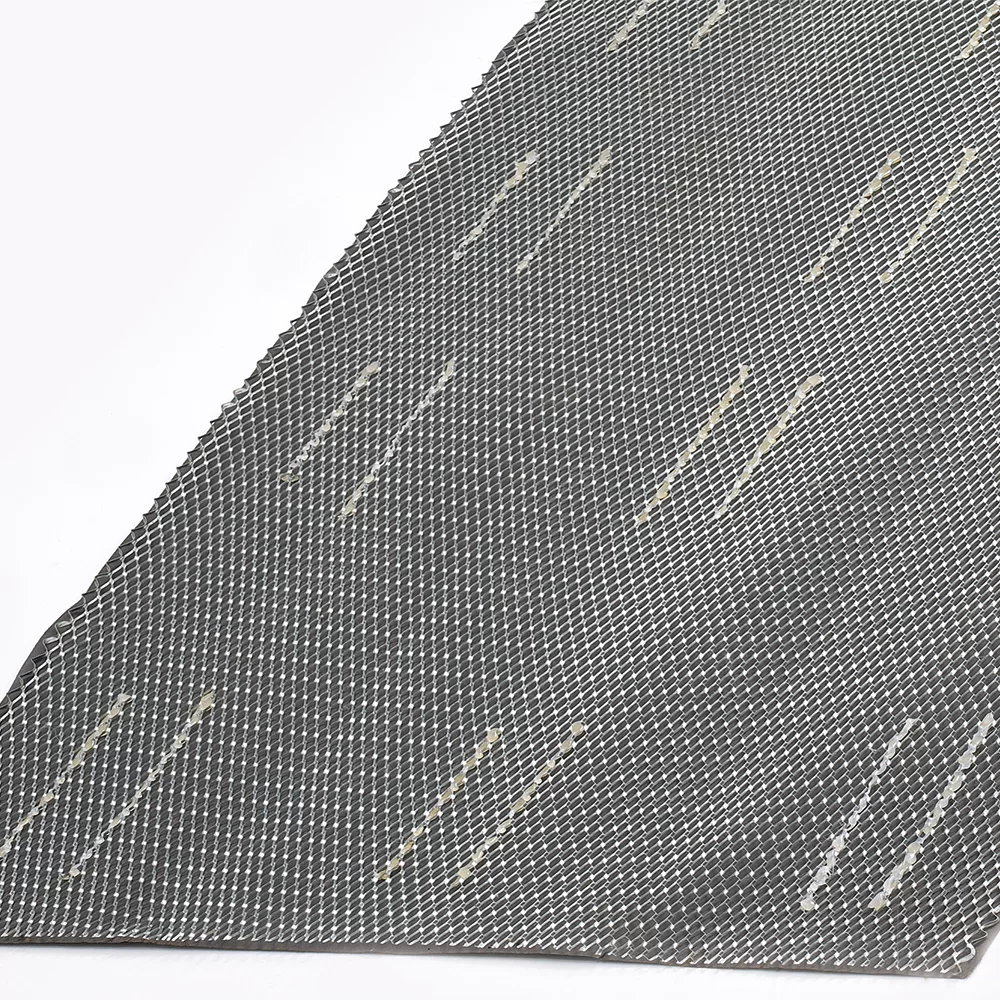
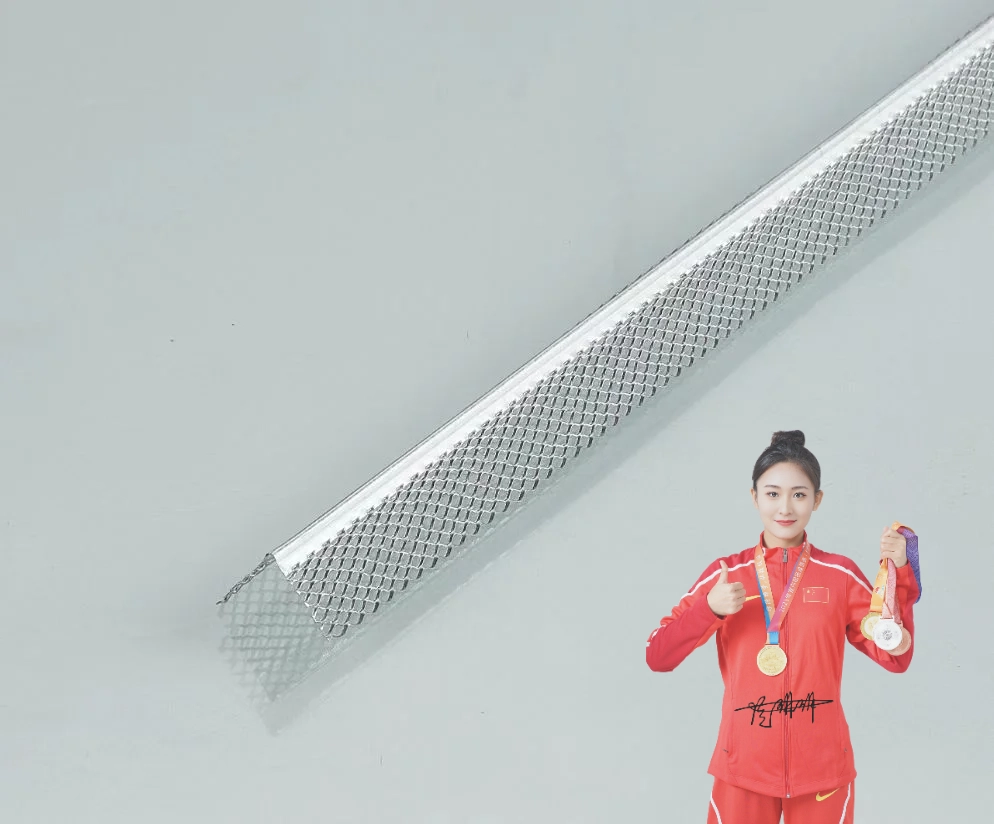
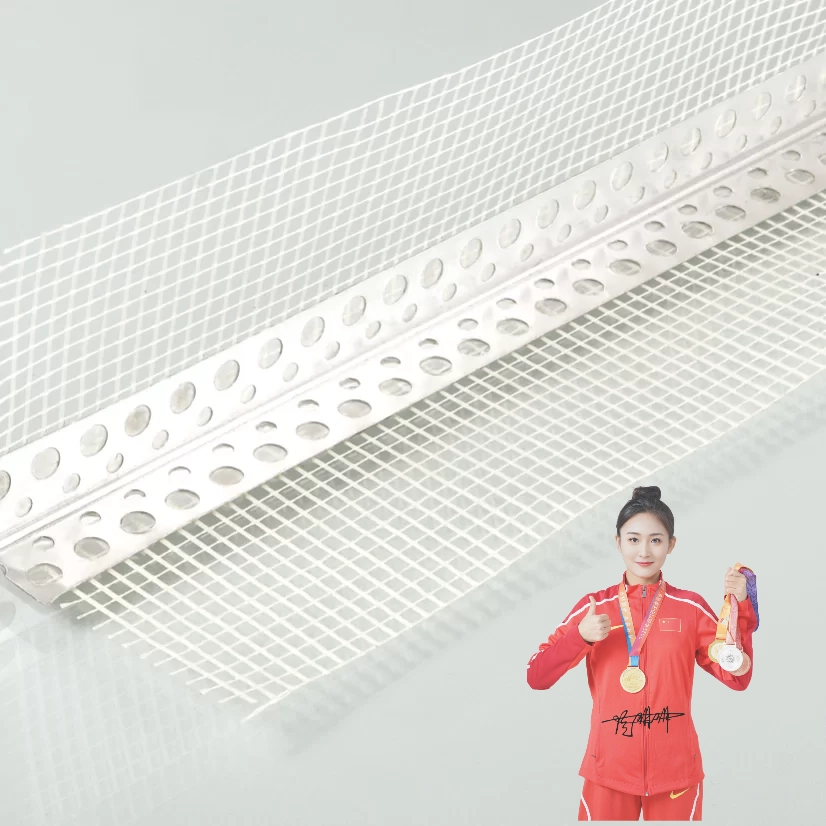
Plastic beading isn’t one-size-fits-all. Different types are designed for specific applications. Corner beading protects external corners, while internal corner beading reinforces and defines internal angles. Stop beading is used to create neat edges against ceilings, floors, or adjoining walls. Mesh beading provides reinforcement for large areas and is often used with render. Understanding the purpose of each type is crucial for a successful plastering project. Cornerbeadmfr.com provides a wide range of options to suit various needs.
Plastic Beading Types:
• Corner Beading: Protects and defines external corners.
• Internal Corner Beading: Reinforces and defines internal angles.
• Stop Beading: Creates neat edges against ceilings, floors, or walls.
• Mesh Beading: Reinforces large areas and used with render.
Plastic Beading for Plastering: A Comparative Look
Choosing the right beading material significantly impacts the project’s outcome. Here’s a comparison of plastic beading against other common options:
| Material |
Cost |
Durability |
Ease of Installation |
| Plastic Beading |
Low |
Good (Corrosion Resistant) |
Very Easy |
| Metal Beading |
Medium to High |
Good (Susceptible to Rust) |
Medium |
| Paper Beading |
Very Low |
Poor (Not Durable) |
Easy |
Installation Best Practices for Plastic Beading
Proper installation is key to achieving a lasting, professional finish. Begin by ensuring the surface is clean and free of debris. Apply a generous layer of plaster to the corner or edge, embedding the beading firmly. Use a hawk and trowel to press the plaster around the beading, ensuring full contact. Remove any excess plaster and feather the edges to create a smooth transition. For external corners, consider using a dot and dab method to provide additional support. Always follow the manufacturer’s guidelines for the specific product being used. Cornerbeadmfr.com offers detailed resources and installation guides.
Product Specifications and Considerations
When selecting plastic beading for plastering, consider the thickness, length, and material composition. Thicker beading offers greater protection and durability. Longer lengths reduce the number of joints required, resulting in a cleaner finish. Look for beading made from high-quality PVC for optimal performance. It’s also important to consider the compatibility of the beading with the type of plaster being used.
Conclusion: Achieving Professional Results with Plastic Beading
Investing in quality plastic beading and employing proper installation techniques are essential for achieving professional, durable plastering results. From protecting corners to creating clean edges, plastic beading offers a cost-effective and reliable solution for a wide range of projects. Choose wisely, install carefully, and enjoy a beautiful, long-lasting finish.
Frequently Asked Questions (FAQs)
Can plastic beading be used with all types of plaster?
Generally, yes. Plastic beading is compatible with most common plaster types, including gypsum, lime, and cement-based plasters. However, it’s always best to check the manufacturer’s recommendations for both the beading and the plaster to ensure compatibility. Some specialized plasters might require specific beading materials. Using incompatible materials could lead to adhesion issues or cracking.
How do I cut plastic beading to size?
Plastic beading can be easily cut using a fine-toothed saw or a pair of snips designed for plastic. Measure carefully and mark the desired length. For clean, straight cuts, use a mitre box. After cutting, deburr the edges with sandpaper or a file to prevent them from snagging on tools or damaging the plaster. Safety glasses are recommended during cutting.
What should I do if the beading comes loose after plastering?
If the beading comes loose, carefully remove any loose plaster around it. Clean the area thoroughly. Re-apply a generous amount of plaster behind the beading, ensuring full contact. Consider using a mechanical fixing, such as a screw or nail, to secure the beading in place until the plaster sets. Feather the edges of the new plaster to blend seamlessly with the surrounding area. It’s crucial to address loose beading promptly to prevent further damage.
Is plastic beading suitable for exterior use?
Yes, but it’s essential to choose beading specifically designed for exterior applications. These are often UV-resistant to prevent degradation from sunlight. Ensure the plaster mix is also suitable for exterior use and is appropriately weather-protected. Regular inspection and maintenance are recommended to ensure long-term durability in exposed environments.