Plastic Beading for Rendering: A Comprehensive Guide
Achieving a professional and durable finish with rendered surfaces requires attention to detail, and plastic beading for rendering plays a crucial role. This guide will cover everything you need to know about selecting, installing, and benefiting from the use of plastic beading in your rendering projects. From protecting vulnerable edges to creating crisp, clean lines, we'll explore the essential aspects of this often-overlooked component. Properly applied beading dramatically improves the longevity and aesthetic appeal of rendered walls.
Understanding Plastic Beading for Rendering
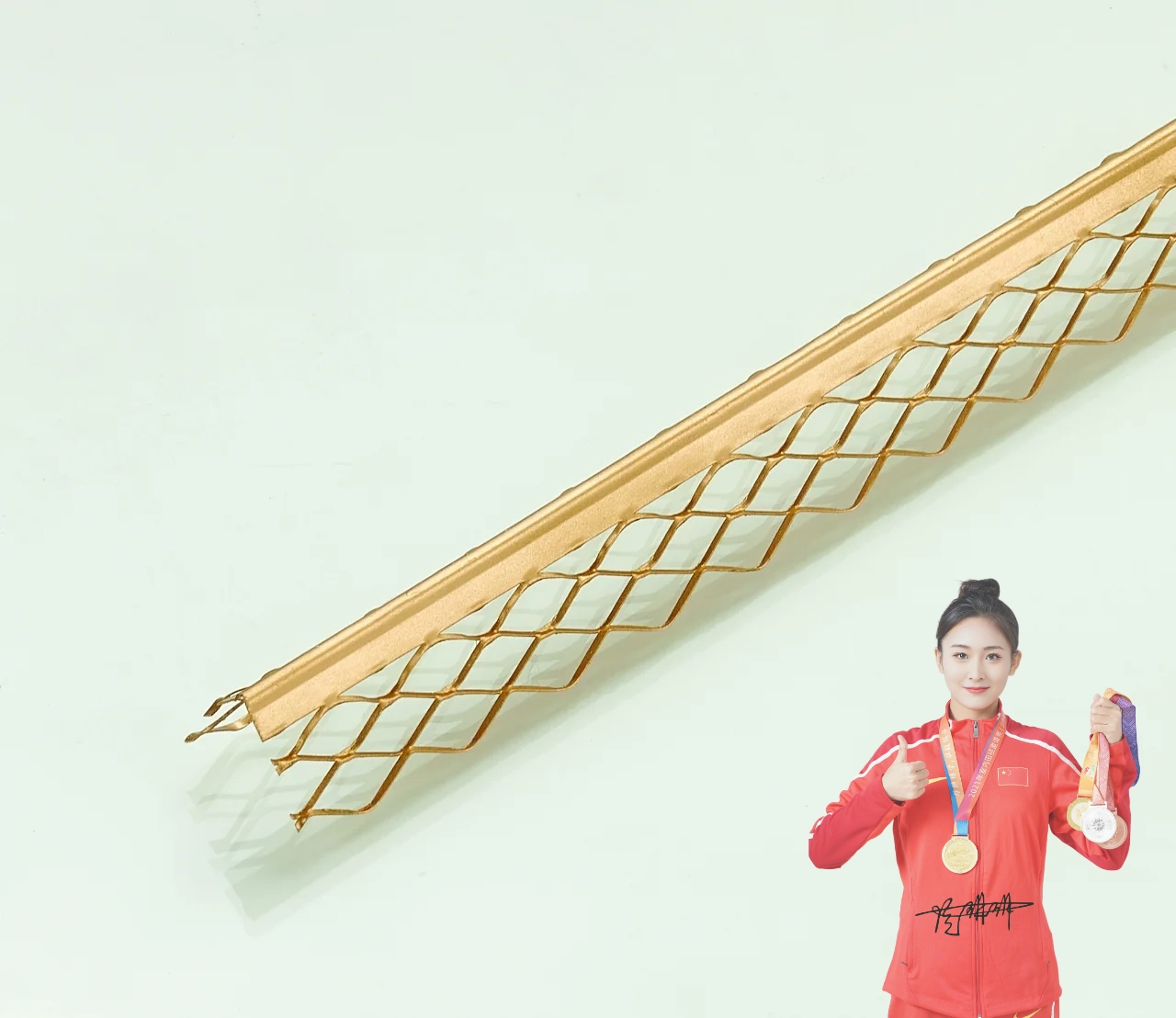
Plastic beading, also known as corner bead or render bead, is a protective strip applied to external corners and edges of rendered surfaces. It’s primarily made from PVC, offering excellent resistance to weather, corrosion, and impact. The primary function of beading is to shield the vulnerable edges of the render from damage during application, from accidental impacts, and from the natural expansion and contraction of building materials. Without beading, these edges are prone to cracking, chipping, and ultimately, failure of the render system. Corner Bead Manufacturer offer a wide range of plastic beading solutions.
Key Benefits: Protects render edges from impact and damage, creates sharp and defined corners, enhances the durability of the rendered surface, and simplifies the rendering process.
Types of Plastic Beading for Rendering
Several types of plastic beading are available, each suited for specific rendering applications. Common types include:
- Corner Bead: For protecting and finishing external corners.
- Reveal Bead: Creates a decorative recess or reveal in the render.
- Plaster Stop Bead: Provides a clean edge for render termination against ceilings or other surfaces.
- Sill Bead: Used under windowsills to prevent water penetration and damage.
Choosing the correct type of beading is crucial for achieving the desired aesthetic and functional outcome. Consider the specific corner type (internal or external), the desired finish (sharp or rounded), and the level of protection required.
Choosing the Right Beading:
• External Corners: Corner Bead
• Decorative Recesses: Reveal Bead
• Render Termination: Plaster Stop Bead
• Windowsills: Sill Bead
Plastic Beading vs. Metal Beading: A Comparison
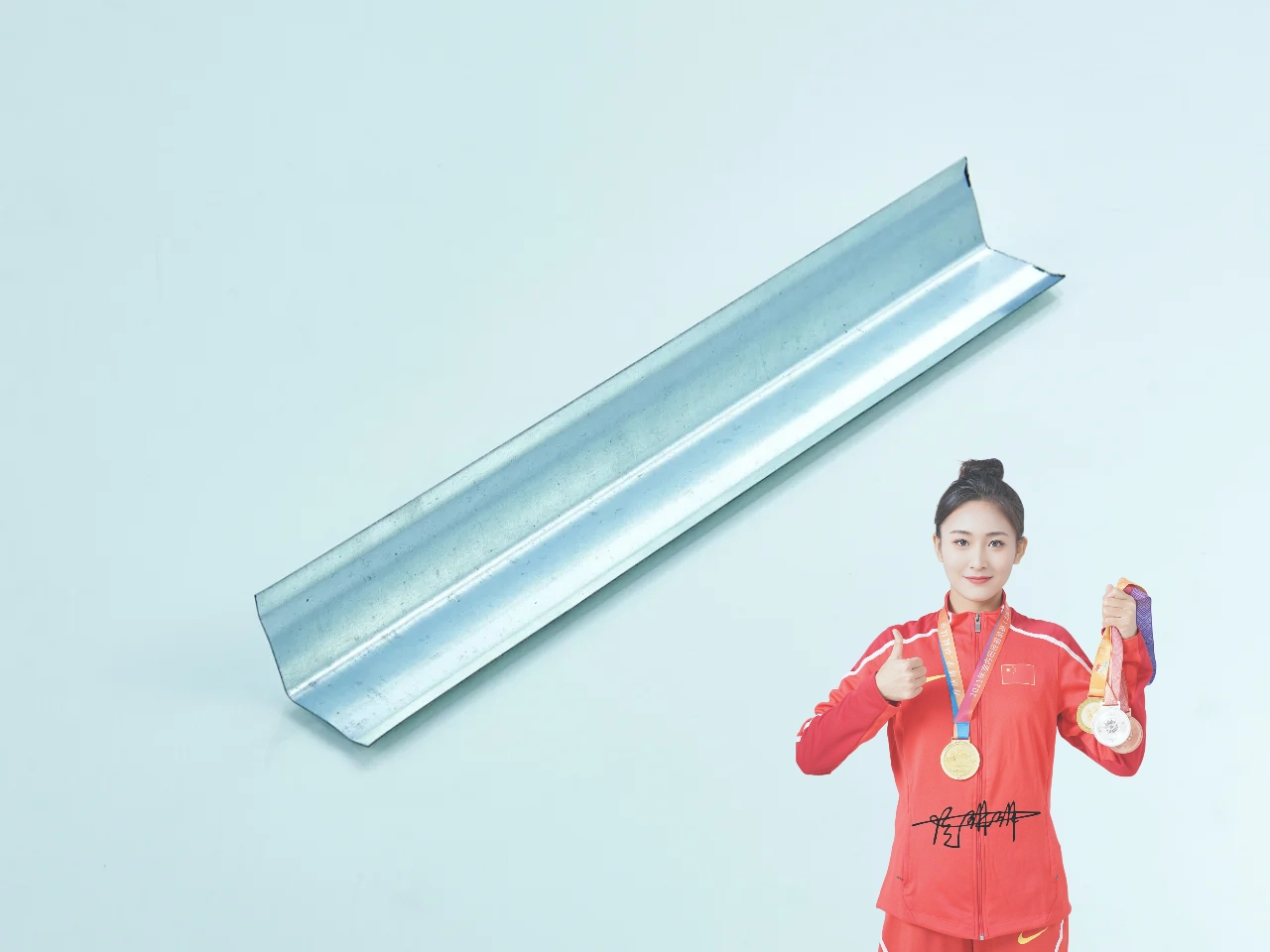
Traditionally, metal beading (typically galvanized steel) was the standard choice for protecting render edges. However, plastic beading has gained popularity due to its numerous advantages. Here's a comparison:
| Feature |
Plastic Beading |
Metal Beading |
| Corrosion Resistance |
Excellent |
Prone to Rusting |
| Weight |
Lightweight |
Heavy |
| Ease of Installation |
Easy to cut and fix |
Requires specialized tools |
| Cost |
Generally lower |
Generally higher |
Installation Best Practices for Plastic Beading
Correct installation is vital for ensuring the beading effectively protects the render. Here's a step-by-step guide:
- Preparation: Ensure the surface is clean, dry, and free from loose debris.
- Cutting: Cut the beading to the required length using appropriate tools.
- Fixing: Apply a suitable adhesive or mechanical fixings (screws or nails) to secure the beading in place.
- Embedding: Embed the beading slightly into the first coat of render, ensuring it’s fully covered.
- Finishing: Apply subsequent coats of render, carefully feathering the edges to blend seamlessly with the beading.
Always follow the manufacturer's instructions for specific adhesive and fixing recommendations. Corner Bead Manufacturer provides comprehensive installation guides.
Conclusion: Enhancing Rendered Surfaces with Plastic Beading
Plastic beading for rendering is an essential component for achieving a professional, durable, and aesthetically pleasing finish. Its corrosion resistance, ease of installation, and cost-effectiveness make it a superior choice compared to traditional metal beading. By understanding the different types of beading and following best practices for installation, you can ensure your rendered surfaces stand the test of time. Contact Corner Bead Mfr today for a quote!
Frequently Asked Questions (FAQs)
What adhesive should I use to fix plastic beading?
The choice of adhesive depends on the render type and substrate. Acrylic-based adhesives are generally suitable for most applications, providing a strong and durable bond. For more challenging surfaces or heavier beading, consider using a cement-based adhesive specifically designed for render systems. Always check the adhesive manufacturer's instructions to ensure compatibility with the render and substrate materials. A high-quality adhesive will ensure the beading remains securely in place during and after rendering.
Can plastic beading be used with all types of render?
Yes, plastic beading is generally compatible with most common render types, including cement-based renders, acrylic renders, and silicone renders. However, it’s essential to check the manufacturer’s recommendations for both the beading and the render to ensure compatibility. Certain specialized renders may require specific types of beading or adhesives. Proper preparation of the surface and adherence to installation guidelines are crucial for achieving a successful outcome regardless of the render type.
How do I prevent cracking around plastic beading?
Cracking around beading is often caused by movement in the substrate or insufficient embedding of the beading in the render. To prevent this, ensure the substrate is stable and properly prepared. When applying the first coat of render, fully embed the beading and feather the edges to create a seamless transition. Avoid applying excessive pressure during the rendering process, as this can cause stress on the beading. Using a flexible render system can also help accommodate minor movements without causing cracking.