The Role and Significance of Metal Plastering Mesh
In the construction industry, achieving durable, crack-resistant, and long-lasting plaster finishes is a critical aspect of both structural integrity and aesthetic appeal. One of the key components that contribute to this durability is metal plastering mesh, a reinforcing material embedded within plaster or stucco to prevent cracking, improve adhesion, and enhance the overall strength of wall and ceiling surfaces. While often unseen once the final finish is applied, its presence is essential in ensuring the longevity and performance of plasterwork in both residential and commercial buildings.
The Purpose of Metal Plastering Mesh
Plastering mesh, also known as reinforcement mesh or stucco mesh, is primarily used to prevent cracks caused by structural movement, thermal expansion, or shrinkage of the plaster material. Without reinforcement, plaster layers can develop hairline cracks or even larger fissures over time, compromising both appearance and structural stability.
Metal plastering mesh acts as a tensile reinforcement, distributing stresses evenly across the plaster layer and reducing the likelihood of cracks propagating. It also improves bonding strength, ensuring that the plaster adheres firmly to the substrate, whether it is brick, concrete, or insulation boards. This is particularly important in exterior applications where weather exposure can weaken traditional plaster finishes.
Types of Metal Plastering Mesh
Metal plastering mesh comes in different forms, each designed for specific applications and performance requirements. The most common types include:
1. Galvanized Steel Mesh
This is the most widely used type, featuring a zinc coating that protects against rust and corrosion. It is highly durable and suitable for both interior and exterior plastering, including cement-based renders and stucco.
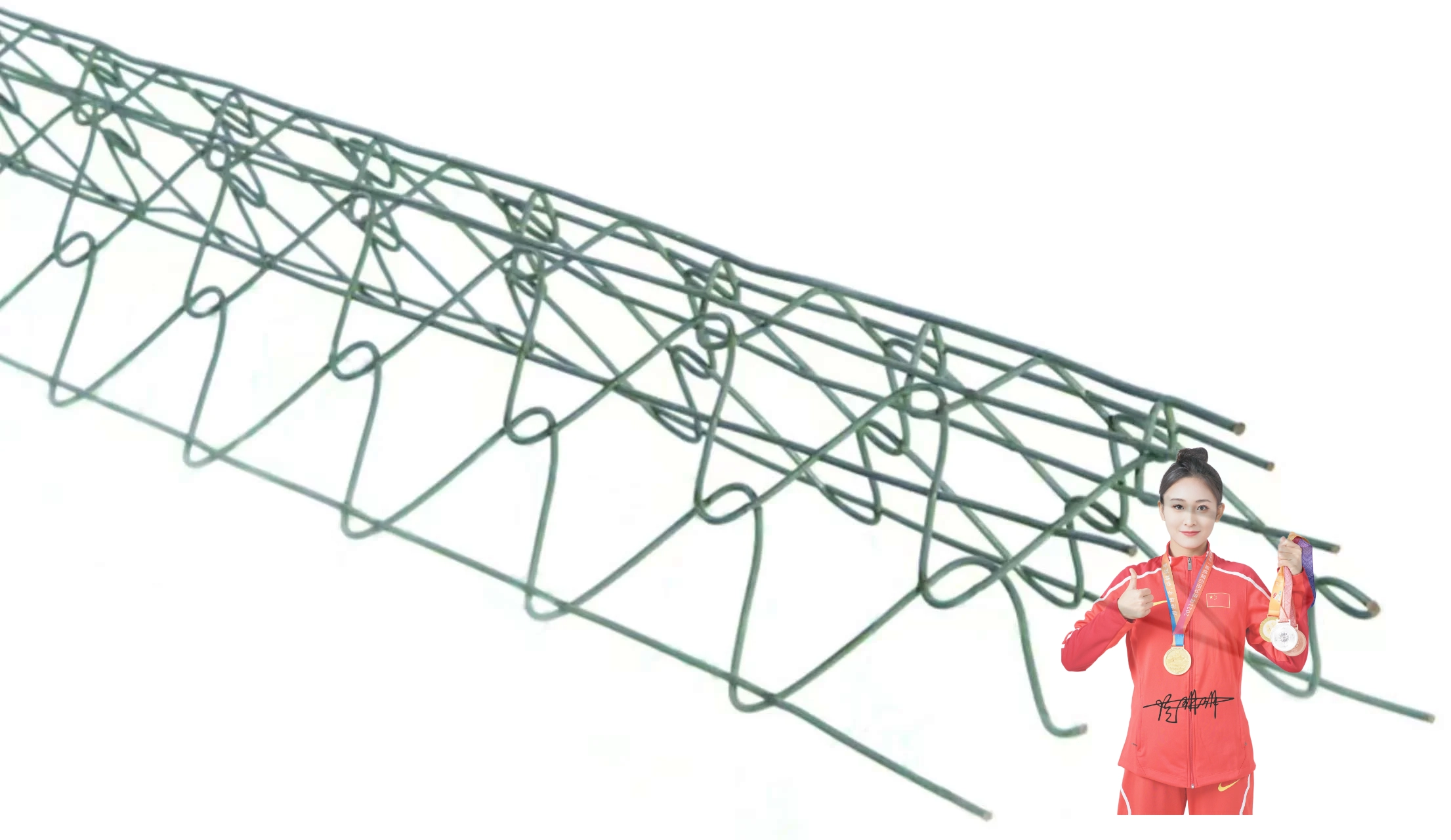
2. Welded Wire Mesh
Constructed by welding steel wires at intersecting points, this mesh offers high tensile strength and rigidity. It is often used in areas requiring extra reinforcement, such as around windows, doors, and corners where stress concentrations are higher.
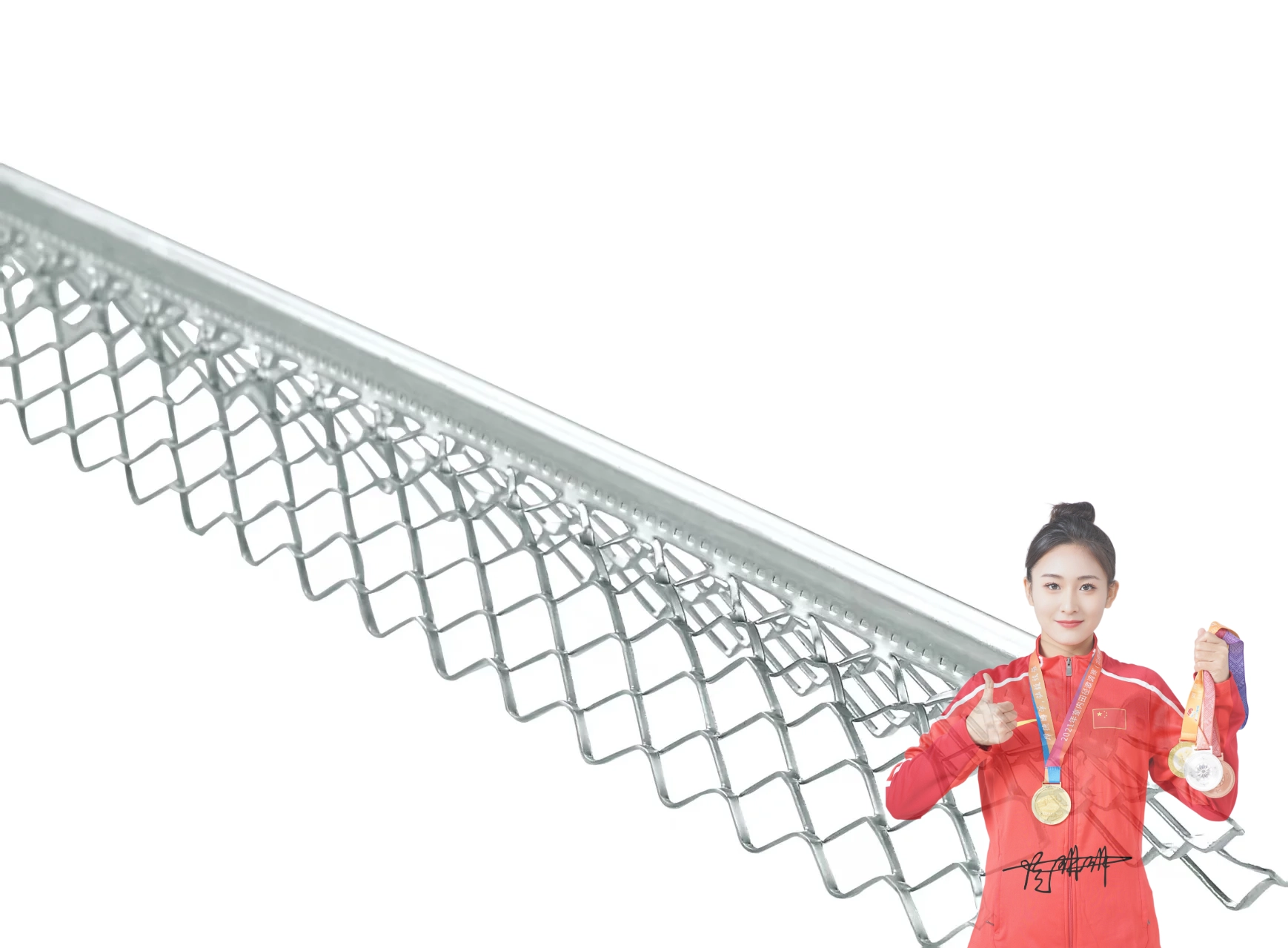
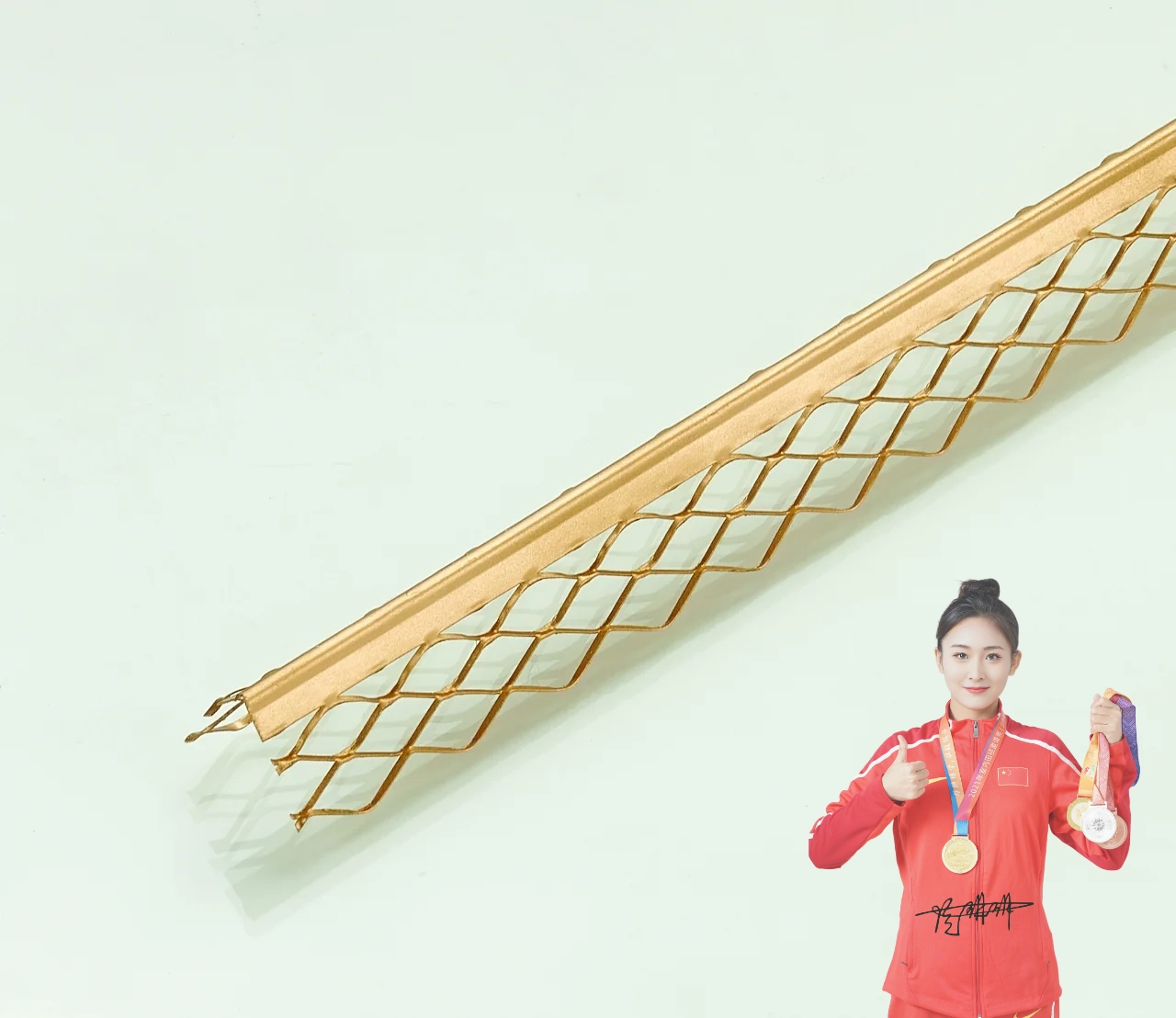
3. Expanded Metal Mesh
Made by cutting and stretching a metal sheet, expanded metal mesh provides a lightweight yet strong reinforcement option. Its open structure allows plaster to penetrate and bond effectively, making it ideal for thick plaster applications.
4. Fiberglass-Reinforced Metal Mesh
Some hybrid meshes combine metal with fiberglass to enhance flexibility while maintaining strength. These are particularly useful in regions with significant temperature fluctuations, where materials need to withstand expansion and contraction.
Each type serves a distinct purpose, allowing builders to select the most appropriate mesh based on environmental conditions, plaster thickness, and structural requirements.
Applications of Metal Plastering Mesh
Metal plastering mesh is used in a variety of construction scenarios, including:
1. Exterior Wall Rendering
In external wall systems, metal mesh is embedded within the plaster or stucco to prevent cracking due to weather exposure, building movement, or impact damage. It is commonly used in Exterior Insulation and Finishing Systems (EIFS) to reinforce the base coat over insulation panels.
2. Interior Plastering
For interior walls and ceilings, metal mesh ensures a smooth, crack-free finish, especially in high-traffic areas where minor structural shifts can cause plaster to fail. It is also used in fireproofing applications, where reinforced plaster must maintain integrity under high temperatures.
3. Repair and Renovation Work
When repairing damaged plaster, metal mesh is often applied over cracks or weak sections before reapplying plaster. This prevents old cracks from reappearing and strengthens the repaired area.
4. Structural Reinforcement
In some cases, metal plastering mesh is used in shotcrete applications (sprayed concrete) for tunnels, retaining walls, and other structures requiring high durability.
Installation Techniques
Proper installation is crucial for the effectiveness of metal plastering mesh. The general process involves:
Surface Preparation – The substrate must be clean, dry, and free of loose material. Any large cracks or gaps should be filled before mesh application.
Mesh Cutting and Positioning – The mesh is cut to size and pressed firmly against the substrate, ensuring full contact.
Embedding in Plaster – A base coat of plaster is applied, and the mesh is pressed into it, ensuring full encapsulation. A second coat is then applied to achieve a smooth finish.
Finishing – Once the plaster dries, it can be sanded, textured, or painted as required.
For exterior applications, overlapping mesh sheets by at least 2 inches (50 mm) ensures continuous reinforcement. Additionally, corners and edges should receive extra attention, as these areas are more prone to cracking.
Advantages Over Alternative Reinforcement Materials
While fiberglass mesh and synthetic alternatives exist, metal plastering mesh offers several key benefits:
Superior Strength – Metal mesh provides higher tensile strength than fiberglass, making it more resistant to structural stresses.
Longevity – Galvanized or stainless steel mesh resists corrosion, ensuring long-term performance even in harsh climates.
Fire Resistance – Unlike plastic-based meshes, metal does not melt or contribute to fire spread, making it safer in fire-rated constructions.
Better Load Distribution – Metal mesh effectively redistributes stress, reducing the risk of localized cracking.
Although slightly heavier and more labor-intensive to install than fiberglass, its durability and performance justify its use in critical applications.
Metal plastering mesh is an indispensable component in modern construction, providing essential reinforcement that enhances the durability, crack resistance, and longevity of plastered surfaces. Whether used in exterior stucco, interior walls, or structural repairs, its ability to distribute stress and improve adhesion makes it a preferred choice for high-quality finishes.
As construction techniques continue to evolve, the demand for reliable reinforcement solutions will only grow. By understanding the properties, applications, and installation best practices of metal plastering mesh, professionals can ensure that their plasterwork remains strong, stable, and aesthetically flawless for years to come. Investing in the right reinforcement material today can prevent costly repairs and maintenance in the future, making metal plastering mesh a smart choice for any construction project.