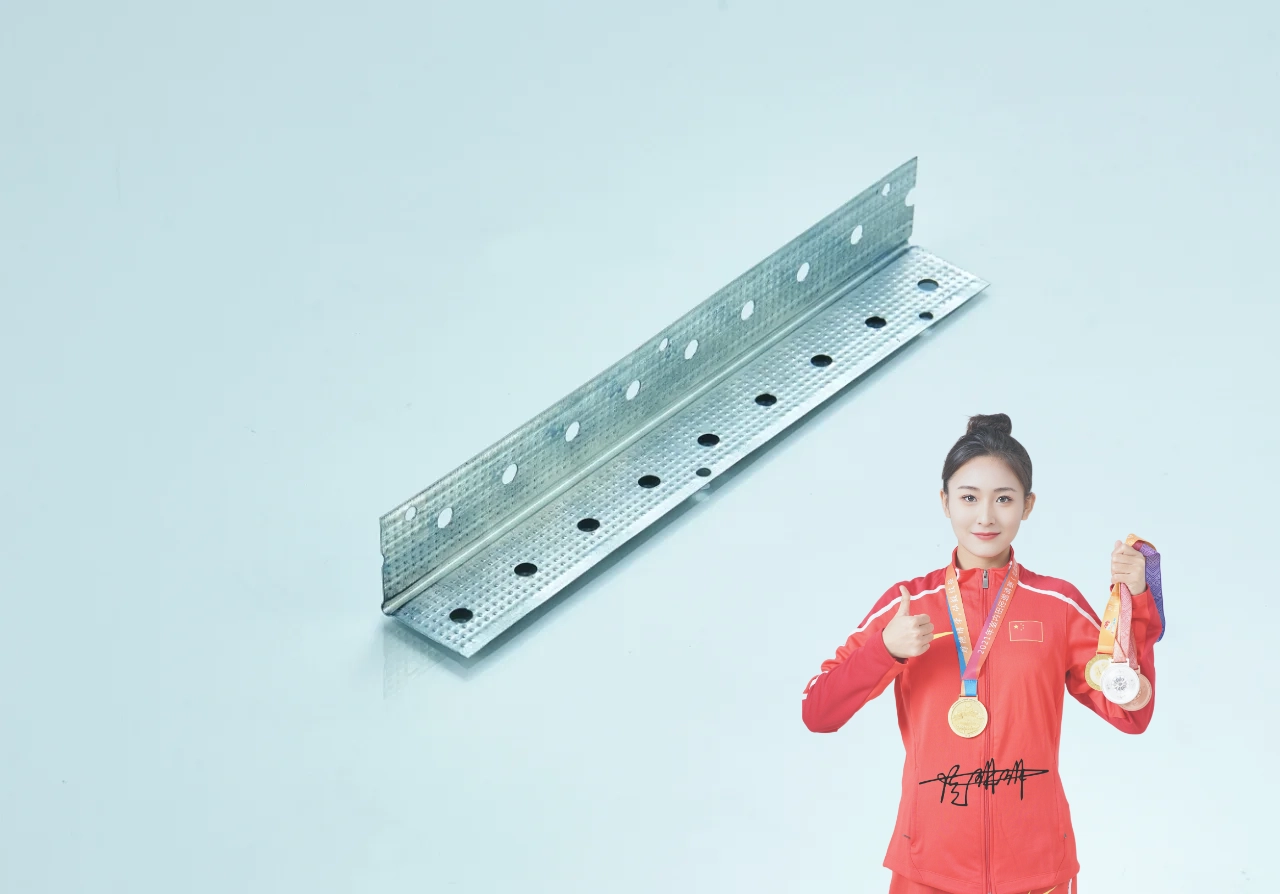
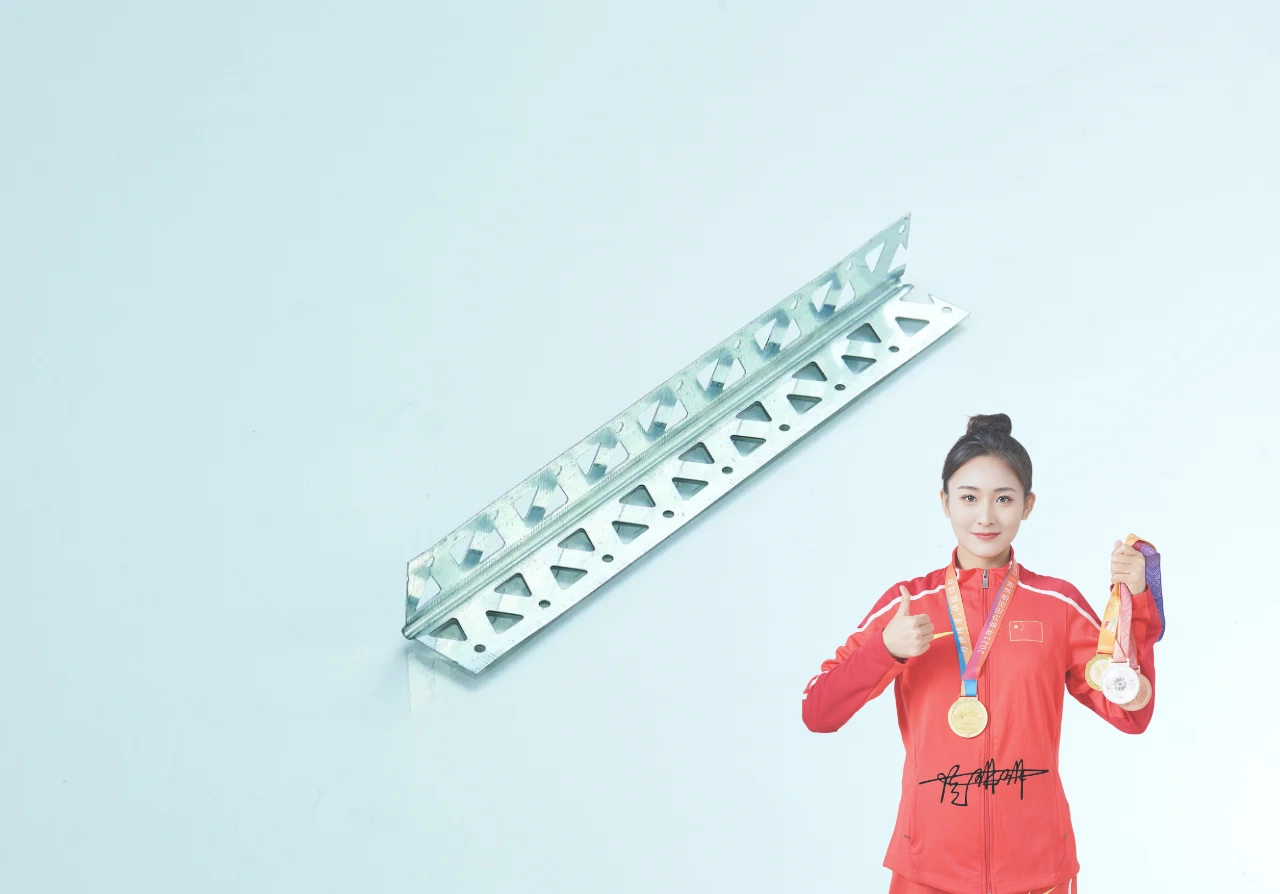
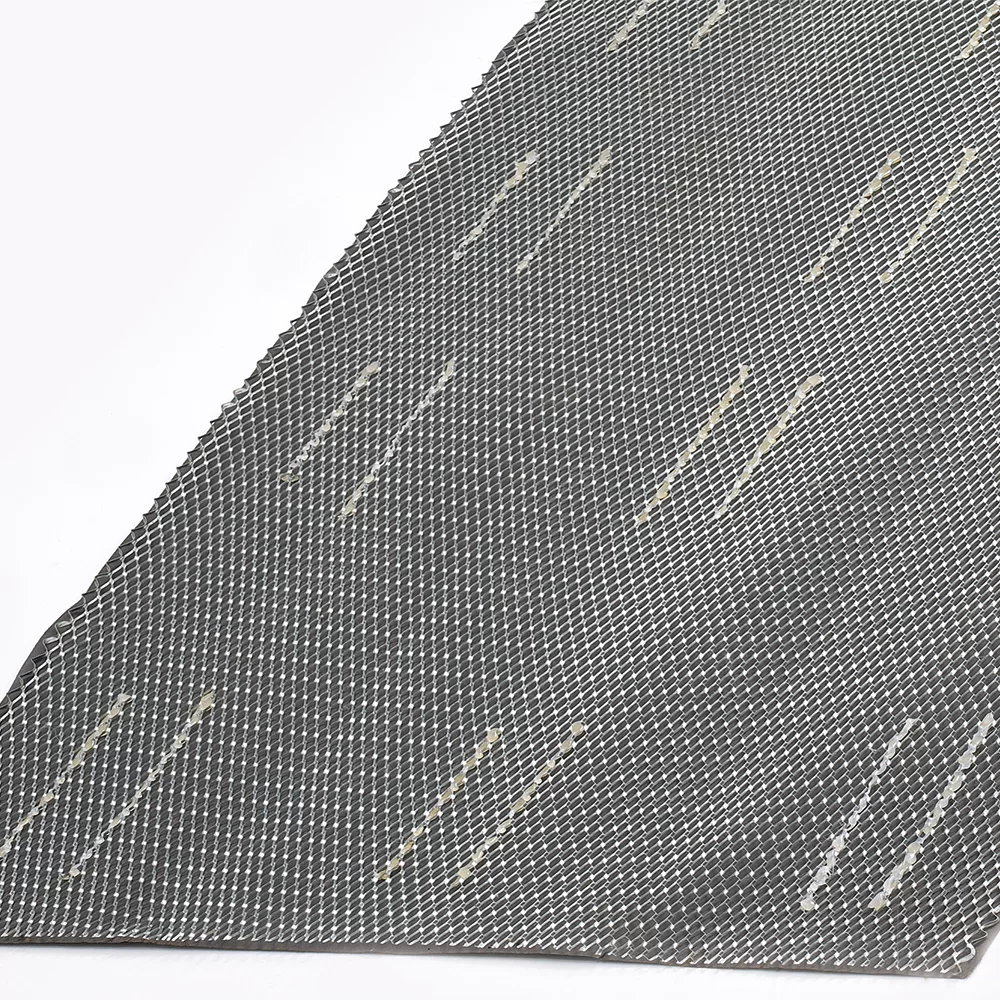
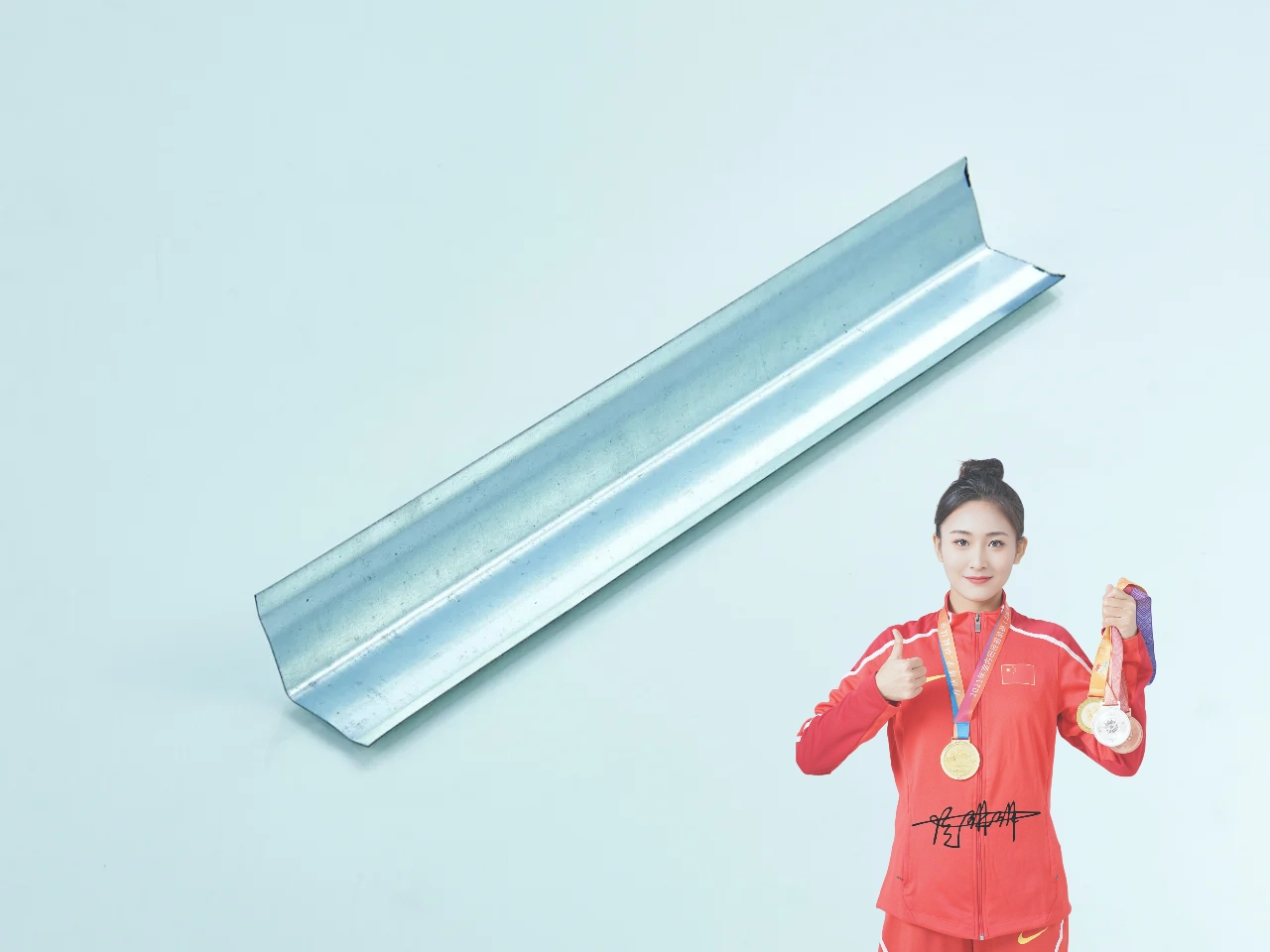
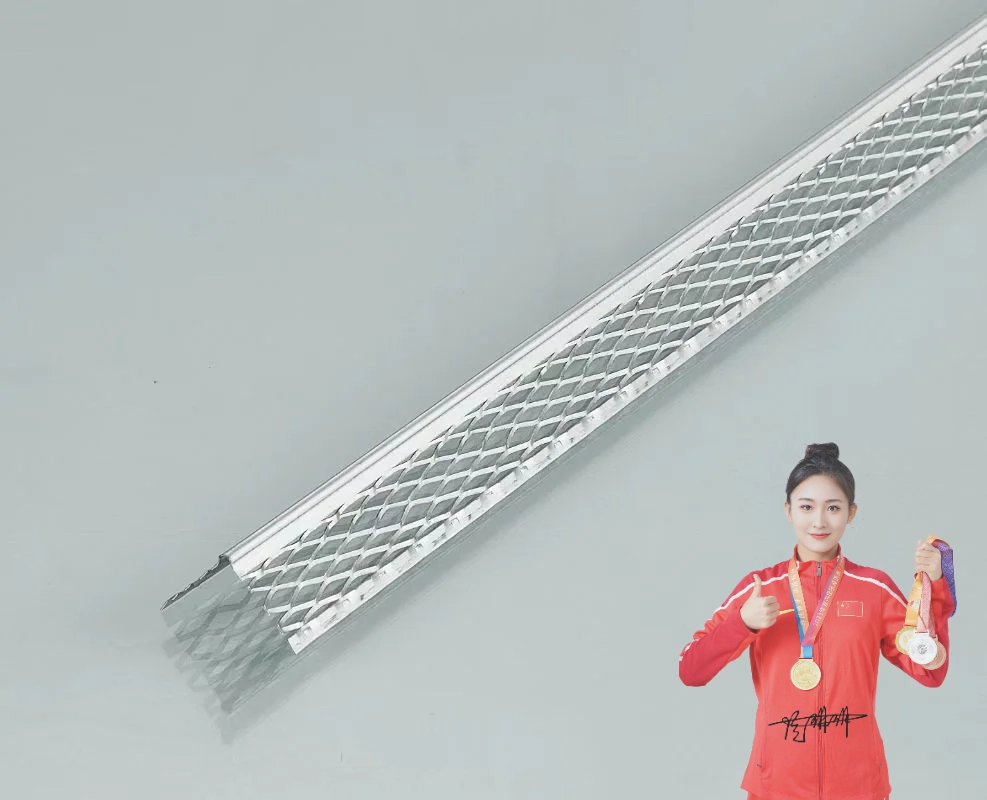
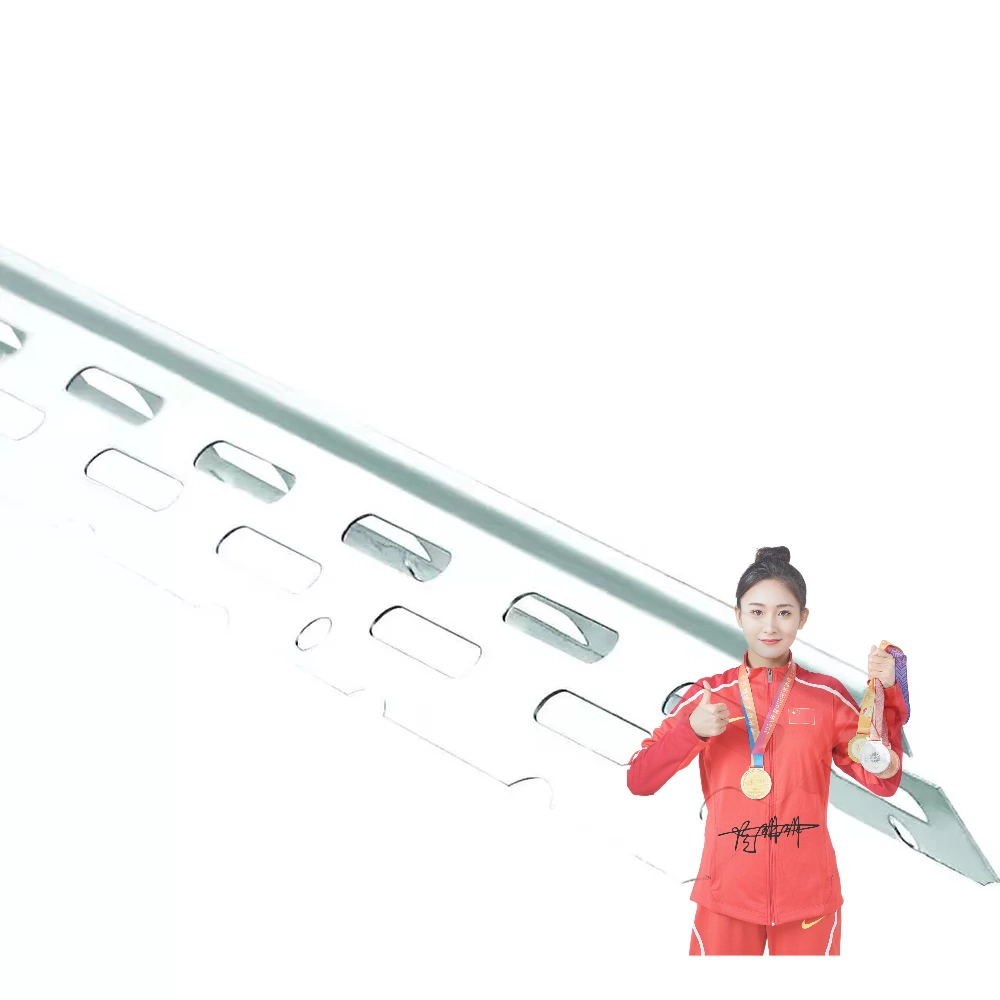
Brick mesh, also known as masonry reinforcement mesh, is a crucial component in contemporary bricklaying and masonry construction. While bricks alone provide compressive strength, they are inherently weak against tensile forces, movement, and cracking. Brick mesh addresses these vulnerabilities by integrating reinforcement directly into the mortar joints, significantly enhancing the durability, stability, and longevity of brick structures.
Structural Reinforcement in Load-Bearing and Non-Load-Bearing Walls
One of the most fundamental applications of brick mesh is in reinforcing both load-bearing and non-load-bearing brick walls. Traditional brickwork relies on mortar to hold individual units together, but mortar alone cannot withstand significant tension or lateral forces. Over time, factors such as ground settlement, thermal expansion, and seismic activity can cause cracks to form, compromising structural integrity.
Brick mesh acts as an internal reinforcement system, distributing stress more evenly across the wall. When embedded within the mortar joints, the steel or composite mesh prevents cracks from spreading and helps maintain the wall’s cohesion under load. This is particularly important in multi-story buildings, where lower-level walls must support the weight of upper floors. By reinforcing these walls with brick mesh, builders ensure that the structure remains stable even under prolonged stress.
Crack Prevention and Movement Control
All buildings experience some degree of movement due to temperature fluctuations, moisture changes, and foundation settling. In masonry construction, this movement often leads to unsightly and potentially damaging cracks. Brick mesh plays a key role in controlling and minimizing these cracks by providing a flexible yet strong framework within the mortar.
Unlike unreinforced brickwork, where cracks can propagate freely, a mesh-reinforced wall distributes stress across a wider area. This means that minor movements do not result in large, visible cracks but are instead absorbed by the reinforcement. This is especially beneficial in long walls or large facades, where expansion joints alone may not be sufficient to prevent cracking.
Seismic and Wind Resistance
In earthquake-prone regions, brick buildings are particularly vulnerable to collapse due to their brittle nature. Brick mesh significantly improves a structure’s ability to withstand seismic forces by adding ductility—allowing the wall to flex slightly rather than shatter under stress.
Similarly, in areas prone to high winds or hurricanes, brick mesh helps prevent wall failure by reinforcing the masonry against lateral pressures. When used in cavity wall construction, the mesh ties the inner and outer brick layers together, ensuring they act as a single cohesive unit rather than separate panels that could buckle under wind loads.
Enhancing Bond Strength in Cavity Walls
Cavity walls—consisting of two parallel brick layers with an air gap in between—are common in modern construction due to their thermal and moisture-resistant properties. However, without proper reinforcement, the two layers can shift independently, leading to instability.
Brick mesh is often installed horizontally between the wythes (layers) of a cavity wall, serving as a tie system that binds them together. This not only improves structural integrity but also ensures that the wall behaves as a unified system under load. Additionally, the mesh helps maintain the cavity’s consistent width, preventing mortar droppings from bridging the gap and compromising insulation.
Applications in Restoration and Historic Preservation
Brick mesh is not only used in new construction but also plays a vital role in the restoration of historic brick structures. Older buildings often suffer from deteriorated mortar, weakened brickwork, and structural movement. When repairing or reinforcing these structures, brick mesh can be embedded into new mortar beds to stabilize the masonry without altering its historic appearance.
In cases where partial rebuilding is necessary, brick mesh ensures that the new sections bond securely with the existing structure, preventing differential movement and future cracking. This makes it an invaluable tool for preservation architects and contractors working on heritage projects.
Fire Resistance and Safety Compliance
Brick masonry is naturally fire-resistant, but reinforcement materials must also meet stringent fire safety standards. Brick mesh, typically made from galvanized or stainless steel, does not combust or weaken under high temperatures, making it ideal for fire-rated walls and partitions.
In commercial and industrial buildings, where fire compartmentalization is critical, brick mesh-reinforced walls provide an additional layer of safety by maintaining structural stability even in extreme heat. Unlike plastic or fiber-based reinforcements, steel mesh will not melt or lose strength in a fire, ensuring that the wall remains intact for longer.
Cost Efficiency and Long-Term Durability
While the initial cost of brick mesh may be higher than unreinforced construction, its long-term benefits far outweigh the investment. By preventing cracks, reducing maintenance needs, and extending the lifespan of brick structures, brick mesh ultimately lowers repair costs over time.
Additionally, insurance companies and building codes in disaster-prone regions often favor reinforced masonry due to its proven resilience. This can lead to lower insurance premiums and easier compliance with modern construction regulations.
Brick mesh is an indispensable element in modern masonry, offering solutions to some of the most common challenges in brick construction. Whether used for structural reinforcement, crack prevention, seismic resistance, or historic restoration, its ability to enhance durability and performance makes it a preferred choice for builders and engineers worldwide.
As construction techniques continue to evolve, brick mesh remains a reliable and adaptable solution, ensuring that brick structures—whether residential, commercial, or historic—stand the test of time. By integrating this reinforcement into masonry projects, professionals can achieve stronger, safer, and longer-lasting buildings that meet the demands of contemporary architecture and engineering standards.