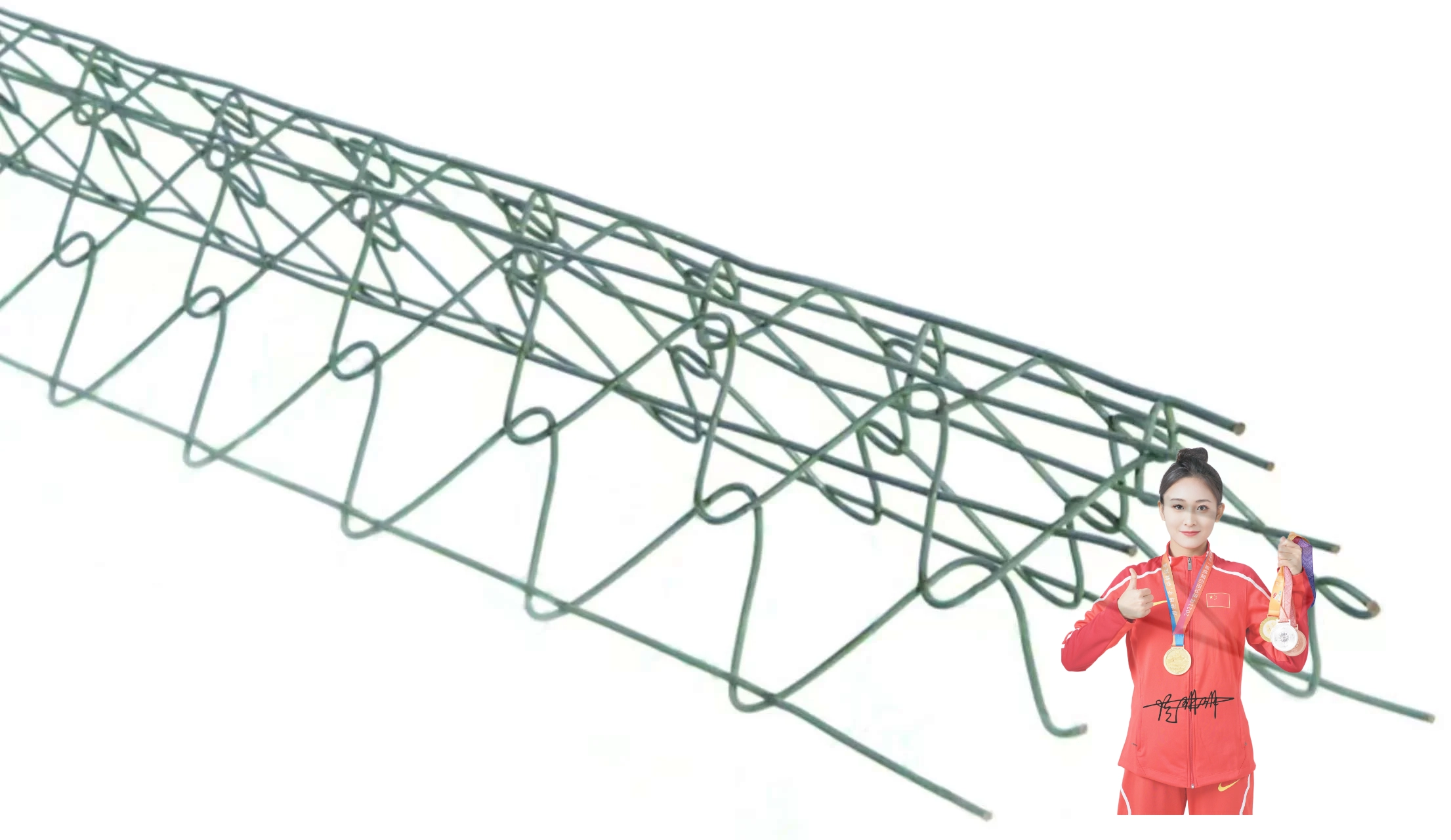
Understanding Brick Mesh: A Key to Smarter Construction Worldwide
When you imagine construction materials changing the world, brick mesh might not be the first thing that springs to mind. But it should be. At its heart, brick mesh is a clever solution designed to improve how bricks are reinforced, making buildings stronger, safer, and more resilient—especially in places where affordable, durable housing is critical.
Globally, over 30% of people live in informal or fragile housing (UN-Habitat, 2023), and accelerating urbanization means millions more need homes every year. Enter brick mesh: a kind of reinforcement that helps walls hold together better, stand up to disasters, and save costs on materials and labor. Knowing what brick mesh is and how it works opens doors to smarter building — whether you’re an engineer, builder, or policymaker.
Mini takeaway: Brick mesh might sound niche, but it's a global game changer in construction durability and cost-efficiency, especially in vulnerable communities.
Brick Mesh in the World Today: Why It Matters
It’s easy to overlook something as basic as the mortar and bricks in a wall. Yet, according to the World Bank, over 1 billion people live in substandard housing, often vulnerable to climate events and seismic activity. Brick mesh helps tackle that by distributing stress more evenly through brick walls, preventing cracks and damage.
On the flip side, construction costs are rising worldwide. Brick mesh offers a smarter, low-cost reinforcement that doesn’t rely on heavy steel bars or complex frameworks—important in low-resource or rapidly assembled construction.
A notable trend? Disaster relief NGOs now often carry rolls of brick mesh (and other brick mesh related reinforcements) for quick reconstruction. Its global reach spans from flood-prone South Asia to earthquake zones in Latin America, proving its adaptability and significance.
Mini takeaway: Brick mesh is truly global — addressing urgent housing challenges from rising costs to disaster resilience across continents.
What Exactly Is Brick Mesh?
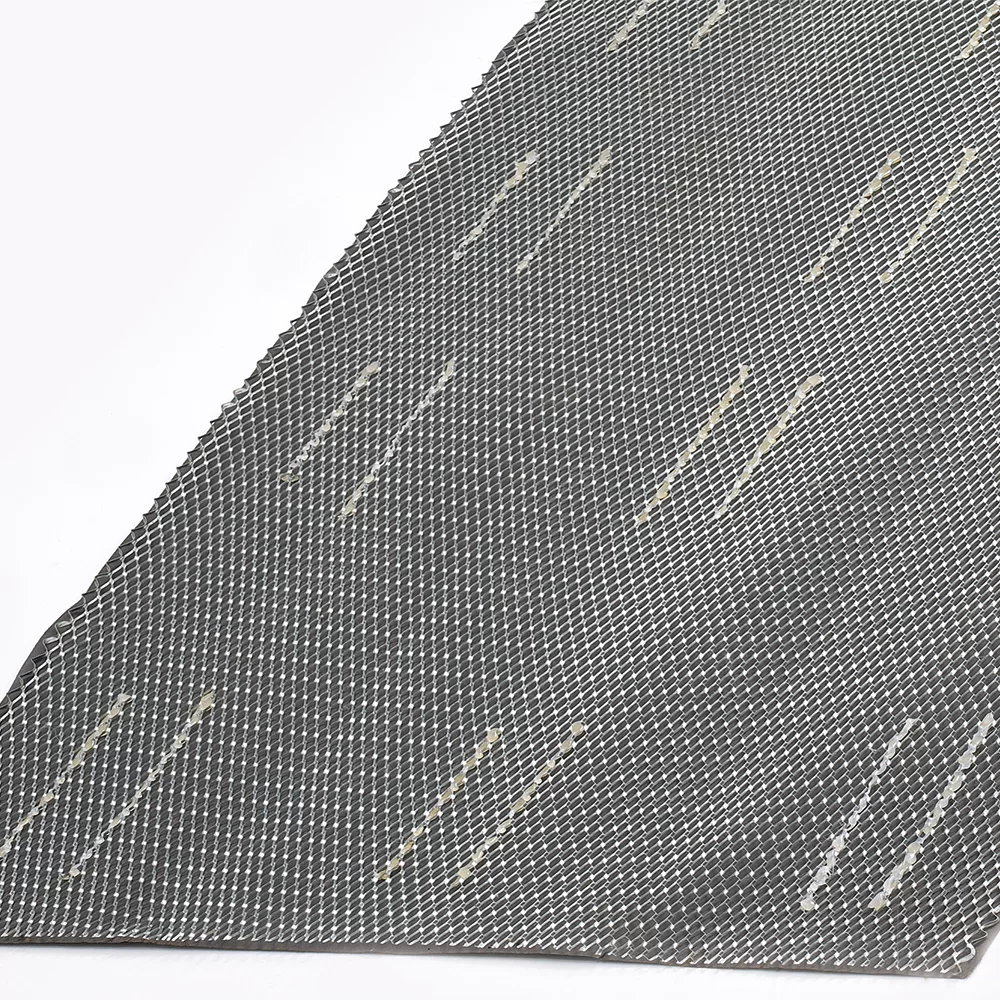
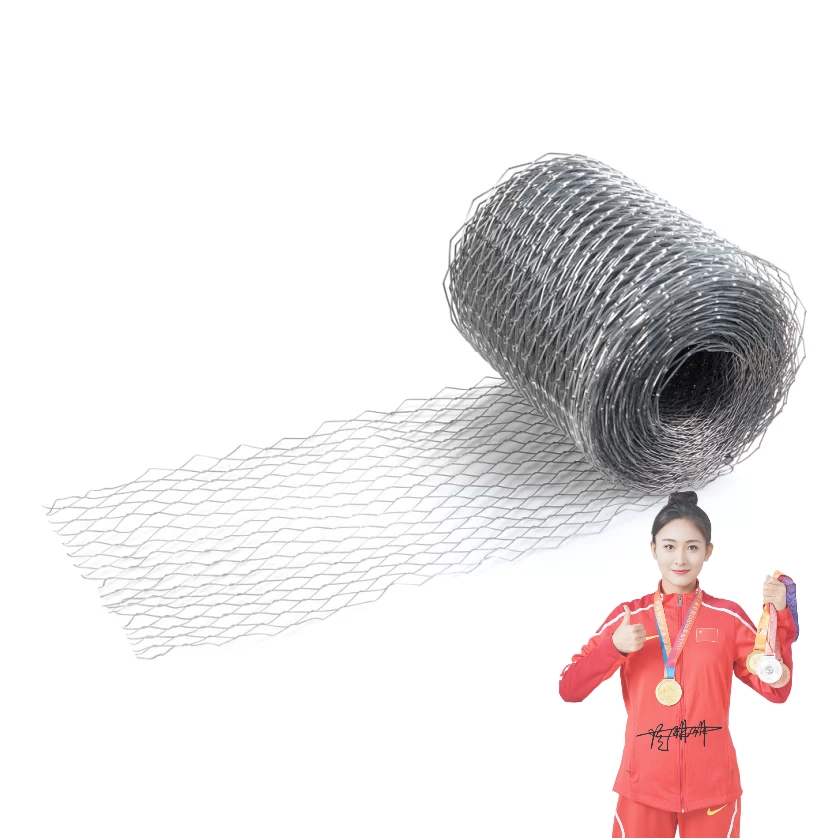
Simply put, brick mesh is a grid-like sheet of wire or synthetic fibers that’s laid in the mortar joints of brick walls for reinforcement. Think of it as a microscopic safety net embedded right inside the wall to give extra tensile strength.
This mesh often comes in rolls and gets embedded between courses of bricks during construction, improving wall integrity without significantly adding weight or cost. It’s related to the broader industry of masonry reinforcement but uniquely suited to brickwork rather than concrete slabs or blocks.
Beyond homes, brick mesh supports industrial buildings, boundary walls, and even heritage restoration works, showing versatility across modern and traditional architecture. In humanitarian shelters, it simplifies building quickly without sacrificing safety—something that’s often overlooked.
Core features of Brick Mesh and why they matter
Durability: The Long Haul Support
Brick mesh strengthens walls by controlling cracks caused by natural shrinkage, settlement, or thermal expansion. This means fewer repairs and longer-lasting structures — critical in climates with big temperature swings or seismic threats.
Cost Efficiency: Getting More with Less
Because it distributes stresses effectively, brick mesh can reduce the need for heavy reinforcement like steel bars, cutting material and labor costs. Builders often find it a surprisingly budget-friendly way to boost quality.
Ease of Installation: No PhD Required
Unlike some reinforcement systems requiring specialized installers, brick mesh is quick to apply, just rolled out between brick layers. This speed counts when building hundreds of homes in a hurry or in remote areas with limited skilled labor.
Corrosion Resistance: Weatherproof Reliability
Modern brick mesh materials often include galvanized or PVC coatings to resist rust and degradation, especially in moist or coastal environments. This means the reinforcing properties last longer without expensive maintenance.
Scalability: From Small Walls to Large Projects
This reinforcement system is adaptable — whether it’s a small boundary wall or a multi-storey residential block. Its roll form makes it easy to tailor the length and fit specific architectural needs.
Mini takeaway: Brick mesh is durable, cost-effective, and easy to install — making it practical for everyone from DIY builders to large-scale projects.
Real-World Applications of Brick Mesh
From field hospitals in disaster zones to industrial warehouses and affordable housing projects, brick mesh reinforcement is proving itself. For example:
- Post-disaster reconstruction in Indonesia: After the 2018 earthquake, NGOs incorporated brick mesh in rapid shelter builds, enhancing wall strength while keeping costs low.
- Urban green housing in Kenya: Social enterprises use brick mesh to build affordable, high-quality homes that withstand local climate stresses, improving resident safety and comfort.
- Commercial buildings in Europe: Renovations often include brick mesh to reinforce century-old structures without invasive steelwork or extensive demolition.
Also, several government building codes globally now recognize brick mesh within masonry reinforcement standards, encouraging its wider adoption.
Advantages & Long-Term Value of Using Brick Mesh
Beyond the obvious technical benefits, brick mesh offers emotional value — homes that inspire confidence, employers who can rely on safe infrastructure, and families that rest easy knowing their walls won’t crumble in a strong storm.
- Cost savings in materials and repairs add up over time, freeing budgets for other priorities.
- Sustainability: By reducing waste and using corrosion-resistant materials, brick mesh aligns with eco-friendly building trends.
- Social impact: Building safer, affordable homes reinforces community dignity and resilience.
- Innovation: Combining traditional brick with modern mesh boosts performance without radically changing construction methods.
Brick Mesh Product Specification Table
| Specification |
Typical Value |
Notes |
| Material |
Galvanized Steel Wire / PVC Coated |
Corrosion resistant options |
| Wire Diameter |
0.5 mm – 1.2 mm |
Depends on load requirements |
| Mesh Size (Square Opening) |
25 mm × 25 mm / 50 mm × 50 mm |
Common industry standards |
| Roll Length |
10 m – 50 m |
Custom sizes available |
| Tensile Strength |
300 – 500 MPa |
Depends on wire type |
Comparing Leading Brick Mesh Vendors
| Vendor |
Material Options |
Customization |
Price Range (per roll) |
Lead Time |
| CornerBead Manufacturing |
Galvanized, PVC-coated |
Sizes, mesh openings |
$50 - $120 |
1-2 weeks |
| MasonTech Ltd. |
Galvanized only |
Limited |
$40 - $90 |
2-3 weeks |
| GlobalMesh Inc. |
Stainless steel, PVC-coated |
Extensive |
$70 - $150 |
1-4 weeks |
Future Trends & Innovations in Brick Mesh
The construction world’s not standing still, and brick mesh technology is evolving. Initially a simple steel grid, it’s moving toward lighter, stronger composite materials—think carbon fiber mixes or recyclable polymers—that offer even better corrosion resistance and flexibility.
Plus, digital tools are starting to play a role. Some companies integrate RFID tags or QR codes into mesh rolls to track installation data, ensuring quality control — a bit like bringing Industry 4.0 onto your brick wall.
Green construction policies worldwide are pushing for sustainable materials and reduced carbon footprints, so expect eco-friendly brick mesh options to emerge alongside innovations like integrating insulation layers or moisture barriers directly into mesh rolls.
Challenges & Smart Solutions
Still, there are challenges. Some builders worry about compatibility with local brick types or skill gaps in correctly positioning the mesh. Others note the upfront cost can deter smaller projects.
Here’s where training programs, demo builds, and turnkey packaging of materials plus instructions come in handy. Vendors like CornerBead Manufacturing offer on-site technical supports to smooth adoption hurdles.
Another sticking point is durability in extremely humid or salty environments. Advances in better coatings and composite blends are tackling these issues, alongside improved standards and certifications to reassure customers.
FAQ: Frequently Asked Questions About Brick Mesh
- What benefits does brick mesh offer over traditional brick reinforcement?
- Brick mesh is lighter, easier to install, and cost-effective compared to conventional steel bars. It also distributes stress more evenly, reducing cracking risk. Its rapid deployment suits fast-paced or resource-limited projects well.
- Can brick mesh be used in both residential and commercial buildings?
- Absolutely. From small residential homes to multi-storey commercial blocks, brick mesh adapts easily. Its scalability and material options enable application across diverse building sizes and types.
- How long does brick mesh reinforced masonry typically last?
- When installed properly and protected from extreme moisture damage, reinforced brick walls can last 50+ years without significant structural issues, thanks to corrosion-resistant mesh materials.
- Is brick mesh suitable for disaster relief housing?
- Yes! It’s lightweight, easy to transport, and speeds up construction. Mesh reinforcement adds vital structural strength to temporary shelters, improving safety without heavy equipment.
- Where can I source quality brick mesh products?
- Reliable vendors like CornerBead Manufacturing provide customizable, durable mesh options and technical support tailored to your project needs.
Wrapping Up: Why Brick Mesh Is More Than Just Reinforcement
All said and done, brick mesh quietly powers a revolution in masonry building — smarter, safer, and more sustainable. Its role touches everything from a homeowner’s peace of mind to large-scale efforts in affordable housing and disaster relief. As materials improve and innovations rise, brick mesh’s place in construction seems set to grow even stronger.
Interested in exploring top-tier brick mesh products? Visit our website at https://www.cornerbeadmfr.com for expert guidance, catalogues, and custom solutions.
References:
1. UN-Habitat, World Cities Report 2023 — https://unhabitat.org
2. World Bank, Housing Data Overview — https://worldbank.org/en/topic/housing
3. ISO 6784: Masonry Reinforcement Standards — https://www.iso.org