Understanding Brick Mesh Wall: A Modern Construction Marvel
Brick mesh wall systems are quietly shaping how we think about durable, cost-effective construction worldwide. If you’ve ever wondered why construction projects increasingly opt for brick mesh walls rather than traditional bricklaying, you’re in the right place. The term itself — brick mesh wall — might sound a little technical, but it’s a fundamental advance addressing key global needs, from affordable housing to sustainable infrastructure, particularly in developing regions.
Globally, the demand for resilient, fast-to-assemble, and eco-friendly building materials grows exponentially. The UN’s Habitat Report highlights billions still living in inadequate housing conditions, underscoring why brick mesh walls have surged in importance. These walls offer a modular solution that's scalable, energy-efficient, and frankly — quite ingenious.
Introduction: The Global Context of Brick Mesh Walls
Urbanization rates are climbing rapidly; by 2050, the UN predicts nearly 7 out of 10 people will live in cities. This shift strains traditional construction methods that are slow, labor-intensive, and often wasteful. Meanwhile, post-disaster zones, remote industrial areas, and humanitarian aid projects demand structures that balance speed, safety, and sustainability.
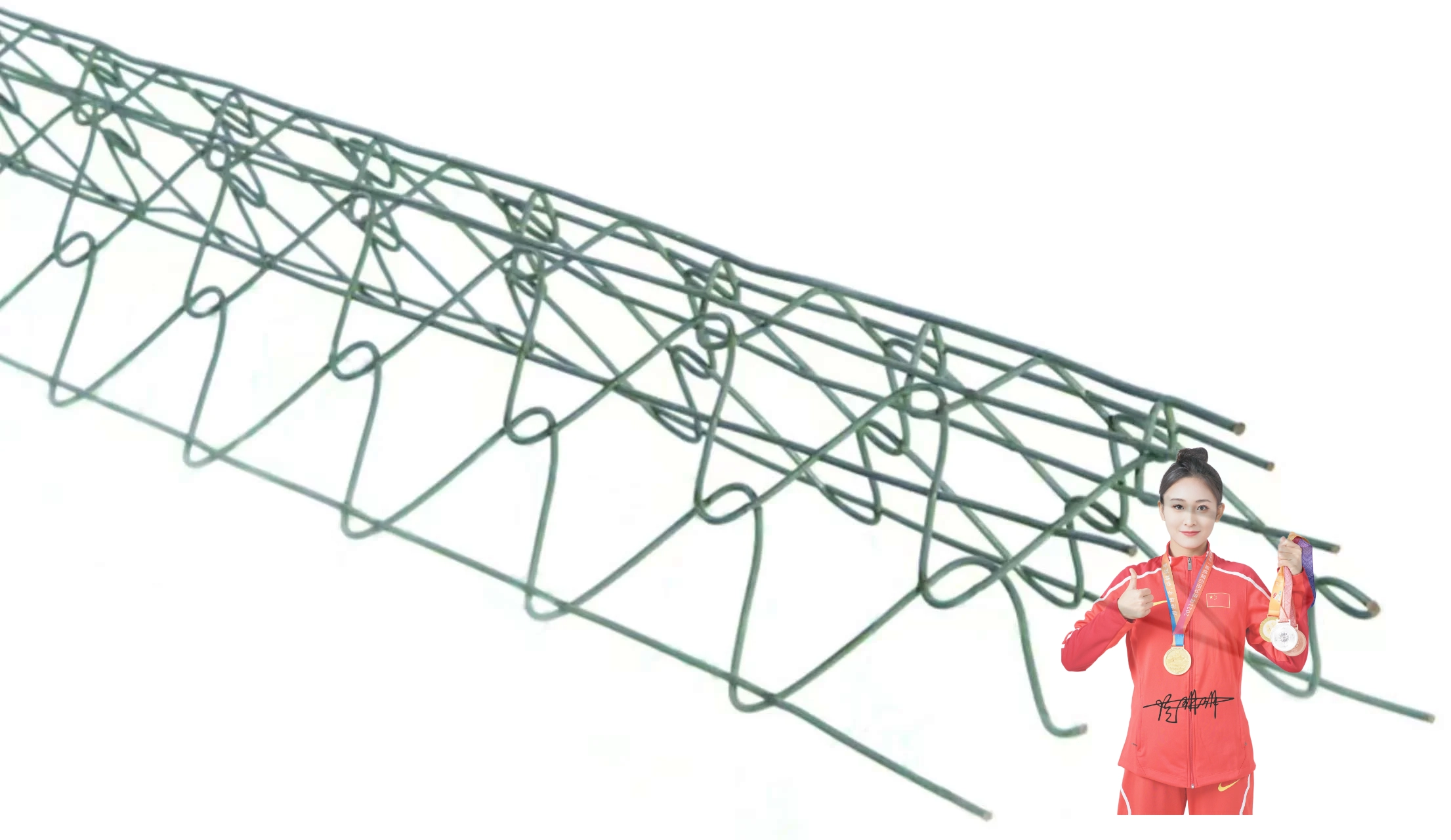
Here’s where the brick mesh wall concept steps in, providing a hybrid approach that blends classic masonry’s durability with modern prefabrication’s efficiency. By integrating bricks with galvanized steel mesh or reinforcing fibers, these walls dramatically strengthen buildings while reducing material waste and labor time. This synergy tackles critical challenges — and it’s why so many engineering teams and NGOs pay close attention nowadays.
What Exactly Is a Brick Mesh Wall?
Simply put, a brick mesh wall is a reinforced wall system where traditional bricks are interlaced or overlaid with mesh — often steel or synthetic — to create a stronger, more flexible structural element. Unlike conventional brick-and-mortar walls, where bricks are laid one by one, the mesh holds them together in panels or sheets, enabling faster installation while preserving the brick’s aesthetic and thermal qualities.
This technology isn’t just a trendy construction fad; it aligns with modern industry trends focused on modular building and resource efficiency. From refugee shelters in crisis zones to commercial warehouses, brick mesh walls balance functionality with ease.
Key Components That Define Brick Mesh Walls
Durability & Structural Integrity
By combining bricks and mesh, these walls resist cracking and deformation better than typical brickwork. The mesh acts like a skeleton, absorbing stresses and reducing the chance of collapse in extreme conditions.
Cost Efficiency
Labor savings stand out here. Because bricks are pre-arranged with mesh, construction time drops significantly — fewer workers are needed, and onsite errors diminish.
Thermal & Acoustic Performance
The inherent mass of the bricks offers insulation, while the mesh reinforcement adds stability without compromising thermal resistance. This feature proves valuable in climates requiring energy-efficient designs.
Scalability & Customizability
Panels of brick mesh walls can be prefabricated in factories to specific sizes, making them highly adaptable across projects — whether a small rural school or an extensive urban complex.
Sustainability
Less waste and longer longevity translate to an overall greener footprint. Some systems incorporate recycled steel or eco-friendly bricks to enhance this benefit.
Product Specifications at a Glance
| Feature |
Typical Value |
Remarks |
| Brick Type |
Clay or Concrete |
Standard sizes apply |
| Mesh Material |
Galvanized Steel or Fiberglass |
Corrosion-resistant |
| Panel Dimensions |
2m x 1m (typical) |
Custom sizes available |
| Weight |
50-70 kg per panel |
Depends on brick type |
| Installation Time |
1-2 hours per panel |
Far quicker than single-brick laying |
Mini takeaway: The brick mesh wall system blends traditional materials with modern fabrication to accelerate builds without compromising longevity or environmental goals.
Global Applications and Real-World Use Cases
The practical deployment of brick mesh walls spans continents. For example:
- Disaster Relief: In the aftermath of earthquakes in Nepal, many aid organizations have adopted brick mesh walls for quick but lasting reconstruction, offering displaced families sturdy shelter rapidly.
- Remote Industrial Projects: Mining camps in Australia utilize these walls for prefabricated structures that withstand harsh environmental stressors yet can be assembled onsite quickly.
- Affordable Urban Housing: In parts of Southeast Asia, governments promote brick mesh wall panels to speed up the building of large-scale housing developments while preserving cultural aesthetics with brick finishes.
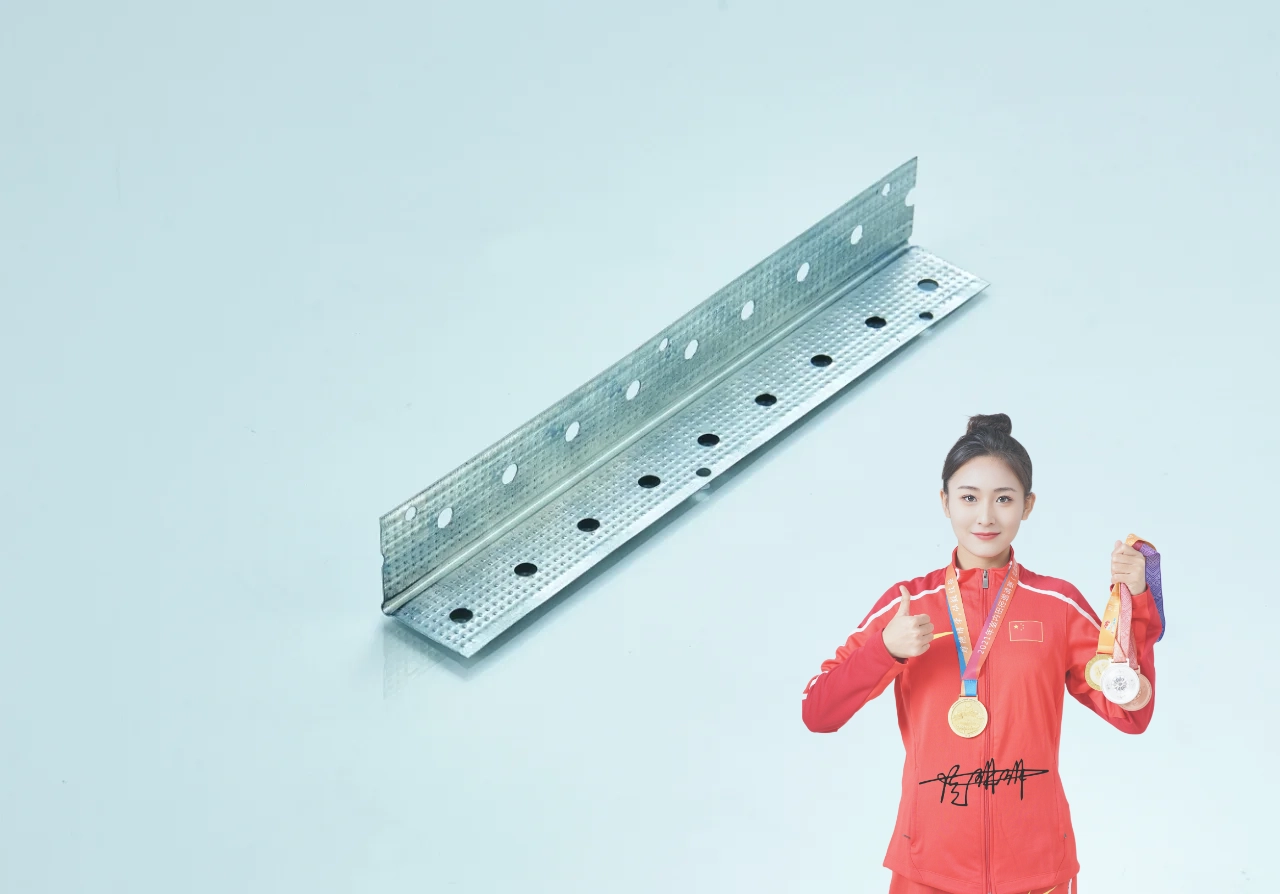
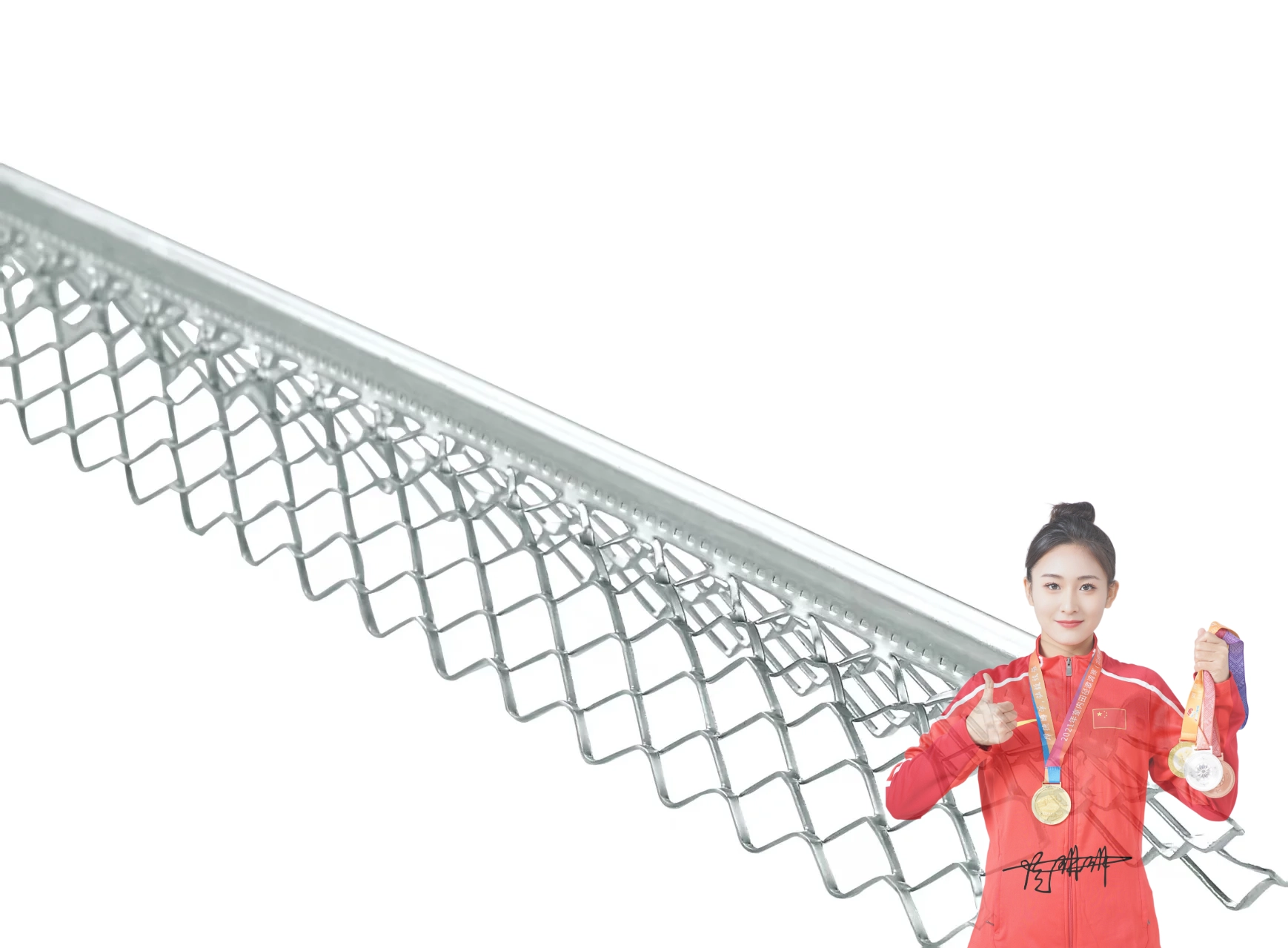
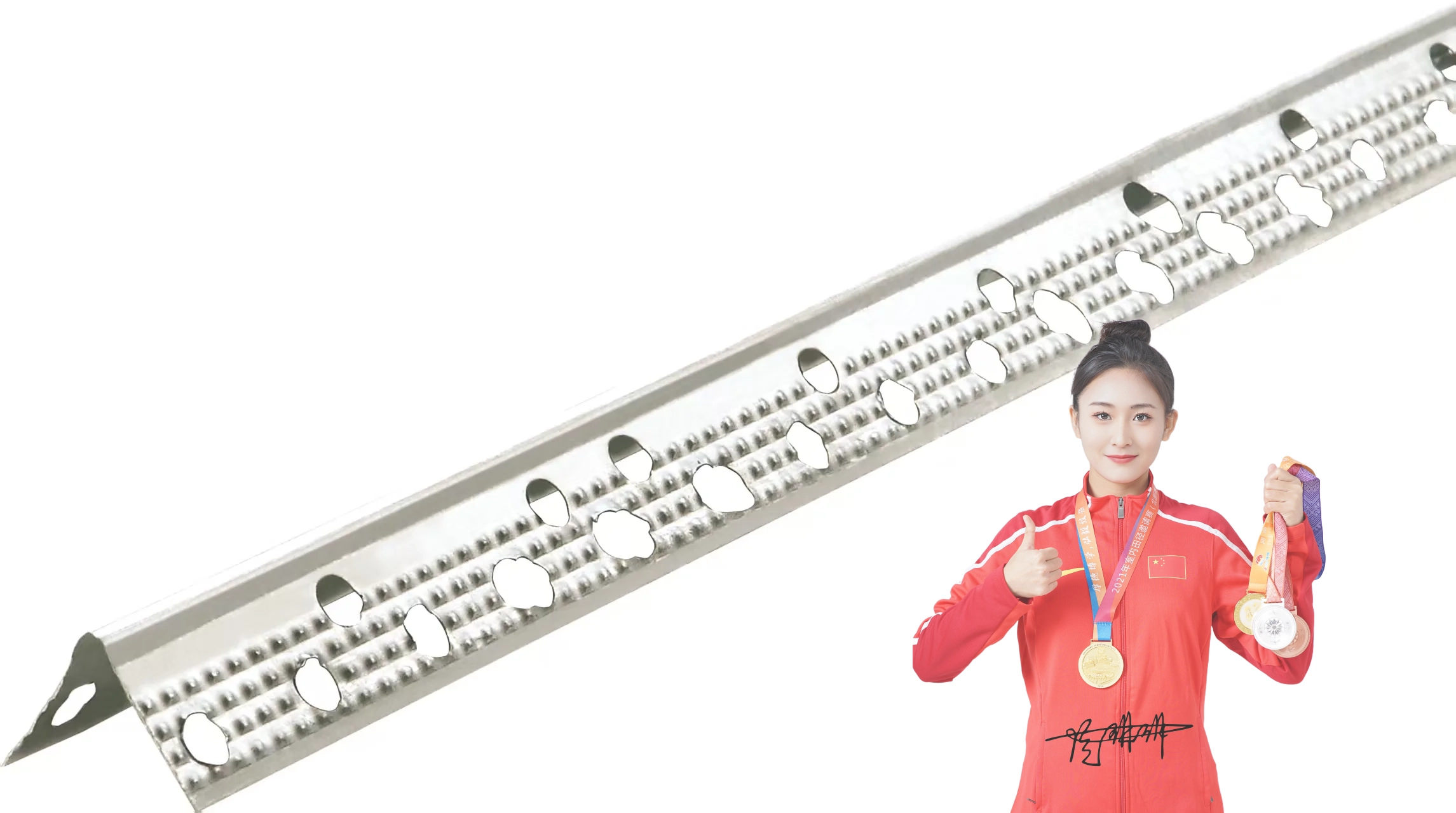
And for those curious, many contractors source components or customization services at reputable suppliers, like corner bead manufacturers specializing in brick mesh wall solutions.
Comparing Leading Brick Mesh Wall Vendors
| Vendor |
Mesh Material |
Customization |
Typical Lead Time |
Price Level |
| BrickMeshPro |
Galvanized Steel |
High (Panels & Sizes) |
2-3 weeks |
$$ |
| EcoWall Systems |
Fiberglass Mesh |
Medium (Standard Sizes) |
1-2 weeks |
$ |
| Durabrix Panels |
Stainless Steel |
Low (Prefabs Only) |
3-4 weeks |
$$$ |
Advantages & Long-Term Value of Brick Mesh Walls
Tangibly, the benefits speak for themselves: speedier assembly, better seismic resistance, lower long-term maintenance costs, and reduced resource consumption. But beyond the numbers lies something more subtle — the emotional assurance of safety, the dignity people regain when their homes hold firm through storms and tremors.
Innovation in this field also means communities receive infrastructure quicker, with less wastefulness, and with greater environmental sensitivity. The brick mesh wall isn’t just a construction innovation; it’s a step toward more equitable living conditions globally.
Future Trends & Innovations
Looking ahead, brick mesh walls are getting a digital makeover: contractors use 3D modeling and BIM (Building Information Modeling) to tailor panels precisely to blueprints, reducing onsite guesswork. There’s rising interest in integrating recycled materials, and some experimental projects incorporate insulation or solar reflective coatings embedded directly into the mesh or brick.
Automation plays a growing role too — robotic brick-laying coupled with mesh application robots can streamline panel fabrication, potentially bringing costs down further while expanding accessibility. Oddly enough, as the world focuses on “green” building, brick mesh walls are quietly squarely in that conversation.
Challenges & Solutions
Of course, no system is without its hurdles. Some critics raise concerns about compatibility with traditional designs or potential corrosion if cheap mesh materials are used. Logistics for prefabricated panels can also be complicated in remote areas.
But experts recommend rigorous material testing, proper mesh galvanization or fiberglass options to combat rust, and establishing local assembly hubs. These moves help overcome challenges and unlock brick mesh’s full potential.
FAQ: Frequently Asked Questions About Brick Mesh Wall
- Q: How do brick mesh walls compare to traditional masonry in terms of strength?
A: Brick mesh walls often provide enhanced tensile strength thanks to the embedded mesh, improving resilience to cracks and seismic activities compared to conventional brick-only walls.
- Q: Can brick mesh walls be customized for different climates?
A: Yes, panels can incorporate insulation layers or have specific mesh and brick types chosen to suit local environmental conditions, improving thermal performance.
- Q: What is the typical lifespan of a brick mesh wall?
A: With quality materials and proper maintenance, these walls can last 50+ years, similar to traditional brick construction but with added durability against certain stresses.
- Q: Are brick mesh walls suitable for load-bearing applications?
A: Absolutely. When engineered correctly, brick mesh walls serve as both exterior and structural elements, especially in low- to mid-rise buildings.
- Q: How can international buyers source brick mesh wall panels?
A: Many vendors offer export services and can guide clients through import procedures. Partnering with local distributors often eases logistical concerns.
Conclusion: Why Brick Mesh Wall Matters in the Long Run
Frankly, brick mesh wall technology stands at an intersection of tradition and innovation. It respects the timeless qualities of brick while embracing modern materials science and prefabrication. This balance makes it invaluable for today's construction challenges — whether in sprawling metropolises or humanitarian fronts.
If you want to explore tailored brick mesh wall solutions or find trusted suppliers, I highly suggest checking out our site. It’s a solid starting point for diving deeper into this exciting construction frontier.
Mini takeaway: As urban and environmental demands grow, brick mesh walls offer a smart, durable, and scalable way to build safer, greener, and more affordable homes and facilities worldwide.
References:
1. United Nations – The World’s Cities in 2018, UN DESA
2. ISO 22196:2011 – Measurement of antibacterial activity on plastics and other non-porous surfaces
3. Wikipedia – Building Construction Technology