Why Brick Reinforcement Mesh Matters Globally
Brick reinforcement mesh might sound like just another construction material, but it’s so much more than that. As urbanization races ahead and the demand for sturdy, affordable, and sustainable building methods grows, understanding brick reinforcement mesh becomes pivotal. This mesh enhances the structural integrity of brick walls, preventing cracks and failures, which matters not only in high-rise cities but also in humanitarian contexts, where building safe shelters fast is non-negotiable. Globally, we’re looking at millions of homes and commercial buildings relying on these discreet, resilient grids to stand the test of time—and nature.
The brick reinforcement mesh serves as the spine for masonry, lifting both quality and safety standards worldwide. With natural disasters and changing weather patterns, the stakes are higher than ever for construction that can resist stress without blowing the budget.
The Worldwide Context: How Reinforced Brick Construction Connects Us All
Did you know that, according to the UN Habitat report, over 1 billion people worldwide live in inadequate housing? Many of these homes rely on traditional bricks and mortar—materials prone to cracking, especially in seismic zones or areas with fluctuating temperatures. Here’s where the brick reinforcement mesh steps in to bridge that vulnerability.
In developing regions, using reinforcement meshes effectively reduces repair frequency and maintenance costs, thus preserving local economies and livelihoods. The World Bank has pushed for improved building codes that prioritize mesh-reinforced masonry to curb damage during earthquakes. So the mesh isn’t just steel or plastic grid—it’s a key player in resilience and economic stability.
Global Numbers Spotlights Why This Matters
- The International Organization for Standardization (ISO) noted that reinforced brick walls boosted load-bearing capacity by up to 40% in tested projects.
- In Southeast Asia and Latin America, mesh-reinforced brickwork reduced construction costs by roughly 10–15% through improved material efficiency and reduced rework.
What Is Brick Reinforcement Mesh?
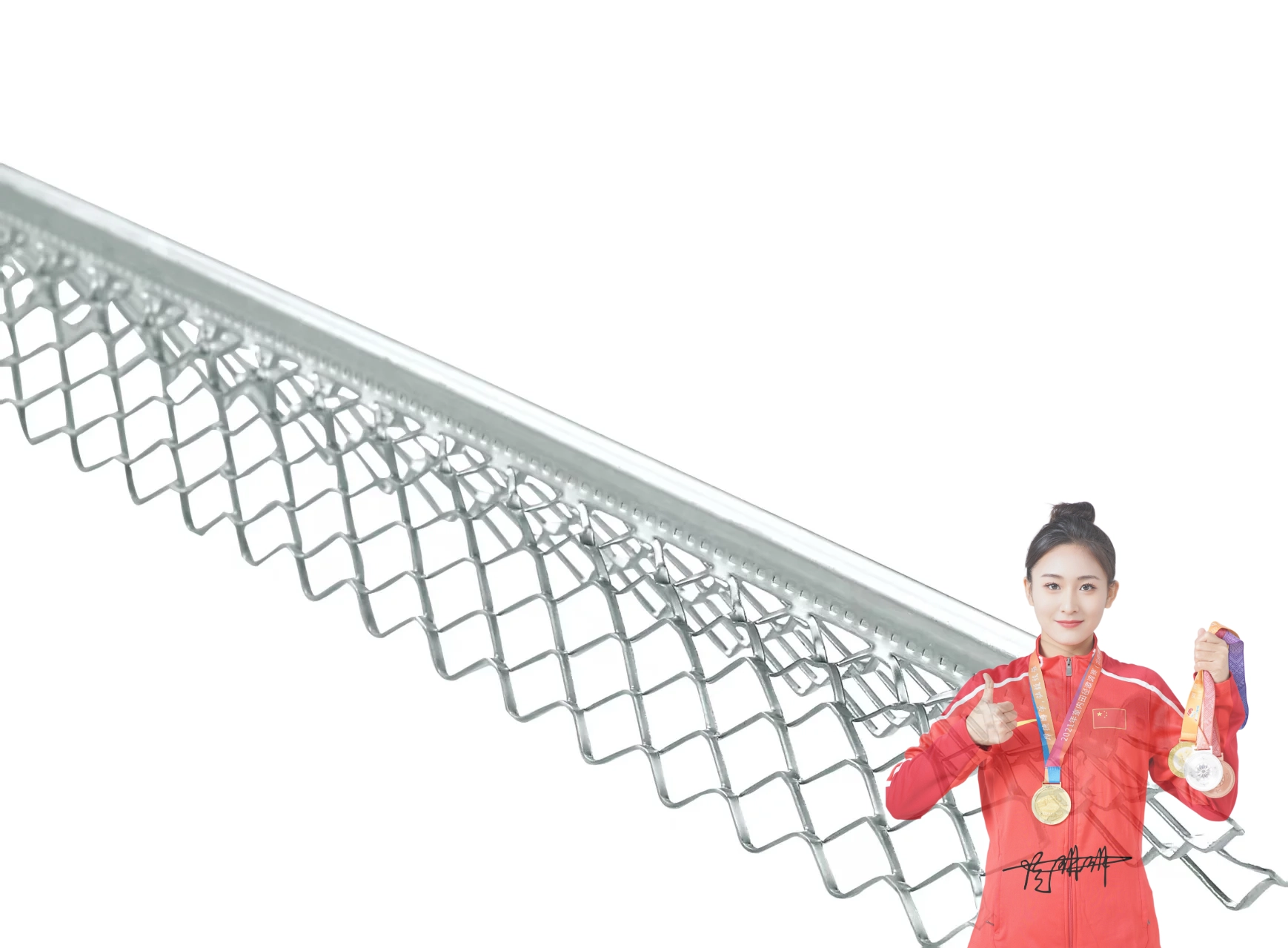
Simply put, brick reinforcement mesh is a grid-like material—often made from galvanized steel or stainless steel—that's embedded horizontally or vertically within brick walls to enhance their strength and flexibility. Think of it as miniature skeletal support that gives brick layers an extra edge against everyday stresses like wind, vibration, or settlement.
In a way, it’s the unsung hero of modern masonry. While bricks provide compressive strength, the mesh counters lateral forces and prevents cracking. In humanitarian relief, for example, mesh-reinforced brick construction has become a standard for building shelters that are both cost-effective and tough enough to survive seasons.
Core Components Driving the Performance of Brick Reinforcement Mesh
Durability
The mesh is typically made of galvanized steel, which means it’s coated in zinc to resist rust. This longevity is crucial when embedded into mortar or concrete, which can be quite caustic otherwise. Durable materials prevent future failures, which could jeopardize the whole structure.
Flexibility and Tensile Strength
Unlike bricks, the mesh provides flexibility under stress. The tensile strength of steel allows walls to bend without cracking—a bit like how a spine allows motion but prevents broken bones. This blend of materials means buildings become more earthquake-resistant and less prone to cracking from temperature swings.
Cost Efficiency
At first glance, adding mesh might look like an extra expense. However, over time, it pays off by reducing repairs and increasing lifespan. Plus, it can reduce the amount of brick or mortar needed by improving load distribution. Many builders say it’s an investment in peace of mind—and budgets.
Ease of Installation and Scalability
Modern mesh rolls or panels are simple to cut and place during construction. This ease allows scalability from small housing projects to large commercial buildings. Plus, techniques have evolved, so workers can install mesh without special machinery, ideal for remote or resource-poor locations.
Compatibility with Modern and Traditional Methods
One of the beautiful things about brick reinforcement mesh is that it fits neatly into existing masonry workflows—whether you’re building a centuries-old villa or a modern apartment block. This keeps costs down, training minimal, and adoption slow but steady.
How Brick Reinforcement Mesh Is Used Around the World
From earthquake-prone Japan to the fast-growing cities of Nigeria, the mesh finds applications everywhere.
- Post-Disaster Relief: NGOs utilize mesh to build rapid shelters that withstand hurricanes, earthquakes, and floods, improving safety for displaced families.
- Urban Construction: City developers incorporate mesh in commercial and residential projects to meet stricter building codes and provide long-lasting infrastructure.
- Remote Industrial Zones: In mining or oil extraction camps, quick-to-build but resilient housing solutions use reinforced brickwork to protect workers.
For instance, in Nepal, after the 2015 earthquake, relief organizations trained locals to embed brick reinforcement mesh into housing rebuilds, significantly reducing collapse rates during aftershocks.
Why Using Brick Reinforcement Mesh is a Long-Term Win
There’s something reassuring about knowing your walls aren’t just bricks stacked together but thoughtfully engineered with embedded support. Here’s why that matters:
- Safety & Reliability: Reinforced walls stand stronger against cracks, weathering, and unexpected stresses.
- Affordability: Less need for repairs or retrofits due to early damage translates to savings.
- Sustainability: The mesh extends the life of brick structures, reducing the environmental impact of rebuilding.
- Community Dignity: It fosters trust in housing quality, important when lives and social fabric depend on stability.
Product Specification Table: Typical Brick Reinforcement Mesh
| Specification |
Typical Value |
Notes |
| Material |
Galvanized steel wire |
Zinc coating 275 g/m² |
| Wire Diameter |
2.0 mm |
Common size for trade |
| Mesh Opening |
50 x 50 mm |
Standard grid spacing |
| Roll Width |
1.0 m |
Fits most walls |
| Roll Length |
30 m |
Easy to transport |
Vendor Comparison: Popular Brick Reinforcement Mesh Suppliers
| Supplier |
Material Quality |
Price Range |
Delivery Options |
Custom Sizes |
| CornerBead Mfr |
Galvanized steel (275 g/m² zinc) |
$$$ |
Worldwide shipping, bulk discounts |
Yes |
| MeshMasters Inc. |
Stainless steel option available |
$$$$ |
Regional only |
Limited |
| BuildSafe Suppliers |
Galvanized steel, light coating |
$ |
Nationwide |
No |
What’s Next? Future Trends in Brick Reinforcement Mesh
The brick reinforcement mesh of tomorrow isn’t just stronger steel. Many manufacturers are exploring hybrid meshes incorporating fiber-reinforced polymers to reduce weight while improving corrosion resistance. Others marry the mesh with embedded sensors to monitor wall health in real-time—pretty much giving masonry a "smart" upgrade.
On the policy side, governments increasingly demand sustainability certifications. As part of ISO initiatives, mesh products might soon be required to meet carbon footprint thresholds, pushing innovation into greener production methods and recycled materials.
Challenges to Overcome — and How Experts Are Tackling Them
Of course, every solution has its own headaches. Some contractors still hesitate to adopt mesh reinforcement, citing installation time and upfront material costs as worries. In places where informal building is common, or where supply chains are shaky, standard mesh products aren’t always easy to source.
But the good news is that educational campaigns and modular, pre-fabricated mesh panels are smoothing this learning curve. NGOs and local governments collaborate to train masons and incorporate mesh in building codes. Gradually, experience proves the benefits, and the industry adapts.
FAQ: Practical Answers About Brick Reinforcement Mesh
Q1: How does brick reinforcement mesh improve earthquake resistance?
A1: The mesh provides tensile strength to brick walls, preventing cracks and collapse under lateral seismic forces. By holding brick units together, it distributes stress more evenly, allowing structures to flex subtly without major damage.
Q2: Can I install brick reinforcement mesh myself?
A2: While basic installation isn’t overly complex, correct placement inside mortar joints is crucial for effectiveness. Hiring experienced masons or consulting with suppliers ensures optimal results and safety compliance.
Q3: Is brick reinforcement mesh expensive compared to traditional masonry?
A3: Initial costs are slightly higher, but long-term savings on repairs, maintenance, and enhanced safety usually offset extra expenses—especially in hazard-prone areas.
Q4: What maintenance does reinforced brickwork require?
A4: Virtually none beyond regular building upkeep. The galvanized or stainless steel mesh resists corrosion, so its protective role lasts decades if walls are kept in good condition.
Wrapping It Up: Why Brick Reinforcement Mesh Should Be Your Go-To
In the grand scheme, brick reinforcement mesh is a quiet game-changer—from improving safety and sustainability to safeguarding investments and communities. The blend of technical savvy and practical application means that both contractors and occupants reap real benefits.
Thinking about your next project? Visit CornerBead Mfr to explore quality mesh options that make a tangible difference. Sometimes the best solutions are those you don’t see, but definitely feel in the strength of every wall.
Mini Takeaways:
- Brick reinforcement mesh boosts wall durability and crack resistance globally.
- It supports sustainable, cost-effective masonry suitable for various climates and geographies.
- Future innovations include lightweight, sensor-enabled meshes aligning with eco-friendly policies.
References
- UN Habitat on Housing Challenges
- International Organization for Standardization (ISO)
- World Bank Urban Development Reports