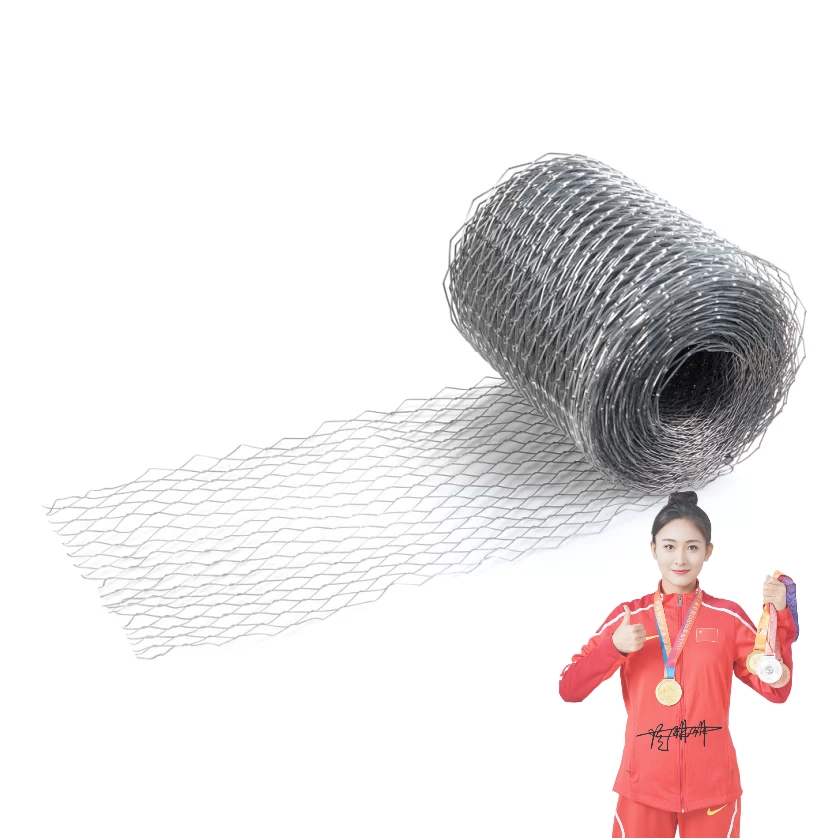
Understanding Brick Vent Mesh: A Key Component in Modern Construction
Brick vent mesh — it might not be the most glamorous term in the building world, but its role is surprisingly crucial. In a nutshell, it’s all about improving air circulation within brick walls, preventing moisture buildup, and ultimately prolonging the life of a structure. Whether you’re in a humid tropical climate or winter’s chill, good ventilation in masonry walls matters worldwide. That’s why knowing a bit about brick vent mesh and how it fits into construction today is more than just niche knowledge — it’s essential.
Global Context: Why Brick Vent Mesh Matters Today
Across the globe, millions of buildings rely on brick construction. According to data from the International Organization for Standardization (ISO), masonry remains a dominant construction choice especially in developing regions where durability and cost efficiency are non-negotiable. Yet with rising climate variability — think increased rainfall in Southeast Asia or extreme cold spells in Eastern Europe — traditional brickwork can face challenges like trapped moisture and mold growth.
Brick vent mesh enters the picture to tackle these issues head-on. It’s not just about aesthetics. It’s a practical solution addressing ventilation within walls, ensuring structures stay dry and safe. Oddly enough, despite its simplicity, brick vent mesh has a big impact on reducing maintenance costs and improving comfort for occupants — which in the long run matters immensely on a global scale.
What Exactly Is Brick Vent Mesh?
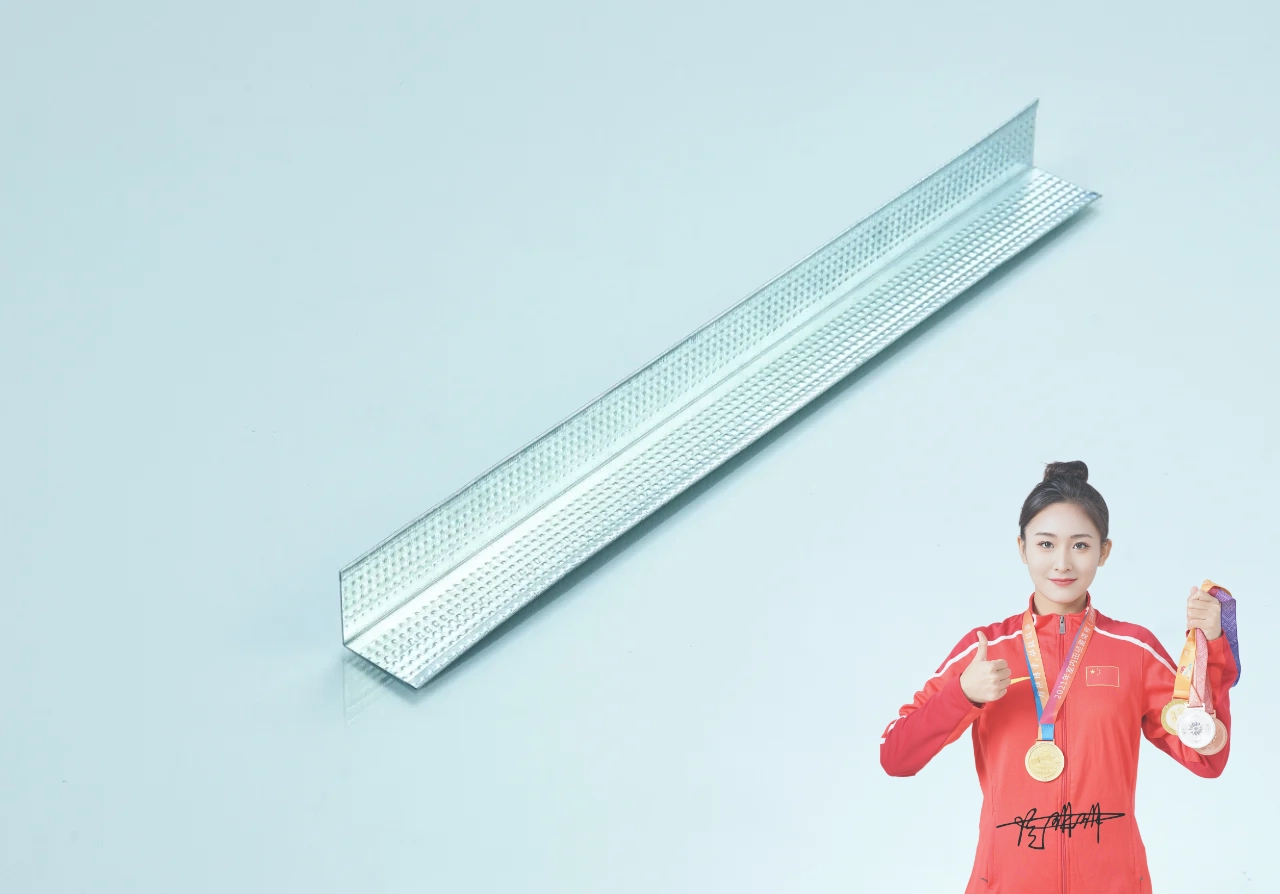
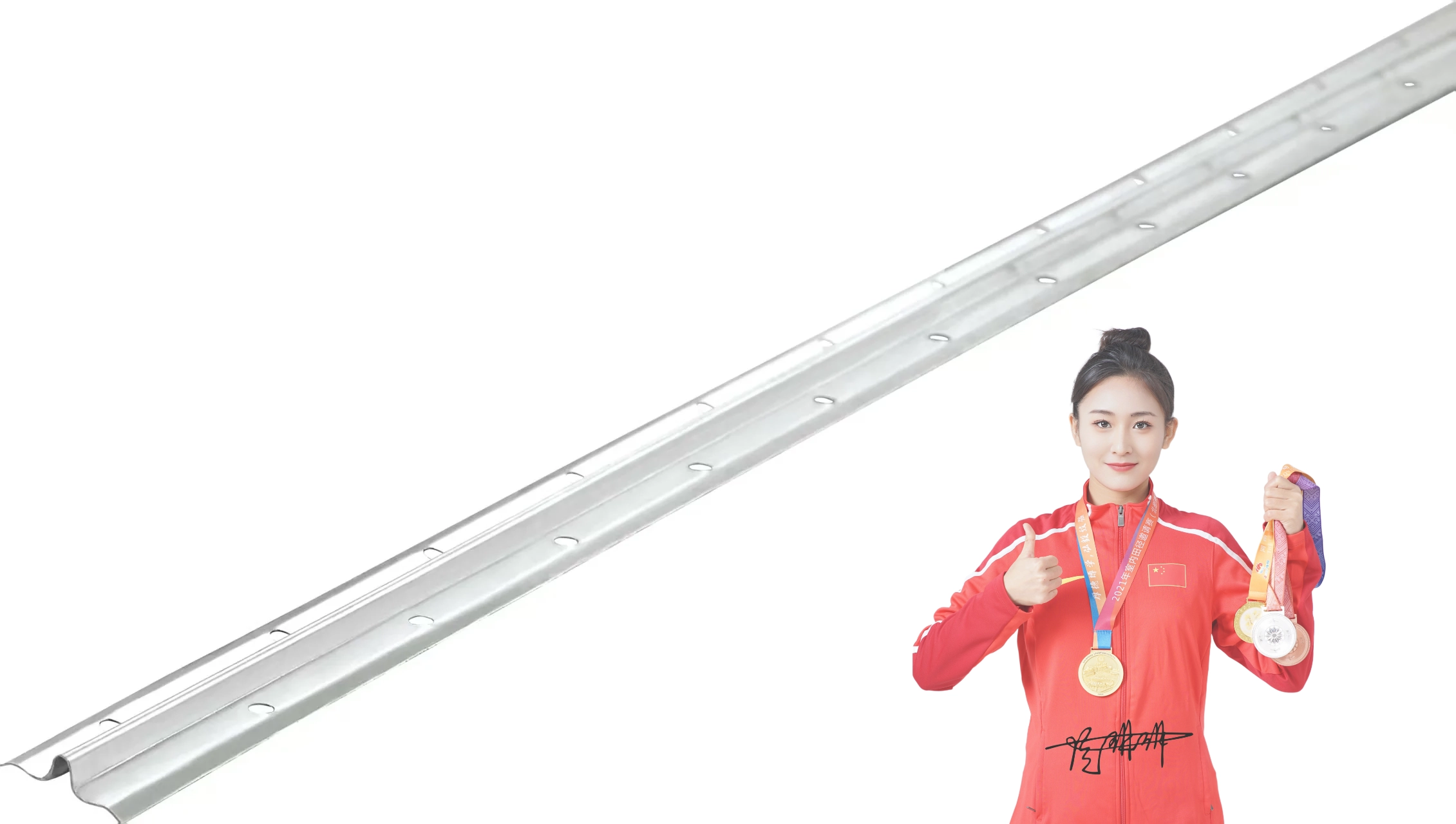
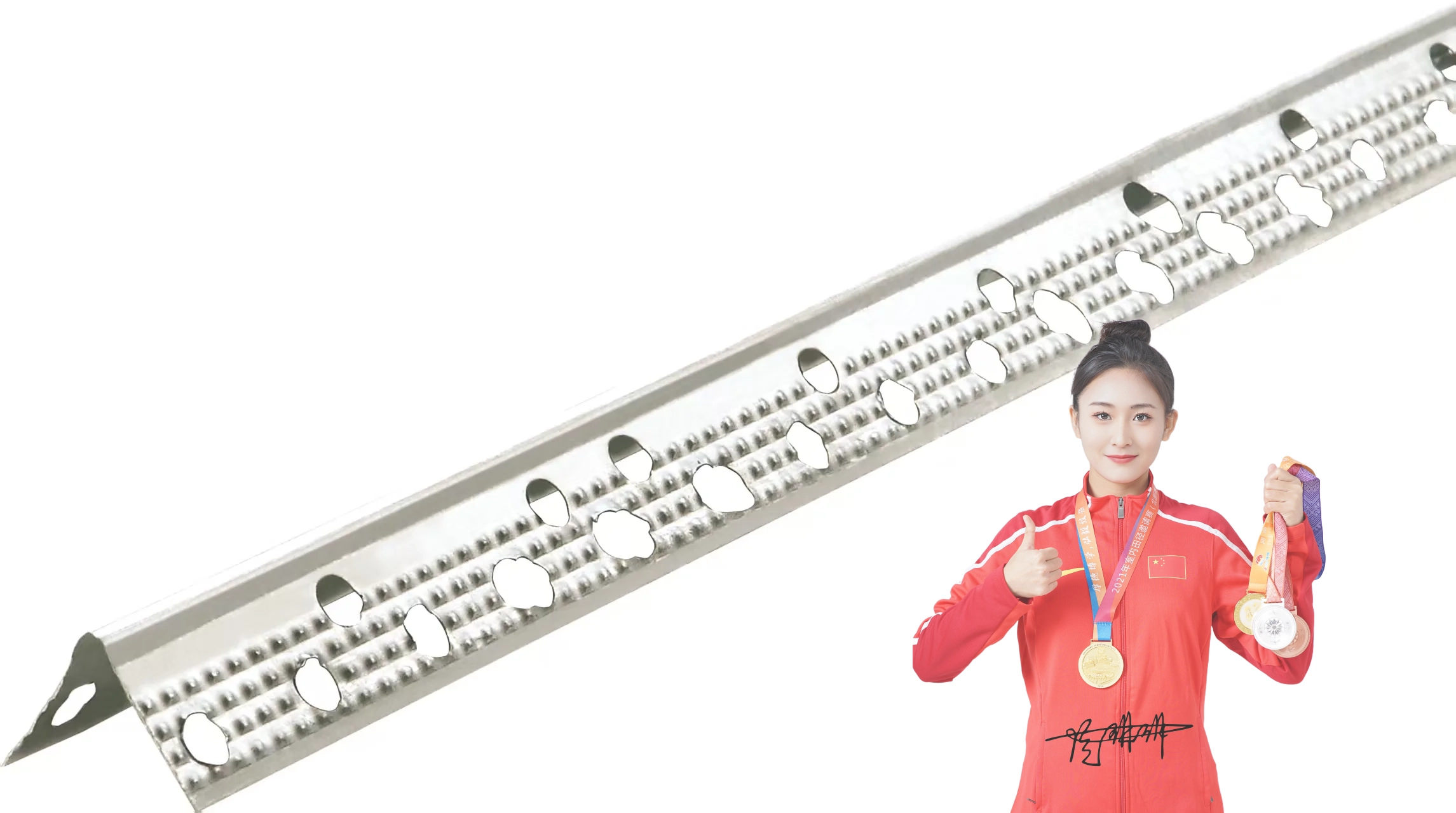
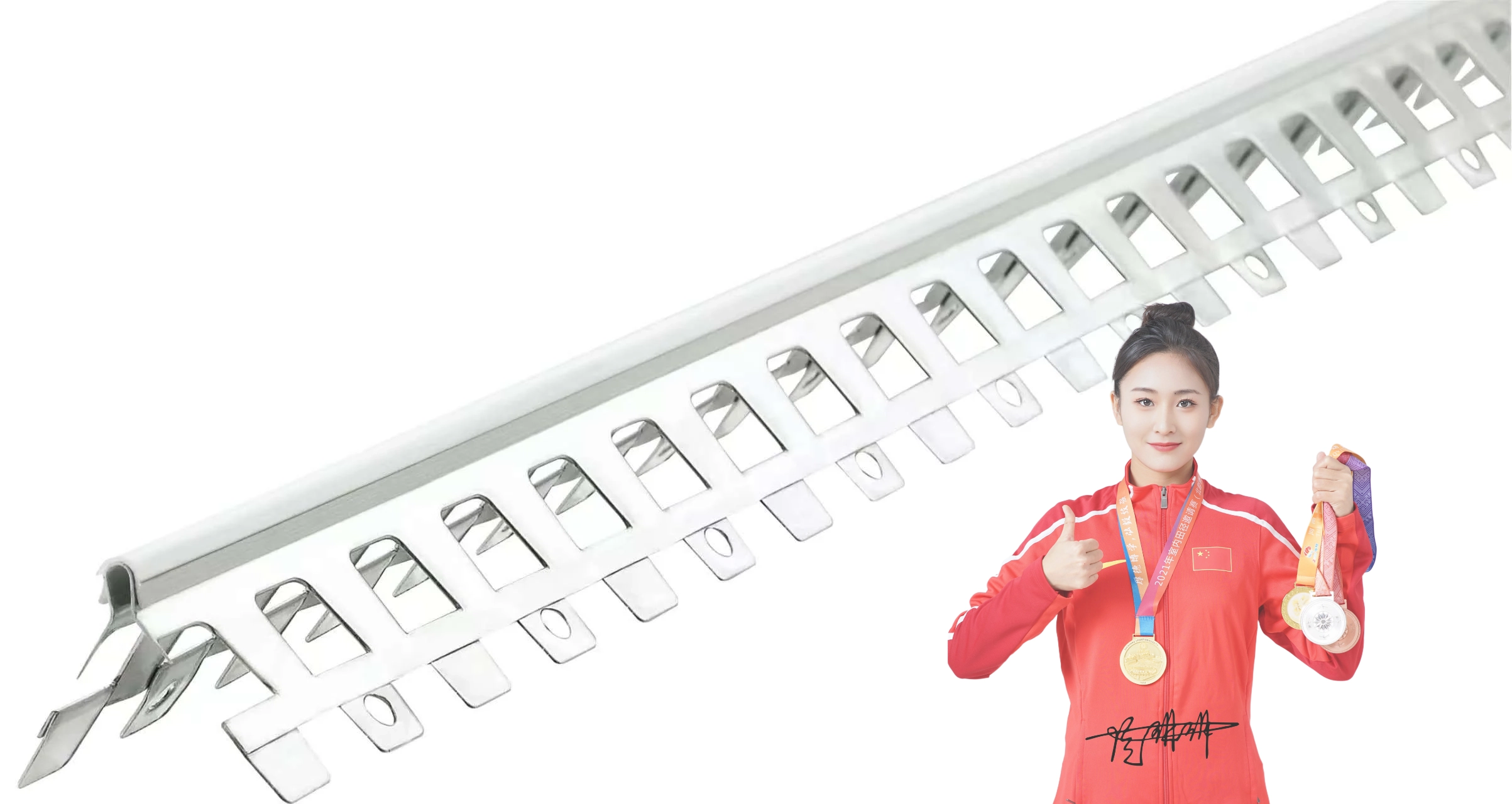
Simply put, brick vent mesh is a perforated or mesh-backed strip installed within a brick cavity to allow air flow while minimizing pest intrusion and debris build-up. You can think of it as a breath of fresh air for your walls. Unlike solid ventilation bricks used in earlier designs, this thin metal or plastic mesh integrates seamlessly into modern veneer walls or cavity brickwork.
It’s a small but mighty component in the construction ecosystem, especially when you consider its contribution to keeping mold, mildew, and dampness away. In humanitarian contexts, such as temporary shelters or post-disaster housing, correct ventilation through brick vent mesh can improve indoor air quality and occupant health.
Core Elements of Brick Vent Mesh
Durability
Brick vent mesh is generally made from galvanized steel, stainless steel, or high-quality plastics, designed to withstand weathering and corrosion for decades. Many manufacturers test their meshes to ISO standards for corrosion resistance, ensuring they’ll last as long as the surrounding masonry.
Airflow Efficiency
This isn’t just random holes in a strip; meshes are engineered to optimize airflow through brick cavities without compromising wall strength or allowing unwanted pests. Air permeability is a key factor, enhancing moisture management inside walls.
Weather Resistance
The mesh must block rain infiltration while promoting ventilation. Designs often feature angled or recessed installations that divert water while permitting airflow, critical in regions facing heavy storms or wind-driven rain.
Cost Efficiency
Brick vent mesh is a cost-effective solution compared to more complex ventilation systems. Its installation is straight forward during construction, saving time and labor while preventing costly repairs later from moisture damage.
Compatibility & Customization
Modern brick vent mesh is available in various sizes and materials tailored to different bricks and cavity widths. This flexibility is valuable for architects and builders working across diverse climates and construction requirements.
Global Applications: Where and How Brick Vent Mesh Is Used
From residential homes in Europe to commercial buildings in North America, the principles are similar, though adapted to local climates and building codes. In post-disaster relief areas, for example, where rapid but durable construction is vital, brick vent mesh supports breathable walls that resist mold growth despite high humidity.
Industrial zones in remote parts of Asia deploy vent mesh in insulated brick cavity walls to maintain air circulation with minimal maintenance. Even heritage conservation projects use custom mesh variants to retrofit aging masonry while keeping the original architectural character.
In short, the utility of brick vent mesh crosses borders and sectors — underscoring its importance.
Advantages & Long-Term Value
- Cost Savings: By preventing moisture damage, brick vent mesh reduces repair and maintenance expenses over decades.
- Sustainability: Proper ventilation aids in humidity control, reducing the need for energy-intensive dehumidifiers or air conditioning.
- Health & Safety: Avoiding damp walls helps prevent mold-related health issues — preserving occupant wellbeing.
- Environmental Trust: Built-in ventilation reflects a commitment to durable, environmentally sound construction practices.
Frankly, many builders swear by the peace of mind a simple mesh provides in the long run. It’s the kind of subtle improvement that, once appreciated, becomes indispensable.
Product Specifications: Typical Brick Vent Mesh
| Parameter |
Specification |
| Material |
Galvanized Steel, Stainless Steel, UV-resistant Polypropylene |
| Mesh Size |
1.5 mm – 2.5 mm aperture |
| Width |
25 mm – 50 mm |
| Length per roll |
10 m standard |
| Installation |
Embedded within brick course or cavity |
| Fire Resistance |
Complies with ASTM E84 Class A (metal mesh) |
Vendor Comparison: Leading Brick Vent Mesh Suppliers
| Supplier |
Material Options |
Customization |
Pricing |
Lead Times |
| Corner Bead MFR |
Galvanized Steel, Polypropylene |
Custom widths and lengths |
Competitive, Volume Discounts |
2-3 weeks |
| BrickVent Corp. |
Stainless Steel, Aluminum |
Limited customization |
Mid-range |
4-6 weeks |
| VentMesh Solutions |
UV-Stabilized Plastic |
Custom patterns available |
Higher-end pricing |
1-2 weeks |
Looking Ahead: Innovations in Brick Vent Mesh Technology
The world of brick vent mesh may sound static, but innovation is quietly underway. Sustainable materials like recycled polymers and bio-based plastics now find their way into vent mesh products, aligning with global green building standards like LEED and BREEAM.
There’s also movement toward integrating digital sensors capable of monitoring humidity behind walls in real-time. Imagine vent mesh embedded with micro-sensors that alert building managers before moisture becomes a problem. That sort of digital transformation might sound futuristic — but it’s already under research in industrial architecture labs.
Challenges & Solutions in Brick Vent Mesh Application
Even small components like brick vent mesh face challenges. Installation inconsistency can lead to blocked vents or gaps that invite pests. Material degradation in harsh coastal environments can reduce lifespan unless corrosion-resistant alloys are selected carefully. Manufacturers increasingly address these issues through improved quality control, installation training, and offering corrosion warranties.
Further, regional adherence to building codes varies, so ensuring products meet local standards is vital. Expert consultation and custom solutions often bridge such gaps.
Frequently Asked Questions About Brick Vent Mesh
- Q: How does brick vent mesh improve wall ventilation compared to traditional methods?
A: Brick vent mesh provides continuous airflow through brick cavities while blocking pests and debris, unlike single brick vents that offer limited openings. This uniform ventilation reduces moisture accumulation more effectively.
- Q: Can brick vent mesh be installed on existing structures?
A: Retrofitting is possible but may require partial dismantling of brickwork. Some vendors offer adhesive or surface-mounted alternatives, though these are generally less effective than integrated meshes.
- Q: What materials should I choose for coastal environments?
A: Stainless steel mesh is recommended due to its superior corrosion resistance in salty air, whereas galvanized steel may degrade faster unless coated with extra protective finishes.
- Q: How does brick vent mesh contribute to fire safety?
A: Metal meshes comply with fire-resistant building codes, helping maintain ventilation without creating significant fire risk. Plastic meshes should meet ASTM or equivalent fire standards if used.
- Q: Where can I purchase reliable brick vent mesh?
A: Reputable suppliers like Corner Bead MFR offer tailored options with warranties and expert guidance, ideal for both large projects and small renovations.
Conclusion: Why Brick Vent Mesh Is a Small Detail With Big Benefits
So, wrapping this up — brick vent mesh might seem like a minor detail until you realize how vital it is for long-term building health and occupant comfort. From improved ventilation and reduced costs to better sustainability credentials, this little mesh does a lot of heavy lifting behind the scenes. If you’re involved in construction, renovation, or even humanitarian projects, it’s worth giving brick vent mesh the attention it deserves.
For more detailed product information and expert advice on choosing the right mesh for your needs, visit our website — they really know their stuff.
In real terms, paying attention to the “small stuff” like brick vent mesh often saves time, money, and headaches down the road.
References
- ISO 6946: Building components and building elements — Thermal resistance and thermal transmittance
- Wikipedia: Masonry
- US Green Building Council - LEED Certification