If you've ever walked past a construction site, a secured industrial plant, or even certain innovative architectural projects, chances are you've seen large metal mesh sheets in action — even if they didn't grab your attention. These expansive sheets aren’t just about making things look industrially cool; they play crucial roles in safety, filtration, reinforcement, and even aesthetics around the globe.
Understanding large metal mesh sheets is especially important because they act as a backbone—literally and figuratively—in many sectors. From infrastructure resiliency to environmental protection, their widespread use offers an insight into how industries manage durability and design at scale.
Global Relevance of Large Metal Mesh Sheets
According to recent data from the International Organization for Standardization (ISO) and the World Bank, infrastructure projects are on the rise worldwide, particularly in emerging economies investing heavily in roads, bridges, and secure facilities. This surge means a higher demand for materials that combine strength with versatility. Large metal mesh sheets fit the bill neatly.
Yet there’s a global challenge: balancing material strength and sustainability. Large metal mesh sheets, usually made from steel, aluminum, or stainless alloys, are often subject to material shortages and logistical challenges, especially when shipped in bulk. It’s a classic problem in supply chain management — as cities grow and industries evolve, suppliers struggle to keep up.
In disaster-prone regions, for example, there’s a pressing need for quick deployment of protective structures. Mesh sheets offer a solution here, but manufacturers must grapple with logistics, durability, and cost simultaneously. Oddly enough, these challenges help spur innovation — more on that below.
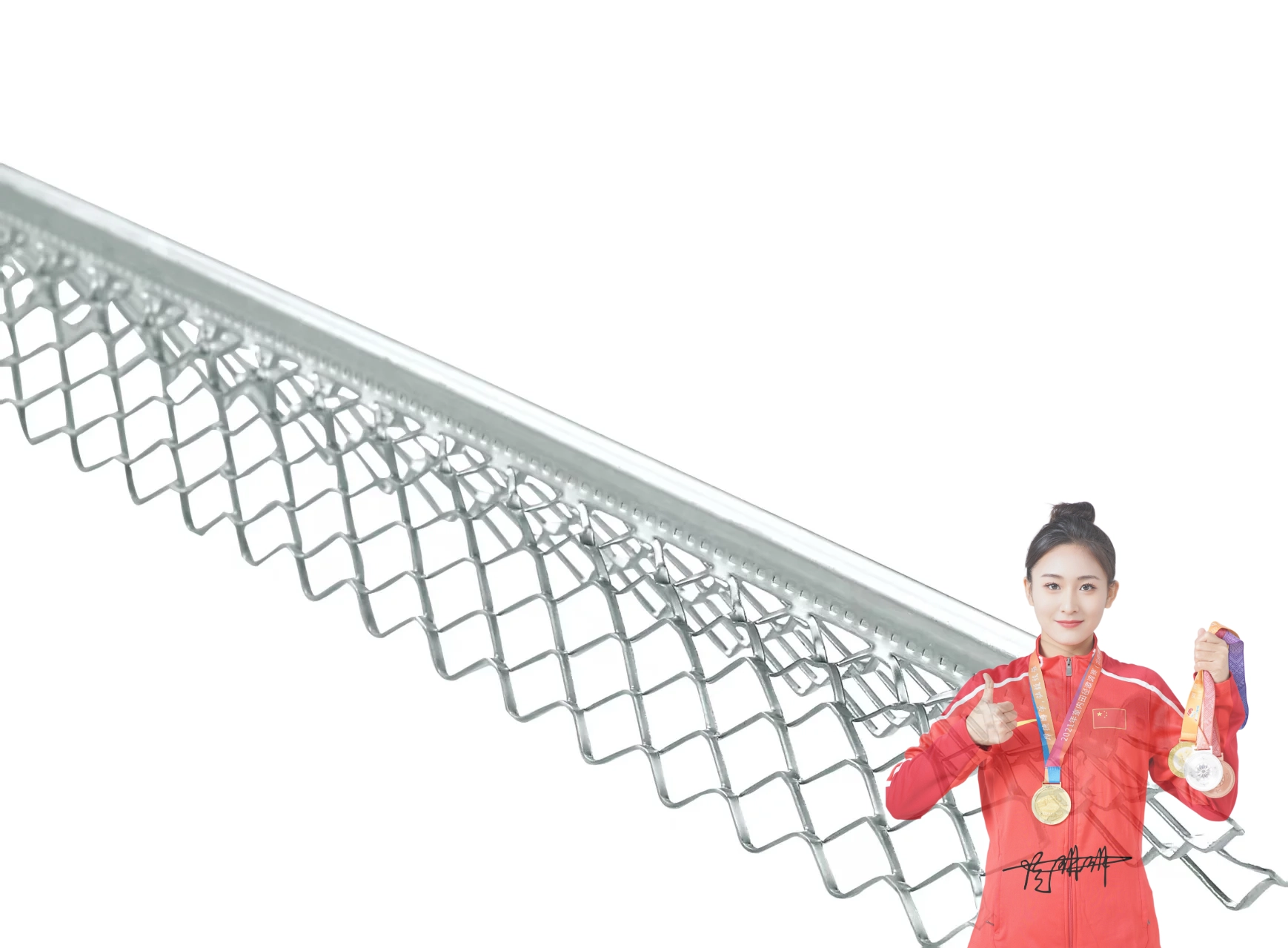
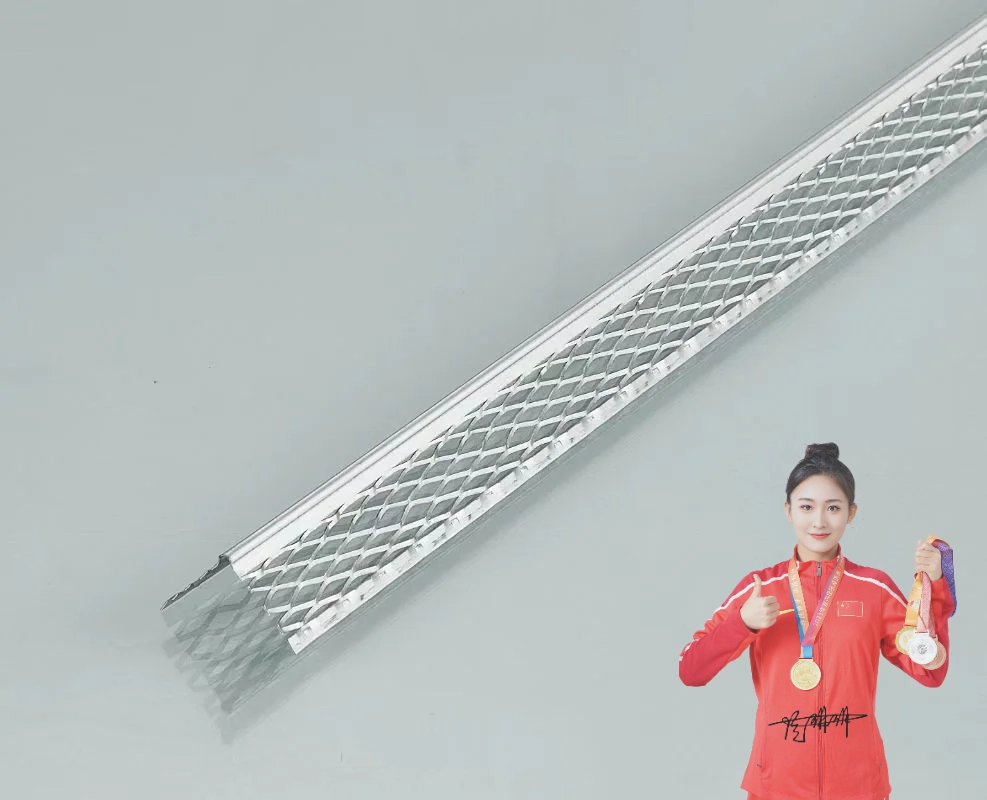
At its core, a large metal mesh sheet is a flat, open-weave grid made from metal wires that intersect at right angles or other patterns, welded or woven to form a sheet of considerable size. Think of it as giant chicken wire but made with industrial-strength metals designed to withstand significant stress.
Manufacturers tailor these mesh sheets for different purposes: filtration, reinforcement, barriers, or even decorative facades. And they can be customized by wire thickness, mesh spacing (called “aperture”), material type, and coating (galvanized, powder-coated, etc.).
In modern industry, these sheets connect to humanitarian needs too. For example, in refugee shelters or emergency housing situations, mesh sheets serve as structural reinforcements, screen materials, or anti-climb fencing — keeping inhabitants safe while allowing air flow.
Durability and Corrosion Resistance
Depending on the environment — coastal zones or industrial sites with corrosive agents — selecting the right metal and protective coating is essential. Stainless steel meshes, for example, resist rust and degradation better than plain steel but come at a premium.
Scalability and Customization
Most suppliers allow clients to specify custom dimensions, wire diameters, and mesh apertures to fit precise project needs. This flexibility means large industrial complexes and small projects alike can get exactly what they need.
Weight and Load Capacity
For structural reinforcement, understanding the tensile strength and load-bearing capabilities is vital. A larger mesh aperture might reduce weight but also lower strength — so the tradeoff must be carefully considered.
Cost Efficiency
Material type and manufacturing process influence price greatly. Sometimes, opting for galvanized steel might offer the best balance between upfront cost and lifespan.
Environmental Impact and Sustainability
Recycling compatibility and the carbon footprint of producing and shipping large sheets matter increasingly to buyers striving to meet green standards.
| Specification |
Typical Range |
Notes |
| Sheet Size |
4x8 ft to 10x20 ft |
Custom sizes available |
| Wire Diameter |
0.5 mm to 10 mm |
Thicker wire = higher strength |
| Mesh Aperture (Square Opening) |
5 mm to 50 mm |
Depends on filtering vs. structural use |
| Material |
Galvanized steel, stainless steel, aluminum |
Choice affects cost & corrosion resistance |
| Finish |
Powder coating, hot-dip galvanizing |
Protects against rust and weathering |
Mini takeaway: Choosing the right large metal mesh sheet involves a mix of size, strength, and environment considerations — not just picking the cheapest option.
Global Applications and Use Cases of Large Metal Mesh Sheets
They show up in some surprising places:
- Construction and Architecture: Reinforcing concrete against cracking, creating architectural façades with airflow, or serving as safety barriers on building sites.
- Mining and Filtration: Screening ores and filtering debris in mineral processing plants around South America and Africa.
- Humanitarian Relief: In post-disaster settings, mesh sheets act as reinforcement for makeshift housing or fencing to safeguard camps.
- Agriculture: Protecting crops in remote regions from wildlife while allowing wind and light through.
- Industrial Facilities: Enclosing machinery for safety in factories, particularly in Southeast Asia’s booming manufacturing zones.
Take the case of a mining company in Chile using galvanized steel mesh sheets to filter tailings: it reduced machinery downtime significantly. Or, in Kenya, NGOs used these meshes to fortify refugee shelters — combining security with ventilation.
Mini takeaway: From deserts to rainforests, large metal mesh sheets serve specialized, life-saving functions.
Advantages and Long-Term Value
When you think about investing in materials, large metal mesh sheets bring a cocktail of benefits:
- Longevity: They tend to outlast plastic or wood alternatives by decades when properly maintained.
- Cost-effective: While initial costs can be moderate to high, their durability often means fewer replacements or repairs.
- Safety and Trust: They prevent accidents on work sites, contributing to worker well-being and corporate compliance.
- Sustainability: Steel and aluminum are highly recyclable; many producers now focus on low-impact manufacturing.
- Customization drives Innovation: Unique mesh designs can address specific environmental or project challenges.
Many engineers told me that these sheets “quietly get the job done” — a truly underrated trait. In other words, it's not always about glamor but reliability that counts.
Future Trends and Innovations Shaping Metal Mesh Sheets
Interesting times ahead! Industry insiders predict several tech-driven shifts:
- Smart Mesh Technology: Embedding sensors within mesh sheets to monitor stress, corrosion, or environmental conditions remotely.
- Advanced Coatings: Using nano-coatings for extreme rust resistance and self-cleaning properties.
- Eco-friendly Materials: Magnesium alloys and recycled metals gaining ground due to lower carbon footprints.
- Automation in Manufacturing: Robotics now produce more complex mesh patterns faster and with less waste.
- Integration with Green Energy: Mesh serving as supporting frameworks for solar arrays or vertical gardens.
Challenges in Using Large Metal Mesh Sheets and Their Solutions
But it’s not all smooth sailing. Common issues include:
- Transportation Hassles: Large sheets are bulky; shipping can be expensive and risky.
- Corrosion in Harsh Environments: Despite coatings, long-term exposure demands upkeep.
- Customization Lead Times: Tailored orders sometimes take weeks, which strains project schedules.
Innovative solutions? Modular mesh panels that assemble on site to reduce transport needs, plus partnerships with local fabricators to speed production. Also, advances in powder coating tech mean longer protection with fewer touchups.
| Vendor |
Material Options |
Customization |
Lead Time |
Sustainability Initiatives |
| CornerBead Mfr. |
Steel, Stainless Steel, Aluminum |
Full custom sizes & finishes |
2–3 weeks |
Recycling programs & green coatings |
| SteelGrid Inc. |
Primarily galvanized steel |
Standard sizes + minor tweaks |
1–2 weeks |
Limited sustainability focus |
| MeshWorld Ltd. |
Aluminum & stainless steel premium |
Customized designs & rapid prototyping |
4 weeks |
Focus on low-emission manufacturing |
1. What factors influence the price of large metal mesh sheets?
Price depends on material type (stainless steel costs more than galvanized steel), sheet size, wire diameter, mesh aperture, and finishing treatments. Custom orders tend to increase costs, especially if specialized coatings or certifications are required.
2. How do I choose the right mesh aperture for my project?
The aperture size depends on the application. For filtration or pest exclusion, smaller mesh openings are needed; for structural support or fencing, larger openings suffice. Discuss your needs with suppliers to balance airflow, security, and strength.
3. Can large metal mesh sheets be recycled after use?
Yes, most metal mesh sheets, especially steel and aluminum, are fully recyclable. Recycling preserves resources and reduces environmental footprint, aligning with global sustainability goals.
4. How are large mesh sheets shipped to remote or disaster areas?
They are often transported in bundles or modular panels. In some cases, suppliers work with local fabricators to produce mesh sheets on site or nearby, reducing transport costs and delays.
5. Are there fire-resistant options available?
Metal mesh sheets themselves are inherently fire-resistant, but coatings or attached materials may vary. For high-temperature applications, consult manufacturers about heat-treated or specially coated options.
Mini takeaway: Asking the right questions upfront can save headaches — it’s worth a quick chat with your supplier before ordering large quantities.
Conclusion: Why Large Metal Mesh Sheets Deserve Your Attention
As industries worldwide push towards more resilient, sustainable, and innovative materials, large metal mesh sheets quietly sit at the crossroads of strength, adaptability, and durability. Whether reinforcing infrastructure, enabling safe industrial processes, or supporting humanitarian efforts, these sheets shape the physical world around us.
So the next time you pass a construction site or scan an industrial facility, remember there’s often a silent hero in the metal mesh grids holding everything together.
Interested in exploring the full range of large metal mesh sheets for your project? Visit our website for specs, custom orders, and expert advice.
References
- International Organization for Standardization (ISO)
- World Bank: Infrastructure Overview
- Wikipedia: Steel Properties