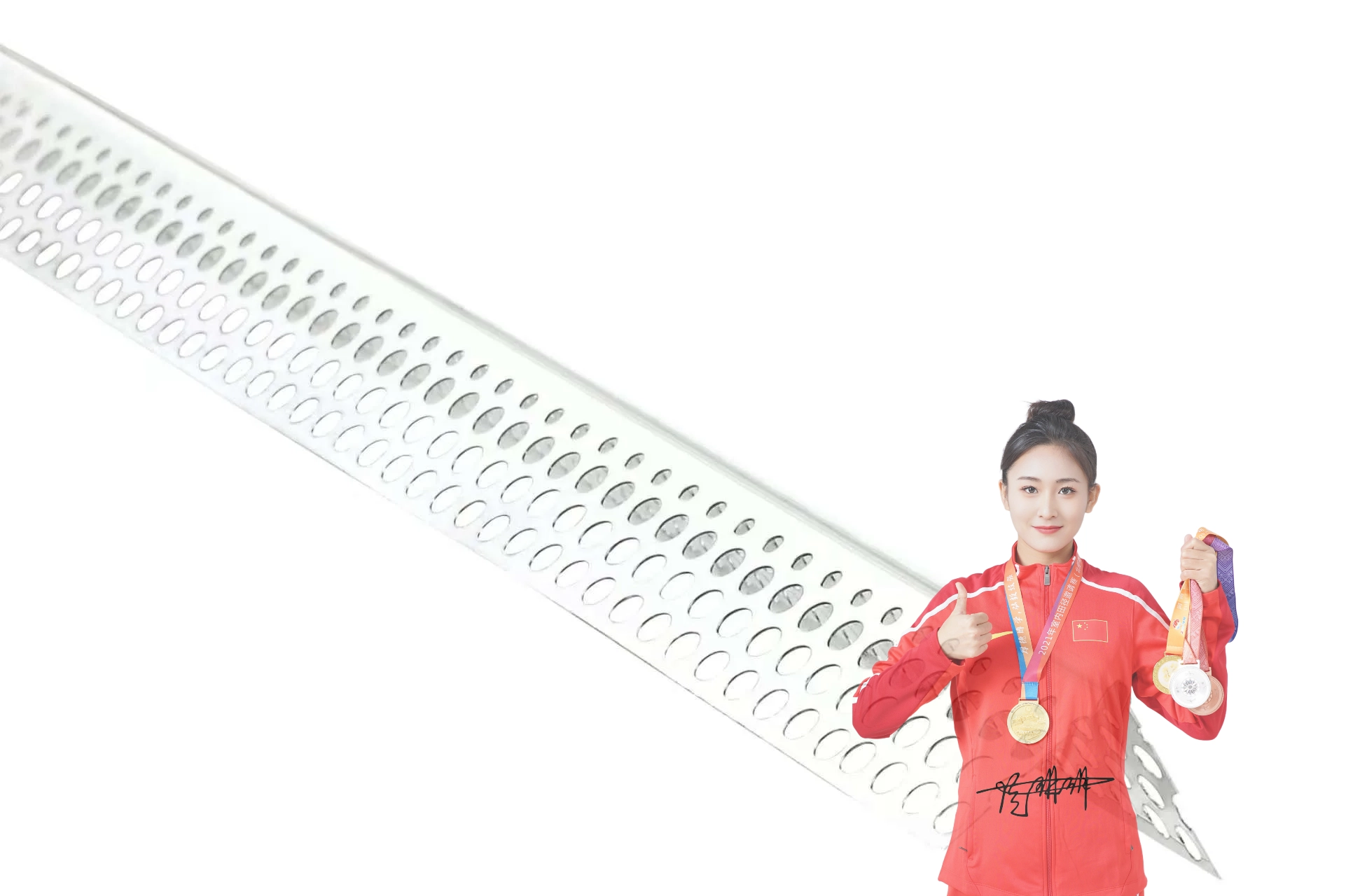
Understanding Screen Door Sheet Metal and Why It Matters Globally
At first glance, screen door sheet metal might seem like just another building material. But the truth is, it plays a surprisingly pivotal role in both industry and humanitarian projects worldwide. Whether in manufacturing durable home fixtures or erecting emergency shelters in disaster zones, this form of metal sheeting is vital. Knowing its key benefits—from strength and affordability to ease of customization—helps industries innovate and communities rebuild more resiliently.
Seeing the Big Picture: Why Screen Door Sheet Metal Is Globally Relevant
Across the globe, the construction and manufacturing sectors rely heavily on versatile materials. According to the International Organization for Standardization (ISO), the demand for corrosion-resistant and lightweight sheet metals has been growing steadily, with an estimated annual growth rate exceeding 5% in many regions.1 On the humanitarian front, organizations like the United Nations have noted gaps in shelter materials where durability and rapid deployment are crucial.
Screen door sheet metal — a metal substrate often coated or perforated for airflow but with sturdy frameworks — addresses both these problems elegantly.
Oddly enough, the component we often overlook in everyday life—our screen doors—can carry lessons for making affordable, long-lasting, and scalable metal structures worldwide.
What Exactly Is Screen Door Sheet Metal?
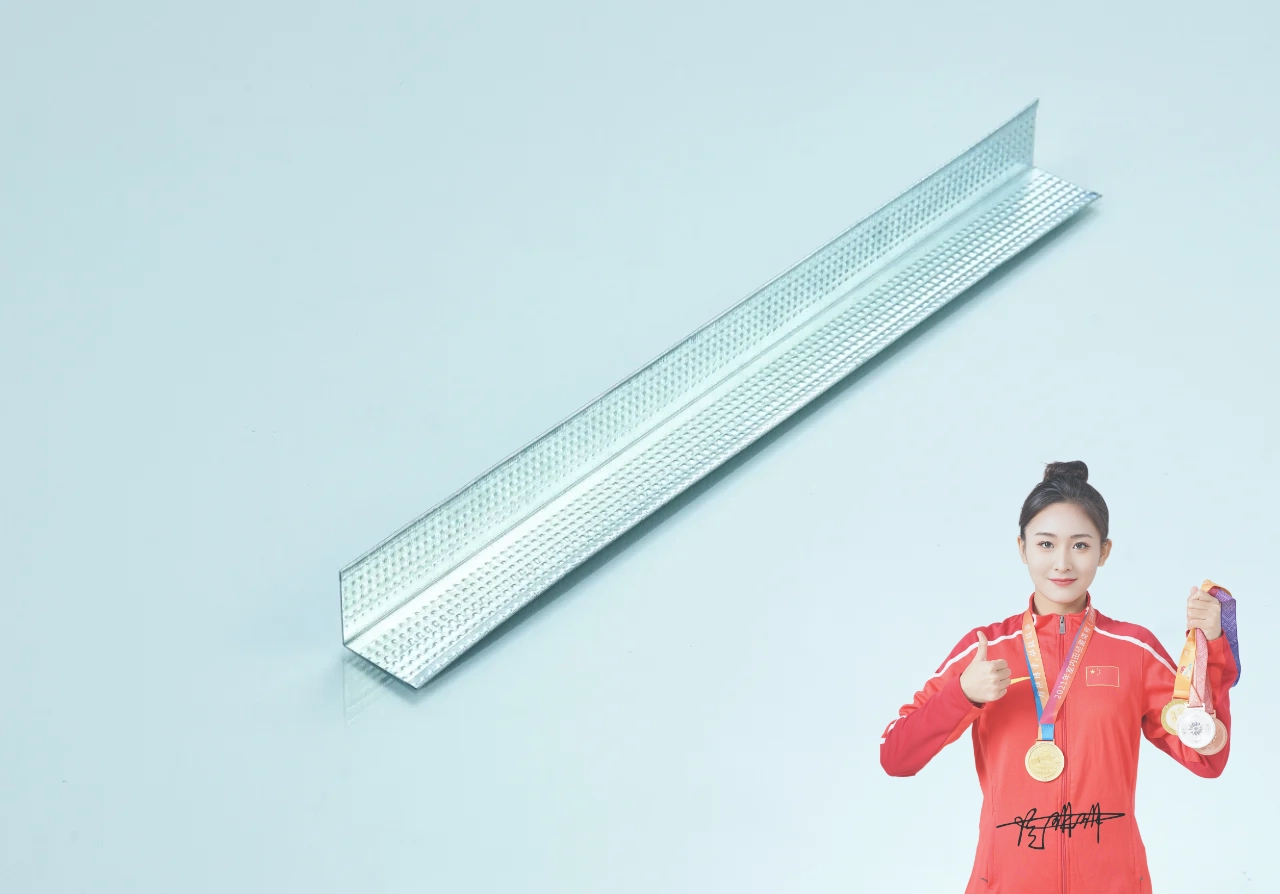
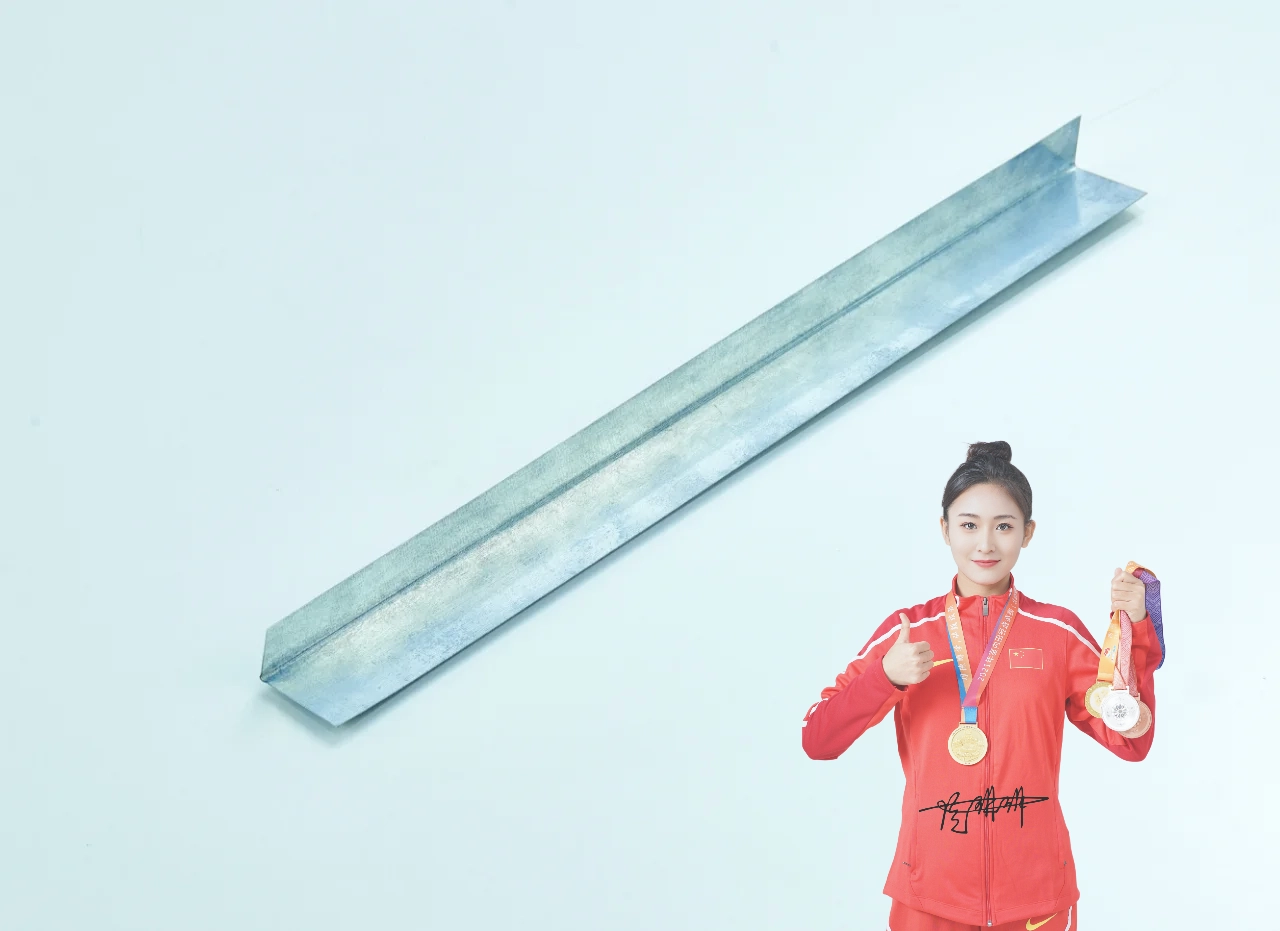
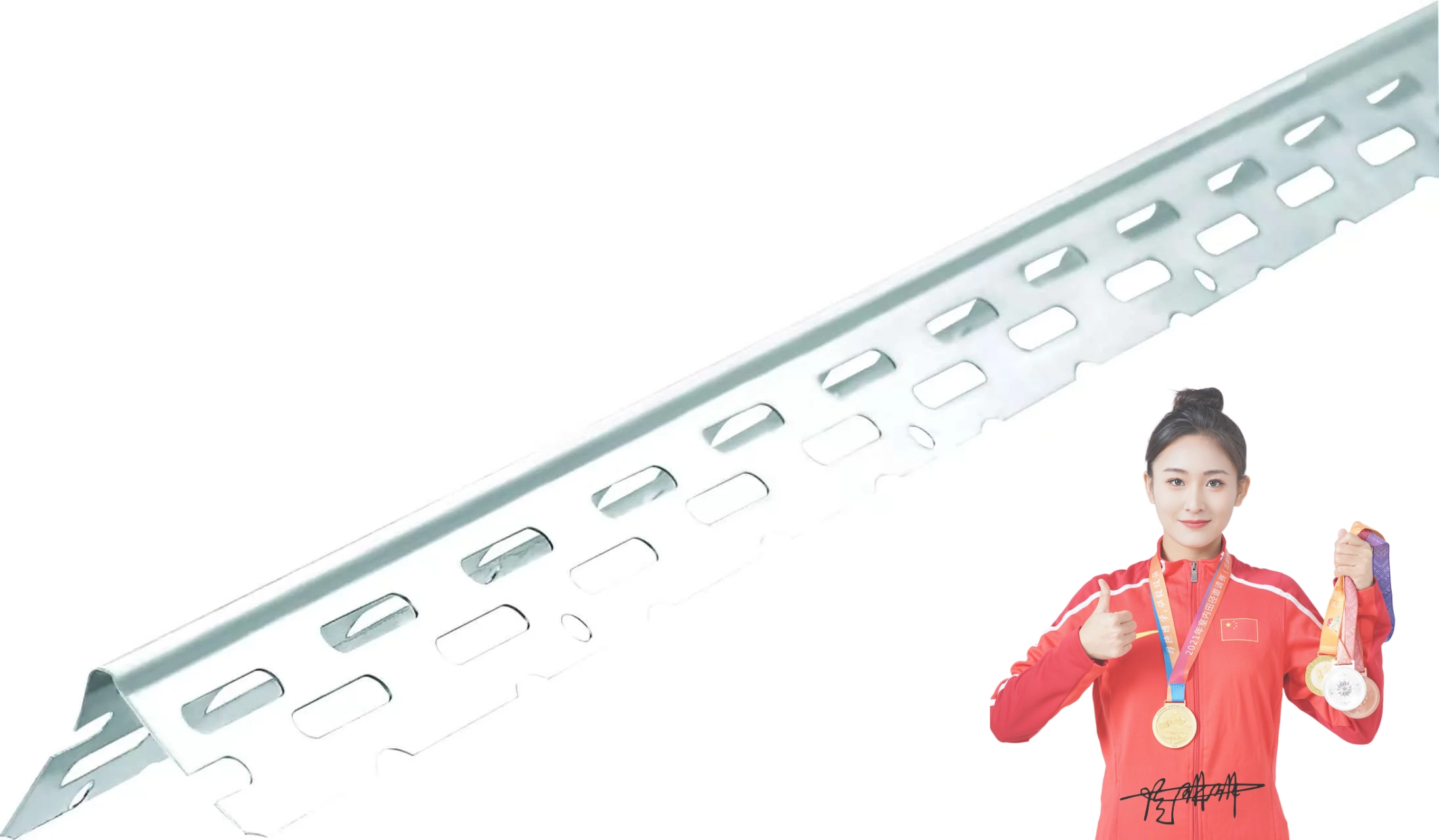
Simply put, screen door sheet metal is a form of thin metal sheeting used primarily in screen doors and similar structures to allow ventilation while providing security. Typically, it’s made from galvanized steel or aluminum to resist rust and corrosion. The metal is often perforated or meshed to enable airflow, which is key in tropical or seasonal climates.
But beyond doors, this sheet metal finds its way into industrial applications like air filters, protective barriers, and even makeshift modular walls for quick construction—particularly where weight and durability are critical. It’s a subtle but important link between everyday convenience and pressing humanitarian engineering challenges.
Mini Takeaway:
Think of screen door sheet metal not just as a door component, but a lightweight skeleton capable of protecting, ventilating, and enduring in various industries.
Core Elements that Matter in Screen Door Sheet Metal
1. Durability
When exposed to weather, metal corrugations and galvanizing mean the difference between a door (or structure) that lasts years versus one that needs replacement after a season. Longevity is often more cost-effective than initial price.
2. Ventilation & Airflow
The perforated design makes it excellent for airflow without compromising security. HVAC engineers often specify it for equipment enclosures that need both protection and cooling.
3. Cost Efficiency
Compared to solid metal panels, sheet metals used in screens reduce material costs and weight, easing transportation and installation expenses.
4. Customization
Screen door sheet metal can be cut, perforated, coated, or shaped to precise specs—making it a versatile choice for manufacturers and builders.
5. Sustainability
Recyclability of metals like aluminum means less environmental footprint. Plus, longer lifespans mean fewer replacements.
Mini Takeaway:
Durability, airflow, and cost combine with customization and sustainability to make screen door sheet metal a practical choice in many situations.
Real-World Uses of Screen Door Sheet Metal Across the Globe
Industries in Southeast Asia favor these metals for their humid, hot climates, relying on them for residential door screens and factory ventilation. In Sub-Saharan Africa, NGOs use similar materials for lightweight shelters after floods or earthquakes. Even in northern Europe—where insulation might be more critical— mesh-like metal panels serve as protective covers for HVAC units exposed to harsh winter weather.
Screen door sheet metal often becomes the backbone of temporary clinics, sanitation units, or rapid housing modules. When time matters—as it tends to in emergencies—such lightweight but durable sheet metal cuts building time drastically.
Mini Takeaway:
From tropical homes to disaster relief shelters and industrial uses, screen door sheet metal fills many needs spanning continents and climates.
Looking Closer: Product Specifications at a Glance
| Specification |
Typical Range / Value |
Notes |
| Material Type |
Galvanized Steel, Aluminum |
Corrosion-resistant coatings common |
| Thickness |
0.3 - 1.2 mm |
Varies by application |
| Perforation Pattern |
Round holes, slots, custom shapes |
Design affects airflow & strength |
| Coatings |
Powder coated, zinc, paint |
Enhances lifespan and aesthetics |
| Weight |
1.2 - 4.5 kg/m² |
Lightweight for easy installation |
Vendor Comparison: Choosing the Right Supplier
| Vendor |
Product Range |
Customization Options |
Global Shipping |
Price Level |
| Corner Bead Mfr |
Wide (galvanized, aluminum) |
High — custom perforations, coatings |
Yes, worldwide |
Competitive |
| MetalWorks Inc. |
Moderate, standard options |
Limited |
Regional only |
Mid-range |
| Global Sheet Co. |
Extensive |
Medium |
Yes, select countries |
Premium |
Advantages and Long-Term Value of Screen Door Sheet Metal
The practical benefits add up quickly. The metal’s resilience means fewer repairs and longer use cycles, which saves money and reduces waste. From an emotional standpoint, sturdy screen doors provide peace of mind—a small but vital aspect of feeling safe at home or work. There’s dignity in that. It’s interesting how often innovation arises from addressing something as simple as a screen door.
Moreover, investing in sustainable materials with recyclable metals gives a positive nod to environmental responsibility. Over time, these qualities build trust in brands and projects that prioritize both quality and conscience.
Emerging Trends and Innovations in Screen Door Sheet Metal
We’re seeing new coatings that offer even greater corrosion resistance and self-cleaning properties. Digital fabrication means manufacturers can create intricate, functional patterns that improve aesthetics without sacrificing strength. Some companies are exploring biodegradable coatings to add an eco-friendly edge.
Automation and AI in manufacturing have begun to reduce waste and produce parts faster, which is a boon when rapid deployment matters—say, for disaster relief shelters or pop-up clinics. It feels like screen door sheet metal is quietly evolving into a smarter, greener material every year.
Challenges in Current Practice and Possible Solutions
Despite its strengths, there are recurring issues. For example, in highly corrosive coastal environments, even galvanized surfaces wear down faster than desired. The solution? New hybrid coatings combining zinc with organic polymers that extend lifespan dramatically. In some cases, supply chain interruptions delay access to specialized metals, but localizing production and increasing inventory buffers can help.
Finally, customization sometimes drives costs up, frustrating buyers. Streamlined digital design platforms reduce turnaround time for custom orders and open possibilities for modular, adjustable sheet metal panels to fit diverse needs without high overhead.
FAQ: Answers to Common Questions about Screen Door Sheet Metal
Q1: How resistant is screen door sheet metal to rust and corrosion?
A1: Typically, the metal used is galvanized or aluminum, providing strong resistance against rust. Coatings like powder paints further improve durability, especially in humid or coastal areas. However, proper maintenance extends life significantly.
Q2: Can I customize the perforation pattern for airflow?
A2: Yes! Most manufacturers offer a variety of standard patterns and can create custom designs to meet specific airflow or aesthetic requirements, balancing ventilation needs with structural integrity.
Q3: Is screen door sheet metal suitable for emergency shelters?
A3: Absolutely. Its lightweight yet sturdy nature allows for quick construction and good ventilation, which is essential in disaster relief housing, temporary clinics, or sanitation units.
Q4: How do I choose the right vendor for screen door sheet metal?
A4: Look for suppliers who offer customization, have proven delivery capabilities for your region, and provide certifications or quality assurances. Corner Bead Mfr is a well-known example with global reach and flexible options.
Q5: What sustainability benefits does screen door sheet metal offer?
A5: Most metals used are recyclable, which reduces environmental impact. Additionally, long-lasting products mean fewer replacements and less waste, supporting green building practices.
Conclusion: The Quiet Power of Screen Door Sheet Metal
When you start unpacking the story behind screen door sheet metal, it’s clear this isn’t just a niche material. It’s a cornerstone of modern construction and humanitarian responses, quietly making lives safer, homes more breathable, and industries more efficient. Whether you’re a manufacturer looking for reliable materials or an NGO needing swift, durable solutions, understanding this metal’s features pays off.
If you want to explore high-quality options or customize your order, feel free to visit our website. It’s a place where engineering meets practical, global needs head-on.
References:
- ISO Annual Reports on Metal Production and Usage, 2023
- United Nations Development Programme – Shelter and Construction Materials Impact, 2022
- Wikipedia contributors, “Sheet metal” and “Galvanization,” Wikipedia, The Free Encyclopedia