Understanding Steel Remesh Fence: Why It Matters More Than Ever
If you’ve ever walked past a construction site or a secured industrial facility, you’ve probably noticed the sturdy gridwork that forms their barriers — known often as steel remesh fence. It isn’t just there to keep things safe; it’s part of a bigger global story about infrastructure resilience, security, and sustainability. Understanding this kind of fencing is more than a niche curiosity — it ties into efforts worldwide to protect investments, enable safe operations, and even save lives during disasters.
Steel remesh fence solutions have grown in importance because of their versatility and strength. They serve critical needs, from securing industrial zones in remote regions to reinforcing urban environments in evolving cities. If you care about modern infrastructure and safety — or work in supply chain or construction — getting a handle on what these fences bring to the table is quite worth your time.
Mini takeaway: The steel remesh fence might seem humble at first glance, but globally it’s a backbone of safety, industrial growth, and resilience.
Global Insight: The Growing Footprint of Steel Remesh Fence
In today’s world, where industrial activity is expanding rapidly and urban areas are constantly evolving, securing sites against intrusion, debris, or just sheer wear and tear is a challenge measured in billions of dollars annually. According to ISO standards and global infrastructure data, steel-based solutions are preferred for their longevity and robustness. One rough stat from the World Bank: over 70% of urban infrastructure projects worldwide specify steel reinforcement, remesh included, marking the growing reliance on these materials.
Yet the challenge remains: How do you balance cost, durability, and sustainability? Steel remesh fence rises to that challenge by offering a hinged compromise — immensely strong, yet affordable and recyclable. Oddly enough, the same materials used to reinforce concrete now reshape fencing solutions, helping protect borders, workspaces, and even refugee camps.
What Exactly Is a Steel Remesh Fence?
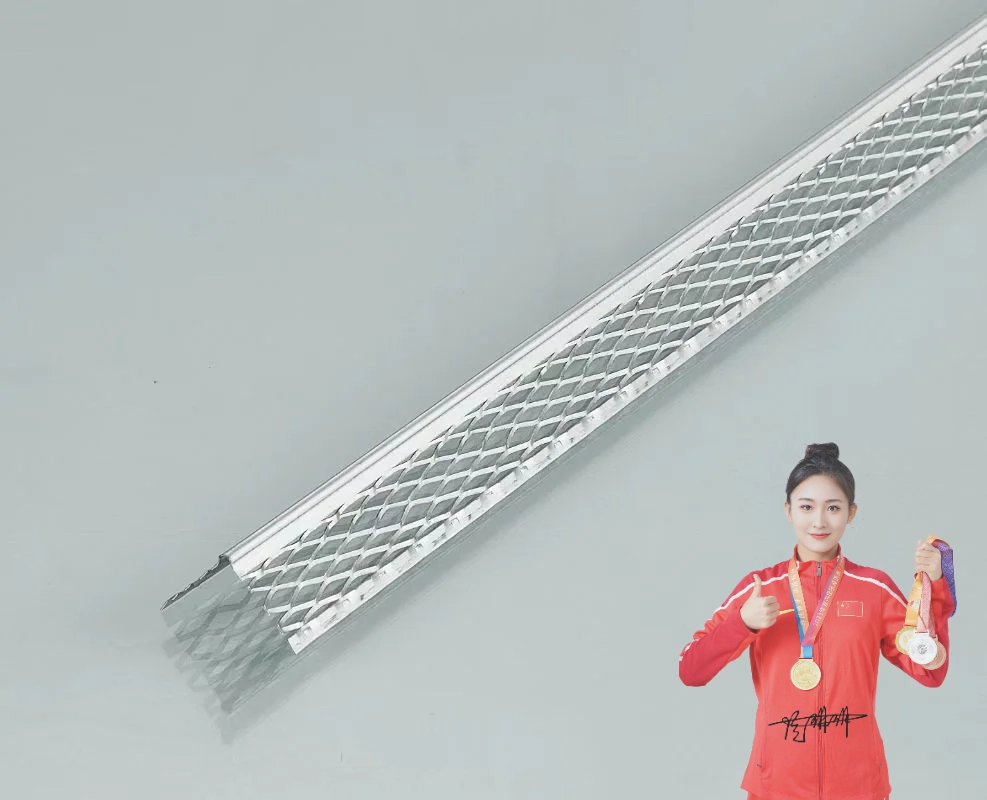
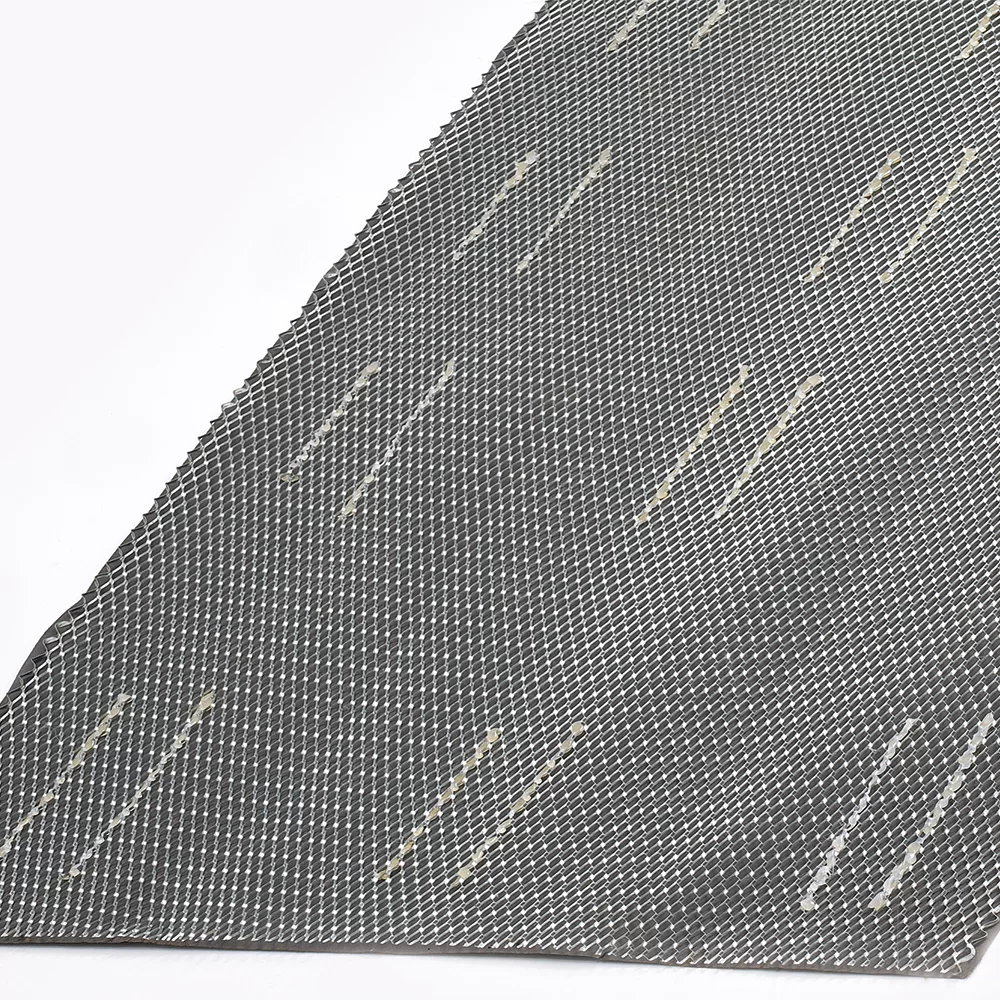
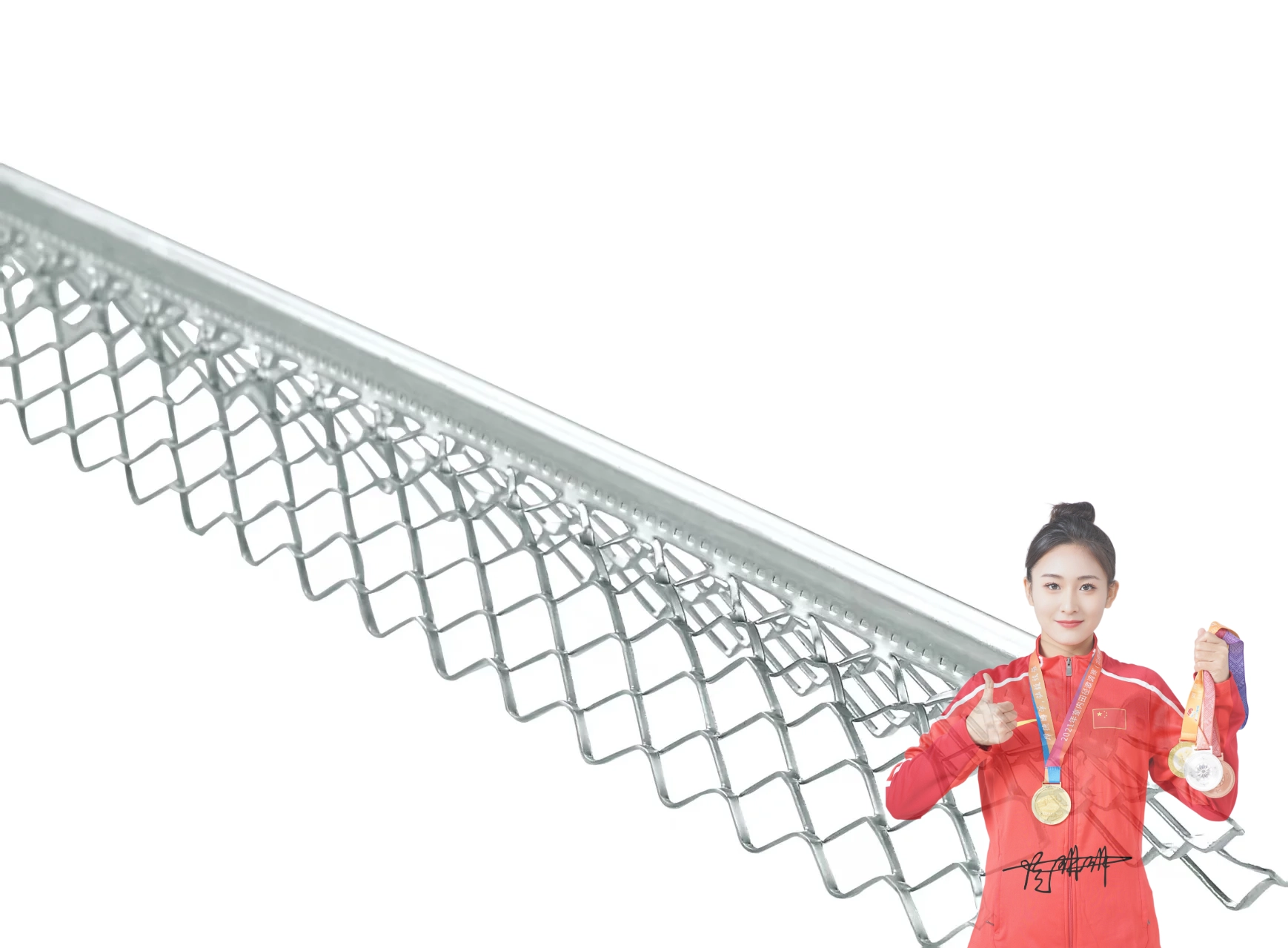
Put simply, a steel remesh fence is a kind of fencing made from steel mesh — a grid of steel wires welded or woven tight enough to provide strength and rigidity. Originally designed to reinforce concrete slabs and structures, remesh has found a new life as a barrier system because of these same properties: durability, flexibility, and ease of installation.
It’s not some fancy or new invention. Rather, it's the steel mesh used as reinforcement, repurposed for direct fencing solutions, making it a rugged alternative where you want tight, hard-to-breach enclosures. In humanitarian contexts, for example, steel remesh fencing can erect fast, strong perimeters around relief zones, maintaining safety while allowing airflow.
Mini takeaway: Steel remesh fence is steel mesh repurposed from structural reinforcement into tough, reliable fencing.
Core Components That Make Steel Remesh Fence Tick
1. Durability
Steel remesh is galvanized or coated to resist corrosion, standing up to weather or chemicals in industrial areas. Many engineers say its lifespan can outshine more traditional fencing materials, especially outdoors.
2. Scalability and Modularity
Because remesh comes in standardized sheets or panels, it’s easy to scale up or down, whether you’re fencing a small site or miles of perimeter. Connecting panels can be done quickly, reducing on-site labor.
3. Cost Efficiency
It’s often less costly than welded wire fencing or chain link types, especially when you factor in longevity and reduced maintenance. Plus, sourcing steel from recycled content adds to its green credentials.
4. Security and Visibility
The grid layout is tight enough to deter intruders, while still letting light and air pass — a balance uncommon in fencing. That means workers or residents feel safely enclosed but not fenced off totally.
5. Environmental Sustainability
Steel is highly recyclable, and many manufacturers use eco-friendly coatings. This reduces waste and carbon footprint compared to plastic or wood fencing alternatives.
Mini takeaway: Strength, modularity, cost, security, and sustainability combine to make steel remesh fencing a practical solution.
Global Applications & Use Cases
Steel remesh fences don’t just sit quietly in the background — they’re actively shaping regions and industries:
- Construction & Public Works: Often used to secure construction zones and sites where concrete forms are yet to cure, providing a durable temporary boundary.
- Industrial Facilities: Remote mining sites or agro-industrial plants use these fences for perimeter security that withstands harsh climates (think Australia’s arid zones or Canada’s cold regions).
- Humanitarian Aid: Refugee camps and disaster relief operations rely on steel remesh fences to build quick, strong perimeters that support orderly distribution and shelter zones.
- Urban Infrastructure: Parks, pipelines, and railways utilize them for safety barriers and protection against vandalism or accidental entry.
In each setting, the fences are adapted to local needs — galvanized for salty coastal zones, heavy-gauge steel for desert heat, sometimes reinforced with barbed wire for added deterrence.
Mini takeaway: From disaster zones to urban parks, steel remesh fences prove adaptable and vital worldwide.
Advantages & Long-Term Value
Digging beneath the surface, the benefits of steel remesh fencing stretch beyond what the eye sees. They save money not just by lasting longer but by requiring less upkeep. This turns out to be a big deal for budget-conscious projects.
Socially, these fences can evoke a sense of order and safety — factors often overlooked but crucial for community psychology. When a site feels secure yet welcoming, trust grows. There’s even an emotional comfort in knowing that materials here are engineered for strength and sustainability, values increasingly prized by stakeholders.
Lastly, sustainability is a growing business imperative. Steel remesh fences fit this narrative because they are recyclable and often made from recycled steel, reducing pressure on virgin resources.
Mini takeaway: Reliable, sustainable, and cost-effective — steel remesh fences add value that lasts decades.
Future Trends Shaping Steel Remesh Fence
Innovation in steel fencing isn’t dead — far from it. Advanced coatings, like those featuring nano-technology, promise fences that resist rust even longer. Smart fencing solutions, embedding sensors into remesh panels, are on the rise, turning passive fences into first responders for breaches or damage.
Environmental policies also push manufacturers towards greener steel sources and lower carbon footprints. Solar-powered fencing lights and automated gates integrated with remesh fencing are becoming a norm in high-security settings.
And then there’s digital fabrication: modular remesh panels that snap together easily, speeding deployments from weeks to days, or hours, in emergency zones.
Mini takeaway: Technology and sustainability will redefine steel remesh fences as smart, eco-conscious barriers for tomorrow.
Challenges and Practical Solutions
Despite many upsides, steel remesh fences can face obstacles. Corrosion remains an issue in salty or chemically harsh environments if coatings degrade. Installation in rugged, uneven terrain can also complicate panel fitment, leading to gaps or weaker points.
Experts recommend routine inspections and applying field-friendly touch-up coatings when needed. For terrain issues, modular fencing kits that come with adjustable fittings or prefabricated corners help maintain integrity without costly custom work.
Importantly, supply chain disruptions — a recent global hiccup — sometimes make sourcing steel inconsistent. Forward-looking vendors stockpile wisely or diversify suppliers to neutralize risk.
Mini takeaway: Thoughtful installation and maintenance plus strategic sourcing keep steel remesh fencing reliable.
FAQ: Frequently Asked Questions About Steel Remesh Fence
- Q1: How long does a steel remesh fence typically last outdoors?
- A1: With proper galvanization or protective coatings, steel remesh fencing can last 20 to 30 years outdoors, sometimes longer. Maintenance to fix minor corrosion or damages extends this life, especially in harsh environments.
- Q2: Is steel remesh fence suitable for rapid deployment sites like disaster zones?
- A2: Absolutely. Due to its modular panel design and relative lightness, steel remesh fencing can be quickly assembled and disassembled, making it ideal for temporary security perimeters in emergency relief efforts.
- Q3: Can steel remesh fencing be customized in terms of height or mesh spacing?
- A3: Yes, manufacturers often offer various panel sizes, wire gauges, and mesh spacing to suit different security levels and applications, from low perimeter fences to high-security installations.
- Q4: How does steel remesh fencing compare to chain link fencing in cost and durability?
- A4: Generally, steel remesh fence provides higher durability and rigidity than chain link, often at a comparable or slightly lower lifecycle cost due to reduced maintenance and longer service life.
- Q5: What environmental benefits does steel remesh fence offer over plastic fencing?
- A5: Steel fencing is highly recyclable, typically made from recycled steel, and doesn’t degrade into harmful microplastics. It’s a more sustainable choice with a smaller ecological footprint during production and disposal.
Mini takeaway: Steel remesh fencing answers practical questions with durability, versatility, and sustainability in mind.
Steel Remesh Fence Product Specification Table
| Specification |
Typical Value |
Notes |
| Material |
Galvanized Steel |
Zinc coating 250 g/m² typical |
| Wire Diameter |
4 - 6 mm |
Varies by security level |
| Mesh Size |
50 mm x 50 mm |
Standard, customizable |
| Panel Size |
2 m x 2.4 m (typical) |
Easy to handle square panels |
| Weight |
20 - 30 kg per panel |
Depends on gauge and size |
| Finish |
Hot-dip galvanization or powder coating |
Enhances weather resistance |
Vendor Comparison Table: Leading Steel Remesh Fence Suppliers
| Supplier |
Product Range |
Customization |
Lead Time |
Price Range |
| Corner Bead Manufacturing |
Standard + Custom Panels |
High – wire gauge, mesh size, coatings |
2-4 weeks |
Mid-range |
| SteelMesh Corp |
Bulk Standard Panels |
Low |
1-3 weeks |
Budget |
| Global Fence Solutions |
High Security Panel Lines |
Medium |
4-6 weeks |
Premium |
Wrapping Up: Why Steel Remesh Fence Deserves a Spot in Your Project
To me, steel remesh fence captures a neat blend of tradition and innovation — rooted in century-old steelmaking but adaptive enough to meet tomorrow’s demands. Whether you’re securing an industrial site, boosting post-disaster safety, or building with green principles in mind, these fences stand as a reliable partner. I encourage you to explore how this system can fit your needs, offering resilience, sustainability, and a certain peace of mind wandering through panels crafted to last.
Curious? Visit our website to dive deeper into products, customization, and how steel remesh fence can elevate your next project.
1. International Organization for Standardization (ISO)
2. World Bank Infrastructure Data
3. Wikipedia: Steel