Understanding the Different Types of Corner Bead: A Practical Guide
If you’ve ever worked in drywall installation or building construction, you’ve probably run into corner bead — that nifty piece of hardware designed to reinforce and finish the edges where two drywall sheets meet. But here’s the kicker: not all corner beads are created equal. The varieties in types of corner bead might feel like a detail only tradespeople care about, but frankly, it really matters. Choosing the right type can affect everything from the strength and durability of corners to the aesthetics and even environmental impact of a build.
Global Context: Why Types of Corner Bead Matter
Construction is a worldwide industry powering economies and communities, responsible for around 13% of global GDP according to the World Bank. Within that, the drywall sector is essential to both new builds and renovation projects — and corners in drywall systems are stress points. For instance, in high-traffic commercial buildings or disaster relief shelters, corners without proper reinforcement can crack and degrade, leading to costly repairs. The types of corner bead used address this challenge head-on, offering reinforcement to walls worldwide, from the cold urban centers of Europe to the hot climates of Australia.
Moreover, the COVID-19 pandemic reinforced the urgency for rapid construction methods, where choosing the appropriate corner bead affected how quickly spaces could be made safe and resilient.
What Exactly Are Types of Corner Bead?
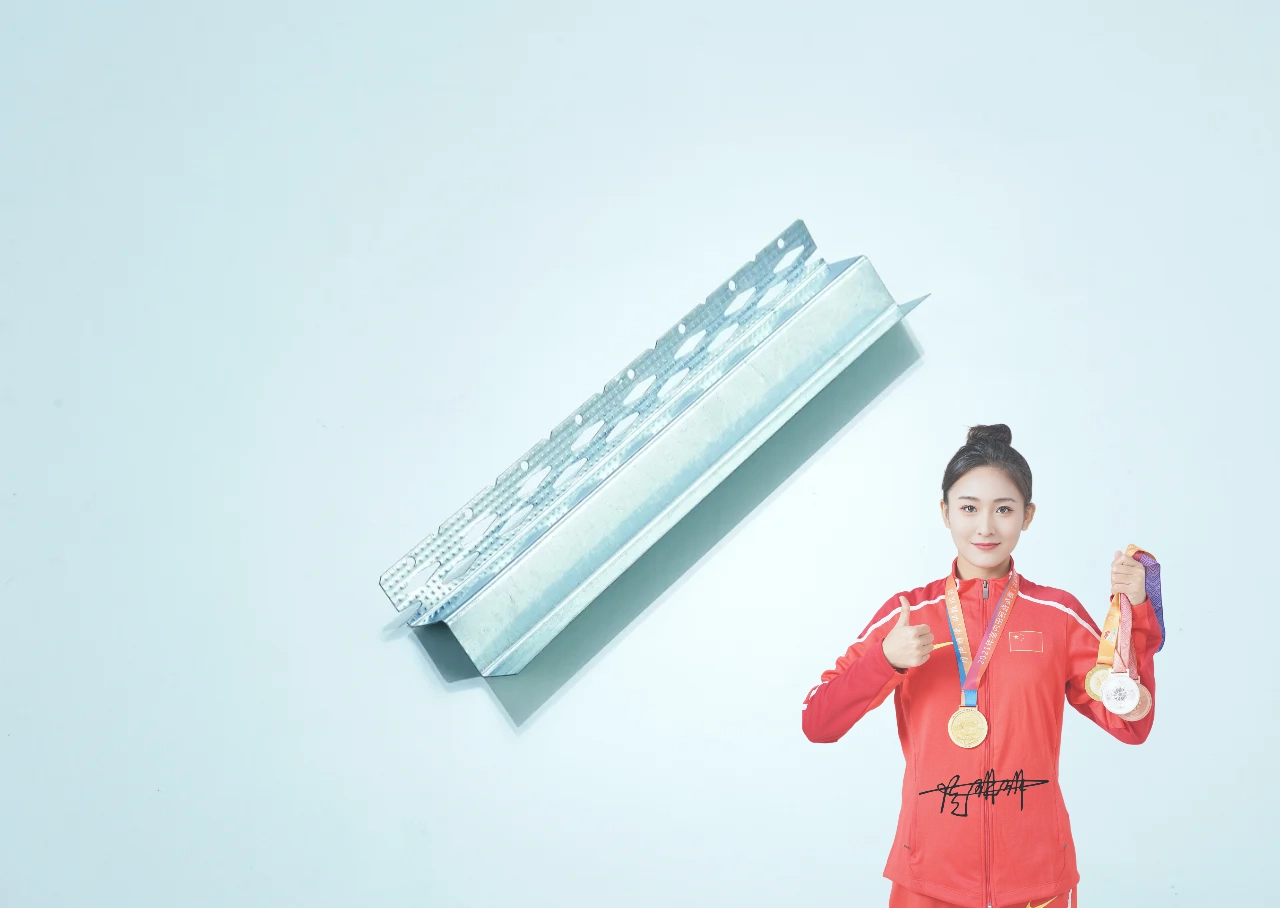
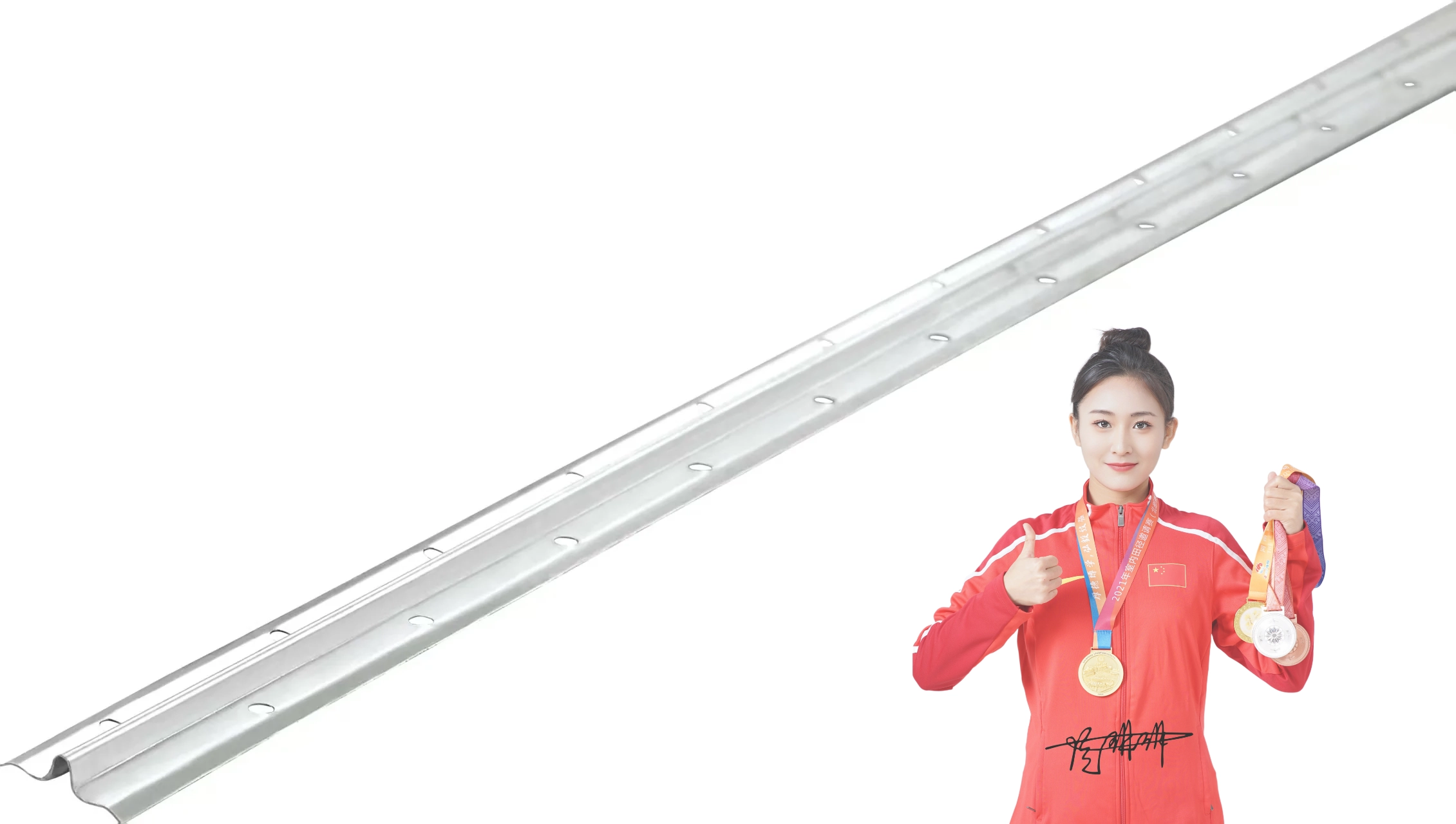
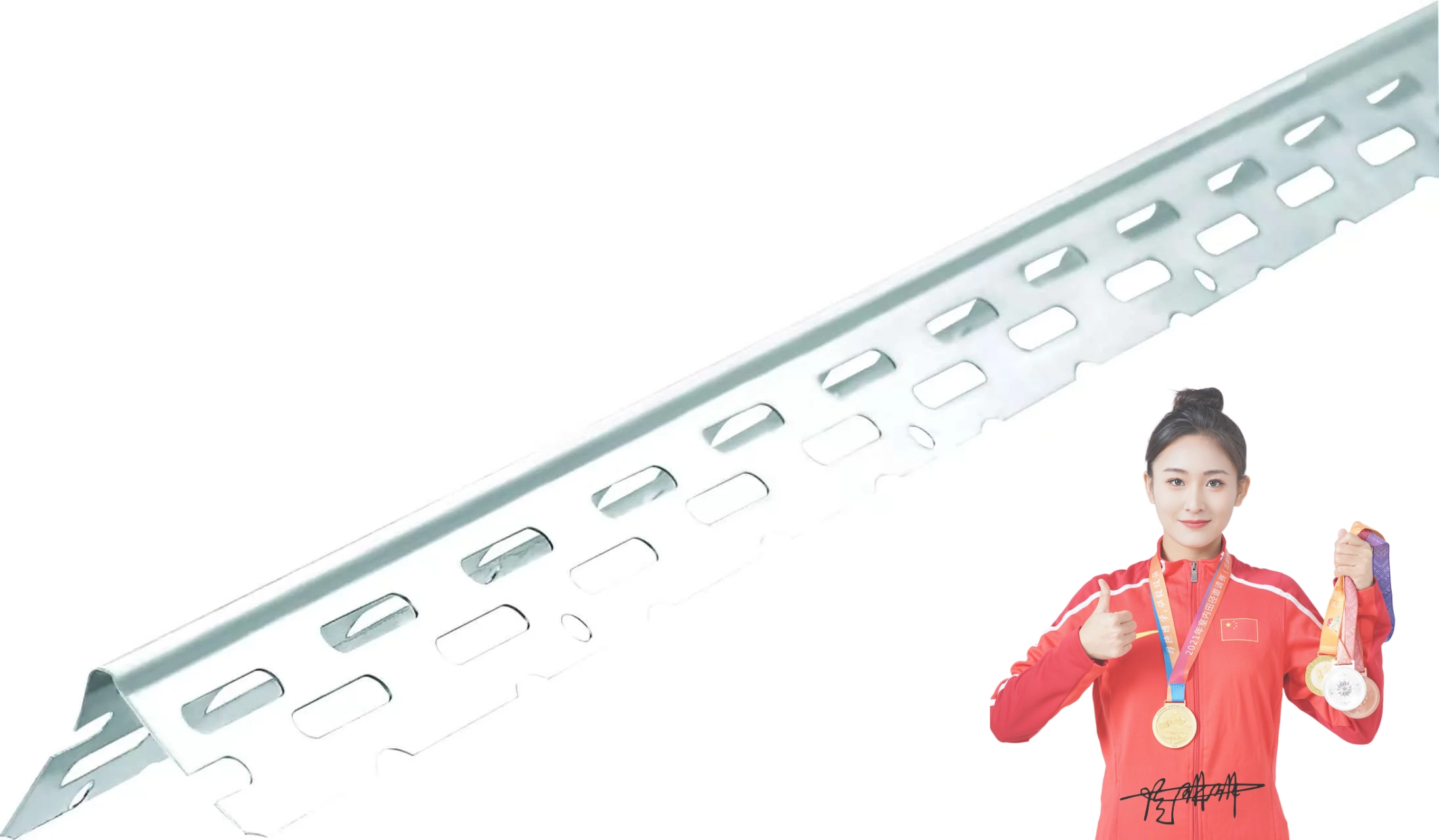
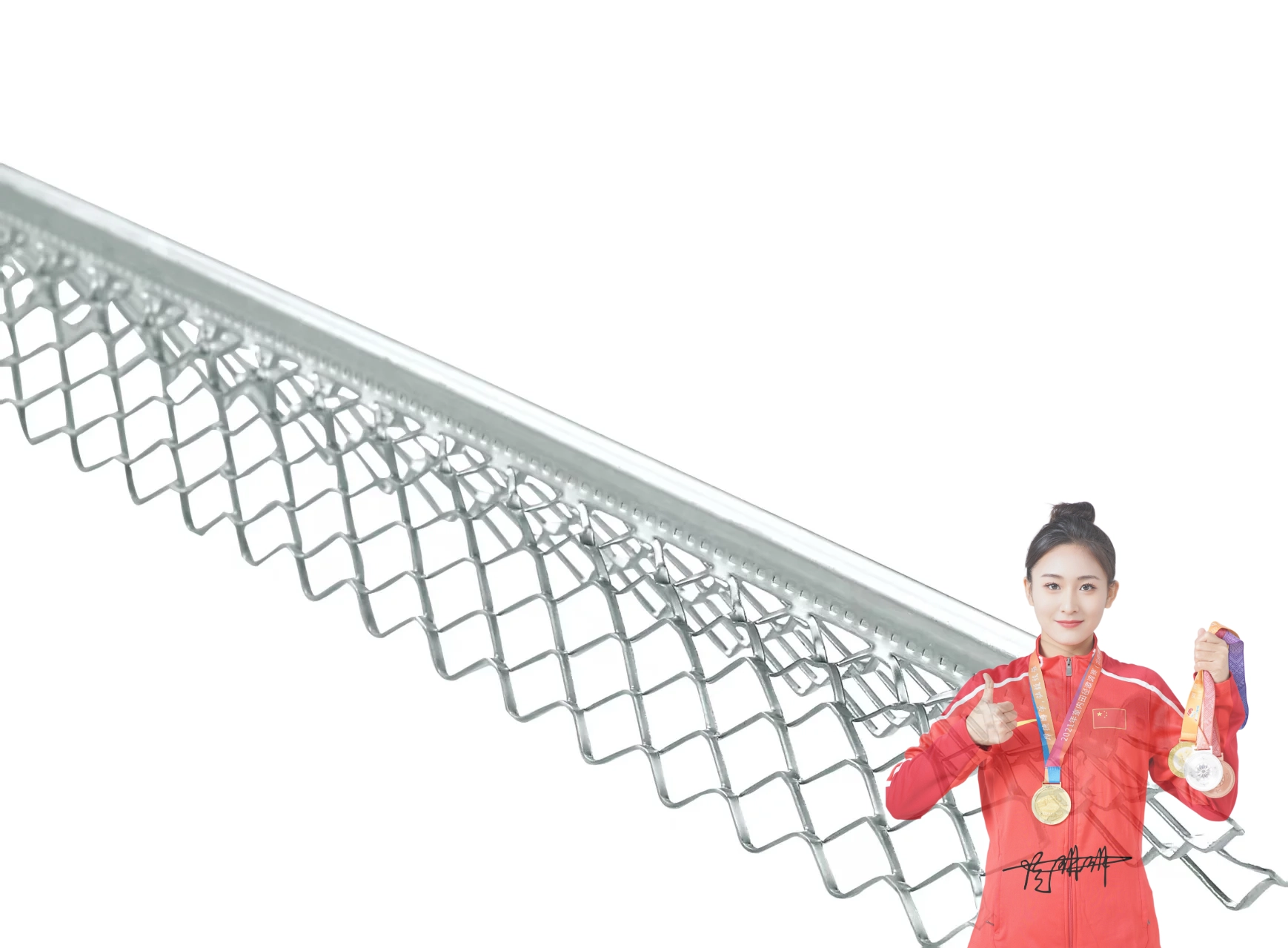
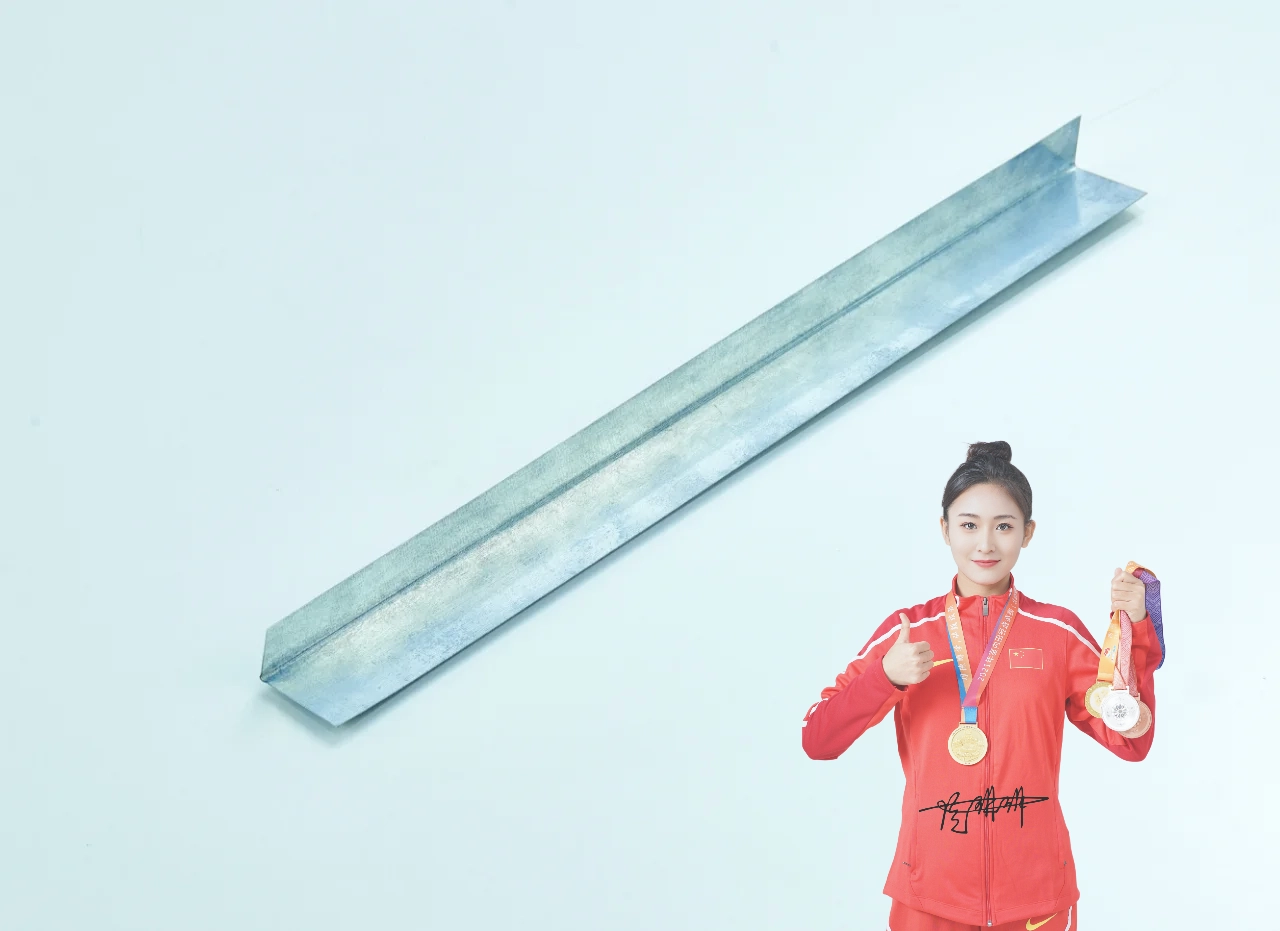
Corner beads are strips—usually metal, vinyl, or paper-faced—that protect and shape the external corners of drywall installations. Think of them as the unsung heroes guarding edges from chipping or cracking under repeated stress. Types of corner bead refer to the material composition (like galvanized steel, aluminum, PVC), design (like metal angle, paper-faced, or flexible beads), and even special-purpose variants (such as rust-resistant or reinforced versions).
These small components have a surprisingly outsized role in ensuring the longevity and finish quality of drywall corners, meaning a building’s aesthetic appeal and structural integrity often hinge on the right choice here.
Key Factors When Choosing Types of Corner Bead
Durability
Durability is paramount. Metal corner beads, particularly galvanized steel, offer strength and resistance to impact. Vinyl beads, while less strong, excel in moisture-heavy environments because they don’t rust. Paper-faced beads are popular where a smooth finish is desired, but they need careful installation to avoid water damage.
Flexibility
Not all corners are perfectly straight, especially in renovations or curved architectural features. Flexible corner beads conform to curved corners without cracking, making them invaluable in modern, artistic builds.
Cost Efficiency
Choosing bead material influences project budget. Steel tends to cost more but pays off in durability; vinyl and paper-faced options can save money upfront, though sometimes at a trade-off in lifespan.
Ease of Installation
Some types are easier or quicker to install. Paper-faced beads, for example, can be applied with joint compound directly, speeding up finishing. Metal beads might need nails or screws, which adds labor but returns in sturdiness.
Corrosion Resistance
Materials like aluminum or PVC corner beads avoid rust, making them preferred in coastal regions or damp basements. It’s a factor policymakers and builders consider seriously in places prone to humidity.
Popular Types of Corner Bead: A Quick Spec Table
| Type |
Material |
Best Use |
Pros |
Cons |
| Galvanized Metal |
Steel |
High-traffic commercial areas |
Durable, impact-resistant |
Prone to rust if damaged coating |
| Aluminum |
Aluminum |
Humid or coastal environments |
Corrosion resistant, lightweight |
Less impact-resistant than steel |
| Vinyl |
PVC |
Wet areas like bathrooms |
Waterproof, rust-free |
Less sturdy, can crack |
| Paper-Faced |
Heavy-duty paper with metal or fiberglass |
Smooth finished walls in residential projects |
Easier finish, minimal cracking |
Susceptible to water damage |
Global Applications and Case Scenarios
Corner beads aren’t just for show — they are crucial in places where infrastructure resilience is a must. In earthquake-prone zones like Japan, high-grade metal corner beads help walls endure tremors without crumbling. Conversely, in regions of sub-Saharan Africa, rapid-build housing projects often use vinyl beads due to their moisture resistance and ease of installation.
NGOs and humanitarian organizations lean on prefabricated construction elements that include specialty corner beads to hasten shelter building after natural disasters. This is not only about speed but ensuring long-term habitability and safety — corners that chip or crack can undermine the whole structure over time.
Advantages and Enduring Value of Proper Corner Bead Selection
- Cost-Effectiveness: Choosing durable corner beads reduces repair costs over a building’s lifetime.
- Sustainability: Some new paper-faced and recycled vinyl beads contribute to greener building practices.
- Safety and Comfort: Reinforced corners mean fewer hazards from sharp edges or falling debris.
- Aesthetic Appeal: A smooth, straight corner cream creates professional finishes that impress clients and occupants alike.
Frankly, getting corner beads right demonstrates craftsmanship and attention to detail, something many builders hold dear.
Innovations and Trends in Types of Corner Bead
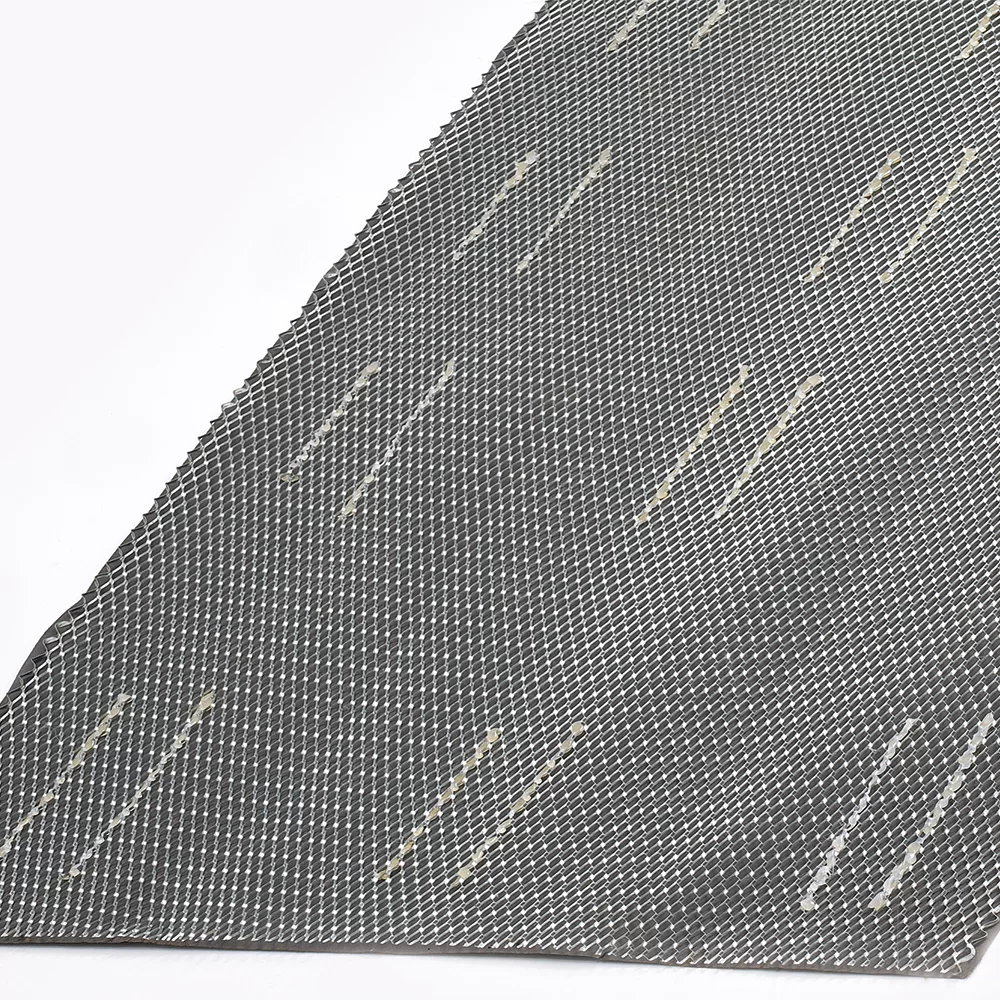
We’re seeing emerging use of fiberglass mesh beads with enhanced flexibilities and even antimicrobial coatings for hospitals. Digital advances such as 3D printing custom corner bead profiles for unique architectural designs are gathering momentum. Environmentally, biodegradable composite materials are being tested, aligning with ISO standards on sustainable construction.
Challenges and How Industry Experts Tackle Them
One nagging challenge is moisture damage, especially with paper-faced beads. The solution often lies in combining bead types or using moisture barriers. Another is ensuring proper installation: even the best corner bead falters if nailed improperly. So many training programs stress not just product specs but skilled application.
Vendor Comparisons: Popular Providers of Corner Beads
| Vendor |
Specialty |
Material Options |
Price Range |
Geographic Reach |
| CornerPro Inc. |
Heavy-duty metal beads |
Galvanized Steel, Aluminum |
$$$ |
North America, Europe |
| FlexBead Solutions |
Flexible and curved beads |
Vinyl, Mesh, Fiberglass |
$$ |
Global |
| EcoBead Manufacturing |
Sustainable solutions |
Recycled Paper-Faced, Biocomposites |
$$ |
Asia, Europe |
FAQ: Frequently Asked Questions About Types of Corner Bead
- What is the best type of corner bead for damp environments?
- Vinyl or aluminum corner beads are generally preferred for damp or humid conditions due to their resistance to moisture and corrosion. Paper-faced beads are less ideal here unless special waterproofing is applied.
- How do flexible corner beads differ from regular ones?
- Flexible corner beads, often made from vinyl or fiberglass mesh, are designed to bend and conform to curved surfaces, unlike typical metal beads which are rigid and suited for straight corners.
- Are paper-faced corner beads eco-friendly?
- Yes, many paper-faced corner beads use recyclable materials and align with sustainable building practices, especially when sourced from manufacturers focusing on environmentally responsible production.
- Can corner beads affect the finishing process?
- Absolutely. Paper-faced beads often allow a smoother finish with fewer coats of joint compound, saving time and labor, whereas metal beads sometimes require more finishing work but provide increased durability.
- Is it possible to use different types of beads in the same project?
- Certainly. Many builders mix types according to area requirements—for example, using metal beads in high-impact zones and vinyl beads in moisture-prone rooms.
Conclusion: Why Choosing the Right Types of Corner Bead Pays Off
So, while corner beads might seem like an unglamorous detail, they’re actually a linchpin in building durability, aesthetics, and safety. Getting the right type—considering materials, environment, cost, and finish—saves headaches down the line. Whether you’re a contractor, architect, or DIY enthusiast, investing time to understand types of corner bead ensures you build smarter, not harder.
Need reliable corner beads tailored for your next project? Visit our website: https://www.cornerbeadmfr.com for expert guidance and quality products.
Oddly enough, it’s the small details like corner beads that often tell the biggest story about a building’s quality.
Quick Takeaways:
- Durability and moisture resistance are key when selecting corner bead types.
- Flexible beads unlock creative design possibilities.
- Eco-friendly options are rising and worth considering for sustainable builds.
- Proper installation complements material choice for best results.
References:
- Wikipedia: Drywall
- World Bank: Urban Development
- ISO Standards for Sustainable Construction