Understanding Corner Bead Drywall: Essential Insights for Construction and Beyond
If you’ve ever walked through a newly finished home or office, chances are you’ve brushed past drywall corners that look seamless and strong — and that’s largely thanks to corner bead drywall. While the term might seem niche, understanding corner bead drywall is surprisingly important in construction worldwide, with ripple effects on building durability, aesthetics, and safety. Globally, efficient and durable drywall installation supports housing standards in both developed and developing regions, contributing to better shelter quality for millions.
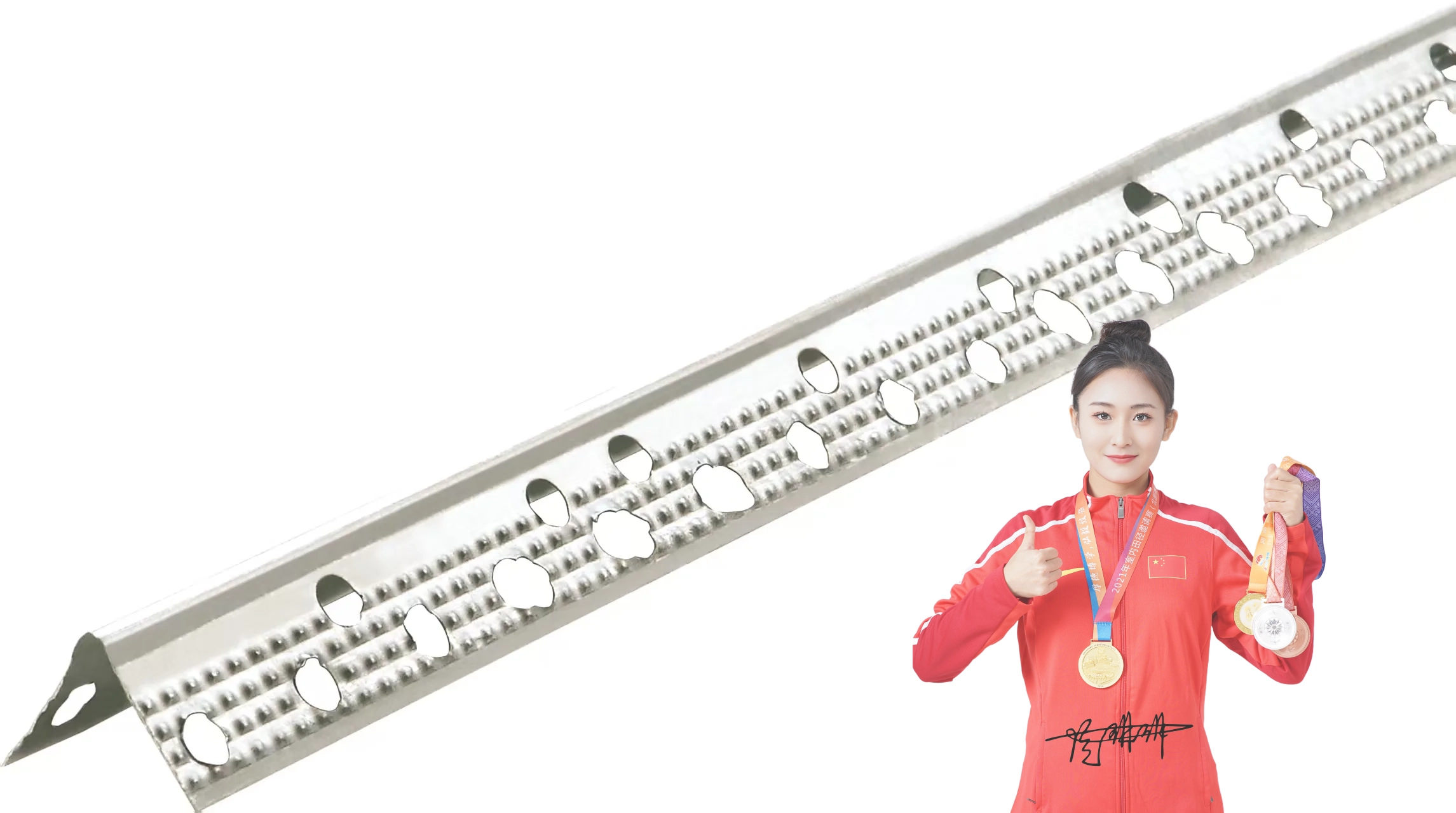
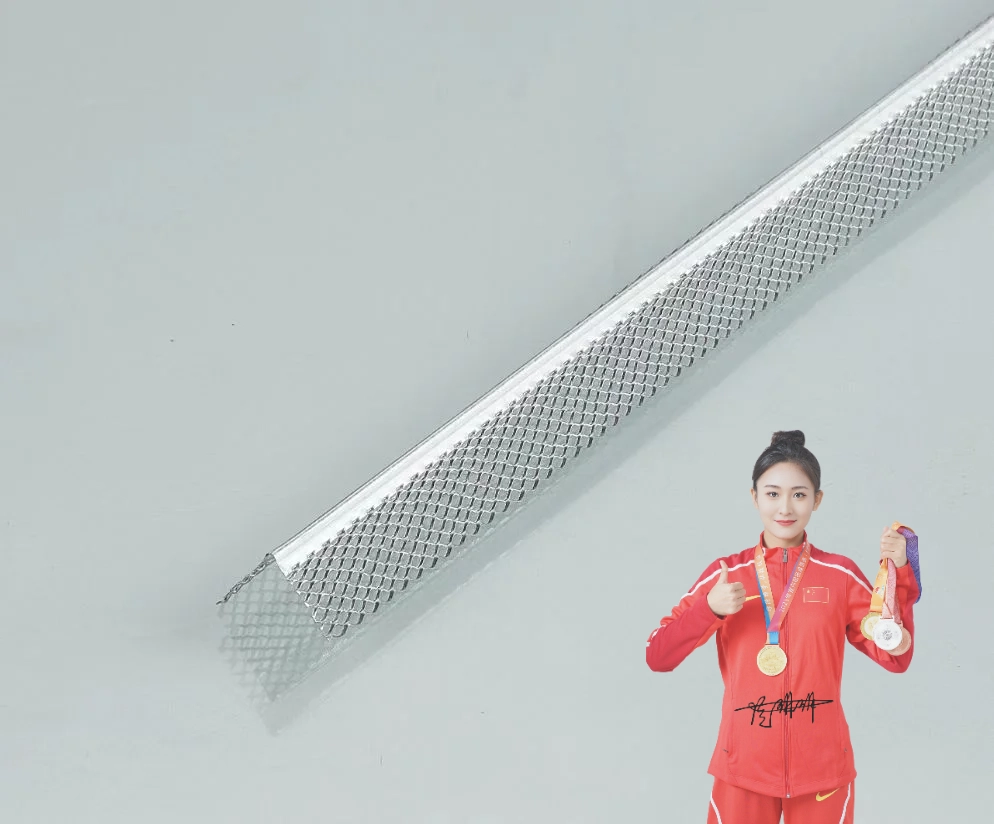
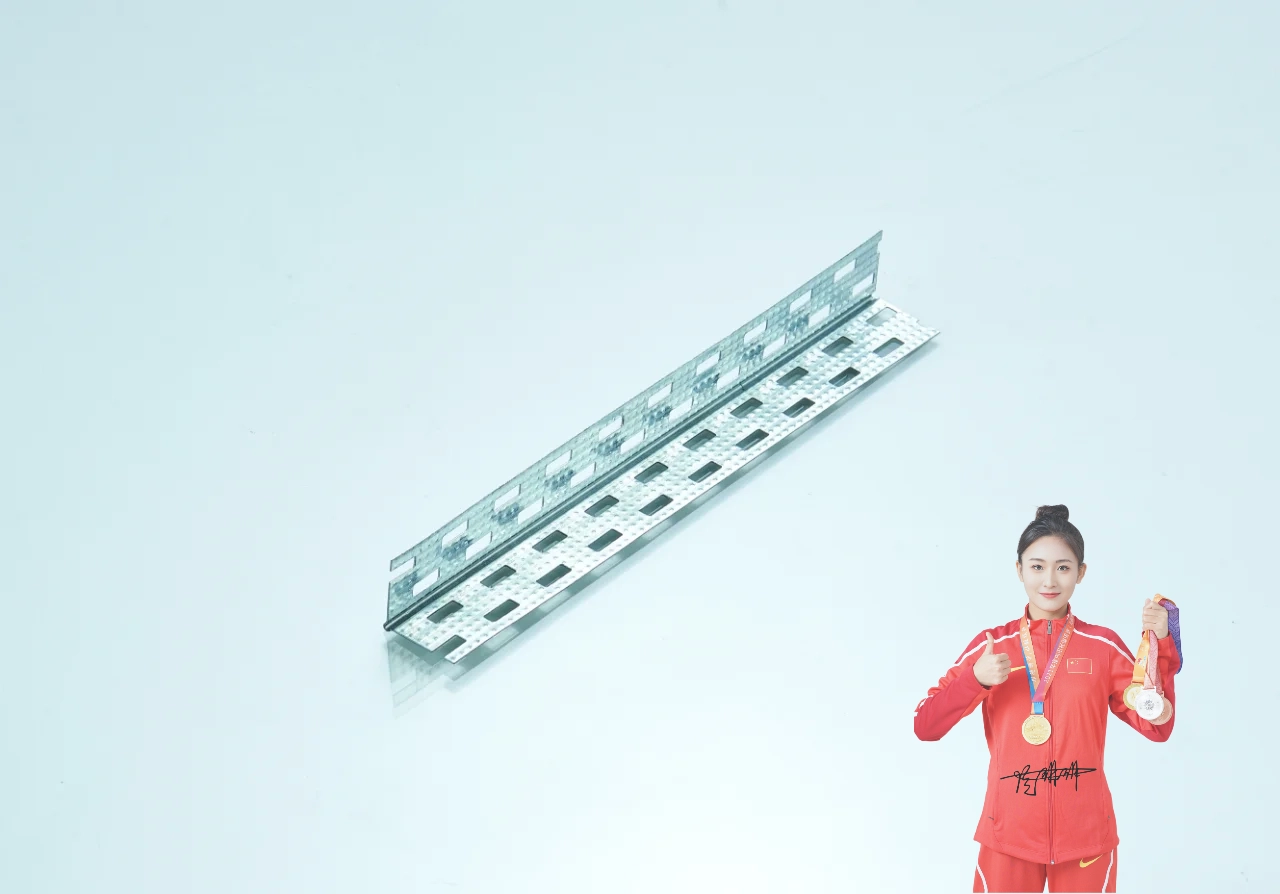
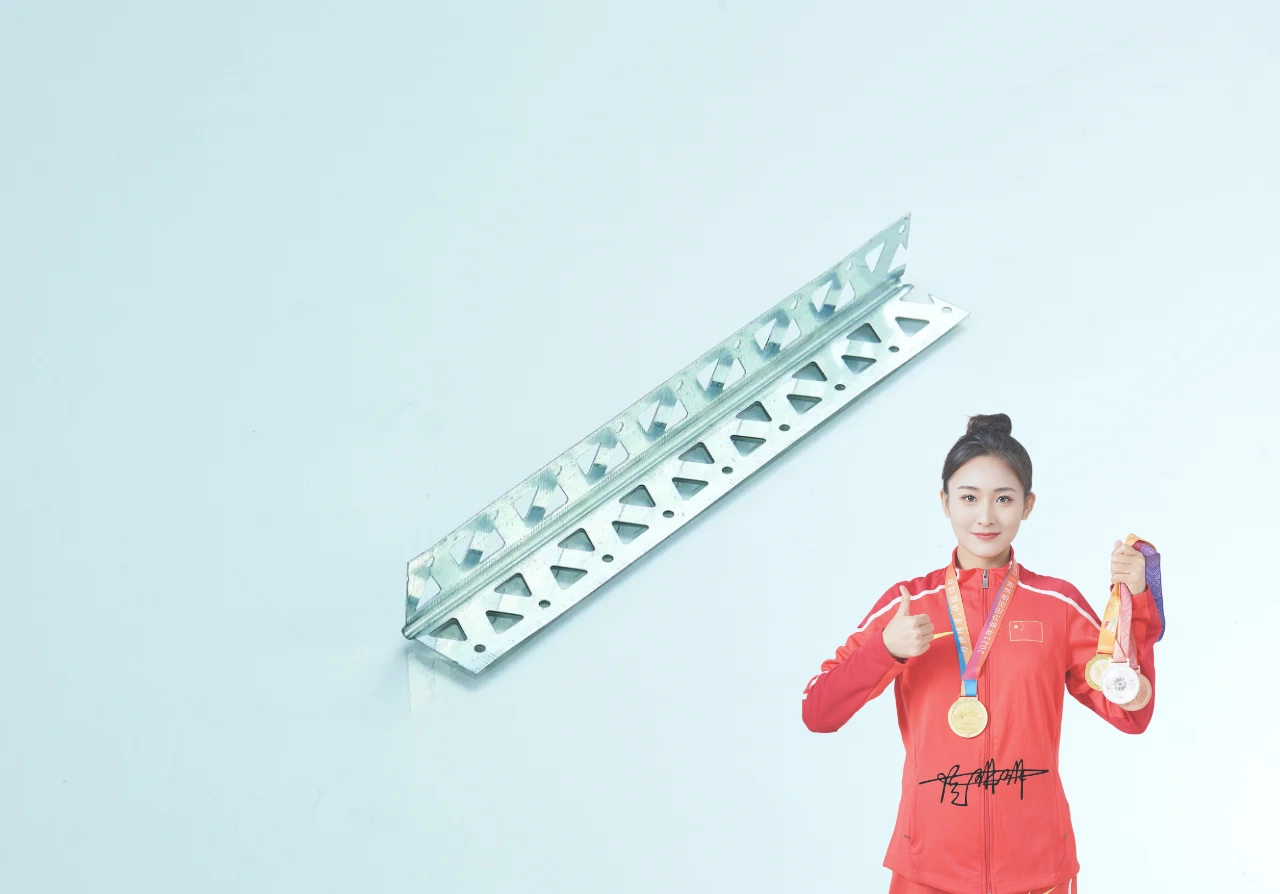
Simply put, corner bead drywall refers to the metal or plastic strips fitted on drywall corners to protect the edges and provide a clean, finished line. They’re the unsung heroes that stop corners from cracking or crumbling over time. If you think about it, corners bear a lot more physical stress than flat drywall surfaces — it’s where walls meet, and accidents or wear can cause damage easily.
Global Context: Why Corner Bead Drywall Matters in Construction
On a global scale, the construction industry is huge — accounting for nearly 6% of the world’s GDP according to the World Bank data (2023). A significant chunk of this involves drywall and framing in residential and commercial building projects. In fact, as urbanization accelerates, so too does the demand for faster, safer, and more cost-effective construction techniques. Corner bead drywall fits right into this puzzle.
What’s fascinating is how corners, though small parts of a room, often represent weak points in building durability. Damage from minor impacts, moisture, or poor installation can quickly escalate, leading to expensive repairs and even structural concerns in big projects. For example, post-disaster rebuilding efforts often prioritize not only speed but also the robustness of finishes — that’s where corner bead plays a role, helping ensure those walls don’t fall apart at the edges.
Mini takeaway: Globally, corner bead drywall contributes to safer, longer-lasting interiors, reducing maintenance frequency and enhancing overall building resilience.
What Exactly Is Corner Bead Drywall?
Let’s demystify the term itself. Corner bead drywall refers to the rigid strip — most commonly metal (galvanized steel or aluminum) or vinyl/polymer — attached to the external corners of drywall sheets. The purpose? To reinforce the corner, protect it from damage, and provide a straight surface that makes painting and decorating easier and cleaner.
This component is integral to modern drywall installation. Without it, corners would be far more vulnerable to dents, chipping, or cracking. In humanitarian contexts, such as refugee housing or temporary shelters, corner bead installation helps improve the durability and dignity of dwellings by preventing early deterioration.
Key Components and Features of Corner Bead Drywall
1. Durability and Impact Resistance
High-quality corner beads, especially galvanized metal ones, withstand knocks and bumps better than bare drywall edges. This is critical in high-traffic areas or spaces subject to rough use, like schools or hospitals.
2. Material Variants
Metal corner beads (steel or aluminum) are standard for strength; vinyl beads offer corrosion resistance and flexibility, helpful in humid environments or uneven walls.
3. Ease of Installation
Corner beads typically come perforated or with flanges for easy mudding and fastening. Installation speed can impact overall project timelines significantly.
4. Cost Efficiency
Despite being a small component, corner bead drywall influences repair costs long-term by reducing damage. Vinyl options may cost less initially but metal offers better lifespan.
5. Aesthetic Finish
Beyond function, corner beads provide that crisp edge painters need to deliver clean lines — a subtle but important visual detail.
Product Specifications of Common Corner Bead Drywall Options
| Feature |
Galvanized Steel |
Vinyl |
Aluminum |
| Thickness |
0.017 in (approx.) |
Flexible, ~0.030 in |
0.012 in (approx.) |
| Corrosion Resistance |
High (galvanized coating) |
Excellent |
Moderate |
| Impact Resistance |
Very High |
Moderate |
Good |
| Suitable For |
Indoor Dry Areas |
Moist / Humid Areas |
Indoor Areas, Corrosion-Prone Zones |
Global Applications and Real-World Use Cases
From new housing developments in dense urban centers of Asia to post-hurricane rebuilds in the US Gulf Coast, corner bead drywall is everywhere. Its ability to reinforce external corners extends the life of drywall installations dramatically. Oddly enough, even industries like shipbuilding or modular housing rely on specialized corner beads to maintain structural integrity and aesthetics.
In developing regions, NGOs often specify corner bead use in transitional shelters. This small detail adds dignity and protection for displaced families. Meanwhile, construction firms in remote industrial zones prefer robust metal corner beads to withstand harsh treatment by machinery or personnel.
Mini takeaway: Diverse industries and regions adopt corner bead drywall for protection, resilience, and finish—highlighting its global relevance.
Advantages and Long-Term Benefits
- Cost savings: Prevents expensive repairs and repainting by protecting edges.
- Durability: Boosts overall building resilience.
- Visual appeal: Enables clean, professional finishes.
- Sustainability: Longer-lasting interiors reduce material waste and environmental impact.
- Safety & trust: Reduces injury from sharp drywall edges and maintains structural confidence.
On an emotional or social level, it feels reassuring to know a building isn’t just functional but cared for in details like corners—especially in sensitive spaces such as schools or health clinics.
Innovations and Future Trends in Corner Bead Drywall
Materials science continues to push the envelope. There’s growing adoption of fiberglass corner beads that blend impact resistance with corrosion immunity and light weight. Plus, some companies explore smart coatings that inhibit mold or stains, enhancing lifespan further.
Digital integration — like laser-cut corner beads tailored to specific building designs — is another exciting development, optimizing installation speed and precision. Sustainability is also a key driver, with vendors aiming to reduce plastic use and utilize recyclable or reclaimed metals.
Challenges and Expert Solutions
One ongoing challenge is the balance between flexibility and durability. Vinyl beads resist moisture and are easier to cut but don't handle impact as well as metal. Meanwhile, metal beads sometimes corrode if the galvanized coating fails, especially in humid environments.
Experts suggest selecting bead materials based on project-specific factors: environment, expected wear, and installation skill. Also, ensuring precise installation and using compatible joint compounds reduce long-term failures.
| Vendor |
Material Options |
Price Range |
Typical Use Case |
| BeadPro |
Galvanized Steel, Vinyl |
$$ |
Residential & Commercial |
| EdgeGuard |
Aluminum, Fiberglass |
$$$ |
High-End & Industrial |
| VinylPlus |
Vinyl Only |
$ |
Moist Environments, Budget Projects |
FAQ: Practical Questions About Corner Bead Drywall
Q1: How do I decide between metal and vinyl corner bead for my project?
A1: Consider environmental conditions and expected wear. If moisture or corrosion is a concern, vinyl or corrosion-resistant aluminum might be better. Metal offers superior impact resistance but may require a protective coating in damp areas.
Q2: Can corner bead drywall be installed on curved corners?
A2: Yes, flexible vinyl and specialized metal beads are designed for curved corners, providing clean finishes while accommodating wall shapes.
Q3: How important is corner bead drywall for long-term building maintenance?
A3: Very important! Properly installed corner beads protect drywall corners from damage, reducing repair costs over a building’s lifetime and preserving aesthetic quality.
Q4: Are there eco-friendly options for corner bead drywall?
A4: Yes, fiberglass and recyclable metal options are growing in popularity. Look for products with environmentally friendly coatings and manufacturing processes.
Conclusion & Call to Action
In sum, corner bead drywall is more than just a construction detail; it’s a vital element that enhances safety, durability, and beauty in buildings worldwide. Whether in massive projects or modest home renovations, selecting the right corner bead makes a tangible difference. For more in-depth specs, material guides, and purchasing options, visit corner bead drywall — your go-to resource for quality drywall finishing components.
After all, corners often tell the story of quality. Getting them right means every wall, every room, and every structure stands strong and looks impeccable.
Reflection: It’s interesting how such a small piece of hardware carries so much weight in construction quality. Sometimes, the simplest parts truly uphold the biggest functional demands.
References
- World Bank Urban Development Overview
- Wikipedia: Drywall
- ISO Standards for Building Materials