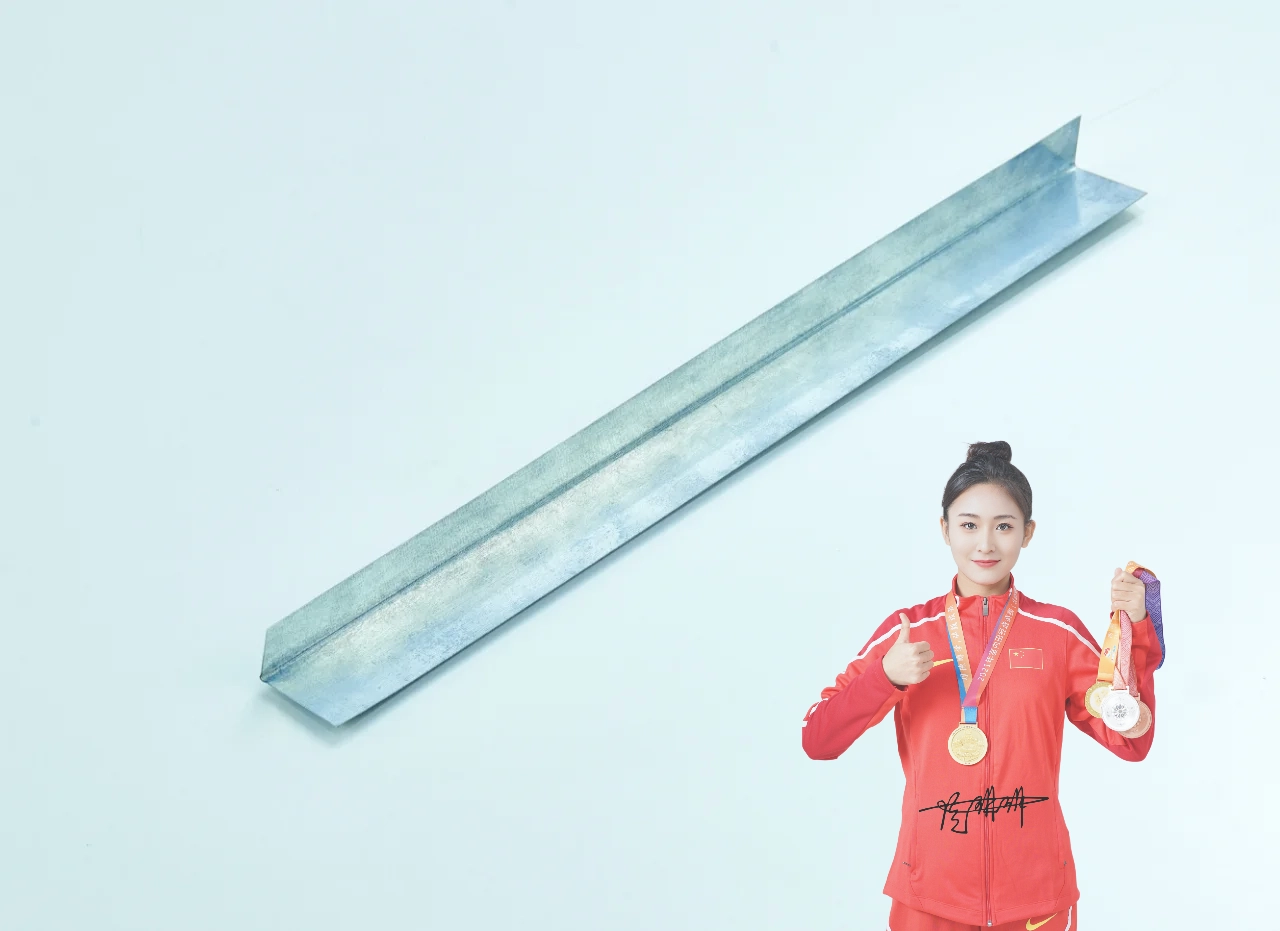
What is Corner Bead and Why Does It Matter Globally?
If you've ever walked into a freshly renovated home or climbed a new office building, chances are you've noticed those crisp, sharp edges on drywall corners or plaster finishes. That's the handiwork of corner bead, an essential but often overlooked building material. Simply put, it’s a protective trim used to reinforce and smooth out corners, enhancing both durability and aesthetics. Now, you might wonder why such a humble component is so crucial worldwide. But from improving safety in earthquake-prone zones to reducing maintenance costs in commercial developments, corner beads play a quiet yet vital role in construction quality and longevity.
Global Context: The Role of Corner Bead in Modern Construction
Construction industries around the world are booming—according to the UN's Human Settlements Programme, by 2050, nearly 70% of the world's population will live in urban areas. This drives an unprecedented demand for resilient, efficient building methods. Here’s where corner beads come in. They address a common challenge: corners being the first to suffer cracking, chipping, or wear in drywall and plaster installations. The problem is not just cosmetic. Damaged corners can lead to moisture intrusion, compromising structural integrity over time. In regions with high seismic activity or extreme weather, such failures have outsized impacts.
Defining Corner Bead: What It Is and Why It’s Key
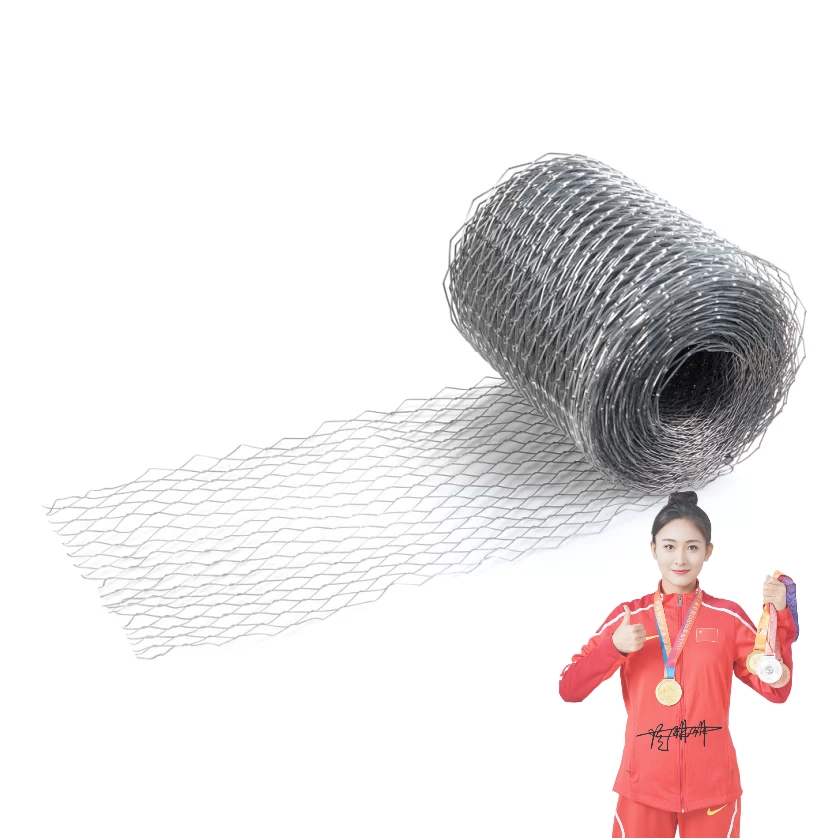
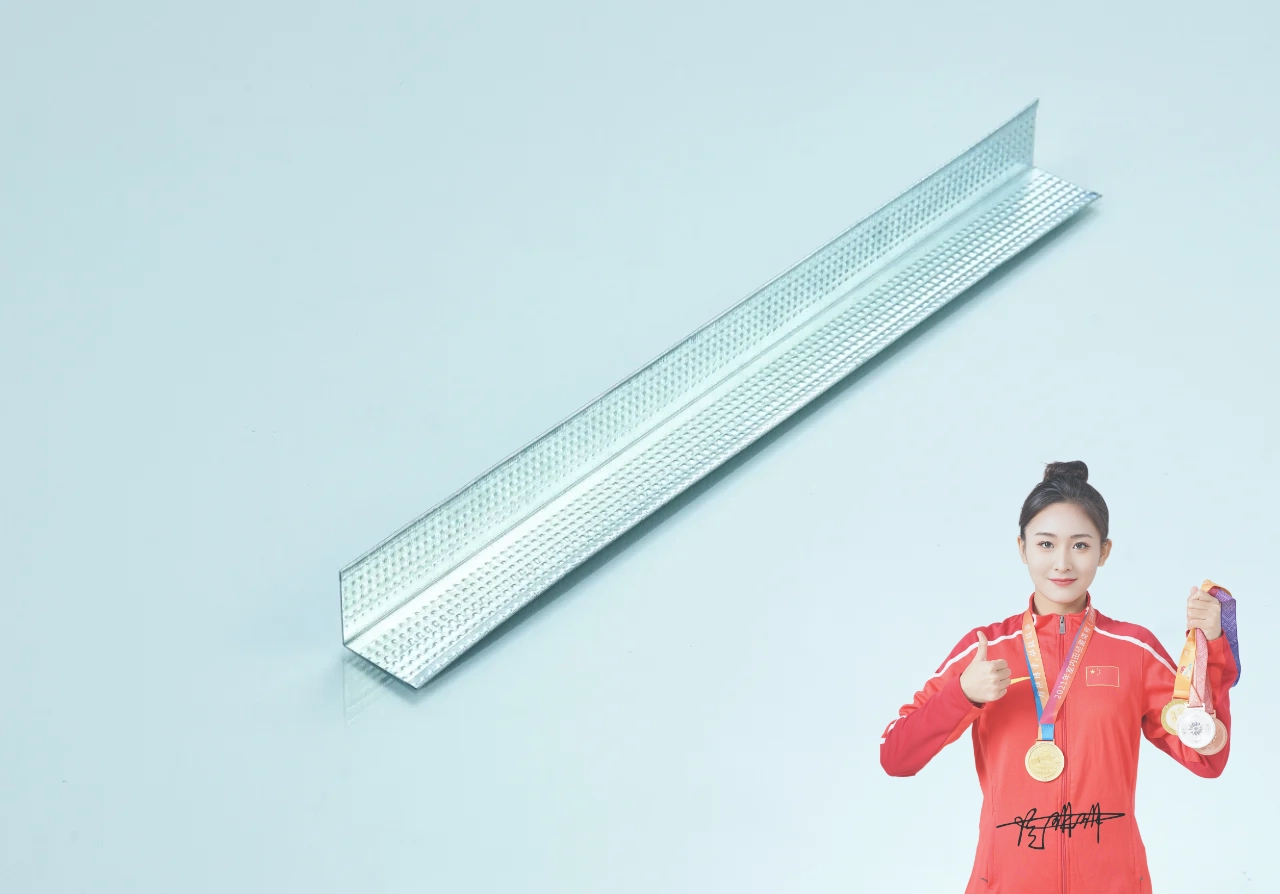
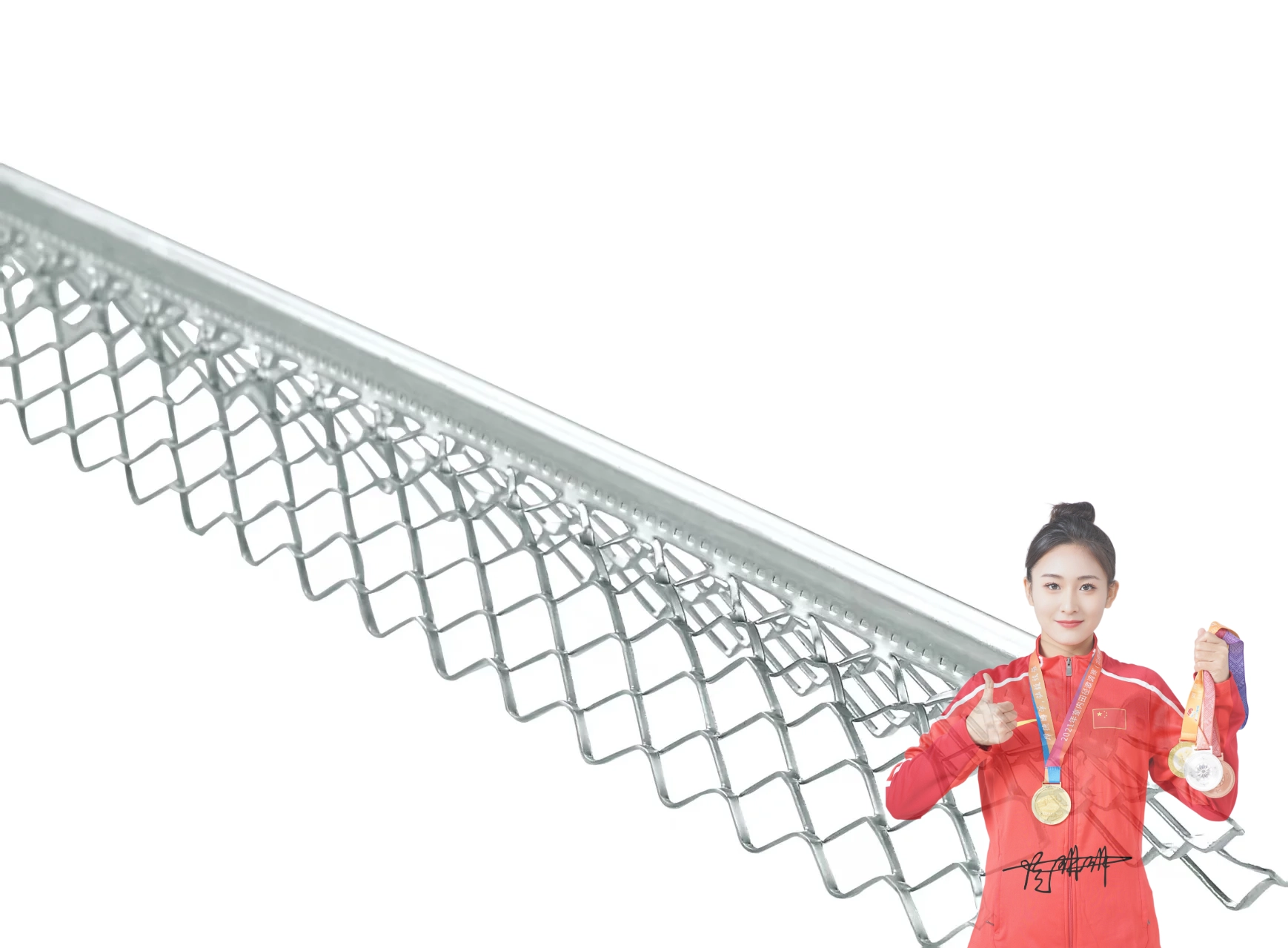
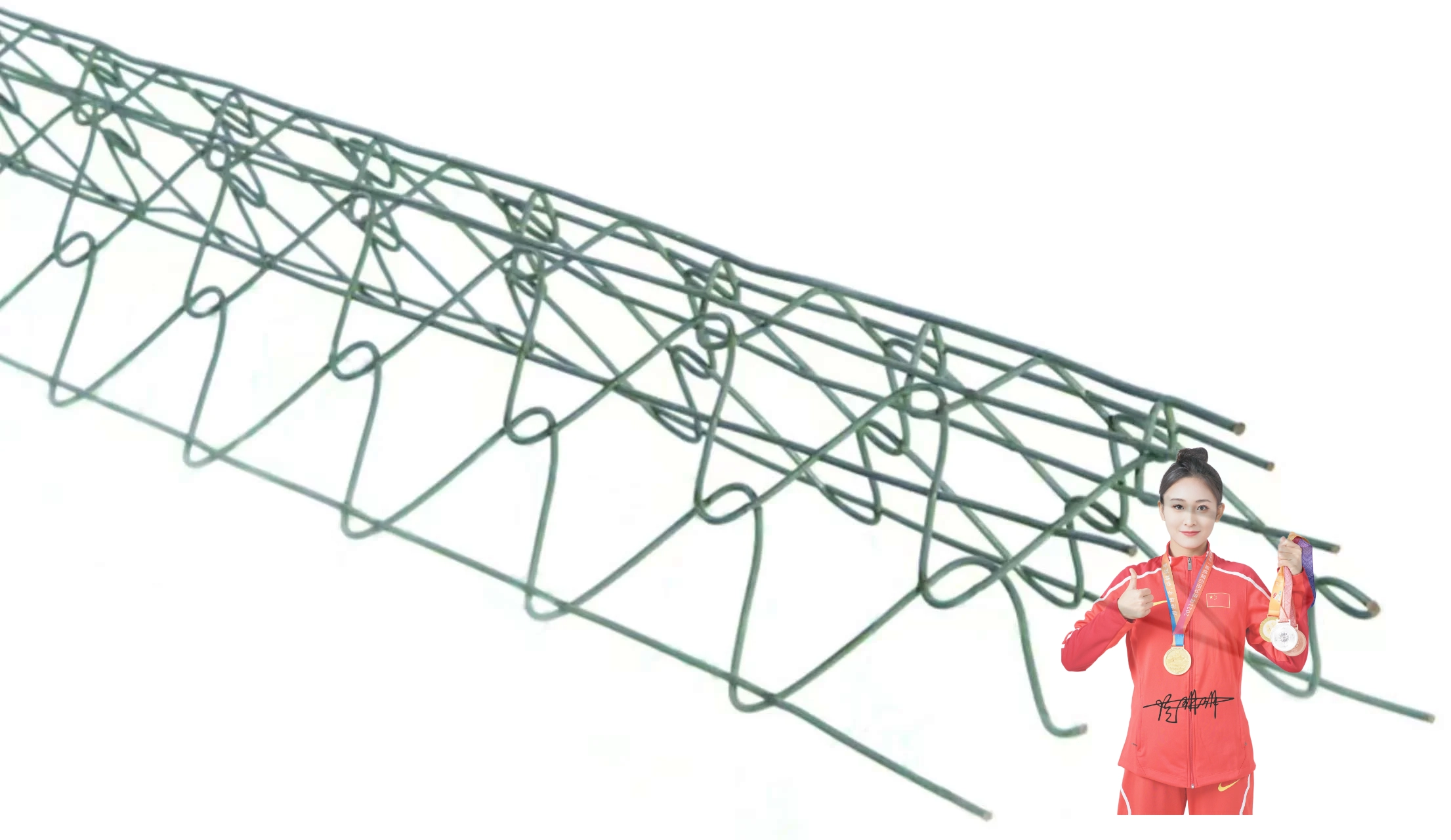
At its core, a corner bead is the strip — often metal, sometimes plastic or vinyl — that is installed on the edges of drywall to give a sharp, durable finish. Think of it as the “armor” protecting vulnerable building corners from everyday knocks, abrasion, and water damage. Not just a home-builder's tool, corner beads also find significant use in humanitarian and industrial efforts. For instance, modular housing projects in disaster relief rely on them to maintain structural soundness under challenging conditions.
Key Factors of Corner Bead You Should Know
Durability
Possibly the most critical characteristic — metal corner beads, typically galvanized steel or aluminum, resist cracking and corrosion, holding up to years of wear and tear. Vinyl options offer added flexibility but less toughness.
Ease of Installation
In fast-paced construction environments, quick application matters. Corner beads come in various forms: nailed, screwed, or adhesive-backed, catering to different project needs.
Cost Efficiency
While basic metal corner beads are surprisingly affordable, investing in higher-grade materials can significantly reduce replacement and repair expenses in high-traffic areas.
Aesthetic Appeal
A perfectly installed corner bead creates clean lines critical for modern minimalist designs, and a flawless paint finish. It might seem like a small detail, but it contributes greatly to the overall look.
Corner Bead in Action: Global Use Cases
In places like Japan or California, where seismic design codes are strict, corner beads form part of the strategy to mitigate wall damage during earthquakes. Over in Europe, environmental standards encourage materials that can be recycled or have low embodied energy, so manufacturers produce corner beads from sustainable composites. NGOs involved in post-disaster housing projects in South Asia deploy corner beads on prefabricated units to speed up durability and livability.
Industrial zones in harsh climates — like the Middle East or Northern Canada — use specialized coated metal corner beads to resist corrosion caused by heat or salt.
Advantages and Long-Term Value of Corner Bead
- Reduced Maintenance: Robust corners resist cracks and chips, meaning less patching and painting over time.
- Enhanced Safety: Sharp corners without protective trim can pose hazards; corner beads soften edges while preserving lines.
- Increased Property Value: Well-finished interiors reflect quality workmanship, often influencing buyer confidence.
- Environmental Impact: Durable products reduce waste and resource use associated with repairs or rebuilds.
Honestly, it feels like corner beads are those unnoticed silent workers—doing heavy lifting behind the scenes to keep walls strong and beautiful.
Corner Bead Specifications
| Property |
Metal Corner Bead |
Vinyl Corner Bead |
| Material |
Galvanized Steel or Aluminum |
PVC / Plastic |
| Corrosion Resistance |
High (with coating) |
Excellent |
| Flexibility |
Low |
High |
| Cost per foot |
$0.30 - $0.50 |
$0.45 - $0.60 |
| Installation |
Nail, screw, or adhesive |
Adhesive or snap-on |
Vendor Comparison: Top Corner Bead Suppliers
| Vendor |
Product Range |
Lead Time |
Price Level |
Sustainability |
| CornerPro Inc. |
Metal & Vinyl Beads, Custom Profiles |
2 weeks |
Mid-range |
ISO 14001 Certified |
| BuildRight Supplies |
Standard Metal Beads |
1 week |
Budget |
Limited |
| EcoBead Solutions |
Recycled & Biodegradable Materials |
3 weeks |
Premium |
Highly Sustainable |
Emerging Trends and Innovations in Corner Bead Technology
The future for corner beads looks, frankly, pretty interesting. Manufacturers are experimenting with new composite materials containing recycled fibers or bio-based resins that reduce environmental impact. Smart corner beads that integrate sensors to detect cracks or moisture intrusion are also being piloted — a real leap for preventive maintenance. Plus, digital design and automation mean suppliers can produce precisely cut lengths and custom profiles faster than ever, reducing waste on site.
Common Challenges and Expert Solutions
While corner beads seem simple, challenges persist. Inconsistent installation can cause bubbles or uneven lines, eroding the aesthetics and function. Also, vinyl beads sometimes warp over time in hot climates. To mitigate these, thorough applicator training is crucial. Innovations such as flexible, impact-resistant metals and pre-fabricated corner assemblies help overcome these hurdles.
FAQs About Corner Bead
- Q: How do I choose the right corner bead for my project?
A: Consider project requirements like exposure to moisture, impact resistance needed, and aesthetics. Metal beads are great for durability, vinyl for flexibility. Budget and installation method also matter.
- Q: Can corner beads be used on curved corners?
A: Yes, flexible vinyl corner beads are designed for curves, while some metal beads can be bent carefully, but you’ll want a specialist installer for the latter.
- Q: What maintenance do corner beads need?
A: Minimal, as long as installation was proper. Inspect periodically for chipping or dents, especially in high-traffic areas, and touch up paint as needed.
- Q: Are there eco-friendly corner bead options?
A: Absolutely. Several manufacturers produce corner beads from recycled materials or biodegradable composites. Look for products certified by ISO or environmental standards.
Conclusion & Next Steps
So, what’s the takeaway here? Corner beads, while small, play an outsized role in building durability, safety, and visual appeal worldwide. From seismically active regions to green building projects, they hold edges together quite literally. For builders, architects, and relief organizations alike, understanding their type and installation can save money and improve outcomes in the long run.
Ready to explore premium corner bead solutions tailored to your needs? Visit our website: corner bead — where quality meets expertise.
A small corner bead can make a big difference in your construction quality!
- United Nations Human Settlements Programme (UN-Habitat). World Urbanization Prospects. unhabitat.org
- ISO 14001 Environmental Management Standard. iso.org
- Seismic Design Procedures. United States Geological Survey (USGS). usgs.gov