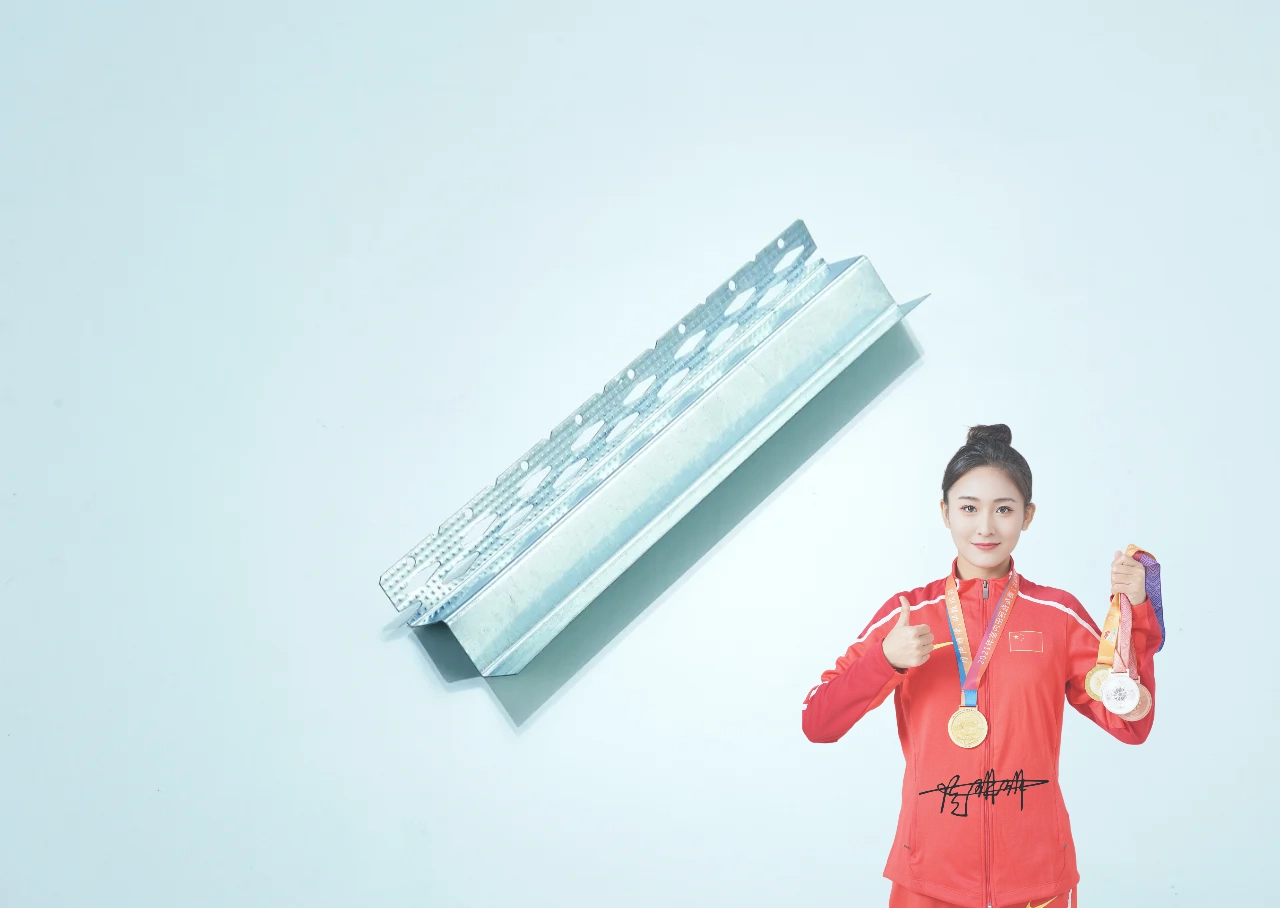
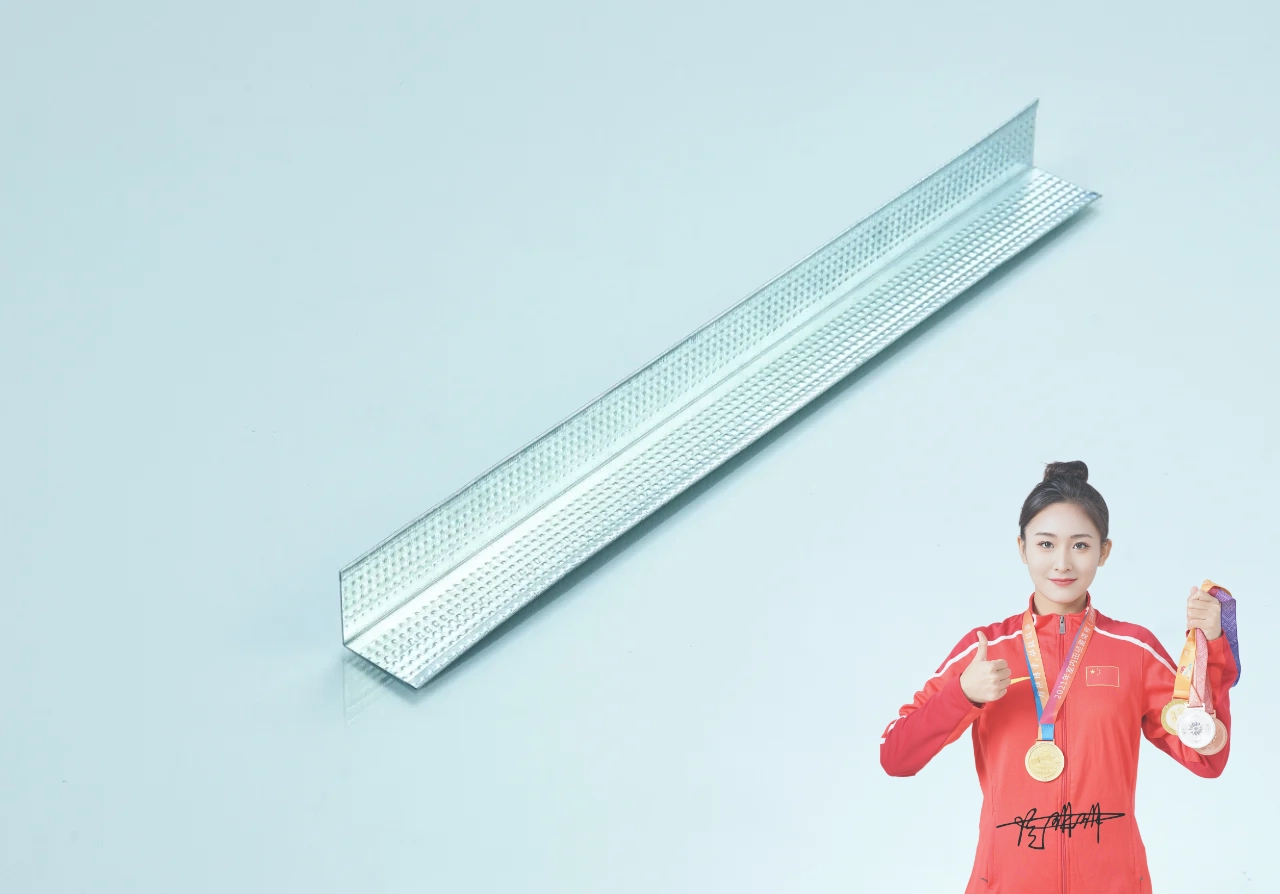
Corner Bead for Arches: Crafting Durable, Elegant Curves in Modern Construction
When you hear “corner bead for arches,” you might picture just a tiny strip of metal or plastic tucked neatly into drywall corners. But, in reality, it’s a crucial component shaping the durability, look, and efficiency of archway constructions worldwide. As cities grow and architectural styles revive classical forms, the demand for specialized corner bead solutions rises sharply. Understanding these elements is vital not just for craftsmen and contractors but also architects and humanitarian builders focused on resilient, beautiful structures that stand the test of time.
Introduction: Global Significance of Corner Beads in Architectural Arches
Surprisingly, the global construction market today faces unique challenges. The World Bank estimates that by 2050, nearly 70% of the world’s population will be urbanized—meaning more buildings with complex shapes like arches will be constructed. (1) Arches aren’t just aesthetic flourishes; they distribute loads in ways that can reduce material use and improve seismic resistance. That’s where corner bead for arches steps in. Without the right corner bead, those delicate curves risk cracking, weakening, even failure in extreme conditions.
Oddly enough, many builders underestimate the tiny components like corner beads, though they play a huge role in finishing quality and durability—especially in regions prone to weather extremes or in rapid post-disaster reconstruction scenarios.
What Is a Corner Bead for Arches?
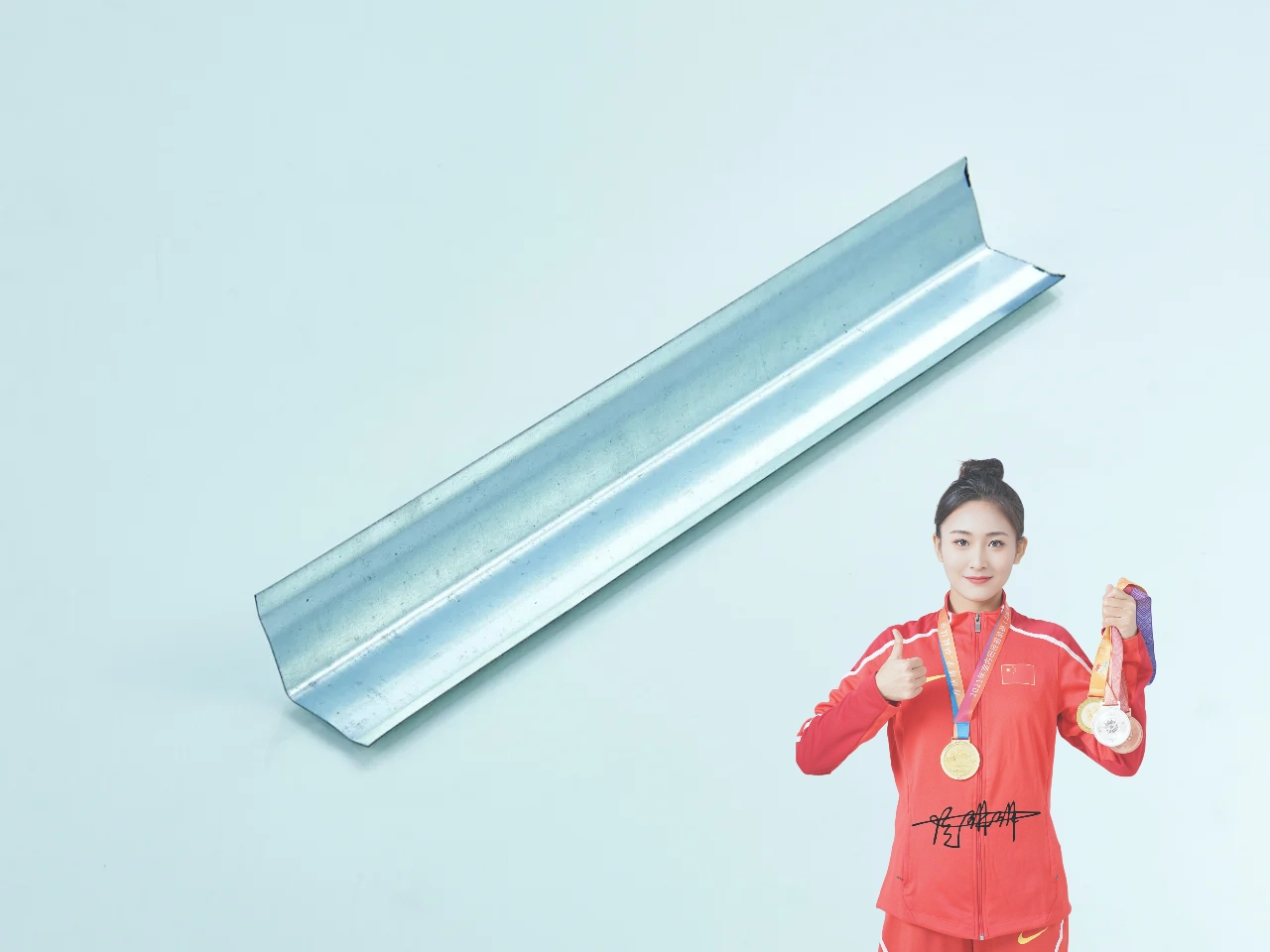
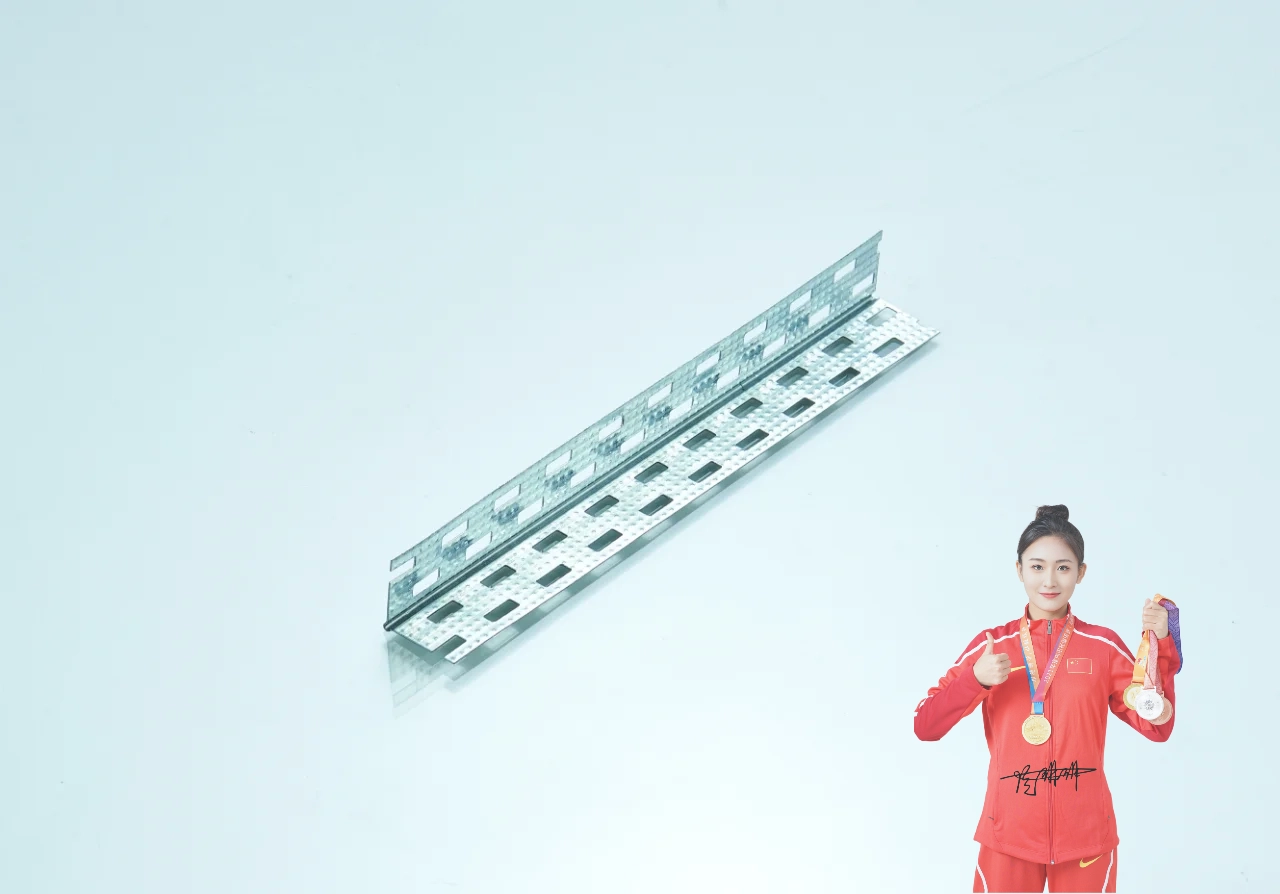
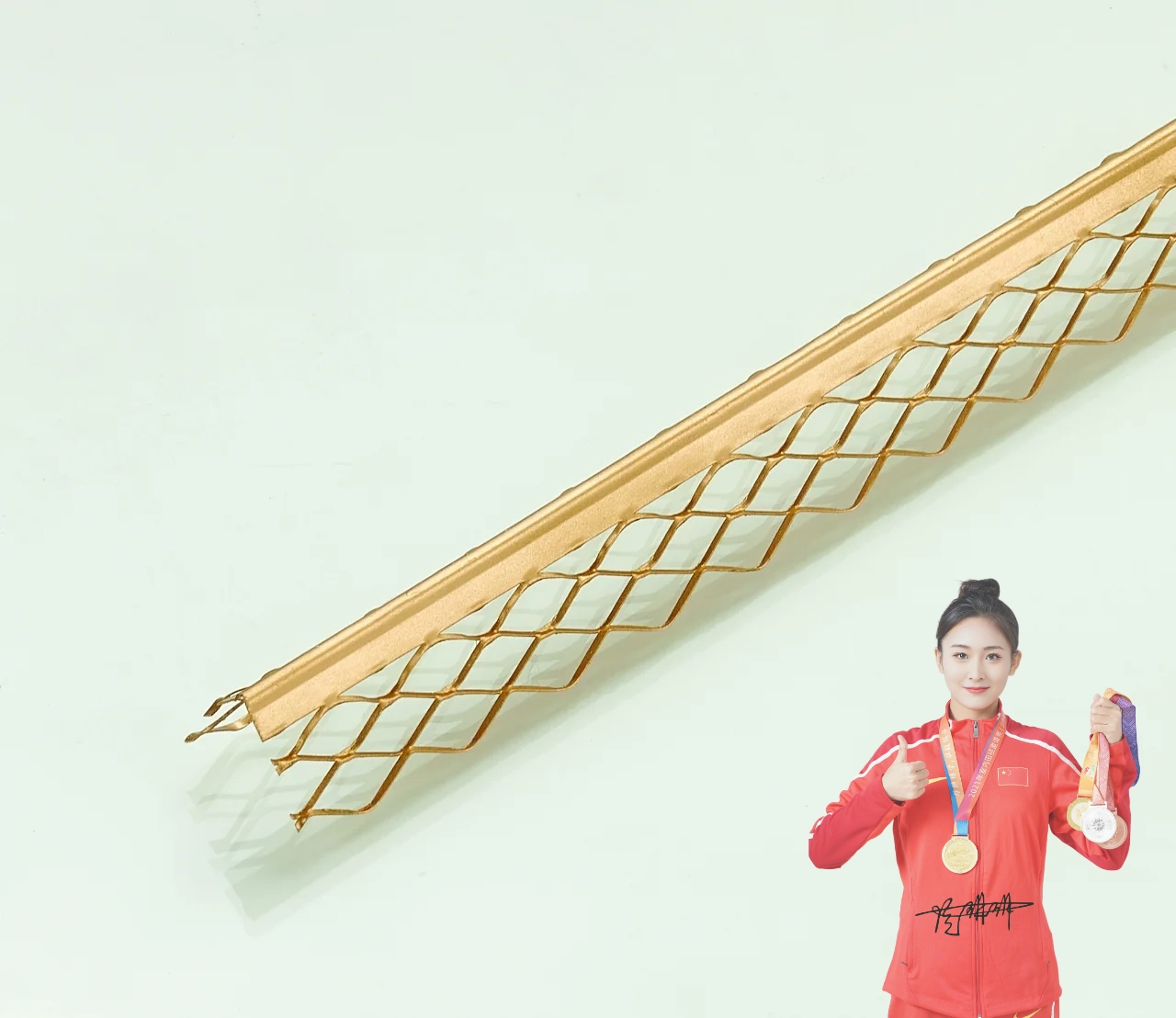
Simply put, a corner bead is a strip—usually metal or flexible PVC—applied over the edges of arches in drywall or plaster to protect and reinforce their corners. It ensures clean, smooth curves that resist damage and cracking. In environments where arches replace straight-line corners, standard beads aren’t enough; you need flexible, adaptable corner bead tailored for arches, bending perfectly to the curved form without breaking or compromising strength.
This innovation connects traditional craftsmanship with modern industrial building needs. It’s a quiet hero ensuring both aesthetic polish and structural integrity in everything from residential vaults to monumental institutional halls.
Key Factors of Corner Bead for Arches
1. Durability
Durability comes first—these beads must withstand impact, moisture, and temperature shifts without deforming. You don’t want your carefully crafted arch to chip or crack after a small knock or a change in humidity.
2. Flexibility
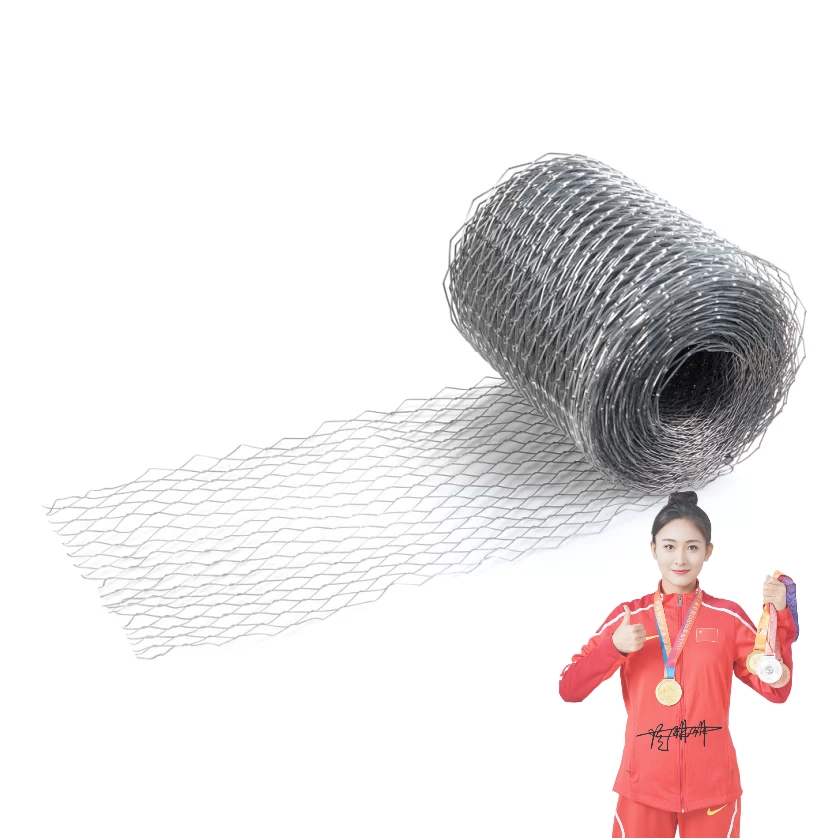
Arch corners aren’t straight, so flexibility is vital. Materials like vinyl and flexible metal mesh handle curvatures gracefully and keep surfaces even without buckling.
3. Ease of Installation
Builders appreciate beads that can be quickly trimmed, nailed, or embedded with plaster. Time is money—especially on large projects.
4. Corrosion Resistance
In humid or coastal regions, metal beads risk rust unless coated properly or barrelled with synthetic materials.
5. Cost Efficiency
Balance matters: premium materials cost more but prevent future repairs. Choosing the right bead means weighing upfront and lifecycle costs.
Corner Bead for Arches: Specifications at a Glance
| Feature |
Metal Bead |
Vinyl Flexible Bead |
Composite Mesh Bead |
| Flexibility |
Low to Medium |
High |
Medium |
| Durability |
Very High |
Medium |
High |
| Corrosion Resistance |
Needs Coating |
High |
High |
| Typical Usage |
Commercial/Industrial |
Residential/Light Commercial |
Specialty Architectural |
Global Applications & Use Cases
From soaring mosque arches in the Middle East to European cathedral retrofits and corner bead for arches in innovative residential vaults across Latin America, this product finds widespread demand. In earthquake-prone countries like Japan and New Zealand, flexible corner beads help structures absorb stress without damage.
Humanitarian builders also swear by them—post-disaster shelters reconstructed with specialized flexible beads last longer and appear more polished, offering families a sense of normalcy amid chaos. Industrial hubs with corrosive environments utilize coated metal beads to prolong maintenance cycles.
Advantages & Long-Term Value of Corner Bead for Arches
- Cost Savings: Avoids frequent repair of cracked corners.
- Structural Integrity: Reinforces vulnerable arch points.
- Design Versatility: Enables intricate, smooth curves rather than boxy angles.
- Emotional Comfort & Safety: Creates dignified spaces resistant to damage, inspiring trust in architectural quality.
Choosing the right bead ultimately saves money, labor, and stress—and, frankly, that peace of mind is priceless.
Future Trends & Innovations
Looking ahead, corner beads crafted from recycled composites blend environmental sustainability with strength. Meanwhile, digital fabrication—like 3D printing of custom flexible beads—promises bespoke solutions that precisely fit unique arches, speeding installation and reducing waste. Integration with smart sensors that monitor structural health could be around the corner, too.
Challenges & Solutions in Using Corner Beads on Arches
Installation remains a skilled trade. Poorly applied beads can cause bubbles or cracking. Climate extremes can accelerate wear if materials aren’t chosen well. The solution? Training local workers on new materials and technologies plus specifying beads tailored to local environmental conditions.
| Vendor |
Material Options |
Lead Time |
Customization |
Price Range |
| ArchGuard Beads |
Metal, Vinyl, Composite Mesh |
2 weeks |
High Customization Available |
$$$ |
| FlexArch Solutions |
Vinyl Flexible Only |
1 week |
Limited |
$ |
| EcoArches |
Recycled Composite |
3 weeks |
Moderate |
$$ |
FAQ: Common Questions About Corner Bead for Arches
- What types of materials are best for corner bead on curved arches?
- Vinyl and flexible mesh beads perform best on highly curved arches because they bend easily without cracking drywall or plaster. Metal corner beads are great for durability but less flexible.
- Can corner beads for arches improve seismic resistance?
- Yes, flexible corner beads help arches absorb movement during earthquakes, reducing cracking and preserving structure integrity.
- Are there environmental advantages to using composite corner beads?
- Definitely—many composites use recycled materials and reduce metal usage, lowering the environmental footprint of construction projects.
- How easy is it to install corner beads on arches for do-it-yourselfers?
- Installation requires some skill: flexible beads are easier for DIYers, but achieving seamless finishes often needs professional plastering or drywall expertise.
- Where can I find customized corner bead solutions for unique architectural designs?
- Specialty vendors like ArchGuard Beads offer custom-sized and shaped corner beads tailored to your project specifications.
Conclusion & Call to Action
In the grand scheme, corner bead for arches seems like a small detail, but it shapes the durability, safety, and beauty of architectural spaces around the world. From seismic zones to luxury developments, appropriate bead selection ensures long-lasting quality and satisfaction. Want to explore tailored corner bead solutions that bring your arch visions to life? Visit our website: corner bead for arches to discover our range and expert advice.
In real terms, the humble corner bead is a bridge between elegance and resilience, tradition and innovation.
Quick takeaway: Don’t overlook corner beads—they truly earn their keep in arch construction longevity and aesthetics.
References
- World Bank on Urbanization
- Wikipedia: Arch (Architecture)
- ISO Standards in Construction Materials