Drywall Edge Bead Types: What They Are and Why They Matter
If you’ve ever peeked behind the scenes of a drywall installation, you might have stumbled across these pretty unassuming little profiles called drywall edge beads. But oddly enough, these tiny strips have a disproportionately large role in shaping the quality, durability, and even the look of a wall’s edges. Globally, as construction booms across various industries — from residential housing to commercial office towers, even humanitarian infrastructure — understanding drywall edge bead types has become an essential part of ensuring long-lasting, clean finishes that resist cracking and wear.
Why is this topic relevant beyond the building site? Because behind the drywall board is a network of materials and engineering decisions critical to occupant safety, maintenance costs, and aesthetics. Plus, innovation in drywall edge beads helps contractors reduce waste and improve efficiency, which ultimately ties into broader goals like sustainability and cost savings.
Introduction: A Global Perspective on Drywall Edges
According to the World Bank, urbanization is growing rapidly, with over half the world’s population living in cities. That means construction—particularly of drywall interiors—is a massive and ever-expanding sector. Edge finishes play a surprisingly pivotal part here. Poor edge bead installation often leads to cracks, moisture ingress, or chipping, which can spike maintenance costs by up to 30% in some regions.
ISO standards also touch on the materials and durability requirements of drywall accessories, showing an international recognition that quality edge finishing is more than just an aesthetic concern—it’s a structural and safety issue. The challenge? Different climates, building codes, and materials mean no one-size-fits-all solution exists—hence the variety of drywall edge bead types available today.
Understanding Drywall Edge Bead Types: Definition & Meaning
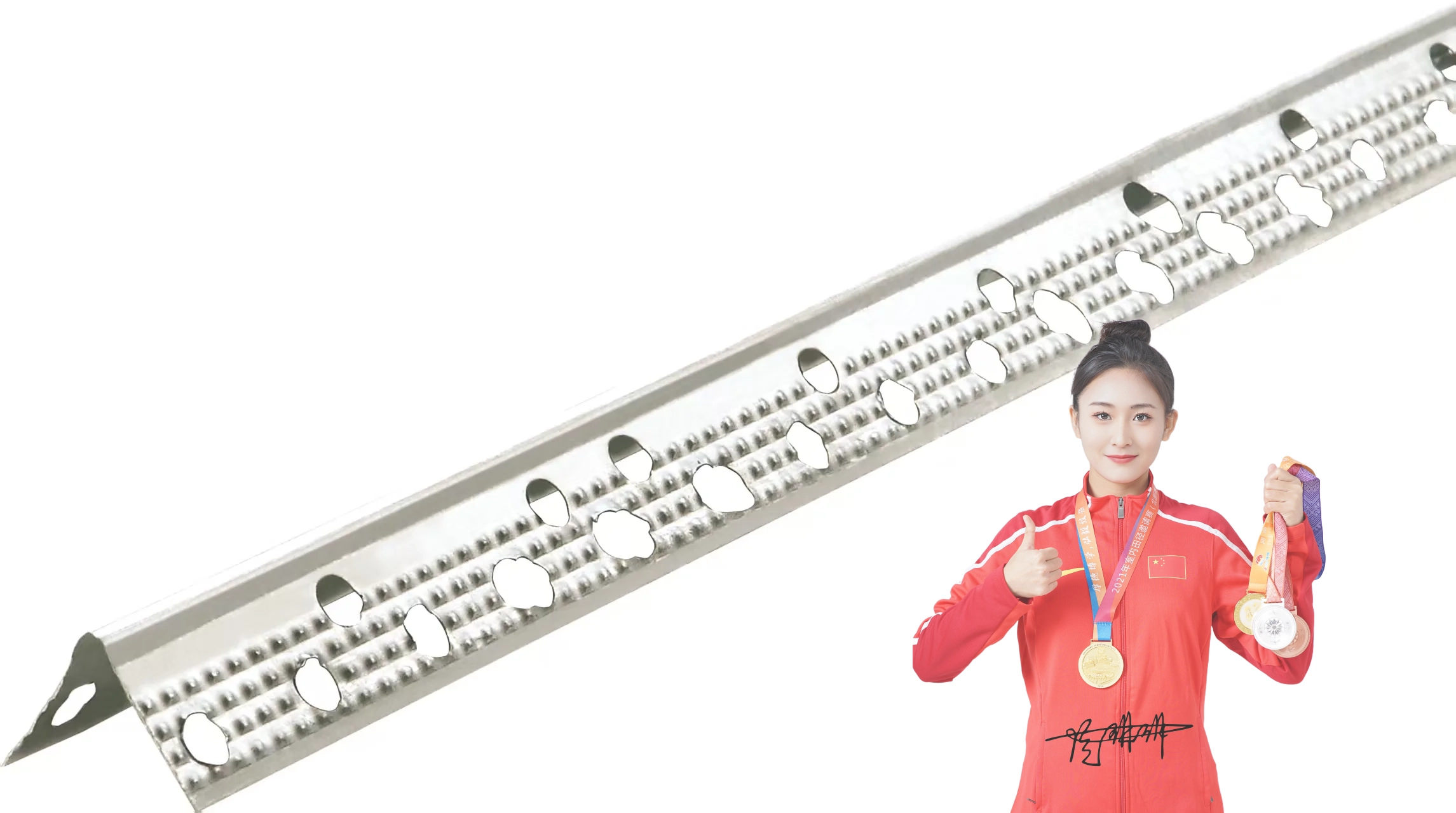
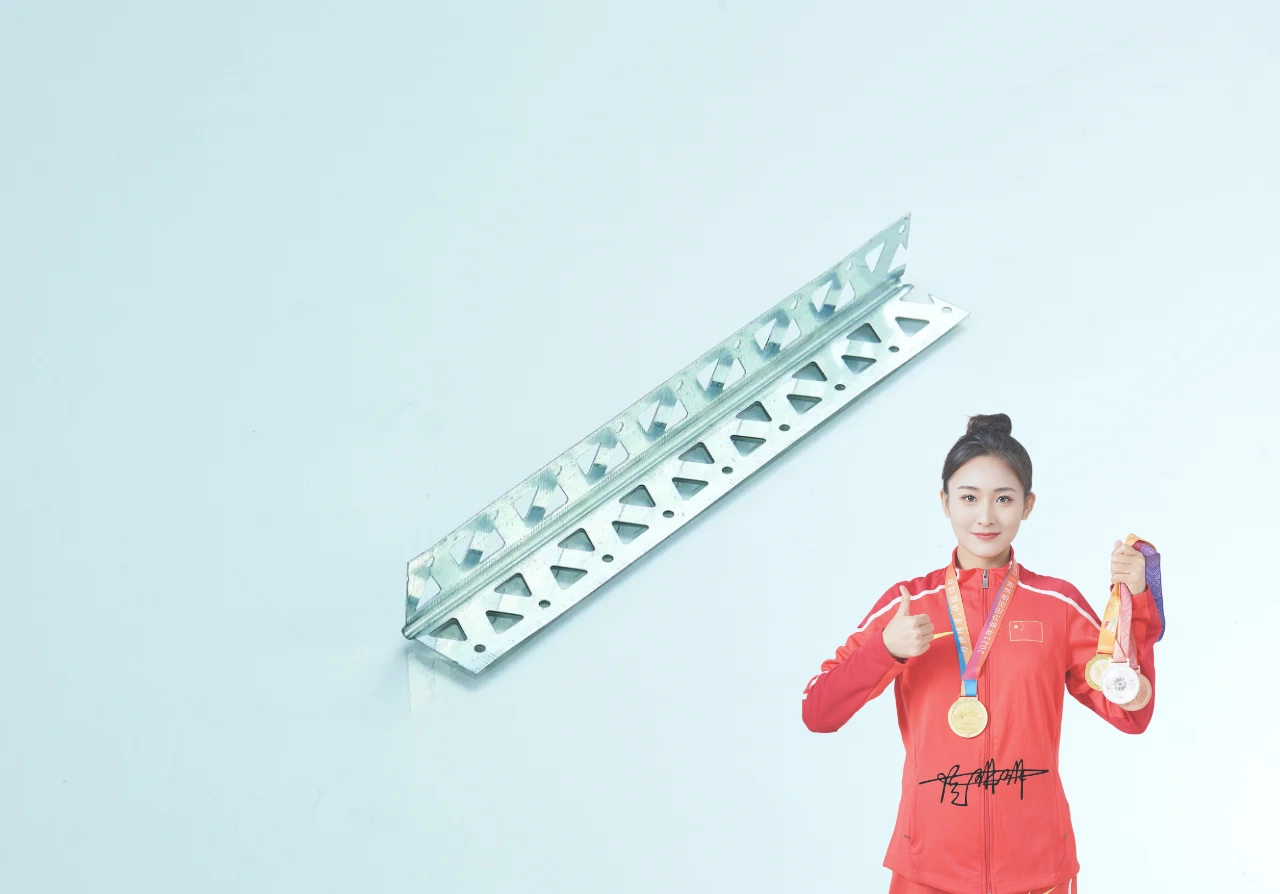
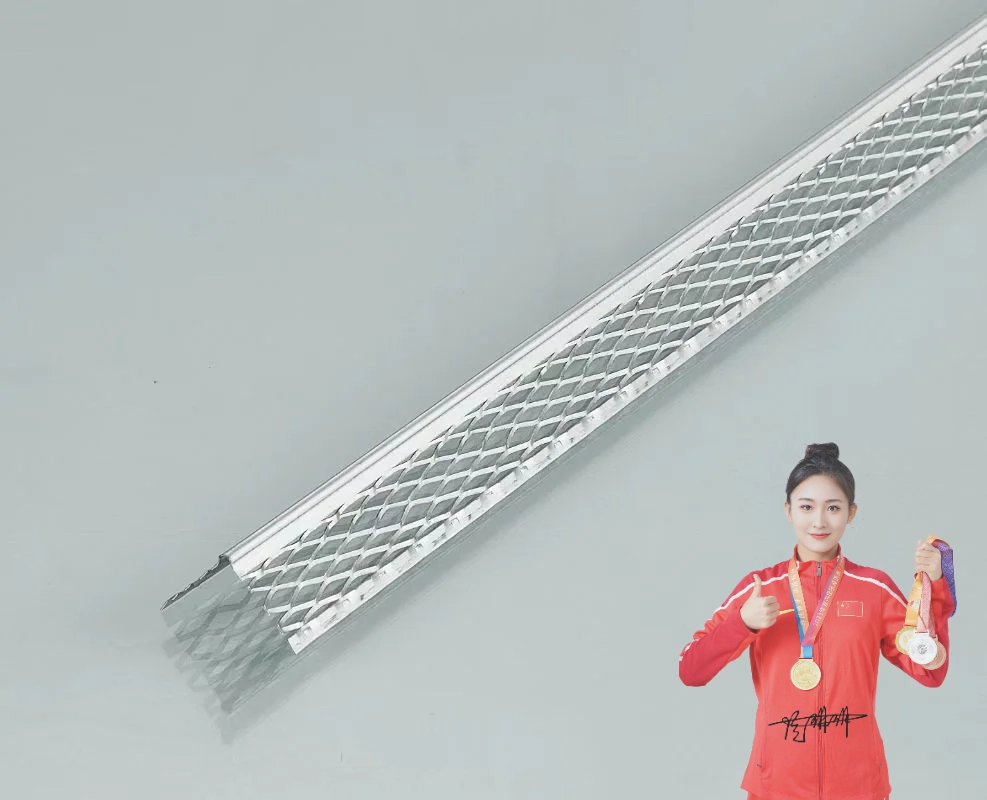
Simply put, drywall edge beads are profiles attached to the edges of drywall sheets that protect, finish, and reinforce corners or straight edges. They create a crisp, clean line where two drywall panels meet or where drywall intersects with windows, doors, or other surfaces. These edges are vulnerable—they can easily chip or crack without proper protection.
Think of them as the drywall’s “armor” but also its “makeup artist” for neatness. They’re typically metal, vinyl, or paper-faced, each type designed for specific purposes and environments. Whether it’s the sharp corner of a commercial conference room or curved edges in a residential kitchen, the right edge bead type improves both durability and final look.
Key Factors When Choosing Drywall Edge Bead Types
Durability
Durability is often the deciding factor. For example, metal beads offer rigidity and excellent impact resistance, ideal for high-traffic areas. On the other hand, vinyl beads provide flexibility, making them perfect for curved or irregular surfaces.
Ease of Installation
Installation speed can be crucial on big commercial projects. Some vinyl or paper-faced beads come with adhesive backs or are easier to cut, which can save labor hours — a subtle but important detail in large-scale constructions.
Cost Efficiency
Budget plays a big role, obviously. Metal beads tend to be pricier but last longer. Vinyl is cheaper but less durable. Paper-faced beads strike a middle ground and are often favored for drywall finishing in residential builds.
Aesthetic Finish
Certain beads allow for smoother, seamless finishes ideal for painting or wallpapering. Paper-faced beads, for instance, blend better with drywall joint compound without the ridges sometimes shown by metal beads.
Environmental Resistance
In humid or outdoor-adjacent spaces, corrosion resistance is vital, making vinyl or treated metal beads preferable. They ward off rust and moisture damage better than untreated metal.
Drywall Edge Bead Types Spec Table
| Type |
Material |
Ideal Use |
Key Benefit |
Cost |
| Metal Edge Bead |
Galvanized steel or aluminum |
High-impact and commercial areas |
Rigid, strong, corrosion resistant |
Medium to High |
| Vinyl Edge Bead |
PVC plastic |
Curved or damp environments |
Flexible and moisture resistant |
Low to Medium |
| Paper-Faced Edge Bead |
Paper and galvanized metal |
Residential drywall finishing |
Smooth finishing, paint-ready surface |
Medium |
Mini takeaway: Choosing the right drywall edge bead type isn’t just about looks; it’s about function, cost, and the environment you're building in. The old "one size fits all" approach just won’t cut it anymore.
Global Applications & Use Cases
In the United States and Europe, where building codes are strict, metal beads dominate commercial spaces like schools and hospitals due to their long-term durability. Meanwhile, in rapidly urbanizing parts of Asia and Africa, vinyl and paper-faced beads gain traction for their affordability and ease of use in quick-build housing solutions.
NGOs involved in humanitarian relief, for instance, often specify vinyl edge beads when erecting temporary shelters or clinics in humid or tropical climates—helping ensure that walls don’t degrade or capsule moisture.
Likewise, industrial zones dealing with chemicals or temperature swings rely on corrosion-resistant coatings on metal beads, showcasing how specialized needs drive product choice. In residential projects, smooth finishes with paper-faced beads help achieve those impeccable wall corners homeowners love.
Vendor Comparison: Popular Drywall Edging Solutions
| Vendor |
Product Types Offered |
Lead Times |
Sustainability |
Regional Availability |
| CornerBead Mfr |
Metal, vinyl, paper-faced |
2–3 days for standard orders |
Recyclable materials, low VOC |
North America, Europe |
| Global Bead Solutions |
Primarily metal and vinyl |
1–2 weeks custom orders |
Focus on PVC reduction programs |
Asia, Australia |
| Eco Edges Inc. |
Paper-faced, recycled materials |
5–7 days |
High emphasis on sustainability |
Europe, North America |
Advantages & Long-Term Value of Drywall Edge Beads
Let’s just say: good edge beads can save you headaches and expenses down the road. Beyond immediate impact resistance, they improve wall longevity and reduce repair frequency. That translates into less material waste and contractor costs in the long run—both key sustainability goals.
Emotionally, a well-finished corner signals care and pride in workmanship. It reinforces trust between builders and clients. Plus, it can enhance occupant comfort by preventing drafts or pests entering through compromised edges.
Future Trends & Innovations
Tech-wise, there’s exciting stuff happening. Manufacturers are exploring eco-friendly composites incorporating recycled plastics or biodegradable binders. Others are developing digitally printable beads for customized shapes and sizes, making installation smoother and reducing cuts or waste.
On a policy level, some regions are tightening building codes to require corrosion-resistant or “green” certified materials to reduce environmental footprints. I suppose that means drywall edge bead types will only grow more sophisticated in the coming years.
Challenges & Solutions
Despite benefits, challenges remain. For instance, vinyl beads can crack in extreme cold, and metal beads need exact fastening to avoid bulges. Labor skill levels vary, too, sometimes leading to poor finishes even with good products.
Innovations like pre-primed edges, better adhesive technology, and training programs for installers help address these issues. More contractors are also using drywall edge bead types designed for faster deployment and forgiving application, which frankly makes everyone’s job easier.
FAQ: Frequently Asked Questions About Drywall Edge Bead Types
- Q: What drywall edge bead type is best for humid climates?
A: Vinyl edge beads or galvanized metal with corrosion-resistant coatings are ideal for humid conditions, as they resist moisture and prevent rusting.
- Q: How do paper-faced beads compare to metal in terms of finish quality?
A: Paper-faced edge beads blend better with joint compound, creating smoother, paint-ready corners without visible ridges, unlike many metal beads.
- Q: Can drywall edge beads be reused if damaged?
A: Generally, no. Damaged beads lose their protective properties and should be replaced to maintain wall integrity.
- Q: Are there eco-friendly options for drywall edge beads?
A: Yes, some vendors offer recycled or recyclable materials and paper-faced beads that reduce plastic usage and have lower environmental impact.
- Q: How does installation skill affect drywall edge bead performance?
A: Proper fastening and compound application are crucial; unskilled installation can lead to poor adhesion, cracking, or uneven finishes.
Conclusion
In sum, the humble drywall edge bead is far more than a finishing trim. It’s a key player in wall durability, aesthetics, and sustainability. By choosing the right drywall edge bead types—and understanding their unique qualities—builders and contractors can significantly enhance project outcomes, reduce long-term costs, and even contribute to environmental goals.
Ready to explore the full range of drywall edge bead types for your next project? Visit our website: https://www.cornerbeadmfr.com for specifications, expert advice, and custom solutions.
It’s fascinating how such a small detail like an edge bead can shape the experience of living and working in a space. The simplest elements often matter most.
- Wikipedia - Drywall
- ISO Standards for Drywall Components
- World Bank on Urban Development