Understanding Plaster Wall Wire Mesh: The Backbone of Strong and Durable Walls Worldwide
If you’ve ever admired a flawlessly smooth plaster wall or marveled at resilient construction after a storm, chances are there’s a plaster wall wire mesh playing a silent but vital role behind it. It’s easy to overlook these grids of metal woven through walls, yet their significance is both architectural and humanitarian—boosting wall integrity on a global scale.
Why does it matter beyond just construction aesthetics? For one, the World Bank estimates over 1.6 billion people live in substandard housing that often lacks durability against environmental strains. Enter plaster wall wire mesh—a simple but ingenious solution that improves plaster adhesion, reduces cracking, and strengthens structures, particularly in disaster-prone or economically challenged regions.
In this article, we’ll unravel what plaster wall wire mesh is, why it has become indispensable globally, and explore the technical, social, and environmental layers it touches.
Global Context: Why Plaster Wall Wire Mesh Is More Relevant Than Ever
Construction statistics from the UN reveal that urban populations are growing faster than ever, especially across Asia and Africa. The demand for affordable, durable walls is skyrocketing. But traditional plaster often fails on its own, prone to cracking, water damage, and structural weaknesses that compromise safety and longevity. That’s where plaster wall wire mesh comes in—acting as reinforcement embedded in plastered surfaces, distributing stresses, and helping walls withstand mechanical and climatic pressures.
Consider this: in disaster relief zones such as after earthquakes or floods in places like Nepal or the Philippines, rapid reconstruction using locally sourced plaster wall wire mesh reduces rebuilding time while improving safety. Plus, with growing emphasis on sustainability, mesh made from recycled or galvanized materials supports environmental goals.
Despite these benefits, many regions still rely on outdated wall finishes without mesh reinforcement, exposing populations to danger and costly repairs. Understanding plaster wall wire mesh helps architects, engineers, and humanitarian agencies make smarter choices.
Mini takeaway: Plaster wall wire mesh is not just a construction detail—it’s a global enabler of affordable, durable, and resilient housing in rapidly urbanizing and vulnerable regions.
What Exactly Is Plaster Wall Wire Mesh?
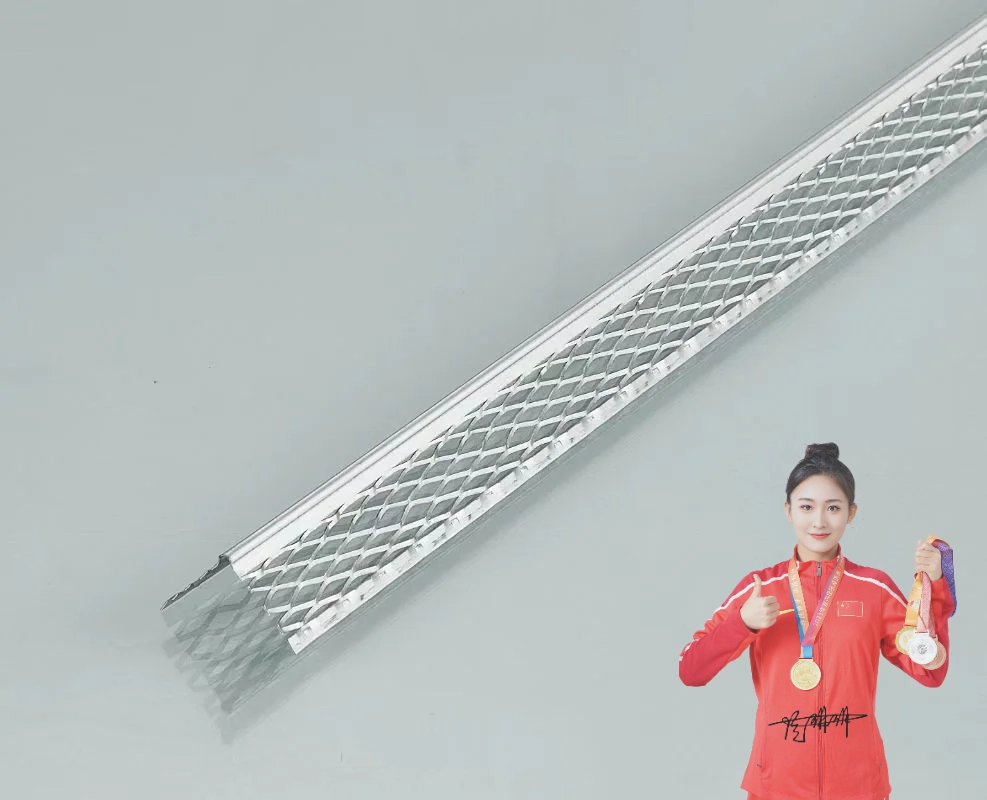
Simply put, plaster wall wire mesh is a grid-like panel of metal wires, often galvanized steel or stainless steel, designed to be embedded within a plaster or stucco layer on interior or exterior walls. The mesh creates a dependable framework that holds the plaster together, distributing forces and preventing cracks from forming or spreading.
Beyond traditional construction, its role has expanded into emergency shelter solutions, modular housing, and even interior design elements requiring durable finishes. The mesh varies in mesh size (opening dimensions), wire thickness (gauge), and coating to meet different environmental or mechanical demands.
Essentially, it's the unseen skeleton for plaster, much like rebar supports concrete. Without it, plaster walls would be far too brittle and vulnerable.
Key Components and Factors of Plaster Wall Wire Mesh
1. Material Composition
Most plaster wall wire meshes use galvanized steel to resist rusting, which is crucial when exposed to moisture. Stainless steel is premium but costlier, typically used in corrosive environments. Some recent products use polymer-coated meshes, adding flexibility and longevity, especially useful in coastal or humid zones.
2. Mesh Size and Wire Gauge
The openings, or mesh size, generally range from 1/4 inch to 1/2 inch. Finer mesh means a smoother plaster surface but reduced plaster grip. Thicker wire gauges improve strength but increase weight and cost.
3. Durability and Corrosion Resistance
Mesh must withstand years of weather cycles without degrading. Standards such as ISO 14538 guide coatings and testing methods. Poor quality mesh leads to rust, compromising plaster integrity.
4. Ease of Installation
Lightweight, flexible meshes that can be cut and shaped on-site reduce labor time and costs. Welded meshes offer rigidity but can be harder to handle in complex designs.
5. Compatibility With Plasters
Meshes must bond well with cementitious or lime-based plasters. Some are designed for use with synthetic plasters, requiring different anchoring properties.
Typical Specification of a Plaster Wall Wire Mesh
| Specification |
Details |
| Material |
Galvanized Steel (G60 coating) |
| Wire Gauge |
16 (approx. 1.5 mm diameter) |
| Mesh Size |
0.5 inch (12.7 mm) openings |
| Width |
1.2 meters (standard roll width) |
| Length per Roll |
30 meters |
| Corrosion Resistance |
Meets ASTM A641 standards |
Mini takeaway: Picking the right plaster wall wire mesh is a balance of strength, durability, and practicality, all tailored to the specific plaster and environmental needs.
Global Applications & Real-World Use Cases
It’s fascinating how plaster wall wire mesh quietly supports many sectors worldwide. In developing cities like Lagos or Jakarta, it enables rapid housing construction with lower labor costs. In temperate climates such as Germany or Canada, enhanced corrosion-resistant meshes support exterior plaster systems on complex building facades.
Relief organizations like the Red Cross often incorporate wire mesh within their emergency shelter kits, providing refugees with stronger, more permanent walls. A notable case was during the 2015 Nepal earthquake recovery. Aid agencies installed plaster wall wire mesh in temporary community centers to reduce ongoing risks of structural failure amid aftershocks.
Industrial zones also utilize mesh-based plaster walls for protective coatings on storage tanks or factory interiors because it mitigates cracking caused by vibrations or chemical exposure.
Lastly, enthusiasts in home renovation use decorative plaster mesh to create textured walls that marry beauty and robustness.
The Advantages and Long-Term Value of Using Plaster Wall Wire Mesh
- Cost Efficiency: Reduces re-plastering and repair expenses by minimizing cracks and damage.
- Sustainability: Longer-lasting walls mean fewer resources consumed over time; galvanizing standards ensure durability.
- Safety & Structural Integrity: Prevents plaster from detaching—a critical factor in seismic zones.
- Social Impact: Contributes to dignified housing and infrastructure resilience in vulnerable communities.
- Versatility: Compatible with diverse plaster types and building styles, adaptable to decorative needs.
Emotionally, one might say a wall backed by good mesh just “feels” sturdier, lending peace of mind to families and workers alike. Trust in the built environment often starts with these small but impactful reinforcements.
Looking Forward: Future Trends & Innovations in Plaster Wall Wire Mesh
Innovation here doesn’t mean reinventing the wheel so much as refining it. For example, there’s growing interest in plaster wall wire mesh made from recycled metals or integrating nano-coatings for increased corrosion resistance. Lightweight polymer meshes that biodegrade after a certain period are being tested for temporary structures, especially in environmental conservation projects.
Digital transformation is touching product customization too, with companies offering bespoke mesh sizes and shapes tailored through CAD models for unique architectural projects.
And as green building codes tighten, expect higher standards requiring meshes that support energy-efficient wall systems by improving plaster breathability and moisture control.
Challenges in Plaster Wall Wire Mesh Application & How Experts Overcome Them
Not all mesh products perform equally, and some common issues remain:
- Corrosion in Harsh Environments: Salt air or industrial chemicals may degrade standard galvanized coatings over time.
- Installation Difficulties: Handling stiff or brittle mesh can slow work and increase labor costs.
- Mismatch with Plaster Types: Poor adhesion if mesh isn’t compatible with specialized plaster or synthetic finishes.
To address these, many manufacturers now offer polymer coatings or hybrid alloy meshes. Training installers on proper handling and embedding techniques is crucial—sometimes, it’s simply a matter of experience. Engineers increasingly specify mesh properties based on site conditions rather than one-size-fits-all solutions.
Mini takeaway: Overcoming plaster wall mesh challenges involves smarter material choices and skilled installation—both areas seeing exciting improvements.
Vendor Comparison for Plaster Wall Wire Mesh
| Vendor |
Material Options |
Customization |
Average Lead Time |
Price Range (per roll) |
| CornerBead Mfr. |
Galvanized, Polymer Coated |
Custom mesh sizes available |
2 weeks |
$50–$70 |
| SteelMesh Co. |
Stainless steel, Galvanized |
Standard sizes only |
1 week |
$65–$85 |
| BuildGrid Ltd. |
Galvanized, Eco-friendly alloys |
Partial customization |
3 weeks |
$55–$75 |
FAQ: Frequently Asked Questions About Plaster Wall Wire Mesh
1. What makes plaster wall wire mesh better than using plaster alone?
Using plaster wall wire mesh significantly improves plaster bonding and reduces crack formation by evenly distributing stresses. It enhances wall durability, especially in regions with temperature fluctuations or seismic activity.
2. How long does plaster wall wire mesh typically last?
With proper materials and installation, galvanized mesh can last 20–50 years or more within plaster without corrosion or weakening. Environmental factors like humidity and chlorides can affect longevity, so selecting the right mesh for the location is key.
3. Is plaster wall wire mesh environmentally friendly?
Modern meshes increasingly use recycled steel and coatings that extend lifespan, reducing material waste and repainting. Some vendors now offer eco-friendly alloys or polymer-coated options that further reduce environmental impact.
4. Can plaster wall wire mesh be used on curved or decorative walls?
Yes, flexible meshes especially polymer-coated types can be shaped for complex geometries, allowing for intricate architectural designs while maintaining plaster adhesion and structural integrity.
5. How can organizations source plaster wall wire mesh for humanitarian projects?
Large suppliers like CornerBead Mfr. specialize in bulk orders with export experience. NGOs should specify mesh type and quantity early and allow time for custom orders and shipping logistics.
Conclusion: Solid Walls, Safer Lives, Sustainable Futures
In real terms, plaster wall wire mesh might not be headline-grabbing, but it quietly fortifies housing, public facilities, and infrastructure worldwide. Its role in enhancing durability, reducing maintenance, and supporting sustainable building practices cannot be overstated.
Whether you’re an architect, builder, or relief worker, investing in quality plaster wall mesh pays off in the long run—helping to build homes that endure and communities that thrive.
Interested in exploring reliable, customizable plaster wall wire mesh solutions? Visit our website: CornerBead Mfr. to see detailed specs, place orders, or get expert advice tailored to your next project.