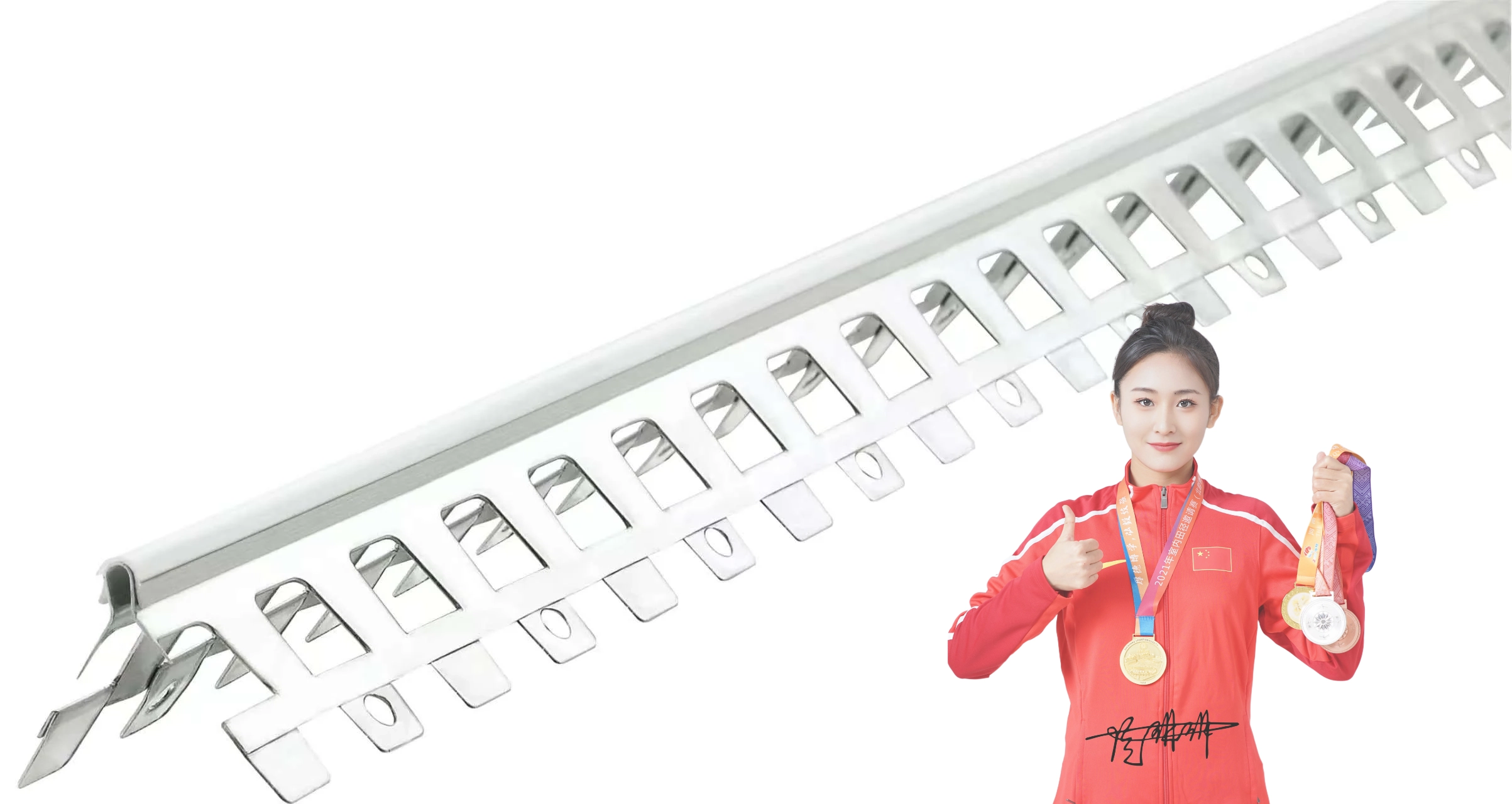
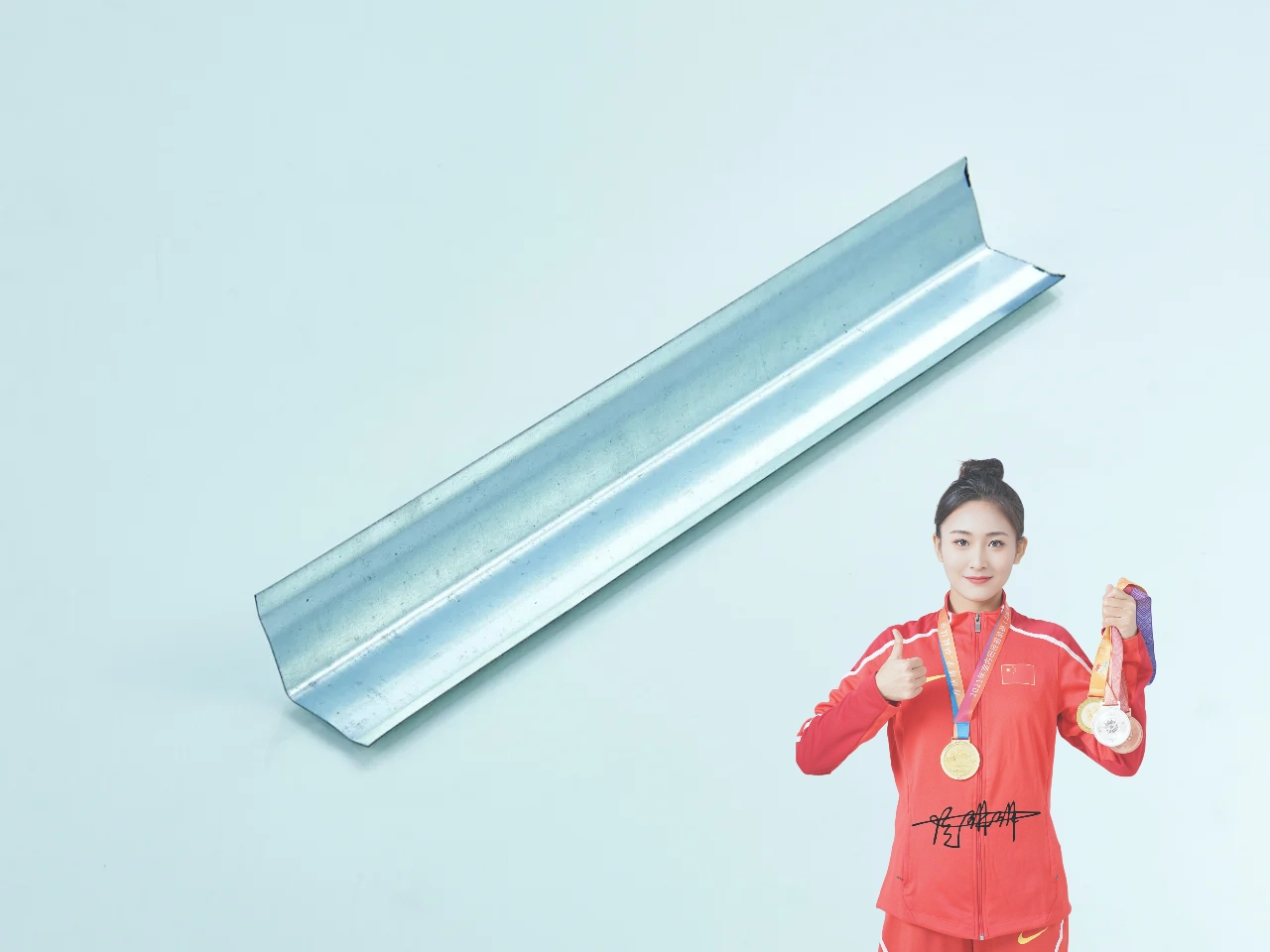
A Closer Look at Plaster Mesh Sheet: Why It Matters Today
Plaster mesh sheets might not sound like the hottest topic at a dinner party, but in the world of construction and disaster relief, they’re quietly crucial. These grids of woven or welded wires underpin sturdy, crack-resistant plaster walls and facades. As populations swell and infrastructures age, understanding plaster mesh sheets isn't just about choosing a product — it’s about building safer, longer-lasting spaces worldwide.
From reinforcing homes in earthquake zones to speeding up renovations in urban centers, the humble plaster mesh sheet plays a starring role. In this article, we’ll unpack what makes these materials tick, why they're indispensable globally, and what the future holds for their innovation.
Why Plaster Mesh Sheets Are Essential Globally
The global construction sector is booming, with estimates from the World Bank suggesting the urban population will rise to 68% by 2050. Alongside this, the demand for resilient, fast, and cost-effective building solutions is more pressing than ever. In many regions prone to natural disasters—earthquakes, tsunamis, and hurricanes—traditional plaster methods often crack or weaken over time.
Plaster mesh sheets address a persistent challenge: how to reinforce plaster layers without heavy, expensive materials. They improve durability, flexibility, and even reduce repair frequency. According to ISO standards on construction reinforcement (ISO 10244-2), proper mesh reinforcement reduces plaster cracking by up to 70%, a figure that could save billions in damages globally.
Oddly enough, the same plaster mesh sheets used in major cities also find their way to humanitarian zones, where speed and reliability can literally save lives.
What Exactly Is a Plaster Mesh Sheet?
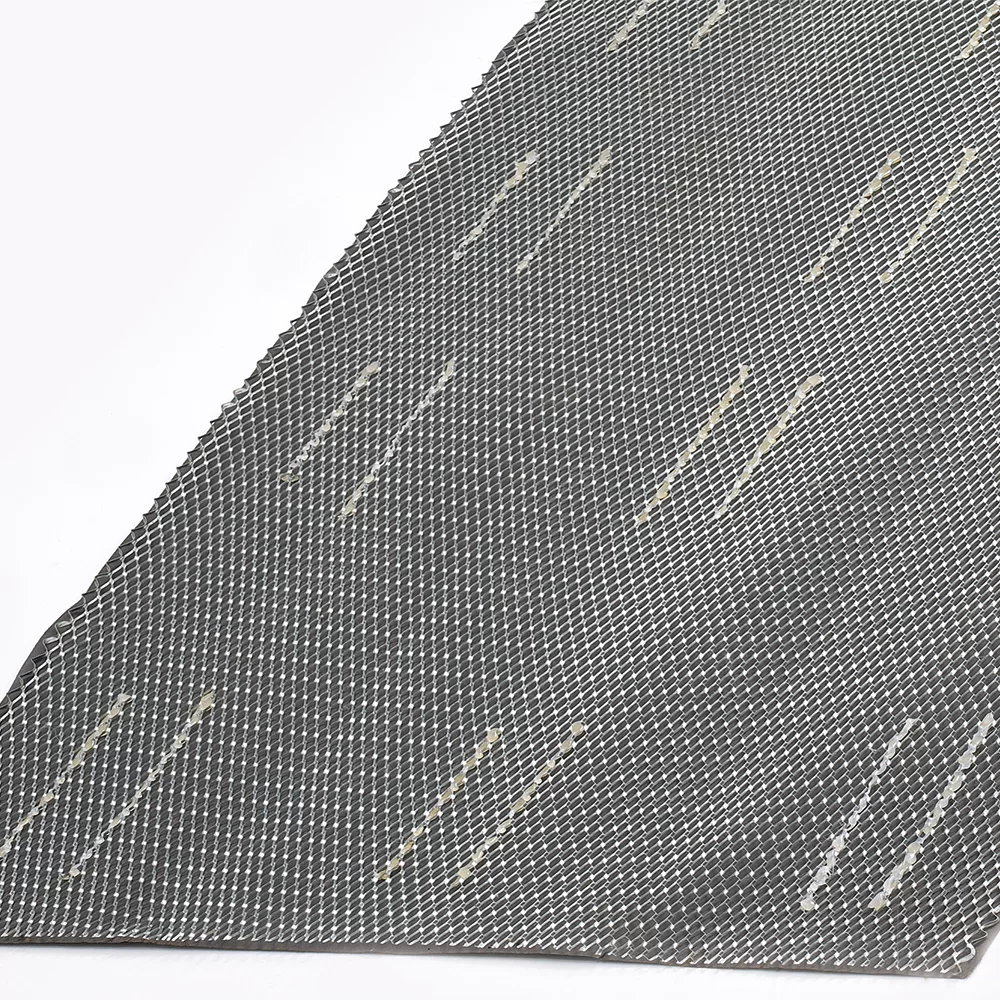
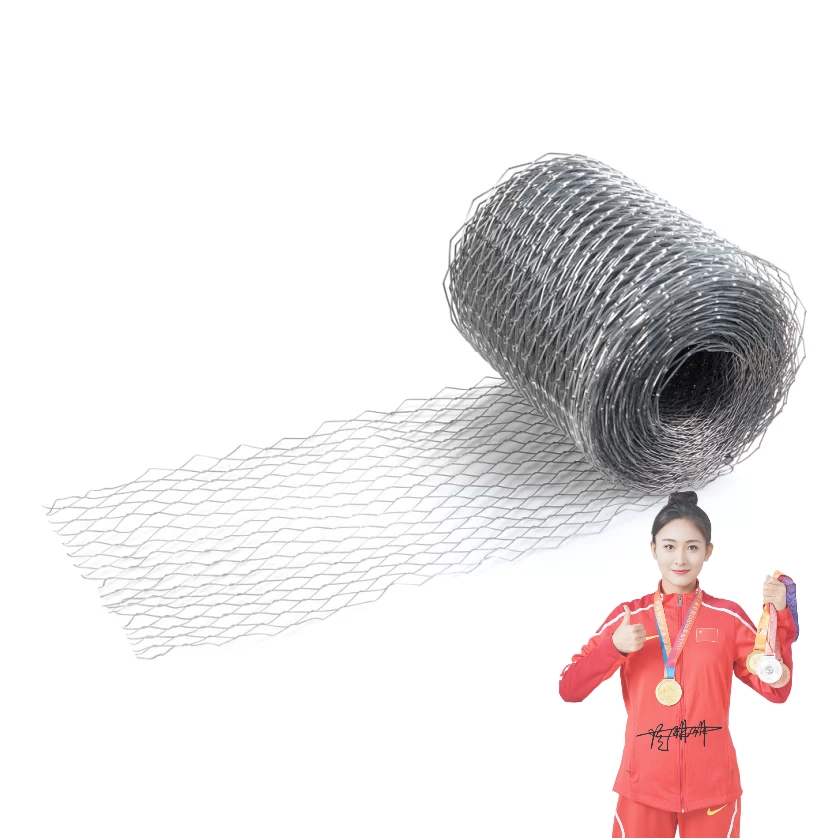
Simply put, plaster mesh sheets are thin, flexible sheets made from galvanized steel wire or stainless steel fibers, woven or welded into grids that range from fine to coarse patterns. They’re laid beneath a plaster layer to reinforce it, preventing cracks and improving adhesion.
In modern industry, their use extends beyond just walls. Think: pre-cast panels, ceilings, facades, and even decorative plaster applications that require durability and shape retention. In humanitarian efforts—like rebuilding after earthquakes or floods—these sheets are key to quick, sturdy shelter construction. They fit the bill for materials that are lightweight, transportable, and durable.
Key Components That Make a Great Plaster Mesh Sheet
1. Durability
A good mesh must resist corrosion, especially in humid or salty environments. Galvanized coatings or stainless steel meshes stand out here, offering years of protection — far beyond basic plaster techniques.
2. Mesh Size & Weight
The spacing between wires — typically expressed in millimeters or inches — affects plaster bonding and flexibility. Coarser meshes offer better grip but less smoothness, while finer meshes suit decorative or interior finishes.
3. Flexibility & Scalability
Sheet size varies, often sold in rolls or cut sheets from 1m by 25m to smaller sizes. This makes them easy to scale from a single repair to commercial projects. Plus, flexibility matters: too rigid, and installation grows tedious; too loose, and durability drops.
4. Cost Efficiency
While cheaper meshes exist, quality meshes reduce labor time, maintenance, and rework costs — a classic case of spending more now to save later. Engineers note that durable meshes cut plaster cracks in half, translating to long-term savings.
5. Environmental Impact
Modern meshes aim to balance strength with sustainability. Recyclable metals and UV-resistant coatings help mitigate environmental footprints, increasingly important to green construction standards (see ISO 14001).
Typical Specifications of a Plaster Mesh Sheet
| Attribute |
Range / Value |
Notes |
| Material |
Galvanized steel, stainless steel |
Corrosion resistance crucial |
| Mesh Size |
10mm x 10mm to 25mm x 25mm |
Depends on plaster type |
| Roll Size |
1m x 25m; sheet sizes up to 1m x 2m |
Custom sizes available |
| Weight |
50–100 g/m² |
Balance between rigidity and handling |
| Coating |
Galvanized or PVC coated |
Additional corrosion protection |
Who Uses Plaster Mesh Sheets and How?
Anywhere plaster reinforcement is needed, you’ll find these mesh sheets at work. Here’s a quick look:
- Post-disaster rebuilds: After earthquakes or floods, quick and strong shelter materials are critical. NGOs and governments use plaster mesh sheets to speed construction while ensuring durability.
- Urban Construction: Renovation projects in cities often involve plaster walls and facades. The mesh prevents cracking from vibrations and temperature swings.
- Industrial Facilities: In factories or warehouses subject to vibrations or heavy use, plaster mesh adds an extra layer of safety and longevity.
- Remote or Resource-Limited Areas: The lightweight, portable mesh sheets allow fast transport and quick installation where heavy equipment might be impractical.
For example, after the 2010 Haiti earthquake, relief builders relied heavily on plaster mesh-reinforced walls to create more resilient temporary homes while the country rebuilt more permanent infrastructure.
Plaster Mesh Sheet Benefits: More Than Just Strength
Let’s be honest — durability is the headline, but benefits cascade in unexpected ways:
- Cost Savings: Reduced repair and maintenance work means fewer disruptions and budget overruns.
- Safety and Security: Better plaster adhesion reduces hazards linked to wall chips or cracks falling away.
- Aesthetic Quality: Fine meshes help plaster achieve smooth and attractive finishes without cracking.
- Environmental Impact: Usage of recyclable metals and eco-friendly coatings aligns with sustainable building movements.
- Psychological Comfort: Knowing the walls are sturdy offers a quiet peace of mind that’s hard to overstate.
Comparing Top Plaster Mesh Sheet Vendors
| Vendor |
Material Options |
Standard Sizes |
Special Features |
Price Range |
| Corner Bead Manufacturing |
Galvanized steel, PVC coated |
1m x 25m roll, 1m x 2m sheets |
Custom cuts, corrosion-resistant coating |
$$ |
| BuildSafe Mesh Inc. |
Stainless steel, galvanized |
0.5m x 20m, 1m x 10m rolls |
High heat resistance |
$$$ |
| EcoPlaster Solutions |
Galvanized steel, recycled materials |
1m x 25m roll |
Eco-friendly coatings, recyclable |
$ |
Emerging Trends & Innovations in Plaster Mesh Sheet Technology
There's a promising wave of innovation on the horizon. For instance, nanotech-enhanced coatings aim to give meshes enhanced anti-corrosive properties, extending lifespan dramatically.
Digitally engineered mesh patterns custom-fit to specific project requirements are growing, improving material usage efficiency and reducing waste. Also, with sustainability front and center, more suppliers offer meshes from recycled steel — cutting carbon footprints.
Automation is helping manufacturers deliver custom sizes rapidly, while increased research on bio-based or hybrid composites might one day revolutionize what a plaster mesh sheet really is.
Challenges with Plaster Mesh Sheets and How to Approach Them
Like any product, plaster mesh sheets come with some hurdles:
- Corrosion in Harsh Environments: Despite coatings, salt and moisture can cause rust. Using stainless steel or PVC-coated options helps.
- Installation Skill: Poor installation still leads to cracking. Training workers and using clear installation guidelines mitigate this.
- Cost vs. Quality: The cheapest meshes often compromise durability. Investing in quality saves long-term headaches.
Industry experts recommend routine quality control and keeping abreast of material innovation to overcome these issues. You might also notice some on-site innovations where multiple sheets are overlapped or combined with fiber reinforcements for added strength.
FAQs About Plaster Mesh Sheets
Q1: How do plaster mesh sheets improve plaster durability?
A: They provide a supportive grid that grips plaster, stopping small cracks before they spread. This improves both mechanical strength and longevity.
Q2: Can plaster mesh sheets be used outdoors?
A: Absolutely, especially those with galvanized or PVC coatings designed to resist rust and UV damage. Choosing the right mesh is key depending on the climate.
Q3: How customizable are plaster mesh sheets?
A: Very. They come in various mesh sizes, wire thicknesses, and sheet sizes. Vendors often cut to order or create specialty coatings tailored for projects.
Q4: Are plaster mesh sheets eco-friendly?
A: Many modern manufacturers use recyclable metals and eco-coatings. While metal production has environmental cost, recycled steel meshes offset some impact.
Q5: What’s the typical lifespan of a plaster mesh reinforced wall?
A: With proper installation and quality mesh, lifespan can easily exceed 30-40 years, far outperforming non-reinforced plaster walls.
Bringing It All Together: Why Invest in Plaster Mesh Sheets?
When you think about it, plaster mesh sheets aren't just about reinforcement — they’re about reliability, safety, and smarter building. They quietly guard millions of structures daily, helping weather the storms, literal and figurative, that buildings face.
If you’re working on a project that demands better plaster adhesion, reduced repair costs, or quicker build times — whether in a sprawling city or a rapidly rebuilt village — these sheets deserve a second glance.
Why not see the options for yourself? Visit Corner Bead Manufacturing for a comprehensive range of quality plaster mesh sheets tailored to your needs.
Mini takeaway: Reliable plaster mesh sheets combine durability, cost-efficiency, and versatility — essential elements for sustainable global construction and recovery efforts.
References
- World Bank: Urban Development Statistics
- ISO 10244-2: Reinforcement Steel Wire Mesh Standards
- Wikipedia: Construction materials