Mesh Expanded Metal: What It Is and Why It Matters Globally
Mesh expanded metal might sound niche or even a little mundane, but it’s quietly crucial worldwide. It’s a stretch-metal product that’s open, durable, and surprisingly versatile. You can find it bolstering bridges in Europe, creating secure fencing across developing cities, or even forming the backbone of emergency shelter frames after natural disasters. Understanding mesh expanded metal means grasping how industries solve tough challenges with smart, reliable materials that blend strength with adaptability — benefits that ripple through construction, manufacturing, and humanitarian relief efforts globally.
Mini takeaway: Mesh expanded metal is a practical cornerstone in infrastructure and emergency responses, revealing a material that’s deceptively simple but hugely impactful.
The Global Context: Why Mesh Expanded Metal is More Relevant Than Ever
According to the United Nations, urban populations surpassed 4.4 billion in 2023 and continue growing fast. This surge pressures construction, transport, and safety standards worldwide — and expanding metal mesh plays a role in mitigating those challenges. The World Bank notes that infrastructure investments must be both cost-effective and sustainable to meet future demands.
Imagine the challenge: you need sturdy barriers, lightweight but tough panels, or protective screens that won’t rust or break in harsh environments. Traditional solid metal sheets often fall short, being heavy and expensive. Mesh expanded metal fills the gap — offering strength while reducing weight and material use, which matters for shipping costs, installation speed, and eventually, the carbon footprint.
Mini takeaway: As urban and industrial growth accelerates globally, mesh expanded metal meets rising demands for smarter, leaner, and greener building materials.
Defining Mesh Expanded Metal: What Exactly Are We Talking About?
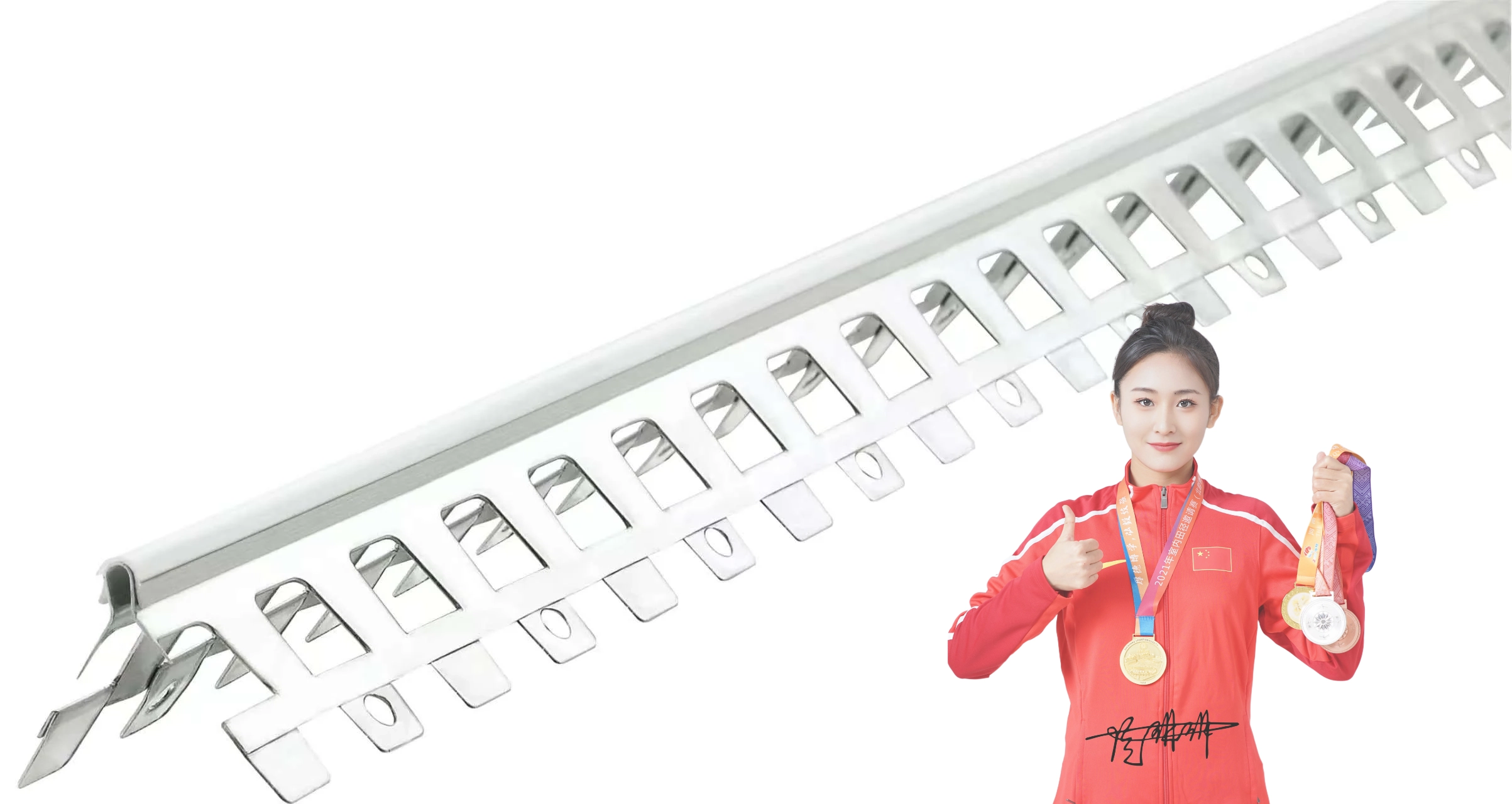
In simple terms, mesh expanded metal is made by taking a sheet of metal and slitting it, then stretching it to create a diamond-shaped pattern of openings. This method produces a continuous piece — no welding or joining needed — which is inherently stronger and more durable than a welded wire mesh because of its solid metal continuity.
This characteristic makes it indispensable not just for fences and grates but also for modern industries requiring flexible yet durable materials — from filtration screens to architectural cladding. Plus, in humanitarian contexts, it serves as a lightweight frame or barrier that can be produced quickly and shipped easily to remote or disaster-affected areas.
Mini takeaway:
Mesh expanded metal is a one-piece, stretched and slit metal sheet, prized for durability and flexibility across industries and relief efforts.
Core Components That Define Mesh Expanded Metal’s Power
Durability and Strength
Because the metal isn’t cut and re-welded but stretched from a single piece, the mesh offers enhanced mechanical strength. This means tougher panels that resist warping or breaking under pressure — a must for security fencing or heavy-duty machine guards.
Weight and Material Efficiency
It’s odd but true: you get more coverage with less metal. The diamond openings reduce weight significantly compared to solid sheets, facilitating easier transport and installation without sacrificing integrity.
Corrosion Resistance
Many manufacturers use galvanized or stainless steel, meaning mesh expanded metal can survive chemically aggressive or outdoor environments without quickly deteriorating, thus reducing maintenance.
Scalability and Customization
You can order mesh expanded metal panels in an array of thicknesses, opening sizes, and sheet dimensions — tailored to specific applications.
Economic and Environmental Cost Efficiency
Less raw metal means lower cost and smaller ecological footprint. Plus, the manufacturing process yields little scrap compared to punched perforated sheets.
Mini takeaway:
- It’s tough, light, customizable, and lasts longer — ticking all the boxes manufacturers and users want.
Real-World Applications: Where Mesh Expanded Metal Makes a Difference
Mesh expanded metal is everywhere — often invisible unless you're really looking for it. In Asia, factories rely on it for efficient machine guarding, protecting workers from moving parts without blocking visibility. In Africa, it’s popular for window security screens, allowing ventilation while keeping intruders out.
In post-disaster relief operations, humanitarian groups have used expanded metal framing to quickly build secure, temporary shelters. These structures benefit from the mesh’s light weight yet high strength, enabling quick deployment in remote areas. And if you’ve traveled European highways, you’ve likely seen it in guardrails and safety fencing, reducing accidents and containing debris.
Mesh expanded metal provides a versatile solution whether you’re in remote industrial zones, urban infrastructure, or emergency zones.
Mini takeaway:
Its uses are remarkably diverse — spanning heavy industry, public safety, and humanitarian efforts worldwide.
Advantages of Mesh Expanded Metal and Its Long-Term Value
From the engineer’s perspective, mesh expanded metal reduces project weight and cost without sacrificing stability — a rare and welcome combination. From the end-user’s side, it stands up to wear and tear, and environmental factors like rain or salt air.
There’s also an emotional and social side. Communities using mesh expanded metal for security fencing or shelter solutions can feel safer and more dignified. Innovation in these products builds trust — whether for a factory worker or a disaster survivor, it’s about safety and a sense of reliability.
| Specification |
Details |
| Material Types |
Galvanized Steel, Stainless Steel, Aluminum |
| Thickness Range |
0.5 mm – 6 mm |
| Opening Size |
5 mm – 50 mm (diamond pattern) |
| Sheet Size |
Customizable up to 2m x 6m |
| Corrosion Resistance |
High when galvanized or stainless |
| Lifespan |
10+ years outdoor/app depending on conditions |
Spotlight on Vendors: Comparing Mesh Expanded Metal Providers
| Vendor |
Material Range |
Customization |
Delivery Time |
Typical Use Cases |
| Corner Bead Mfr. |
Galvanized, Aluminum |
High (custom sheet sizes & thickness) |
2–3 weeks |
Construction, HVAC, Security |
| Global Mesh Pro |
Stainless Steel, Galvanized |
Medium (standard sizes only) |
1–2 weeks |
Industrial, Security Fencing |
| UrbanMesh Supplies |
Aluminum, Galvanized |
Low (fixed dimensions) |
1 week |
Architectural Facades |
Looking Ahead: Trends and Innovations in Mesh Expanded Metal
Looking ahead, sustainability and digital manufacturing technologies will shape mesh expanded metal’s future. Some companies are exploring recycled metal feedstock to lower environmental impacts, and advanced coatings that push corrosion resistance further.
Digital laser cutting and automated stretching enable even more precise and customized meshes. And oddly enough, with the rise of green energy infrastructure (think solar farms needing fencing) the demand for lightweight long-lasting mesh is expanding.
Even 3D printing hybrid metal-mesh composites aren’t out of the question in the next decade — mixing traditional durability with flexible new designs tailored by data-driven engineering.
Mini takeaway:
The tech evolution in production and a push for green materials mean mesh expanded metal won’t just keep its place — it’ll expand it.
Facing Challenges: What’s Not Perfect About Mesh Expanded Metal?
Like any material, expanded metal has limitations. For example, it can be less effective where absolute privacy or complete weather sealing is required. The openings inherently allow airflow, so it’s no good for waterproof screens.
Durability depends on surface treatment, and poor coating leads to rust, which is sadly common in budget purchases. Additionally, extremely thick panels can get pricey and tough to handle.
The solutions? Innovations in coatings and hybrid composites help close these gaps, and pairing mesh expanded metal with other materials lets designers optimize costs and performance.
FAQ: Practical Questions About Mesh Expanded Metal
- What makes mesh expanded metal preferable to welded wire mesh?
- Expanded metal is cut and stretched from a single sheet, making it stronger and less prone to weld failures. It’s also more rigid and less flexible, which suits industrial safety and construction needs better.
- How long can mesh expanded metal last outdoors?
- Depending on the metal type and coating, it can last over 10 years. Stainless steel variants tend to last longer in corrosive environments compared to galvanized steel.
- Is mesh expanded metal eco-friendly?
- Yes, it uses less raw material per area and generates minimal waste during manufacturing. Many manufacturers also offer recycled or recyclable products, lowering environmental impact.
- Can mesh expanded metal be customized for specific industrial applications?
- Absolutely. Thickness, opening size, sheet dimensions, and coatings can be tailored to suit specific load capacities, airflow, or aesthetic needs.
- How do organizations import mesh expanded metal internationally?
- Many vendors, like Corner Bead Mfr., specialize in global logistics and provide export documentation to ease customs and regulatory compliance.
Conclusion: Why Mesh Expanded Metal Deserves Your Attention
At the end of the day, mesh expanded metal stands out as a smart, flexible, and durable material serving countless roles worldwide — from industrial manufacturing to emergency shelters. Its lightweight strength, adaptability, and cost-effectiveness make it a reliable choice for manufacturers and communities alike. If you’re exploring materials that balance innovation with real-world reliability, mesh expanded metal deserves a spot on your radar.
Ready to learn more or get custom solutions? Visit our website to explore product options and expert support.
Quick References
- United Nations - Urbanization Data
- World Bank - Infrastructure Overview
- Wikipedia - Expanded Metal