Understanding Stainless Steel Screen Sheet: Why It Matters Today
When you hear stainless steel screen sheet, maybe your mind wanders to fences or screens on windows. But these versatile sheets are quietly powering critical industries and global operations—from mining to filtration to infrastructure. In a world chasing durability, precision, and sustainability, knowing what stainless steel screen sheets bring to the table isn’t just industry jargon; it’s a useful insight into a material many rely on daily.
Globally, the demand for robust, corrosion-resistant materials is growing. According to the International Stainless Steel Forum, global stainless steel production topped 51 million metric tons in 2023, a clear sign industries need materials that last and perform under pressure. Stainless steel screen sheets sit at the heart of many solutions, marrying toughness and precision to solve complex challenges.
Mini takeaway: Stainless steel screen sheets are more than just building materials; they're foundational to many modern industrial and humanitarian applications worldwide.
The Global Context: Why Stainless Steel Screen Sheets Are Essential
Look around at infrastructure projects, environmental controls, or humanitarian setups—chances are, stainless steel screen sheets play a part. The World Bank noted that urbanization and industrial growth in Asia and Africa are accelerating demand for sustainable and resilient materials. This is especially important when disasters strike or industries operate in harsh environments.
The challenge though? Many conventional screens corrode, weaken, or fail prematurely. That's where stainless steel screen sheets step in—they withstand harsh chemicals, extreme weather, and mechanical stress better than most alternatives. In fact, ISO standards emphasize corrosion resistance in materials used for filtration and structural frameworks, directly highlighting the value stainless steel offers.
Mini takeaway: As global industries expand, stainless steel screen sheets address the critical need for durable, reliable materials that uphold safety and performance standards.
What Is a Stainless Steel Screen Sheet?
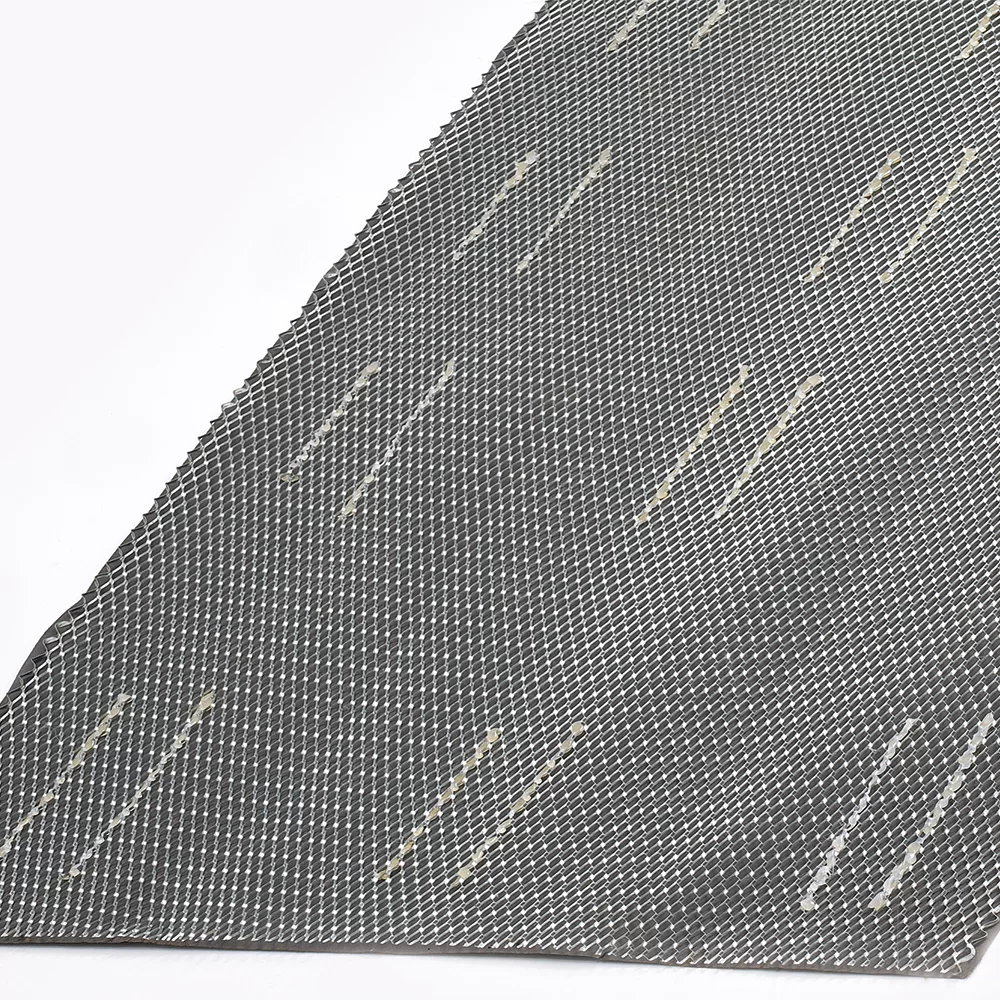
Simply put, a stainless steel screen sheet is a flat piece of stainless steel woven or perforated to create a mesh or pattern of openings. This allows it to filter, protect, separate, or support while resisting corrosion and wear. They come in different grades—like 304 or 316 stainless steel—to suit varying environments, from mild indoor to aggressive marine conditions.
Industrially, these sheets serve multiple roles: filtration in water treatment plants, sifting in mining operations, or as protective screens in ventilation. Oddly enough, they also carry humanitarian significance, being used in emergency shelters or infrastructure where hygiene and durability matter.
Key Features That Make Stainless Steel Screen Sheets Stand Out
Durability Against Corrosion and Wear
Reactivity to moisture, salts, and chemicals is the Achilles heel of many metals. Stainless steel’s chromium content forms an invisible, self-repairing layer of oxide, keeping rust at bay. This translates into longer life, less maintenance, and trust in challenging locations.
Precision in Aperture and Weaving
The exact size and pattern of the mesh holes influence what can pass through—critical for filtration or sorting. Advances in manufacturing now enable incredibly consistent stainless steel screen sheets down to micrometer tolerances.
Flexibility and Strength
Despite being a metal, these screen sheets offer a nice balance: flexible enough to conform to curved surfaces but strong enough to resist tear or puncture during installation or service.
Cost Efficiency Over Time
Initial costs might be higher than plastic or coated alternatives, but the lifespan and low upkeep paint a different story. In rough environments like chemical plants or offshore platforms, stainless steel screen sheets quickly prove their value.
Scalability and Customization
Manufacturers now tailor stainless steel screen sheets to specific project needs, whether it’s size, weave pattern, thickness, or stainless steel grade. This versatility means customers—from heavy industry to humanitarian aid—get exactly what suits their mission.
Mini takeaway: These sheets combine precision engineering with inherent metal strength, yielding a product that is serious about performance and reliability.
Where Stainless Steel Screen Sheets Help Around the World
Regions with industrial hubs, coastal zones, and developing countries see huge benefits. For example:
- Mining Operations in Australia and South America: Stainless steel screen sheets filter materials and fluids withstanding abrasive wear.
- Water Treatment in Europe and North America: Their corrosion resistance ensures safer, longer-lasting filtration systems.
- Humanitarian Efforts in Asia: Screens integrated into shelters improve airflow and protection without compromising durability.
- Oil and Gas in the Middle East: Critical parts of extraction and refinement infrastructure rely on these sheets under extreme conditions.
In post-disaster relief operations, engineers appreciate that stainless steel screen sheets can be swiftly deployed as durable partitions or protection panels, replacing fragile materials that falter under stress.
Advantages and Long-Term Value of Stainless Steel Screen Sheets
Beyond raw strength and corrosion resistance, these materials embody long-term savings and safety. They build trust among engineers and operators because failure risks drop dramatically—meaning fewer emergencies and downtime.
Further, the environmental angle is interesting. Stainless steel is 100% recyclable, and most screens contain high recycled content. In an era worried about waste and carbon footprints, that resonates well with sustainable development goals championed by the UN.
On a human level, using reliable materials like this promotes dignity and security—imagine refugees relying on emergency shelters with impromptu, rusting screens vs. stainless steel ones that last. Feelings of safety and comfort arise from the very structure surrounding them.
The Future: Innovations in Stainless Steel Screen Sheet Technology
New coatings and nano-engineering promise even better corrosion resistance and anti-fouling properties. Some labs experiment with stainless steel alloys with extra tensile strength or lighter weight for easier transport and installation.
There’s growing integration of these sheets into "smart" filtration systems that can monitor wear via sensors embedded in the metal mesh. This fits into broader trends around industrial digital transformation and automation.
Sustainability trends push vendors to enhance recyclability or reduce energy used in steel production, too—in line with ISO 14001 environmental management standards.
Overcoming Challenges: What Could Hold Back Stainless Steel Screen Sheets?
Cost remains the biggest barrier for some projects, especially in low-budget humanitarian work. However, many engineers argue total cost of ownership should be the focus, not up-front sticker shock.
Also, in highly corrosive environments, no material is perfect. Selecting the right stainless steel grade or pairing screens with protective coatings is vital. Collaboration between material scientists, engineers, and end users has generated clever hybrid solutions recently.
Frequently Asked Questions About Stainless Steel Screen Sheet
Q: What should I consider when choosing stainless steel screen sheet grades?
A: It depends on the environment. 304 grade suits most indoor or mildly corrosive conditions, while 316 grade is better for marine or chemical exposure. Consulting project specifics with a vendor is key.
Q: Can stainless steel screen sheets be customized for unique industrial needs?
A: Absolutely. Vendors offer tailoring options including aperture size, mesh pattern, sheet thickness, and finish, helping meet exact system or environmental demands.
Q: How do stainless steel screen sheets impact maintenance?
A: Their corrosion resistance and durability reduce maintenance frequency and costs over time, which is critical in hard-to-access installations.
Q: Are these sheets eco-friendly compared to alternatives?
A: Yes. Stainless steel is recyclable and often made from recycled materials, placing it favorably against plastic or coated metal sheets with shorter lifespans and disposal issues.
Q: Can NGOs source stainless steel screen sheets internationally?
A: Most suppliers, including stainless steel screen sheet manufacturers, offer global shipping and technical support, facilitating international humanitarian projects.
Product Specifications at a Glance
| Specification |
Typical Range / Value |
Notes |
| Material Grade |
304, 316, 310 |
316 preferred for marine use |
| Mesh Aperture Size |
0.1 mm to 5 mm |
Highly customizable |
| Sheet Thickness |
0.3 mm to 3 mm |
Depends on load requirements |
| Surface Finish |
Mill, Polished, Electro-polished |
Polishing boosts corrosion resistance |
| Standard Sheet Size |
1m x 2m (varies) |
Custom sizes common |
Comparing Leading Stainless Steel Screen Sheet Vendors
| Vendor |
Customization Options |
Global Shipping |
Industry Focus |
Typical Lead Time |
| CornerBead Mfr |
High (grades, weave, size) |
Yes |
Industrial & Humanitarian |
2-4 weeks |
| Global Mesh Corp |
Moderate (standard choices) |
Yes |
Mining, Water Treatment |
3-6 weeks |
| SteelScreen Ltd |
Low (standard products) |
Regional only |
Construction |
1-2 weeks |
Wrapping Up: Why Stainless Steel Screen Sheets Make Sense
There’s a subtle, quiet power in stainless steel screen sheets. They hold their shape and purpose under environmental and mechanical stress, ushering in improvements that ripple from heavy industry to humanitarian aid. Investing in quality, durable screens today means fewer repairs, better safety, and a smaller environmental footprint tomorrow.
If you want to explore high-quality, customizable stainless steel screen sheets tailored to your project’s needs, check out our offerings here. It’s always better to plan ahead when quality counts.
Thanks for reading — it feels good to step back and appreciate the unassuming materials that quietly keep the world chugging along.
References
- World Steel Association - Steel in Figures 2024
- ISO 9044: Stainless steels - Corrosion tests in artificial atmospheres
- United Nations Sustainable Development Goals