Understanding Wire Mesh Sheet with 1cm Holes: Why It Matters Globally
Wire mesh sheets with 1cm holes are often quietly critical in countless industries worldwide. On the surface, they might seem like a simple industrial material, but their precise dimensions and durability make a huge difference across construction, manufacturing, filtration, and even humanitarian aid. Why does a gap of exactly 1cm matter? Well, the right hole size optimizes strength and airflow, prevents passage of unwanted debris or pests, and overall adds versatility to many applications. Taking time to understand these sheets unlocks better design choices that save time, money, and resources in the long run.
Globally, with the increase in demand for robust yet lightweight materials, and heightened needs for safety and hygiene, wire mesh sheets with 1cm holes are more relevant than ever. They help solve problems related to contamination control, animal intrusion into crops, and filtering hazardous debris in environments ranging from urban to remote industrial zones. It's a niche but pivotal product, bridging practical engineering with real-world needs.
The Global Perspective: Why Wire Mesh Sheets with 1cm Holes Are So Vital
According to ISO standards related to wire mesh materials and a recent World Bank report on infrastructure durability, materials like wire mesh sheets have become more necessary in response to urbanization and climate challenges. By 2030, the global market for wire products is expected to grow steadily—highlighting investment in materials that balance cost efficiency with performance. In particular, 1cm holes are often the sweet spot — small enough to block unwanted materials, yet large enough for ventilation or filtration.
But challenges exist. For example, industrial zones in developing countries often face issues with subpar materials. Wire mesh sheets with irregular hole sizes lead to contamination or structural failures. This is where the industry makes a real difference: standardized 1cm hole wire mesh sheets bring predictability and quality assurance.
What Exactly Is a Wire Mesh Sheet with 1cm Holes?
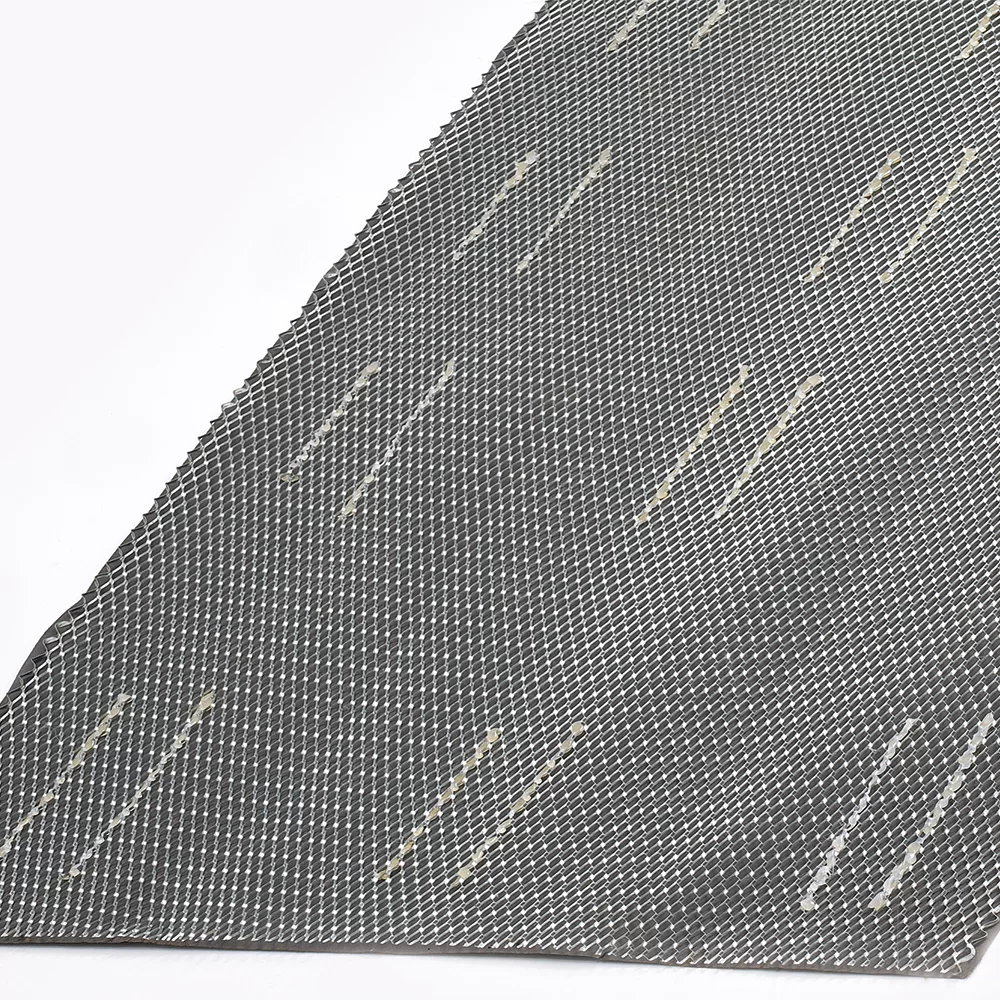
Put simply, this is a flat sheet of metal wire woven or welded into a grid pattern where each square (or diamond) opening measures approximately 1 centimeter per side. The wire can be made of steel, stainless steel, aluminum, or even specialized alloys. The sheet’s size, wire thickness (gauge), and hole dimensions determine its strength, flexibility, and filtration capacity.
Originally used for fencing or simple gating needs, wire mesh sheets with precisely 1cm holes have found a broader purpose. Today, they help build cleaner industrial environments, safer buildings, and even better storage containers when fine particle control is needed. In humanitarian efforts, they’re useful for mosquito netting replacements or lightweight barriers in shelters.
Mini takeaway:
- Wire mesh sheet with 1cm holes is a versatile material that blends strength with controlled permeability.
- Its precise hole size helps achieve balance between containment and airflow — critical for many sectors.
Key Factors That Define Wire Mesh Sheets with 1cm Holes
1. Durability and Material Composition
Many engineers say durability depends significantly on wire gauge and material type. Stainless steel versions resist rust and corrosion better but cost more. Galvanized steel is a popular cost-effective choice, offering decent weather resistance, especially for outdoor uses. In wet or corrosive environments—think coastal regions or chemical plants—selecting the right alloy extends service life.
2. Scalability and Sheet Sizes
Wire mesh sheets come in standard sizes but can be customized. The ability to scale from small panels to massive sheets enables flexible usage—from small filter cages to large fencing and screening operations. For example, manufacturers catering to the construction sector might offer 1x2 meter sheets, while others specialize in smaller, lightweight segments for electronics enclosures.
3. Hole Consistency and Precision
Honestly, the key selling point is hole uniformity. Uneven hole sizes can cause weak spots or allow unwanted particles in. Industry standards from ISO and ASTM ensure consistent hole measurements, which is critical for filtration or animal control applications. Precision weaving or welding techniques are deployed depending on volume and need.
4. Cost Efficiency
While stainless steel mesh sheets command a price premium, the 1cm hole variant often offers an excellent cost-to-benefit ratio. Maintenance costs drop due to reduced replacements and better performance, which is what many purchasers find attractive — especially at scale. It’s true, sometimes spending a bit more upfront saves headaches down the line.
5. Environmental and Sustainability Aspects
Fortunately, wire mesh sheets can be 100% recyclable. Many vendors now offer eco-friendly options with reduced carbon footprints. There's also growing interest in wire mesh using recycled metal inputs, helping industries meet sustainability goals aligned with UN initiatives.
Mini takeaway:
- Durability, material, and precision govern how well the mesh performs across diverse applications.
- Cost-effectiveness and environmental credentials are increasingly important to buyers worldwide.
Where Wire Mesh Sheets with 1cm Holes Shine: Real-World Applications
Let’s paint a picture: in post-disaster relief operations, rapid construction of barrier fencing and water filtration units uses these sheets because of their lightweight nature and standardized sizing. They’re particularly useful in wire mesh sheet with 1cm holes that prevent debris from clogging water pumps or filtration systems without restricting flow.
In agricultural zones of Southeast Asia and Africa, these meshes protect crops from small rodents and birds without harmful pesticides. Urban planners in Europe specify 1cm-hole wire mesh in ventilation grates to balance airflow and safety against litter or rodents entering subway systems.
Industrially, manufacturers use them in screens for sifters, sieves, and separators to control particle sizes precisely.
Mini takeaway:
- Applications range widely: relief work, agriculture, urban infrastructure, and industrial filtration.
- Exact hole size and material options maximize utility in each context uniquely.
Advantages and Long-Term Value of Wire Mesh Sheets with 1cm Holes
Why do so many engineers, architects, and project managers trust these specific wire mesh sheets? It’s the mix of reliability, sustainability, and economic sense. They reduce risks — be it pest intrusion, contamination, or structural failure. Emotionally, offering safety and stability in environments that need it most builds trust. Socially, the use of durable, recyclable materials aligns with global pushes for innovation and environmental responsibility.
Long-term, these sheets minimize downtime and maintenance costs, which many clients rave about after years of use. Their consistent quality avoids surprises in the supply chain, making them a solid bet for big infrastructure projects or repeated batch production.
Product Specification Table
| Specification |
Details |
| Hole Size |
1 cm (±0.05 cm) |
| Wire Material |
Stainless Steel / Galvanized Steel / Aluminum |
| Wire Gauge |
18 to 22 gauge (1.2 mm - 0.7 mm diameter) |
| Sheet Dimensions |
1 m x 2 m (standard), custom sizes available |
| Surface Treatment |
Galvanized, Powder Coated, or Plain |
| Weight |
Approx. 2.5 to 3.2 kg per sheet |
Vendor Comparison Table for Wire Mesh Sheets with 1cm Holes
| Vendor |
Materials Offered |
Custom Sizes |
Eco-Friendly Options |
Price Level |
| Corner Bead Mfr |
Stainless Steel, Galvanized |
Yes |
Recycled Steel Mesh |
Mid-range |
| Global Mesh Co. |
Aluminum, Stainless Steel |
Limited |
No |
High-end |
| EcoWire Solutions |
Galvanized Steel |
Yes |
100% Recycled Materials |
Competitive |
Looking Ahead: Trends and Innovations in Wire Mesh Sheets
The future feels bright for wire mesh technology. We’re seeing stronger collaboration between manufacturers and digital tools to create smarter mesh — like embedded sensors for structural health monitoring. Also, the trend towards lighter yet stronger alloys isn’t slowing down. Sustainability is a major driver, with circular economy initiatives encouraging use of recycled metals and more eco-conscious coatings.
Automation in manufacturing is also boosting precision, meaning the 1cm holes are becoming even more exact and consistent. This, in turn, opens up new frontiers for use in biotechnology and advanced filtration systems. It's weird sometimes how a simple product can quietly be on the cutting edge behind the scenes.
Challenges and Solutions in Using Wire Mesh Sheets with 1cm Holes
Despite the benefits, there are challenges. Installation can be tricky if sheets aren’t perfectly sized or if edges are rough — sometimes leading to injuries or reduced structural integrity. Environmental exposure like extreme saltwater can still corrode poorly treated mesh. Another issue is occasional shipment delays complicating project timelines.
Expert vendors now suggest pre-cut pieces with protective edge guards, modular fastening systems, and certified coatings to tackle these issues. Additionally, sourcing from reliable companies with strong QA processes ensures less downtime and frustration.
FAQ: Your Questions About Wire Mesh Sheet with 1cm Holes
Q1: How does the 1cm hole size impact mesh strength and usability?
A: The 1cm openings balance good airflow and filtration with structural strength. Smaller holes mean increased strength but less permeability, while bigger holes compromise filtration effectiveness. Hence, 1cm is a popular, versatile size for multiple uses.
Q2: Are wire mesh sheets with 1cm holes suitable for outdoor use?
A: Absolutely, especially when made from galvanized or stainless steel. Proper surface treatment prevents rust and degradation caused by weather, which is crucial for fencing, balcony guards, and water filtration systems.
Q3: Can these wire mesh sheets be customized for specialized industrial needs?
A: Yes, most vendors offer customization of wire gauge, sheet size, and coatings to meet specific project requirements, so you’re not locked into one size fits all.
Q4: Where can I find reliable suppliers of quality 1cm hole wire mesh sheets?
A: Trusted suppliers such as Corner Bead Mfr specialize in standard and custom orders and provide eco-friendly product lines, delivering globally with strong quality assurance.
Q5: How sustainable are these wire mesh sheets?
A: Many manufacturers now use recycled metals and environmentally friendly coatings, making wire mesh sheets increasingly sustainable compared to other materials. Plus, the products are 100% recyclable at end-of-life.
Wrapping Up: Why Investing in Wire Mesh Sheet with 1cm Holes Makes Sense
When you factor in performance, durability, sustainability, and broad applications, it’s clear why wire mesh sheets with 1cm holes continue to be a staple in industries worldwide. From protecting crops against pests, enabling clean air flow in buildings, to strengthening infrastructure in disaster zones, their value is undeniable. For smart buyers looking to blend quality and cost effectiveness, these sheets offer a practical, long-term solution.
If you’re interested in exploring high-quality options, take a look at Corner Bead Mfr’s product portfolio for reliable mesh sheets crafted with precision and care.
References
- ISO Wire Mesh Standards
- World Bank Infrastructure Reports
- Wire Mesh – Wikipedia