Exploring the Different Types of Corner Bead: What They Are and Why They Matter
Corner bead — honestly, it’s one of those unsung heroes in construction that rarely gets its time in the spotlight. But understanding the different types of corner bead isn’t just for drywall contractors or architects; it actually matters globally because it impacts the durability and finish quality of countless buildings, both residential and industrial. Whether you’re assembling a luxury condo or putting up emergency housing in post-disaster zones, the choice of corner bead can make a surprising difference in protecting and shaping walls.
Why We Talk About Corner Bead Globally
You might wonder why something as niche-sounding as corner bead has any global relevance. Well, according to recent global construction industry reports (including insights from organizations like the World Bank), construction volumes are expected to keep rising sharply in emerging economies throughout Asia, Africa, and Latin America. That means more walls, more corners to protect, and frankly a bigger market for smart building solutions. Yet, a common challenge worldwide is minimizing cracks, wear, and water damage particularly in harsh climates or conflict zones where resources are limited.
So, different types of corner bead offer practical, cost-effective solutions for making structures last longer and maintain their aesthetic integrity.
What Exactly Are Different Types of Corner Bead?
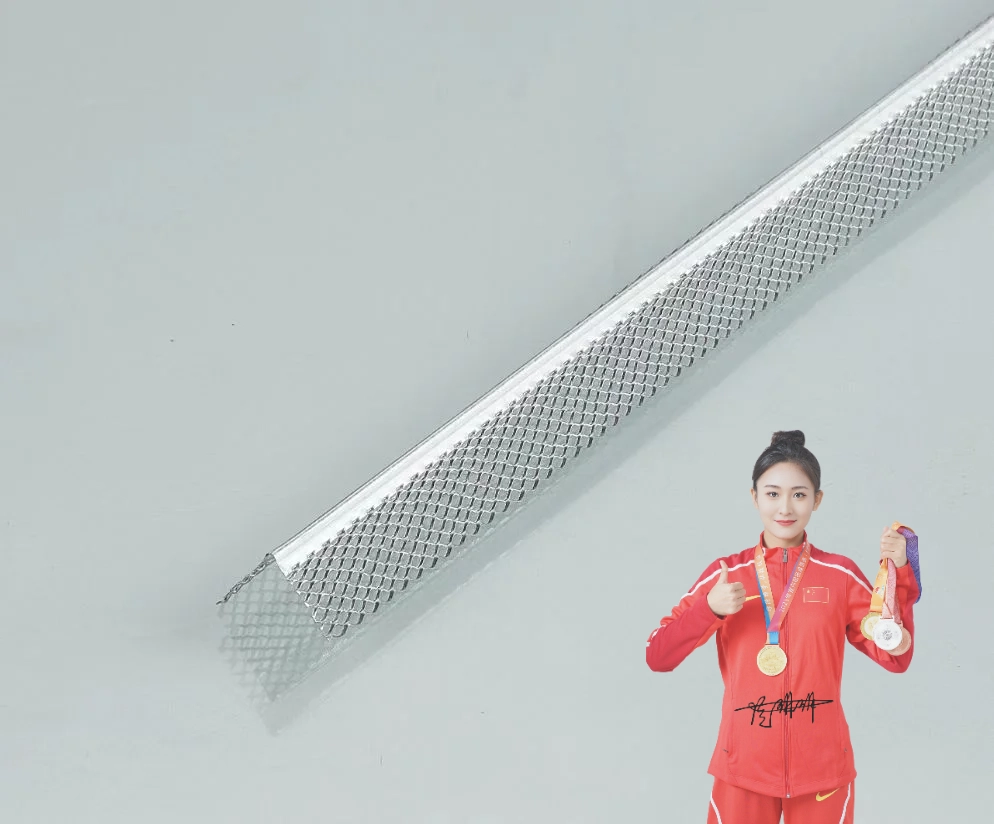
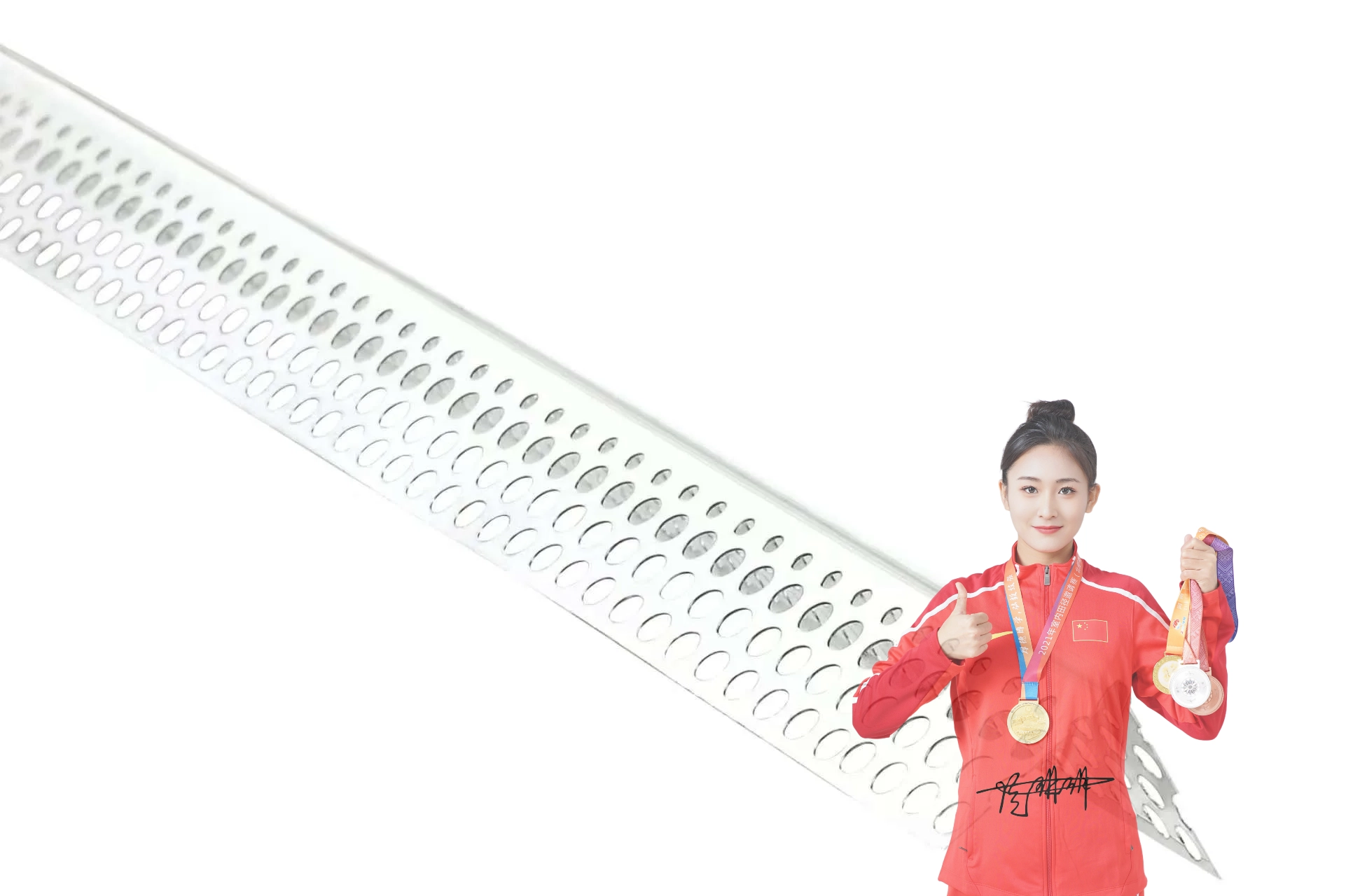
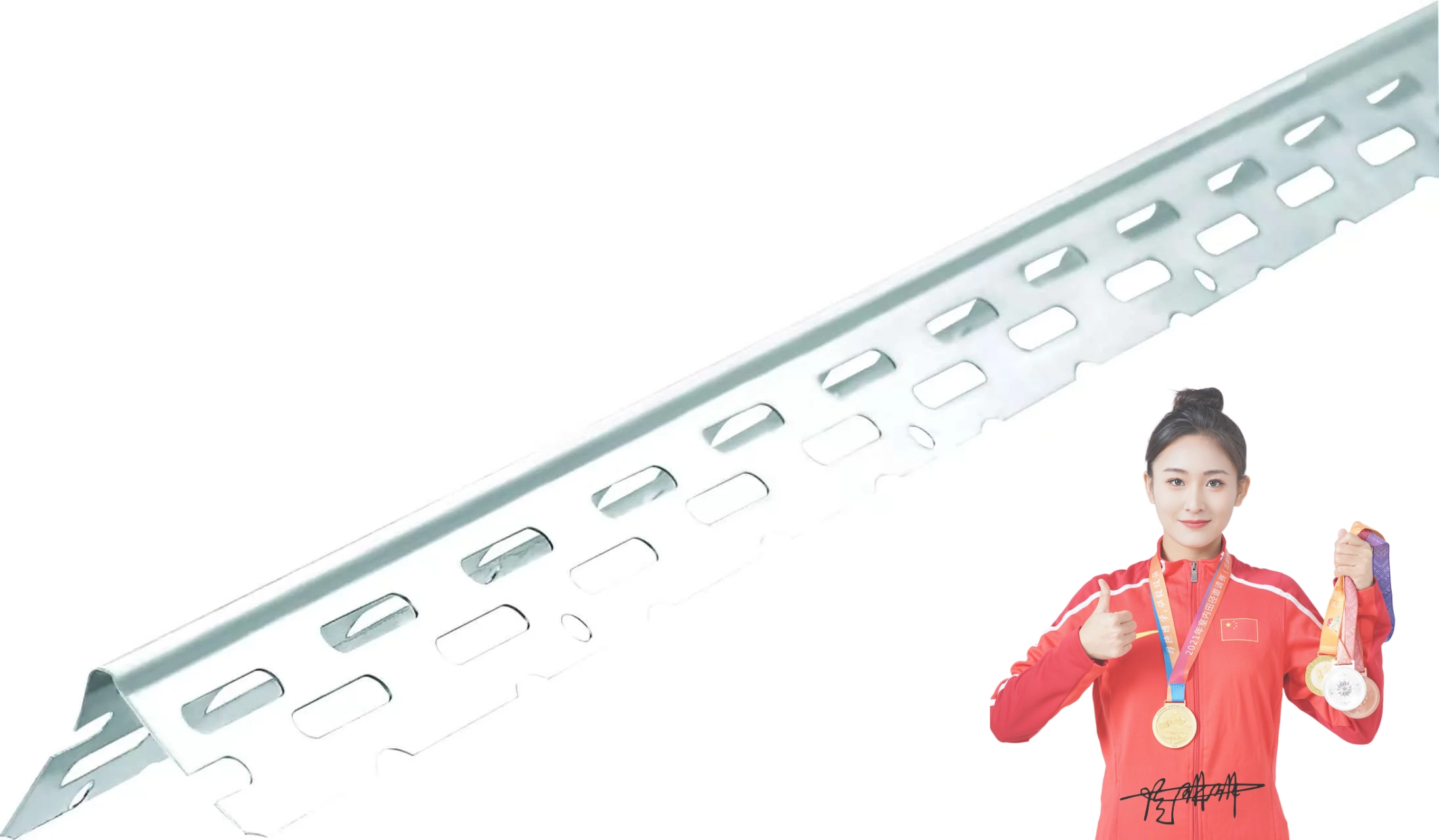
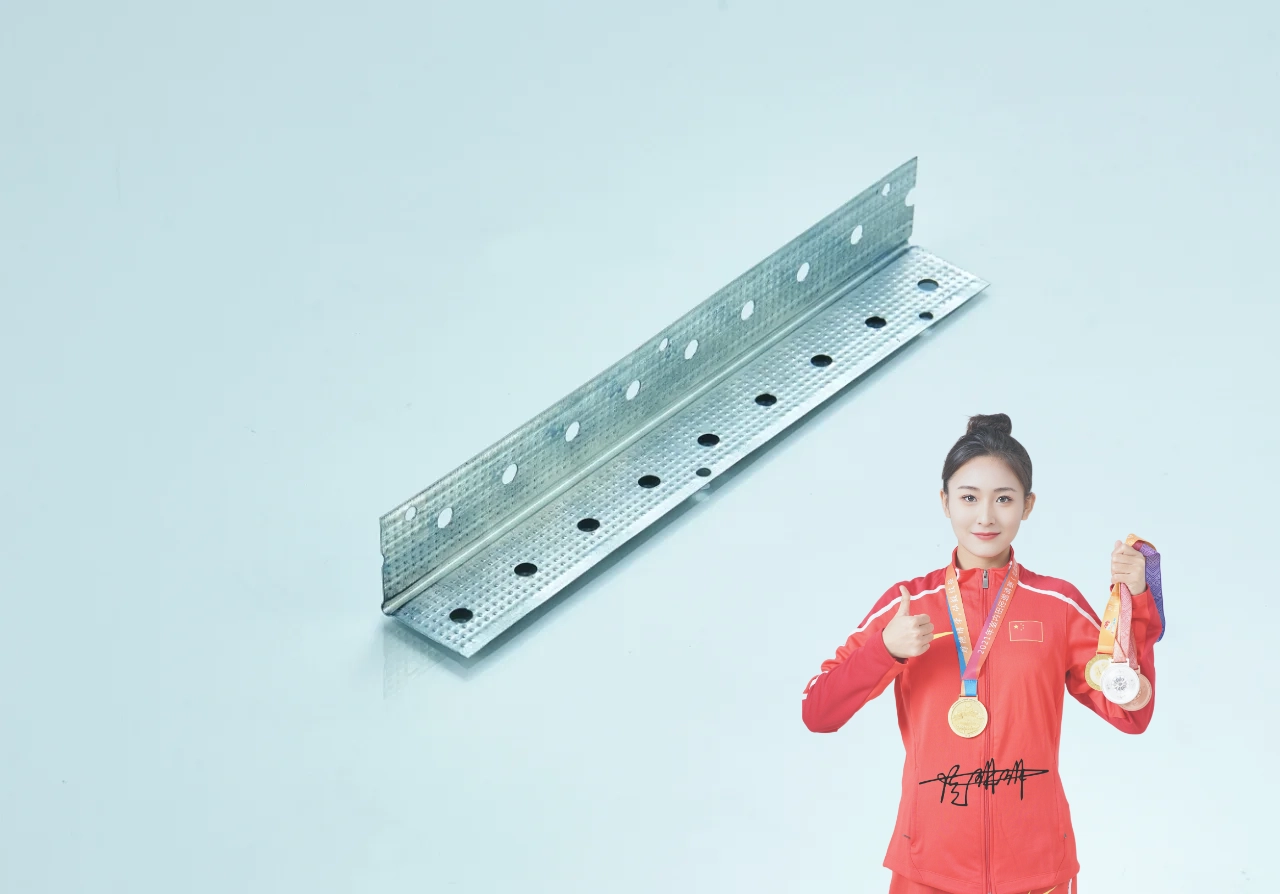
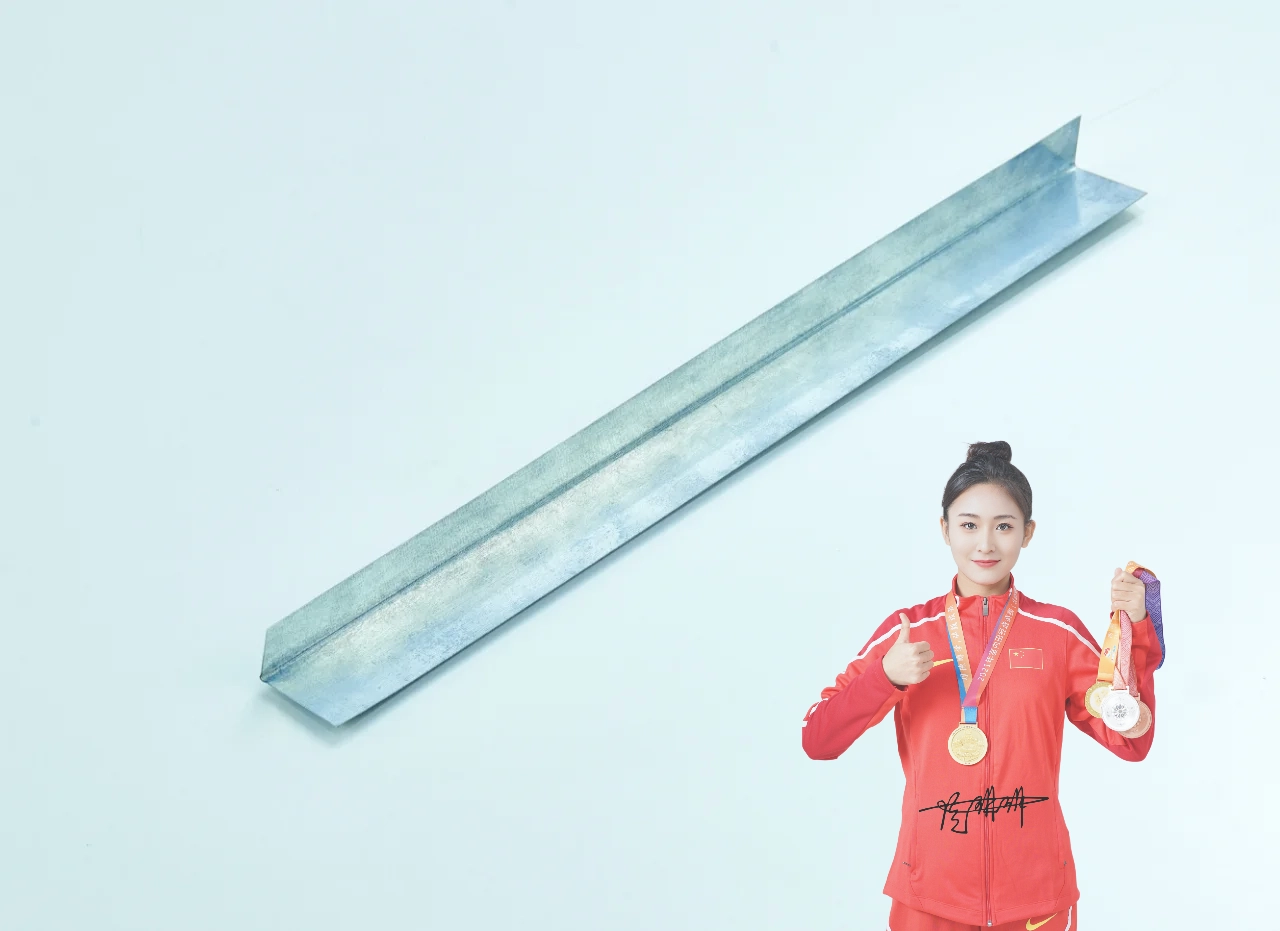
Simply put, corner beads are the protective strips applied to drywall or plasterboard corners. They reinforce the edges, prevent dings, chips, and cracking, and give walls a clean, crisp line. While at first glance they might seem mundane, different materials and designs serve very particular roles: some are metal for strength, others flexible plastic for curves, and specialty types resist moisture or rust.
Modern industries — from commercial buildings to humanitarian projects — rely on choosing the right bead depending on their needs. For example, in disaster rehabilitation, lightweight, easy-to-install corner beads speed up rebuilding efforts, while in high-end retail environments, aesthetic quality might be paramount.
Key Factors to Consider in Corner Bead Selection
Durability
Arguably the most important quality. Metal beads like galvanized steel offer excellent impact resistance, while PVC beads are corrosion-resistant and suitable for damp environments. Durability directly affects how long a corner remains pristine, reducing repair costs over time.
Flexibility and Shape Adaptability
Some jobs require curved corners or unusual angles — here, flexible vinyl or paper-faced beads excel. Their ability to bend without cracking covers more architectural creativity compared to rigid metal.
Cost Efficiency
This often guides decision-making. Paper-faced metal beads strike a balance: affordable, with clean finishes. Meanwhile, plastic options may be cheaper upfront but might sacrifice longevity.
Ease of Installation
In fast-paced environments, especially relief construction or modular builds, beads that are lighter and simpler to handle accelerate timelines. For example, some corner beads come with self-adhesive surfaces, which trainees find much easier.
Corrosion Resistance
Particularly important in coastal or high-humidity zones—rustproof materials help avoid staining and structural weakening. Aluminum and specially coated steels are popular here.
Product Specifications Snapshot
| Type |
Material |
Best For |
Installation |
Typical Cost (per ft) |
| Galvanized Metal |
Steel, Zinc Coated |
High impact & commercial walls |
Nail or screw |
$0.70 - $1.20 |
| PVC Vinyl |
Plastic Polymer |
Moisture-prone & curved walls |
Adhesive or nails |
$0.50 - $0.90 |
| Paper-Faced Metal |
Metal with paper coating |
Smooth finish, drywall corners |
Mud application |
$0.60 - $1.00 |
Global Applications & Use Cases of Different Corner Beads
It's fascinating how corner bead materials and designs vary according to regional needs. For example:
- Post-disaster housing: Lightweight, easy-install PVC corner beads speed up construction in temporary shelters in places like the Philippines or Haiti.
- Industrial zones in dry climates: Metal corner beads withstand rough handling in warehouses or factories across Middle East regions.
- Luxury residential projects in Europe and North America: Paper-faced metal beads deliver smooth, paint-ready finishes meeting high aesthetic demands.
Industries including real estate development, humanitarian organizations, and even modular housing manufacturers routinely balance function and form by selecting suitable corner bead types.
Vendor Comparison: Corner Bead Providers at a Glance
| Vendor |
Product Range |
Price Level |
Lead Time |
Warranty |
| CornerPro Inc. |
All types; customizable lengths |
Mid-range |
5-7 business days |
5 years |
| EdgeGuard Supplies |
Specializes in corrosion-resistant beads |
Higher-end |
3-5 business days |
7 years |
| Budget Beads Co. |
Basic beads, mostly vinyl |
Budget-friendly |
7-10 business days |
3 years |
Advantages and Long-Term Value of Using the Right Corner Bead
Frankly, picking the proper corner bead is an investment in a building’s lifespan and look. Advantages include:
- Cost Savings: Reduce repair frequency and lower labor over years.
- Sustainability: Durable materials mean fewer replacements, which helps reduce waste.
- Safety & Trust: Strong corners protect inhabitants, enhancing lasting confidence in structures.
- Innovation: New coatings and designs offer improved water resistance and installation ease.
There's something quietly reassuring about knowing a home or facility can take a hit — literally at the corners — and still stay intact for decades.
Future Trends & Innovations in Corner Bead Technology
Looking ahead, the building industry's focus on sustainability echoes through corner bead development. Expect to see:
- More biodegradable or fully recyclable materials.
- Enhanced coatings that repel mold and bacteria, inspired by green building codes.
- Integration with digital tools — imagine corner beads embedded with sensors for structural health monitoring.
It’s odd but exciting to think that something as humble as corner bead is moving in these cutting-edge directions.
Challenges & Solutions in Corner Bead Practice
Of course, not all is perfect. Issues like improper installation causing cracks or cheap materials failing quickly are common setbacks. But industry experts often suggest:
- Training installers on correct mudding and securing techniques.
- Opting for premium products where climate demands harsh durability.
- Regular site inspections to catch early signs of wear before they become costly.
FAQ: Frequently Asked Questions About Different Types of Corner Bead
What is the best type of corner bead for a high-humidity environment?
PVC vinyl corner beads or aluminum-based metal beads are excellent choices for moist areas as they resist rust and mold better than regular steel beads. Paper-faced beads are typically avoided in damp zones unless sealed properly.
How do flexible corner beads differ from metal ones?
Flexible beads, usually made of vinyl or plastic, bend to fit curved or irregular corners, making them ideal for more artistic or rounded architectural designs, whereas metal beads are rigid and suited for straight, sharp corners.
Is installation time significantly different among corner bead types?
Yes, some vinyl beads with self-adhesive backing can save installation time compared to metal beads, which require nailing or screwing and mudding — essential in fast-paced or field settings.
Can corner beads be reused if a building is remodeled?
Generally, corner beads aren’t designed for reuse. Removing them can damage their shape or protective coating. It’s more cost-effective and reliable to install new beads during remodeling.
Are more expensive corner beads always the better option?
Not necessarily. While higher-end beads offer extended durability or special features, it's important to match bead specifications with the project’s environmental and budgetary needs rather than assuming pricier is better.
Conclusion and Call to Action
Understanding the nuances of different types of corner bead truly pays off in building smarter, longer-lasting structures and efficiently managing costs. The right choice depends on your project’s environment, design, and budget — each factor influencing durability and aesthetics. For more detailed guides and to explore top-quality options, do visit our website. You'll find everything from detailed specs to expert advice to make your corners stand tall.
Sometimes, the smallest construction elements hold the biggest key to lasting quality — corner beads very much included.
Quick Takeaways:
- Different corner bead types cater to various environments & design needs.
- Material choice closely influences durability, cost, and finish.
- Emerging innovations focus on sustainability and smart features.
References:
- Wikipedia on Cornice and Moulding
- ISO Building and Construction Standards
- World Bank Urban Development Overview