Masonry Drainage Mesh: What It Is and Why It Matters Globally
If you’ve ever noticed water stains or crumbling bricks on a wall, you might have encountered the consequences of poor masonry drainage without realizing it. Masonry drainage mesh plays a subtle but vital role in protecting structures by allowing trapped moisture to escape, preventing damage that can be costly and even dangerous. Globally, as climates shift and urban construction booms, understanding and deploying reliable masonry drainage systems has become a top priority—not just for engineers and architects but for anyone interested in building lasting, sustainable infrastructure.
In this article, we’ll unpack masonry drainage mesh from the basics to global implications, highlighting key benefits, innovations, and how it fits into today’s pressing environmental and construction challenges.
Introduction: The Global Context of Masonry Drainage Mesh
Water ingress and poor drainage have long been the nemesis of masonry structures worldwide, causing deterioration, mold, and structural failure. According to ISO standards on building materials, effective moisture management is essential in construction quality and longevity. The global building construction market is forecast to grow by 5-6% annually over the next decade (World Bank, 2023), meaning more masonry built each year—and a higher demand for drainage solutions that stand the test of time.
A particularly thorny challenge is managing moisture in climates with heavy rains or freeze-thaw cycles, such as parts of Europe, North America, and Southeast Asia. Here, masonry drainage mesh is critical. Without it, buildings may face costly repairs or even early demolition. In humanitarian contexts too, such as post-disaster rebuilding, employing reliable drainage mesh can prevent future damage and help provide safer shelter quickly.
What Exactly Is Masonry Drainage Mesh?
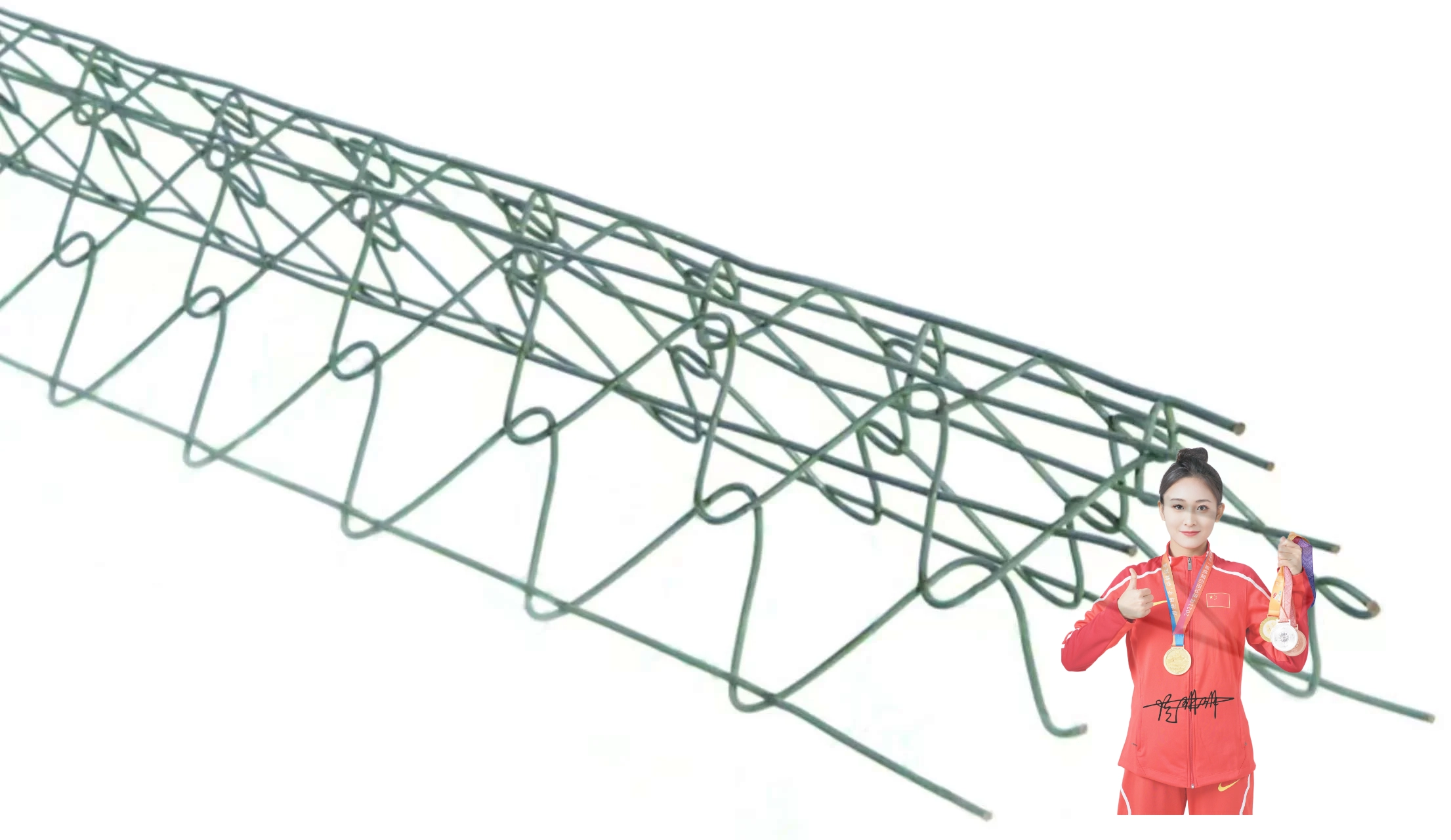
Masonry drainage mesh is a thin, often plastic or metal mesh material installed within masonry walls or cavity systems. Its primary function? To create a clear path for water trapped behind bricks or stones to escape outward, rather than accumulate and cause damage.
Think of it as a moisture-release valve within the wall — its porous structure directs water to drainage points, simultaneously blocking debris and insects. This simple but clever piece of technology bridges modern construction needs with environmental realities, ensuring that buildings remain dry, stable, and energy-efficient.
Key Features of Masonry Drainage Mesh
Durability
Since it sits behind masonry walls exposed to soil, weather, and moisture, drainage mesh must resist corrosion, UV degradation, and mechanical damage. High-density polyethylene (HDPE) and stainless steel variants are popular for their longevity.
Permeability
The mesh’s weave or perforation size balances allowing water flow while preventing fine soils or debris from clogging the drainage path. It’s a fine balance that engineers carefully specify.
Ease of Installation
Modular and flexible, modern meshes come in rolls or panels that can adapt to different cavity widths and construction types — from commercial high-rises to rural homes.
Cost Efficiency
Compared to expensive waterproof membranes or chemical barriers, mesh drainage offers an affordable and easily maintained solution, often increasing a building’s value by extending lifespan.
Global Applications & Use Cases
- Urban construction: Cities in North America use masonry drainage mesh extensively in multi-family dwellings where moisture build-up often occurs in cavity walls.
- Post-disaster recovery: NGOs prioritize drainage mesh in rebuilding after floods in Southeast Asia to prevent repeat structural failure.
- Historic preservation: In Europe, mesh supports delicate stone restoration by improving moisture control while retaining original aesthetics.
- Industrial zones: Remote tropical factories employ heavy-duty mesh to manage intense rainfall, reducing costly downtime from water damage.
Each context speaks to the adaptability and essential nature of the product in modern masonry practices.
Product Specification Table: Typical Masonry Drainage Mesh
| Feature |
Specification |
| Material |
HDPE or Stainless Steel |
| Thickness |
2–5 mm |
| Perforation Diameter |
1.5–3 mm |
| Roll Length |
50 m standard |
| Tensile Strength |
>400 N/cm |
Advantages & Long-Term Value of Masonry Drainage Mesh
First off, the obvious: extensive cost savings over a building’s lifetime. Fixing water damage is notoriously expensive. Utilizing drainage mesh prevents moisture accumulation early on, reducing the risks of rot, mold, and structural decay.
Then there’s the sustainability angle. Mesh materials like HDPE can often be recycled and reduce the need for chemical waterproofing agents that may pose environmental hazards. This aligns well with evolving ISO energy and environmental standards encouraging greener building materials.
Socially, buildings that last longer and maintain better indoor environments create safer and more dignified spaces for people, whether at home, work, or refuge centers. Trustworthy drainage solutions — they sort of underpin this wellbeing, literally and figuratively.
Vendor Comparison Table: Leading Masonry Drainage Mesh Providers
| Vendor |
Material Options |
Installation Support |
Typical Lead Time |
| CornerBead Manufacturing |
HDPE & Stainless Steel |
Technical guides & site visits |
2 weeks |
| MasonPro Mesh Solutions |
HDPE only |
Online tutorials |
1 week |
| DrainMaster Tech |
HDPE, Stainless Steel, PVC |
Full onsite training |
3 weeks |
Future Trends & Innovations in Masonry Drainage Mesh
The future looks pretty exciting, with new materials like bio-based polymers entering the fray, promising comparable strength but improved environmental footprint. We’re also seeing integration of smart sensors within mesh layers to monitor moisture levels in real-time — a game changer for maintenance.
Automation of installation methods and digital building information modeling (BIM) integration are becoming standard, allowing engineers to precisely specify drainage mesh placement for optimal performance before the first brick is laid.
Challenges & Solutions
Despite all the benefits, some issues remain: improper installation, mesh clogging over time, or incompatibility with certain masonry types can reduce effectiveness. Better training, guided by ISO workmanship standards and ongoing R&D into clog-resistant designs are making headway in solving these.
FAQ: Frequently Asked Questions About Masonry Drainage Mesh
- Q: How do I know if my building needs masonry drainage mesh?
- A: If your structure uses cavity wall construction, especially in rainy or humid climates, masonry drainage mesh is recommended to prevent moisture buildup and damage. Consulting a building professional can provide site-specific advice.
- Q: Can masonry drainage mesh be retrofitted into existing walls?
- A: Retrofitting is challenging because mesh is best installed during initial wall construction. However, certain drainage improvements can sometimes be made through external weep hole maintenance and wall repairs.
- Q: What materials are best for coastal environments?
- A: Stainless steel mesh is preferred in salty, corrosive environments due to its superior resistance to rust compared to plastic options.
- Q: How often does masonry drainage mesh need inspection or replacement?
- A: With proper installation, mesh can last decades. Inspections should coincide with major building maintenance every 5–10 years to ensure no blockage or damage.
Conclusion: Embracing Masonry Drainage Mesh for Durable Construction
In real terms, masonry drainage mesh offers a practical, cost-effective way to protect structures worldwide against moisture — one of the most insidious enemies of brick and stone. Whether in bustling cities, disaster recovery zones, or historic preservation sites, the right mesh ensures buildings stand up to nature’s tests, safeguarding safety, sustainability, and value.
Interested in exploring quality masonry drainage mesh tailored to your project? Visit CornerBead Manufacturing for expert advice, detailed product specs, and installation support.
After all, drainage isn’t just about water — it’s about preserving our built heritage for the future.
Quick Takeaway: Proper masonry drainage mesh installation is not just a technical add-on but a key pillar in sustainable, resilient construction worldwide.
- ISO standards on building materials and drainage
- World Bank: Global construction market forecasts
- Wikipedia: Masonry Drainage (general overview)