Understanding Mesh Steel Plate: A Backbone of Modern Industry
If you've ever walked past a construction site, peeked into a manufacturing plant, or observed infrastructure developments, chances are you’ve encountered mesh steel plate—sometimes literally underfoot or holding up scaffolds. While it sounds like simple gridwork, mesh steel plates are quietly foundational in industries worldwide, supporting everything from safe transport of heavy equipment to disaster relief shelters.
Globally, the demand for durable, adaptable structural materials grows alongside urbanization and industrial expansion. According to the International Organization for Standardization (ISO), steel production reached over 1.8 billion tonnes in recent years, with a significant fraction used in mesh forms that combine strength and flexibility. But why focus on mesh steel plates specifically? Their patterned structure offers key benefits: they are lighter than solid plates yet maintain impressive load support, allow for ventilation and drainage, and can be customized for everything from protective guards to industrial flooring.
In this article, we’ll demystify what mesh steel plates are, why they matter on both a humanitarian and industrial scale, and how innovations in their design could shape the future of construction and manufacturing.
Defining Mesh Steel Plate: What Exactly Is It?
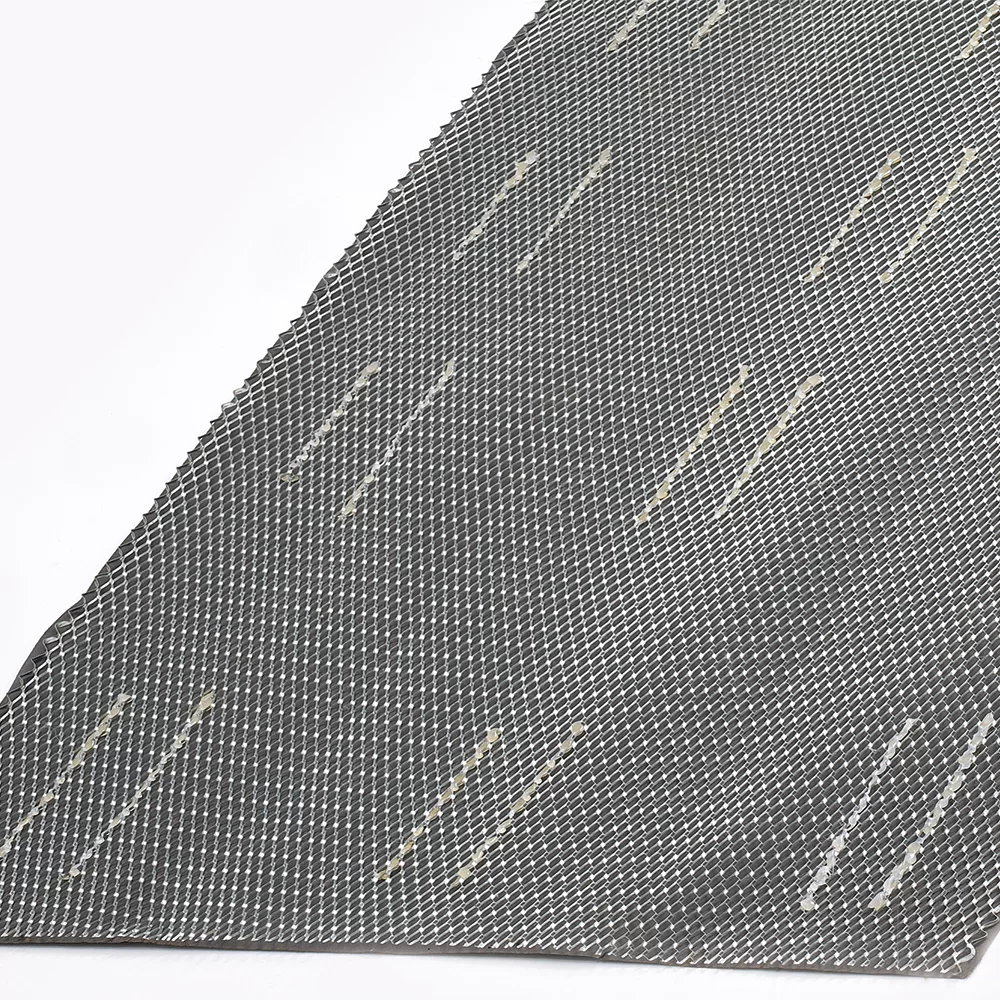
At its core, a mesh steel plate is a sheet of steel that has been processed to create a network of openings, often in a grid or diamond-shaped pattern. This transformation isn't just for aesthetic or lightweight reasons—it provides a material that's simultaneously strong, flexible, and permeable.
Think of it like a finely woven net out of steel, designed to bear heavy stress but also allow air, light, or fluids to pass. This feature makes mesh steel plates ideal in environments where safety, drainage, and visibility matter—like elevated walkways, machine guards, or even in rugged outdoor shelters where air circulation is crucial.
Its versatility also extends to humanitarian efforts; for example, quick-assembly shelters developed in disaster zones often incorporate mesh steel plates for their durability and ease of transport.
Core Components and Key Characteristics of Mesh Steel Plates
1. Durability and Strength
Steel is inherently strong, but mesh steel plates bring even more to the table. The interconnected strands distribute loads evenly, reducing the risk of bending or failure under pressure. Many engineers favor mesh plates for industrial flooring because they hold up under heavy forklift traffic and harsh chemical exposure.
2. Ventilation and Drainage
A simple but critical advantage is how the gaps in the mesh allow water to drain away quickly, reducing slip hazards and corrosion risks. In coastal or humid environments, this property significantly extends the lifespan of structures.
3. Weight Efficiency
Compared to solid steel sheets, mesh variants reduce material weight without compromising structural performance – important for reducing transportation costs and easing installation in hard-to-reach places.
4. Customization and Scalability
From varied mesh sizes to coatings that prevent rusting, manufacturers tailor mesh steel plates to specific industries. Surgical-grade stainless steel might go into food processing plants, while galvanized steel suits outdoor construction.
5. Cost Efficiency
Less raw material and faster installation translate directly to savings for companies. Plus, extended durability minimizes replacement expenses.
Mini takeaway: Mesh steel plates strike a balance between strength, practicality, and cost-effectiveness, making them indispensable across sectors.
Global Applications and Real-World Use Cases
- Construction and Infrastructure: Elevated walkways, stair treads, and safety cages rely heavily on mesh steel plates for their anti-slip and load-bearing properties.
- Disaster Relief: Mesh steel plates form part of rapid-deployment shelters, scaffolding, and barriers, blending quick assembly with long-term resilience.
- Manufacturing Plants: Machine guards and platforms often incorporate mesh plates to maintain airflow while protecting workers.
- Transportation: Cargo flooring in trucks and ships uses mesh steel to prevent slipping and allow drainage.
- Environmental Management: Mesh steel plate grids are used in erosion control and water treatment facilities.
More interestingly, regions with extreme climates—like northern Europe or Southeast Asia—value the corrosion resistance and light weight of coated mesh steel plates for outdoor applications, where maintenance access is limited.
Key Advantages and the Long-Term Value of Mesh Steel Plates
Sure, the usual selling points catch attention: durability, cost, and flexibility. But I find the more subtle advantages often overlooked.
- Sustainability: Many mesh steel plates are made from recycled metals and are themselves fully recyclable. This circular economy aspect is crucial in today’s eco-conscious world.
- Safety and Trust: Workers tend to trust mesh steel floors and barriers because they’re less slippery and provide visual cues. You don’t have to wonder if the surface is stable.
- Innovative Integration: Mesh steel plates easily combine with sensors for smart factories, offering insights on load or wear over time.
Ultimately, these plates turn raw steel into something more meaningful: a component that enhances safety, reduces downtime, and aligns with green building certifications like LEED.
Technical Specification of a Typical Mesh Steel Plate
| Specification |
Details |
| Material |
Carbon Steel (Galvanized or Painted) |
| Mesh Opening Size |
25 mm x 50 mm (customizable) |
| Thickness |
3 mm – 6 mm |
| Load Capacity |
Up to 500 kg/m² |
| Surface Finish |
Hot-dip Galvanized / Powder Coating |
| Dimensions |
Typically 1m x 2m sheets (custom sizes available) |
Vendor Comparison: Leading Suppliers of Mesh Steel Plates
| Vendor |
Material Quality |
Customization Options |
Lead Time |
Price Range |
| SteelGrid Co. |
High-grade galvanized |
Mesh size & coating variants |
2 weeks |
$$$ |
| MeshTech Ltd. |
Carbon steel with powder coat |
Custom sizes and finishes |
1 week |
$$ |
| Fortress Metals |
Stainless steel options |
Wide array of mesh patterns |
3 weeks |
$$$$ |
Looking Ahead: Trends and Innovations in Mesh Steel Plates
As industry standards push toward sustainability, many mesh steel plate producers explore incorporation of recycled steel and eco-friendly coatings. Oddly enough, not everyone fully realizes how much the "green" trend affects industrial materials. Beyond that, integration with automation technologies—like robotic installation and real-time strength sensors—is becoming more common.
Next-gen mesh plates may also use composites or hybrid designs, incorporating fibers for reduced weight but with nearly equivalent tensile strength. In remote industrial zones, where both durability and ease of transport matter, these innovations could be game changers.
Common Challenges and Practical Solutions
Despite its many benefits, mesh steel plate has limitations—chief among them being susceptibility to corrosion if improperly treated and potential for debris to clog openings. In coastal or heavily polluted environments, a lack of maintenance can rapidly degrade the material.
To counter this, providers now emphasize galvanization and powder coatings robust enough to last decades, even in salty or industrial atmospheres. Also, modular designs make inspection and replacement easier, while educating end-users about routine maintenance ensures materials last their full lifespan.
FAQ: Frequently Asked Questions About Mesh Steel Plate
Q1: How do mesh steel plates differ from regular steel sheets?
A: Mesh steel plates feature a network of openings that provide ventilation, drainage, and weight reduction without sacrificing strength—unlike solid steel sheets, which are heavier and less adaptable in specific applications.
Q2: Can mesh steel plates be customized for different industries?
A: Absolutely. Variations in mesh size, material grade, coating, and thickness allow customization for sectors ranging from food processing (stainless steel preferred) to heavy construction (galvanized carbon steel common).
Q3: Are mesh steel plates suitable for outdoor use?
A: Yes, especially with protective finishes like hot-dip galvanizing or powder coating, which help prevent rust and extend life even in harsh weather.
Q4: How long does a mesh steel plate typically last?
A: With proper maintenance and coatings, mesh steel plates can last 20 years or more, depending on application and environment.
Q5: Where can I buy high-quality mesh steel plates?
A: Consider established suppliers like those offering multiple customization options and reliable delivery schedules. For a start, visit mesh steel plate providers with strong reviews.
Conclusion: The Unsung Steel Hero
Mesh steel plates might not grab headlines, but they underpin much of the modern world's infrastructure and industry. They combine smart engineering with practical advantages—light weight, safety, ventilation—all wrapped up in a cost-effective package. Frankly, it’s the kind of everyday innovation that’s invisible until you really need it.
If you’re considering raw materials for construction or industrial safety, exploring mesh steel plate options is a wise starting point. Curious to see the latest product lines and custom solutions? Head over to our site and discover the mesh steel plate potentials ready for your projects.
References
- Wikipedia: Steel
- ISO: Steel Standards
- World Steel Association