Understanding Metal Perforated Mesh: Why It Matters Today
If you’ve ever noticed a decorative panel, a machine guard, or even an architectural facade with tiny, precise holes, chances are you’re looking at metal perforated mesh. While it might seem like a niche product at first glance, this material has quietly become a global staple in numerous industries — from construction to aerospace, urban design to disaster relief. Frankly, metal perforated mesh is a bit like the Swiss Army knife of sheet metals: versatile, functional, and often underrated.
The big picture? As our world grows increasingly industrialized and urbanized, the demand for materials that balance strength, airflow, safety, sustainability, and aesthetic appeal is sky-high. Understanding the nuances of metal perforated mesh could provide industries and humanitarian efforts alike with smarter, cost-efficient solutions that simply last longer and do more.
The Global Context: Why Metal Perforated Mesh is Everywhere
Just consider the numbers. According to the International Organization for Standardization (ISO), the global metalworking market has been growing steadily at roughly 5% annually, with perforated metals playing a significant role in manufacturing and infrastructure development. The United Nations reports rising urban density and infrastructure modernization projects worldwide, notably in Asia-Pacific and Europe, which rely heavily on advanced materials like perforated offerings.
But beyond raw growth, metal perforated mesh addresses a complex challenge: how to maintain robust structural and environmental control while allowing light, air, sound, or liquids to pass through. Whether that's ventilating a data center or shielding buildings from excessive sunlight, the perforated mesh has quietly answered a slew of such engineering puzzles.
What Is Metal Perforated Mesh, Really?
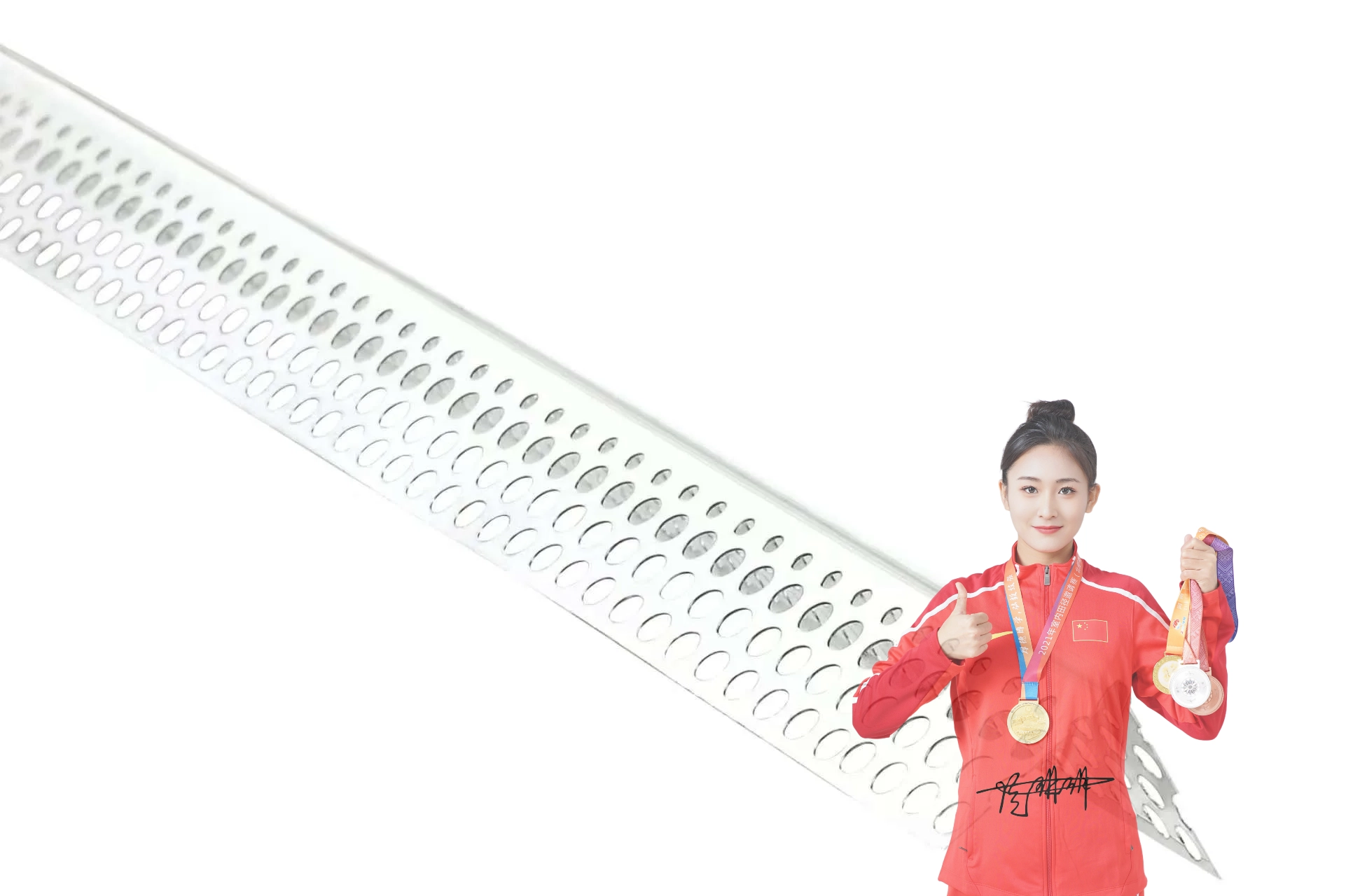
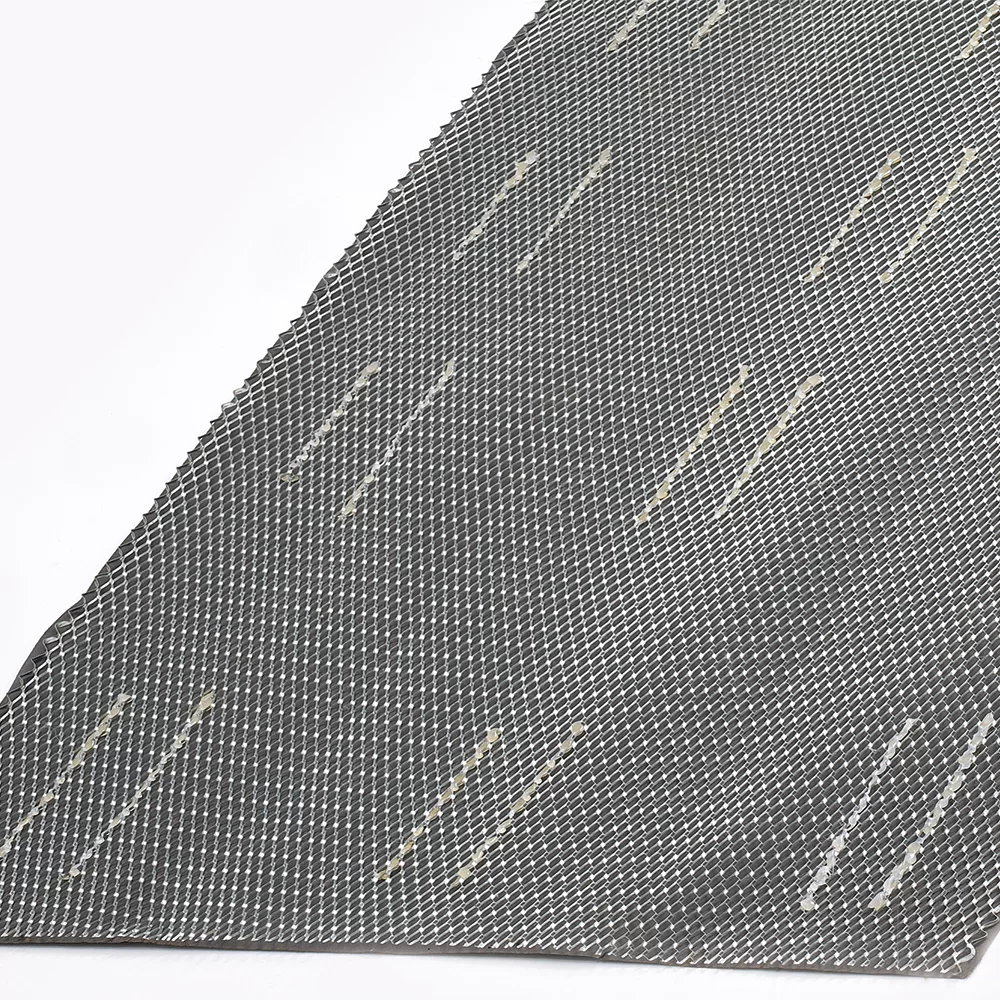
At its core, metal perforated mesh is a sheet of metal—think steel, aluminum, or stainless steel—that’s been punched or stamped to create an array of holes or patterns. The perforations are not just aesthetic; they’re functional. Depending on the pattern and size of the holes, the material can filter light, reduce weight, absorb sound, or provide a barrier while still allowing airflow.
This makes it incredibly useful for everything from industrial sieves and machinery guards to architectural screens and even security fencing. The connection to humanitarian needs is interesting: in post-disaster housing or water filtration setups, metal perforated mesh can offer both protection and ventilation — a kind of balance that raw steel sheets just can’t provide.
Core Components and Key Factors Behind Its Appeal
1. Durability
Unquestionably, metal perforated mesh is made to endure. Whether it's made from galvanized steel that resists rust or high-grade stainless steel designed to withstand chemical exposure, durability is often the defining feature. Engineers often stress the importance of material choice because the longevity of the mesh directly affects maintenance costs and safety.
2. Scalability and Customization
The beauty lies in versatility. Whether you need a tiny mesh for air filters or large decorative panels for building facades, you can scale production up or down and customize hole size, shape, and pattern with precision. This makes it attractive across sectors—from delicate electronics to large infrastructure projects.
3. Cost Efficiency
While initially a bit more expensive than plain sheet metal, the perforated mesh can reduce downstream costs by improving airflow (thus saving on HVAC), reducing weight (cutting transport costs), and extending product lifespan. Many manufacturers notice that these savings offset the upfront investment.
4. Sustainability
Since many metals used are recyclable and the perforation process often uses less raw metal, the ecological footprint is generally lower compared to bulkier, solid sheets. This new green push in manufacturing has driven innovations in >clean perforation technology and use of recyclable alloys.
5. Aesthetic & Safety Balance
Oddly enough, this isn’t just about utility. Architects praise metal perforated mesh for its ability to offer transparent but protective façades, blending safety with style. This dual purpose is what makes it increasingly popular in public spaces like parks, transit hubs, or stadiums.
Mini takeaway: Metal perforated mesh is an elegant solution combining engineering durability, customization, eco-friendliness, cost-effectiveness, and design sophistication.
Global Applications: Real-World Use Cases that Make a Difference
Across continents and industries, metal perforated mesh serves a variety of roles:
- Architecture: Ventilated building facades in Europe that reduce solar heat gain by up to 40%.
- Industrial filters and guards: Machinery protection in heavy manufacturing plants in China and the US.
- Humanitarian relief: Lightweight, ventilated panels in temporary shelters post-natural disasters such as floods or earthquakes in Southeast Asia.
- Transport and noise reduction: Sound barrier screens along highways in urban Japan.
- Agriculture: Mesh for grain sorting and protection in farms across Africa.
For a peek behind the curtain, local NGOs often use customized metal perforated mesh in emergency housing units. It’s a balance of ruggedness and breathability, key to making spaces livable without driving costs through the roof.
Product Specification Table
| Specification |
Standard Range |
Typical Materials |
| Thickness |
0.5 – 6.0 mm |
Steel, Aluminum, Stainless Steel |
| Hole Diameter |
0.5 – 50 mm |
Customizable |
| Pattern Types |
Round, Square, Slot, Decorative |
N/A |
| Surface Finish |
Galvanized, Painted, Powder Coated |
Variable per requirement |
| Panel Size |
Up to 2000 x 6000 mm |
Custom Orders Possible |
Advantages & Long-Term Value
Here’s the sunny side of choosing metal perforated mesh:
- Cost Savings: By optimizing ventilation and reducing structural weight, operational costs drop over time.
- Sustainability: Recyclable metals and reduced material waste contribute to greener projects.
- Social Impact: Safer, more breathable constructions improve worker and inhabitant comfort.
- Visual Appeal: Architects and designers revel in the endless pattern possibilities, blending function and form.
- Longevity: The robust materials mean less frequent replacements — a real win in rough environments.
Future Trends & Innovations on the Horizon
Like many manufacturing staples, perforated mesh is evolving. Advances in laser perforation technology now allow micron-level precision, pronto for delicate electronics or medical devices. Green energy sectors are eyeing this mesh for solar panel shading systems that improve efficiency.
Plus, the integration with digital tools and automation means that companies can rapidly prototype unique patterns designed with advanced CAD software — meaning more bespoke materials for clients, without the usual lead times.
Sustainability remains a strong driver: expect to see more meshes incorporating recycled alloys or engineered composites delivering lighter weight at high strength.
Challenges & How The Industry is Overcoming Them
Of course, it’s not all smooth sailing. Common issues include the upfront investment cost, limitations on very fine hole patterns for thick metals, and sometimes supply bottlenecks due to specialized machinery demands. But manufacturers are increasingly adopting roll-to-roll perforation techniques and modular production lines to cut down costs and speed delivery.
Furthermore, by working closely with clients early in the design phase, vendors can preempt material shortages or engineering conflicts, which—frankly—is the kind of collaboration that turns a good supplier into a great partner.
Vendor Comparison: Leading Suppliers of Metal Perforated Mesh
| Vendor |
Materials Offered |
Customization Level |
Typical Lead Time |
Geographic Reach |
| Corner Bead Mfr |
Steel, Aluminum, Stainless |
High (pattern, size) |
2–4 weeks |
Global (website) |
| Perforated Metals Inc. |
Steel, Copper |
Medium |
3–5 weeks |
North America |
| Global Mesh Solutions |
Aluminum, Titanium |
High |
4–6 weeks |
Europe, Asia |
FAQ: Frequently Asked Questions About Metal Perforated Mesh
Q1. What makes metal perforated mesh better than solid sheets for ventilation?
Perforated mesh allows air and light to pass through while maintaining structural integrity and safety. Solid sheets, by contrast, block airflow and can cause overheating in enclosed spaces, increasing energy costs in HVAC operations.
Q2. How customizable are the hole patterns and sizes?
Extremely customizable. Modern perforation equipment can create a wide range of hole shapes, sizes, and densities tailored to specific filtration, aesthetic, or structural requirements. It's pretty common to see patterns designed specifically for brand identity or patented functions.
Q3. Is metal perforated mesh recyclable?
Yes, most metal perforated mesh materials like steel, aluminum, and stainless steel are 100% recyclable. This contributes to sustainability goals and often reduces the overall production footprint when using recycled alloys.
Q4. Can metal perforated mesh be used in harsh environments?
Absolutely. With proper material choice—such as galvanized or stainless steel—the mesh withstands corrosion, moisture exposure, and extreme temperatures. This makes it suitable for industrial plants, coastal areas, and outdoor construction.
Q5. How quickly can large custom orders be fulfilled?
Lead times generally range from two to six weeks depending on complexity and scale. Early planning and collaboration with suppliers usually help meet tight project deadlines.
Wrapping up: The Long View on Metal Perforated Mesh
To put it simply, metal perforated mesh is one of those humble materials that keeps the gears of modern industry turning while enhancing comfort, safety, and sustainability. Whether you’re an architect, engineer, or humanitarian planner, understanding and leveraging this material unlocks new ways to build smarter and greener.
If you want to explore high-quality metal perforated mesh options with customizable capabilities, I suggest checking out some trusted manufacturers online — it’s often where the best deals and innovations happen first.
Thanks for reading — sometimes it’s the little holes that hold the biggest ideas together.
References
- International Organization for Standardization (ISO)
- United Nations Sustainable Development
- Wikipedia: Perforated Metal