Why Perforated Metal Sheets for Ceilings Matter Worldwide
When you think about ceilings, the image that usually comes to mind is smooth plaster or plain tiles. But the humble perforated metal sheet for ceiling is carving its niche globally across industries and architectural designs. It’s actually a very practical, aesthetically pleasing answer to multiple long-standing challenges: better acoustics, airflow, durability, and modern styling—all in one.
Globally, construction and interior design industries value innovations that combine function with sustainability. According to the ISO standards on building materials, materials that improve indoor environmental quality rank high for innovation. Perforated metal sheets for ceilings? They do exactly that, offering sound absorption, air circulation, and resistance to wear and tear.
Mini takeaway: Perforated metal sheets for ceilings blend style and substance, making them a growing staple in global building projects.
The Big Picture: Why This Product Is More Than Just Ceiling Cladding
In a world keenly aware of urban density, sustainability, and healthy indoor environments, perforated metal sheets answer a few serious needs at once. You might not expect a ceiling material to alleviate everyday problems—like poor ventilation or excessive noise—but it does. For instance, workplaces and public buildings worldwide report enhanced productivity when noise pollution is controlled.
World Bank data highlights urban growth pushing demand for smarter building materials, and here’s where perforated metal ceilings shine. They support ventilation systems without sacrificing HVAC energy efficiency and add long-lasting durability. Plus, the environmental footprint is often lower than traditional ceiling materials, especially when incorporating recycled metals.
Mini takeaway: The global urbanization trend demands adaptable, sustainable ceiling solutions—and perforated metal sheets fit the bill.
Defining Perforated Metal Sheets for Ceiling Use
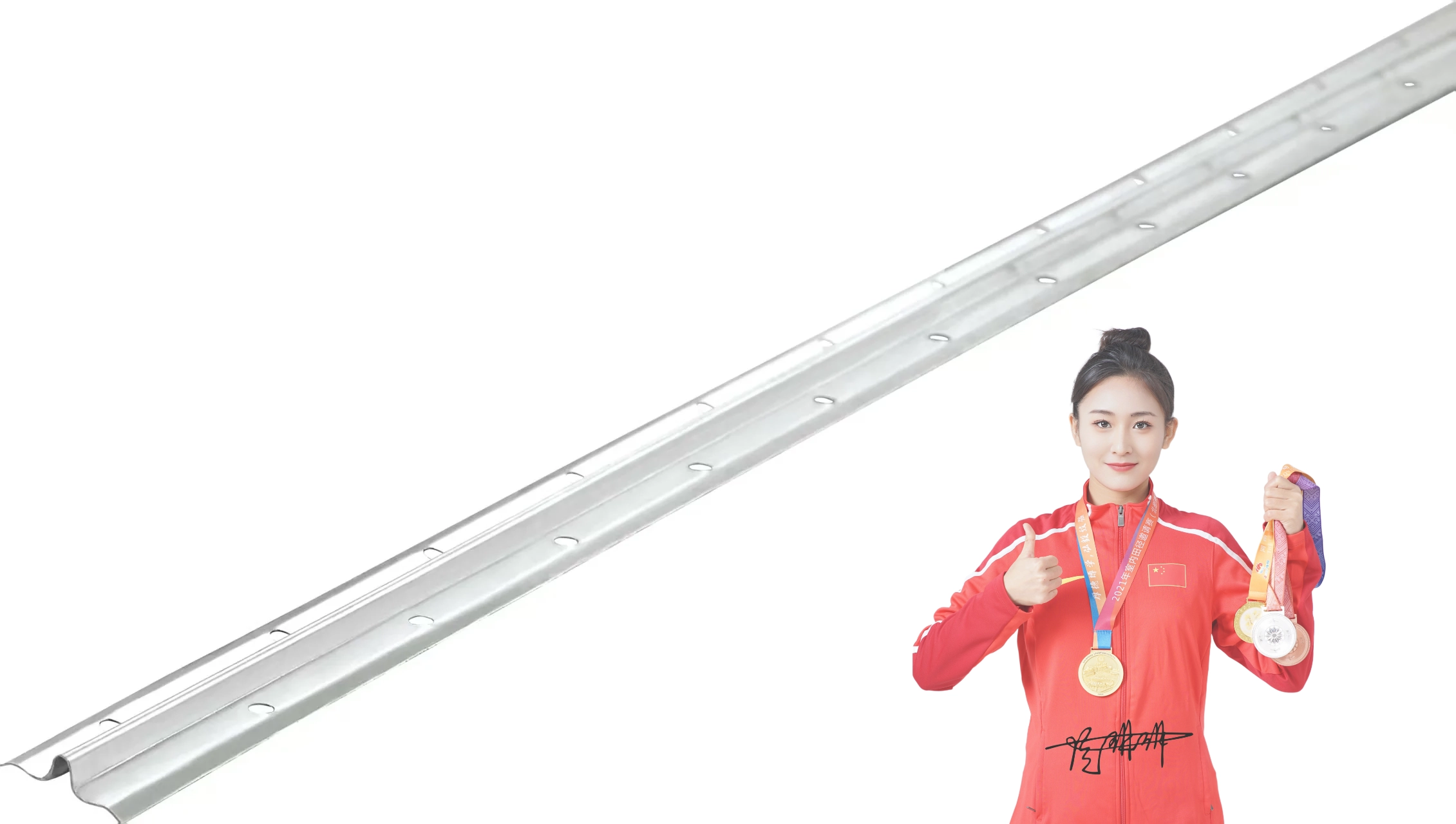
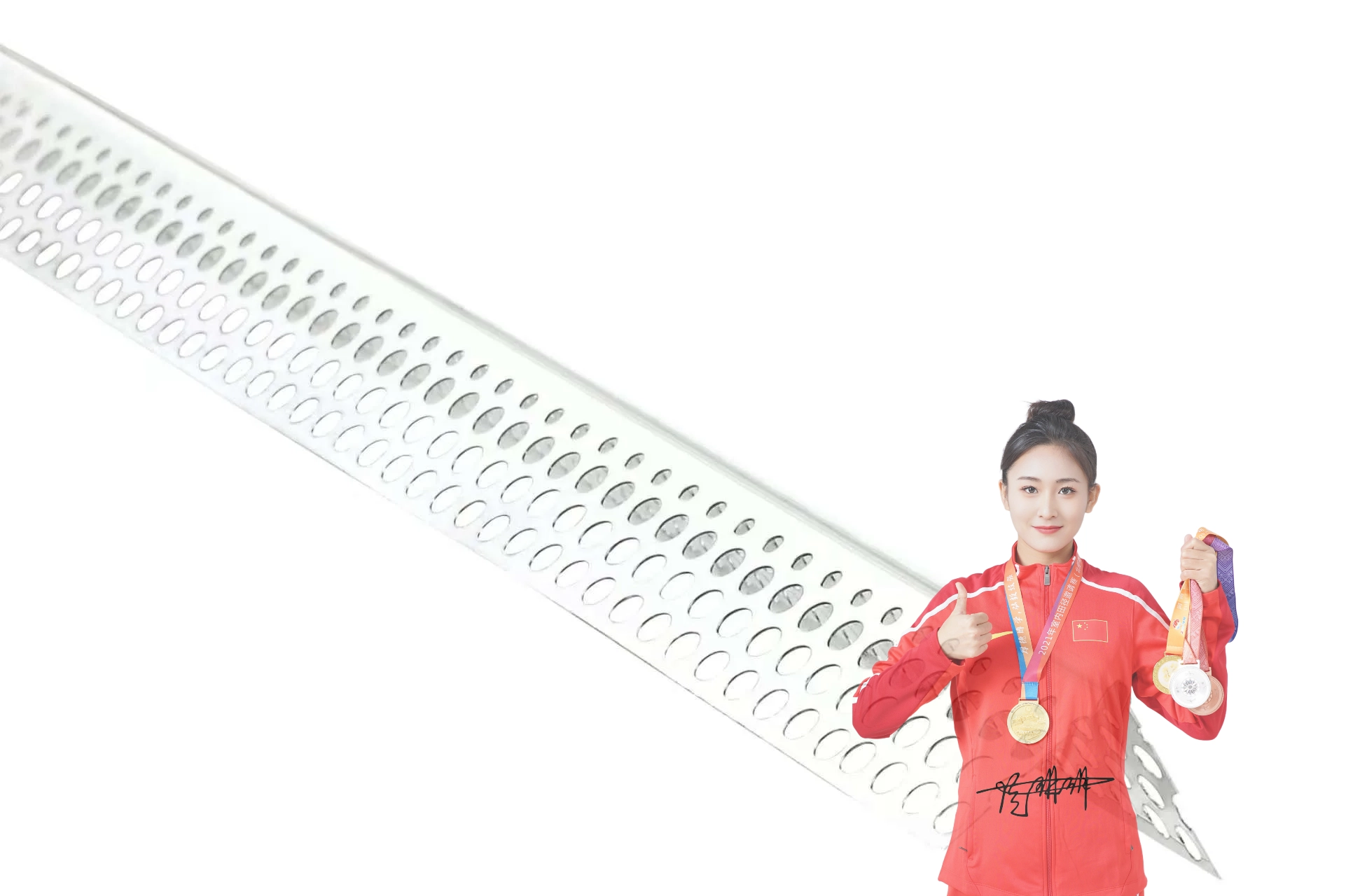
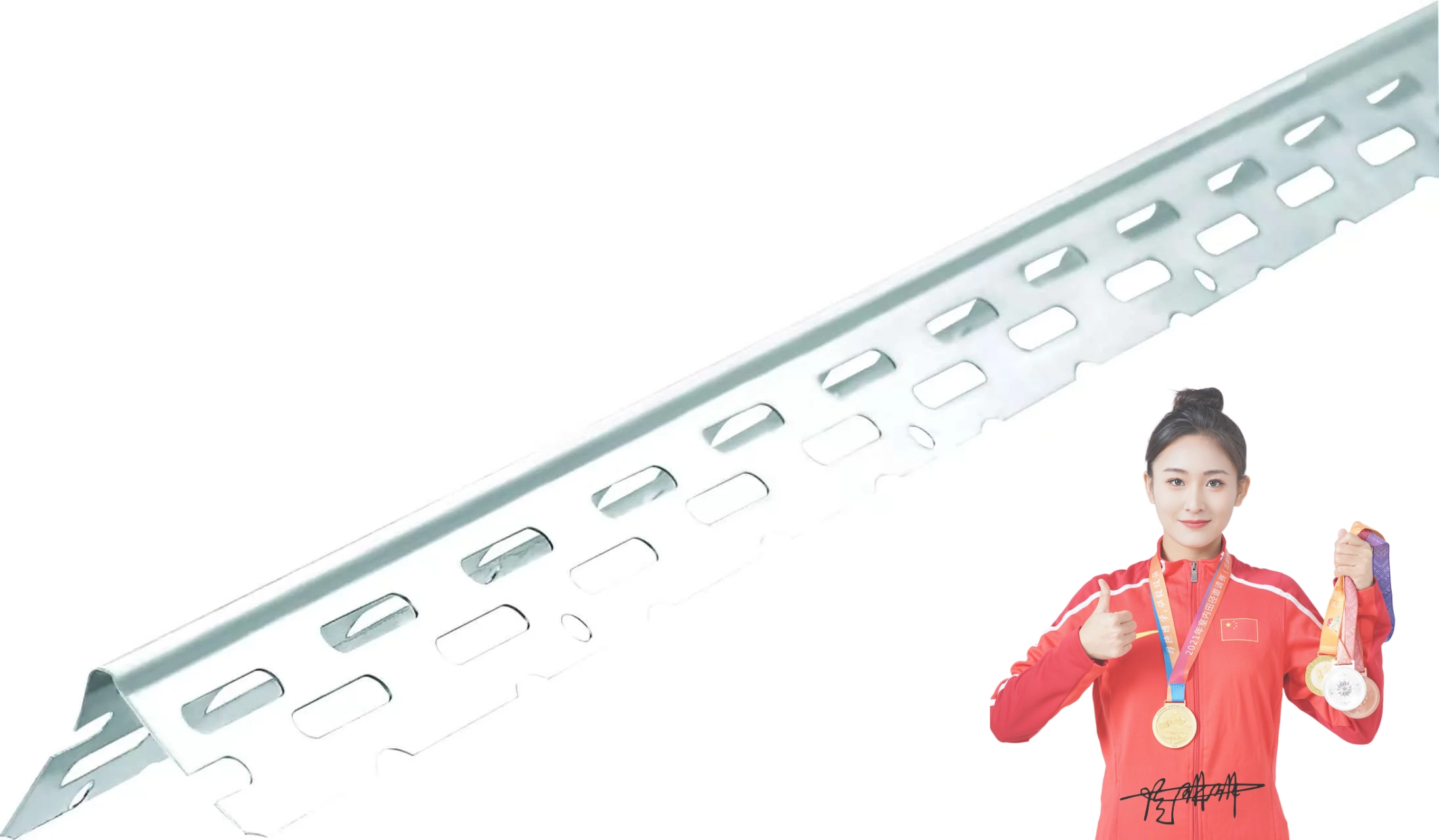
Simply put, a perforated metal sheet for ceiling is a metal panel—usually steel, aluminum, or stainless steel—that’s been mechanically punctured with a pattern of holes or slots. These openings range in size, shape, and density to serve different functional and aesthetic goals.
This isn’t new technology, but its adaptation for ceilings represents the fusion of architectural finesse with practical engineering. It allows for sound diffusion, improved airflow, and a modern industrial look that architects and engineers tend to love. In humanitarian efforts, such as quick assembly structures or modular buildings, these sheets often provide a lightweight yet sturdy ceiling solution that protects while letting air circulate.
Core Components to Consider in Perforated Metal Ceilings
1. Durability & Corrosion Resistance
Since ceilings endure temperature fluctuations and sometimes humidity, metal sheets need to resist corrosion over time. Stainless steel offers excellent longevity, while aluminum is prized for its rust resistance and lightness.
2. Acoustic Properties
The perforations aren’t just for show—they absorb sound waves, reducing echo and noise levels. This is especially valuable in auditoriums, offices, and airports.
3. Ventilation & Airflow
Perforated metal facilitates natural air circulation, helping HVAC systems balance air movement. This aspect especially helps in crowded indoor environments or industrial facilities.
4. Aesthetics & Customization
The holes can be arranged in infinite patterns, which means architects can craft ceilings that are not only functional but also a key design feature. Powder coatings and finishes provide even more visual appeal.
5. Installation & Maintenance Ease
These sheets are generally lightweight and easy to install with standard mounting hardware. Cleaning is straightforward, making them reliable for long-term use.
Typical Product Specifications for Perforated Metal Sheets for Ceiling
| Specification |
Details |
| Material Type |
Aluminum, Stainless Steel, Galvanized Steel |
| Thickness |
0.5 mm – 3 mm (varies by application) |
| Hole Diameter |
0.8 mm – 20 mm, customizable |
| Open Area |
10% – 60% |
| Finish |
Powder coated, anodized, painted, raw |
| Panel Size |
Typically 1220 x 2440 mm or custom sizes |
How Are Perforated Metal Sheets for Ceilings Used Across the Globe?
Interestingly, you find these sheets everywhere—from high-tech office lobbies in Europe to factories in Asia and university halls in North America. For example, Tokyo’s urban architecture often incorporates perforated ceilings for sound management combined with sleek style. In the Middle East, where heat and airflow management are critical, perfs help architects balance beauty with function.
Post-disaster relief operations have started exploring quick-deploy modular buildings where perforated metal ceilings add durability and ventilation while keeping weight down. Industrial hubs, like Germany’s automotive plants, rely on these ceilings to meet strict safety and environmental standards.
Mini takeaway: Their versatility means perforated metal sheet ceilings are adopted worldwide in vastly different climates and industries.
Long-Term Benefits You Probably Didn’t Think About
- Cost Efficiency: While initial costs might be higher than typical gypsum boards, durability means less frequent replacement.
- Sustainability: Many products utilize recycled metals and are fully recyclable at end-of-life stages.
- Social Impact: Improved acoustics increase comfort and concentration in workplaces and schools.
- Reliability & Safety: Fire-resistant metals and secure installation methods promote safer buildings.
Frankly, the combination of practical and emotional benefits—comfort, security, trustworthiness—makes perforated metal ceilings a smart investment for the long haul.
Emerging Innovations in Perforated Metal Ceiling Systems
The future of these sheets is bright. Green energy integration, such as embedding photovoltaic elements onto panels, is progressing. Digital fabrication is enhancing pattern precision, allowing custom designs to fit complex ceiling geometries seamlessly. Automation in installation cuts down time and labor costs.
Also, new materials like bio-composites combined with metal are under research to boost sustainability further. It’s a fast-evolving field, with ISO continuously updating standards, reflecting the pace of innovation and global requirements in building materials.
Challenges and How Industry Pros Tackle Them
Of course, it’s not all perfect. Noise absorption varies with hole size and panel thickness, so misapplication can reduce benefits. Corrosion in harsh environments remains a risk, particularly near saltwater or chemical plants. Another hurdle is the higher upfront cost compared to some traditional materials, which can be off-putting.
Experts recommend customized design consultations and quality control through accredited vendors to mitigate these issues effectively. Using protective coatings and hybrid materials also extends lifespan and performance.
Vendor Comparison: Leading Suppliers of Perforated Metal Sheets for Ceilings
| Vendor |
Materials Offered |
Customization Options |
Typical Lead Time |
Global Shipping |
| Corner Bead MFR |
Aluminum, Stainless Steel |
Full pattern & size customization |
2–4 weeks |
Yes |
| MetalPanels Inc. |
Galvanized Steel, Aluminum |
Standard patterns only |
3–6 weeks |
Selective regions |
| Global Perfs |
Stainless Steel |
Limited customizations |
4–8 weeks |
Worldwide |
FAQ: Straight Talk about Perforated Metal Sheets for Ceiling
Q1: How does a perforated metal sheet improve indoor acoustics?
A1: The perforations disrupt sound waves, reducing echo and lowering ambient noise. When combined with insulation behind the panels, they absorb sound effectively, improving speech clarity especially in large rooms or busy offices.
Q2: Are these metal ceilings suitable for humid environments?
A2: Yes, especially if you opt for stainless steel or aluminum, which resist corrosion. Additional protective coatings also help in harsh or coastal climates to maintain structural integrity long-term.
Q3: Can I customize the hole patterns on these sheets?
A3: Absolutely. Most manufacturers offer a range of standard patterns or fully bespoke options. Customizations enhance both acoustic performance and aesthetics, so you really can tailor the design to your project’s needs.
Q4: What is the typical lifespan of a perforated metal ceiling?
A4: With proper maintenance, these panels can last 25 years or more. Their durability often outperforms traditional ceiling materials, saving money over time despite a higher upfront cost.
Q5: How do I ensure compatibility with existing HVAC systems?
A5: This requires coordination during design. Perforated sheets generally support ventilation well, but engineers need to specify hole size and layout to maintain desired airflow without interfering with HVAC efficiency.
Wrapping It Up: The Last Word on Perforated Metal Sheet for Ceiling
So, are perforated metal sheets just a trend, or a lasting solution? The evidence points to the latter. Their unique blend of durability, aesthetics, and functionality creates indoor environments that are comfortable, efficient, and modern. If you want to explore this versatile material further, be sure to check out perforated metal sheet for ceiling suppliers who specialize in customization and quality.
In real terms, investing in perforated metal ceiling panels means fewer worries about noise, airflow, or time-consuming replacements down the road—a win for building owners, architects, and occupants alike.
Maybe the future of ceiling solutions is perforated after all—sometimes the smallest holes lead to the biggest improvements.
References:
- ISO standards for building materials
- World Bank reports on urban development
- Wikipedia: Perforated Metal