Understanding Perforated Stainless Mesh: Why It Matters Globally
Perforated stainless mesh might sound like a niche industrial product at first glance, but don’t let its simplicity fool you. This material plays a quiet yet pivotal role in countless sectors worldwide — from infrastructure and food processing to environmental solutions. As global industries strive for durability, sustainability, and efficiency, understanding perforated stainless mesh becomes more than just technical know-how; it’s a way to grasp how modern challenges are met through smart design and materials science. Plus, it ties directly into major themes like resource conservation, safety enhancements, and even humanitarian efforts.
In real terms, it’s a piece of engineering that often goes unnoticed but whose presence underpins many things we take for granted. If you’ve ever admired the sleek ventilation in a modern building or trusted the filtration in industrial machines, chances are perforated stainless mesh played a part.
The Worldwide Significance of Perforated Stainless Mesh
Looking past the factory floors and into the global economy, perforated stainless mesh has become a critical solution. According to data from the International Stainless Steel Forum (ISSF), global stainless steel production topped 55 million metric tons in recent years, with an increasing proportion used for mesh and perforated products. Why? Because perforation in stainless mesh adds a unique combination of strength, lightness, and air or liquid permeability — all vital for industries pushing towards leaner manufacturing and greener technology.
Consider industries like water treatment, where filtrations standards under ISO 9001 & 14001 require materials that resist corrosion and are easy to clean. Or think about urban development and the rise of green buildings — spaces which need materials that improve airflow and aesthetics simultaneously. Perforated stainless mesh addresses these with remarkable efficiency.
But it’s not without challenges: corrosion, cost factors, and manufacturing complexities often stand in the way of seamless adoption, especially in developing regions with budget or technical skill limitations. That’s where innovation in production technologies and material science steps in.
What Exactly Is Perforated Stainless Mesh?
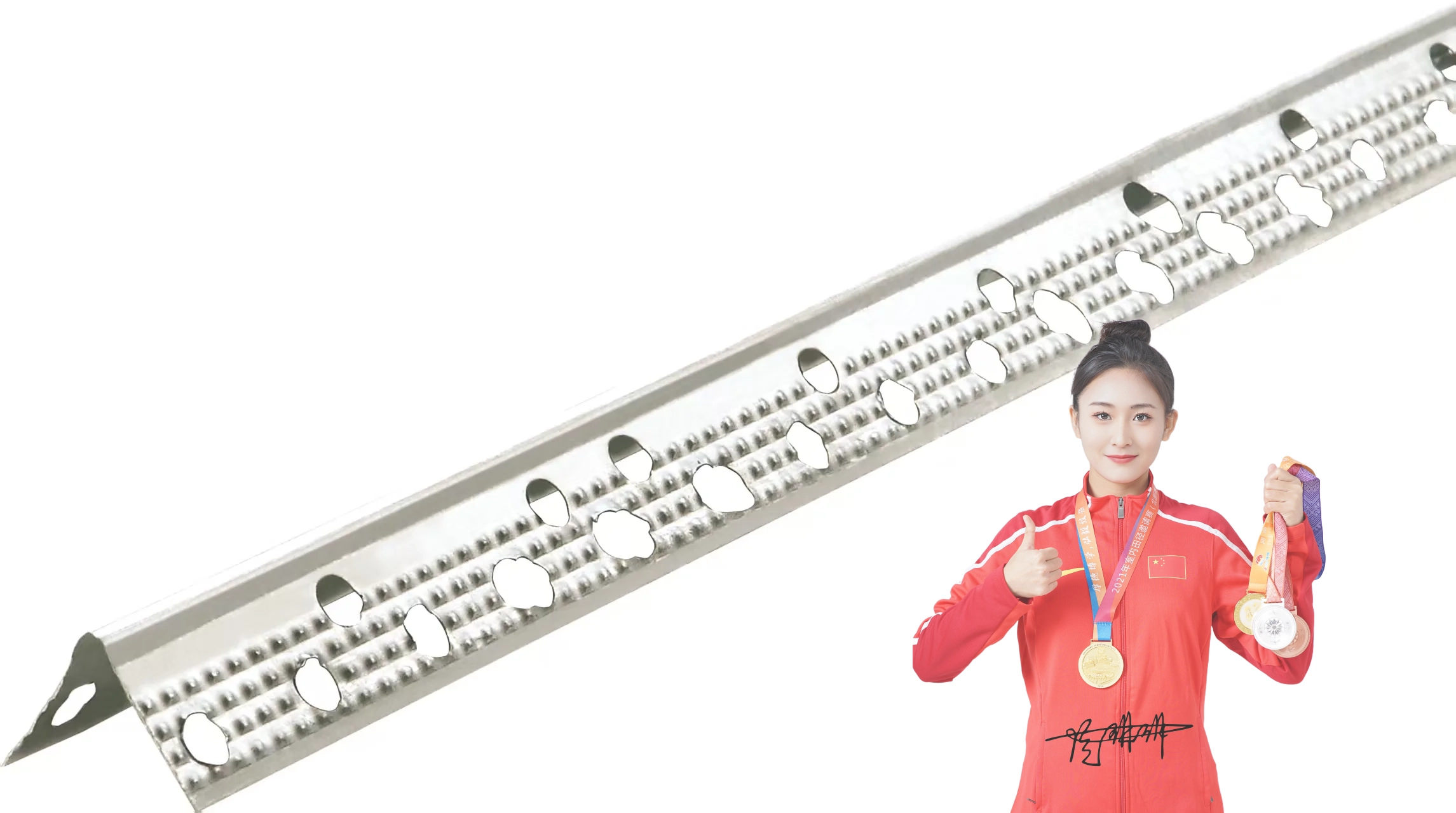
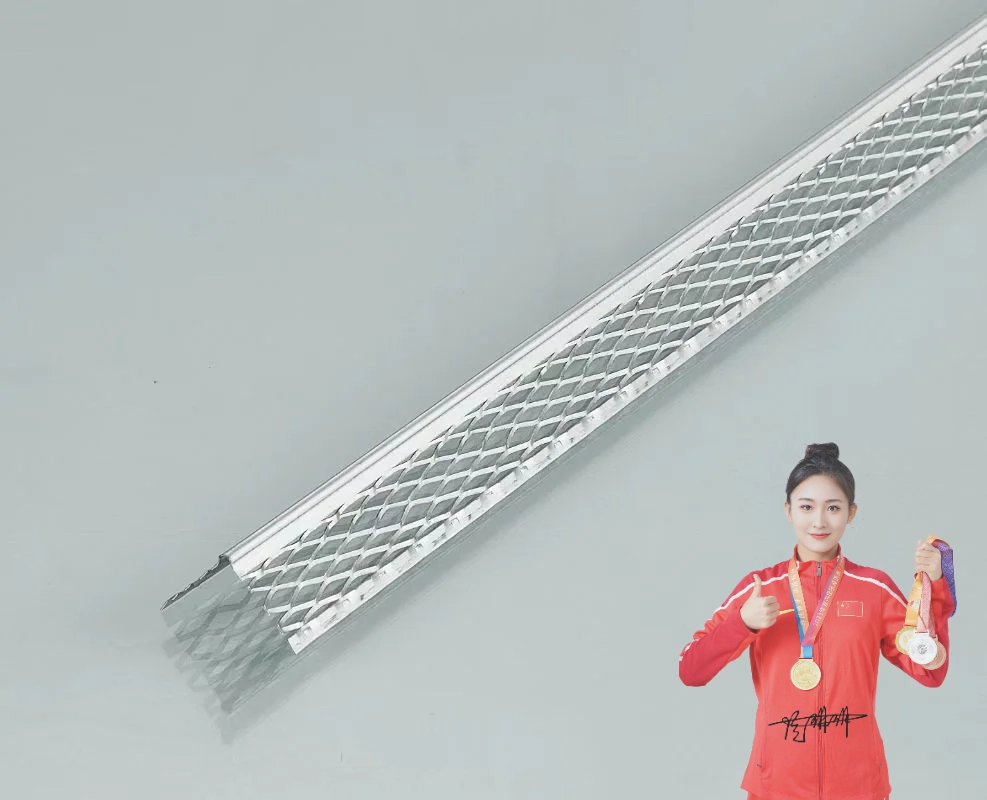
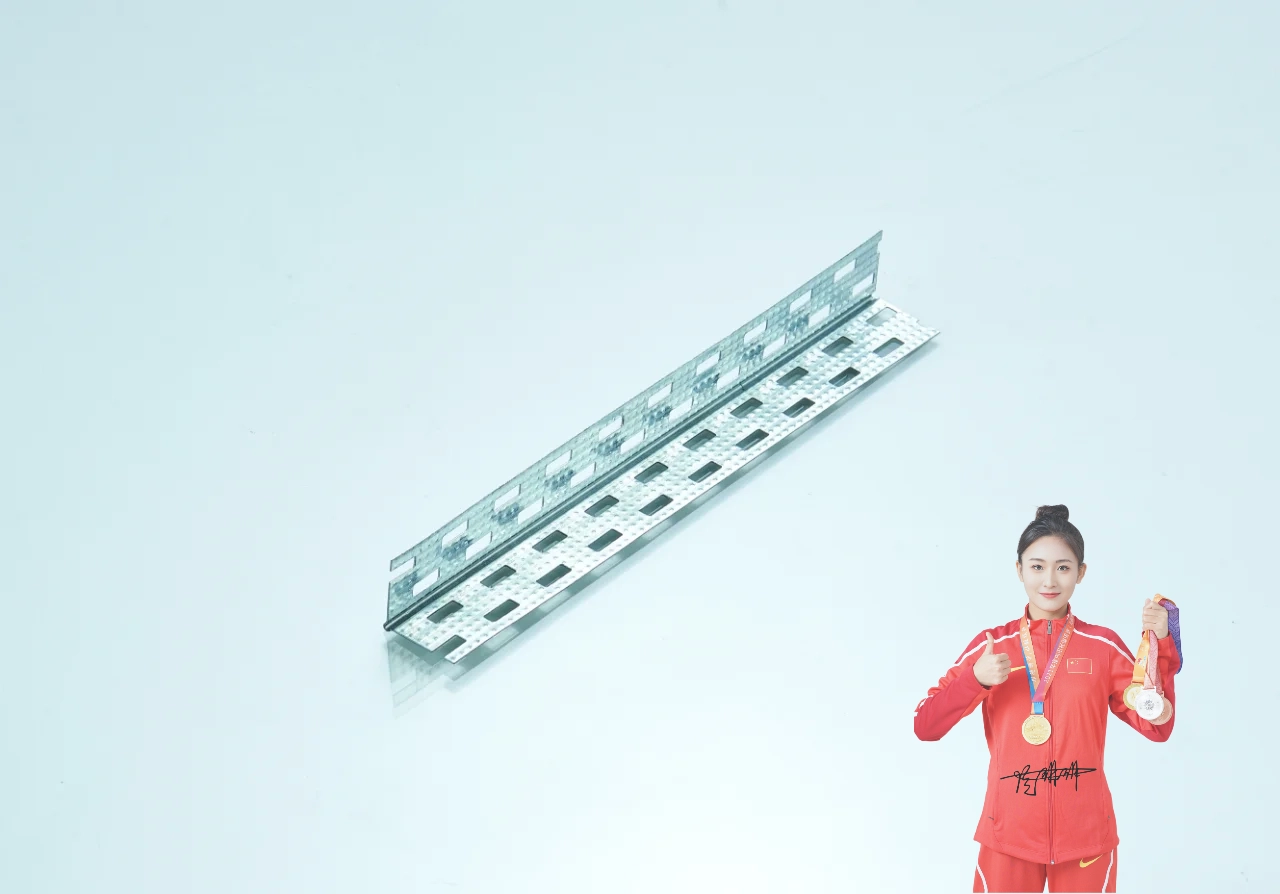
Put simply, perforated stainless mesh is a sheet of stainless steel that has been pierced with a pattern of holes, slots, or shapes. These perforations can vary in size, pattern, and density depending on the application needs. This transforms a solid sheet into a versatile mesh that lets fluids or air pass through, while maintaining significant strength and durability.
Imagine a sieve built to withstand harsh chemical environments or an architectural panel that filters sunlight yet holds firm in a storm — that’s the kind of impact this material has. It’s at the crossroads of engineering and practical design, making it crucial not just for industrial processes but also in humanitarian and ecological solutions where resource optimization matters.
Key Aspects of Perforated Stainless Mesh You Should Know
1. Durability and Corrosion Resistance
One of the stand-out qualities is toughness — perforated stainless mesh is built to last. Thanks to the chromium content in stainless steel, it boasts strong resistance to rust and oxidation, making it ideal for marine environments, chemical plants, or even food processing areas where hygiene and longevity are non-negotiable.
2. Customizability and Scalability
The ability to tailor perforation size, shape, and pattern allows this mesh to meet specific engineering needs. Whether it’s a fine filter mesh for pharmaceutical plants or a robust protective screen in architectural façades, manufacturers produce hundreds of variants. Scalability means it’s just as useful for single bespoke projects as mass industrial application.
3. Cost Efficiency Over Life Cycle
Though the initial cost of stainless steel might seem steep compared to alternatives like aluminum or mild steel, when you factor in maintenance, replacements, and lifecycle, it tends to offer better value for money. The reduced need for protective coatings plus less frequent replacements means savings add up — often surprising the finance teams.
4. Multipurpose Functionality
Perforated mesh isn’t confined to one job. It filters, ventilates, reinforces, screens, and sometimes even decorates. This multifaceted nature lets engineers solve several problems with a single product, reducing complexity in designs.
5. Sustainability and Recyclability
Stainless steel is 100% recyclable without degradation of properties, which aligns it with the increasing push for circular economy principles in manufacturing and construction. Choosing perforated stainless mesh means reducing environmental impact down the line.
Mini takeaway: The strength of perforated stainless mesh lies not only in its physical properties but its adaptability — a “Swiss Army knife” of industrial materials, if you will.
Real-World Applications: Where and Who Benefits?
Industries that rely heavily on perforated stainless mesh span the gamut:
- Water and Wastewater Treatment: Mesh screens filter debris and sediments efficiently in plants worldwide, including remote communities gaining clean water access.
- Architecture and Construction: Used in façades to improve ventilation, on sunshades, stair treads, and safety guards.
- Food & Beverage Sector: Equipment like dryers and machines use sanitary meshes to conform to strict hygiene standards.
- Automotive and Aerospace Industries: Lightweight filters and partitions improve vehicle design and functionality.
- Humanitarian Aid: In disaster-stricken areas, perforated meshes are part of rapid-deployment shelters that balance airflow and protection.
For example, after the 2015 Nepal earthquake, relief agencies incorporated perforated stainless mesh components in modular shelters to improve ventilation in humid conditions while maintaining structural robustness. That’s a testament to how this material can blend technical precision with social good.
Advantages and Long-Term Value of Perforated Stainless Mesh
When you pick up the full picture rather than just isolated benefits, the case for perforated stainless mesh becomes compelling. Longevity means fewer replacements — and fewer resources wasted. Its corrosion resistance supports sustainability, which frankly, every industrial decision ought to consider nowadays.
On a more human note, better ventilation and filtration translate to safer workplaces and greater comfort in public spaces. That builds trust — a factor many companies aim to cultivate with clients and employees alike. Innovation born from thoughtful design signals reliability. And in some ways, it’s a subtle kind of dignity; even industrial materials can improve quality of life.
Product Specifications: Typical Perforated Stainless Mesh
| Specification |
Typical Range/Value |
Notes |
| Material Grade |
304, 316, 316L |
316 preferred in marine/chemical environments |
| Sheet Thickness |
0.5mm – 3.0mm |
Depends on application load requirements |
| Hole Diameter |
0.3mm – 25mm |
Customizable per filtration/ventilation need |
| Open Area Percentage |
10% – 40% |
Balance needed for strength vs. airflow |
| Finish |
Mill, Polished, Brushed |
Depends on aesthetic & sanitation requirements |
Vendor Comparison: Perforated Stainless Mesh Providers
| Vendor |
Specialties |
Typical Lead Time |
Pricing Level |
| Corner Bead Mfr. |
Custom perforations, sustainable sourcing |
2-4 weeks |
Mid-range |
| Steel Mesh Inc. |
High-volume standard patterns |
1-3 weeks |
Low |
| Global Mesh Solutions |
Innovative materials & finishes |
3-6 weeks |
Premium |
Looking Ahead: Innovations and Emerging Trends
Today’s industry experts are pushing towards smarter, more sustainable mesh solutions. This includes integration with digital sensors embedded in mesh panels to monitor airflow or contamination in real-time — a small step towards the industrial Internet of Things (IoT). New material blends (think ultra-high corrosion resistance with less nickel content to reduce cost and ecological footprint) are also taking shape.
Green energy applications offer yet another promising avenue. Solar panel frames and wind turbine components made with perforated stainless mesh provide structural integrity without adding excessive weight. Automation in manufacturing is shortening lead times and allowing more intricate perforation patterns, which once felt impossible.
Common Challenges and How to Overcome Them
Granted, working with perforated stainless mesh isn’t problem-free. Common issues include the expense of high-grade stainless alloys, fabrication limitations with very fine perforations, and supply chain delays. Yet, companies like Corner Bead Mfr. are pioneering more nimble production techniques and localized sourcing, helping cut costs and delivery time without compromising quality.
Beyond manufacturing, choosing the right mesh specification for a project remains crucial. Collaborating early with engineers who understand the balance between open area and strength can save headaches down the line — it’s easy to go overboard or under-specify if you’re unfamiliar.
Frequently Asked Questions About Perforated Stainless Mesh
- Q: What factors determine the hole size and pattern in perforated stainless mesh?
- A: Hole size and pattern are chosen based on the application — filtration precision, airflow needs, strength requirements, or aesthetic goals. Custom patterns are common in architectural projects, while standard round holes dominate industrial filtration.
- Q: How does stainless steel grade affect mesh performance?
- A: Grades like 304 offer good corrosion resistance for most indoor uses. Grades 316 and 316L feature molybdenum, which boosts chemical and saltwater resistance, essential for marine or harsh chemical environments.
- Q: Can perforated stainless mesh be recycled?
- A: Absolutely! Stainless steel is 100% recyclable without losing quality, making perforated mesh eco-friendly as part of sustainable design.
- Q: How long does perforated stainless mesh typically last?
- A: With proper selection and maintenance, it can last decades. Corrosion resistance and mechanical durability mean fewer replacements and lower lifecycle costs.
- Q: Are there design standards for perforated stainless mesh products?
- A: Yes — many comply with ASTM, ISO, or EN standards depending on region and industry. For instance, filtration mesh used in cleanrooms must meet specific micron and cleanliness certifications.
Conclusion: Why Perforated Stainless Mesh Deserves Your Attention
In a world increasingly demanding resilient, sustainable, and efficient materials, perforated stainless mesh shines as a versatile workhorse. Its balance of durability, customization, and recyclability means it’s not just a material for engineers — it’s a solution for challenges in cleaning water, protecting people, and building smarter infrastructure.
If you’re intrigued to explore how this material can elevate your project or application, take a look at trusted suppliers like Corner Bead Mfr. They combine quality, sustainability, and innovation to deliver products you can rely on.
Perforated stainless mesh feels like one of those quietly brilliant technologies — indispensable, understated, and ready to shape the future.
References & Further Reading
- International Stainless Steel Forum (ISSF)
- Wikipedia: Stainless Steel
- International Organization for Standardization (ISO)