What Is Plaster Wire Lath and Why It Matters Worldwide
Plaster wire lath – sounds kind of old-school, right? But honestly, it remains one of the unsung heroes of the construction and restoration world globally. At its heart, plaster wire lath is a mesh-like metal framework that helps hold the plaster when creating walls or ceilings. Why does this matter beyond just traditional building? Because it’s a simple, yet critical technology that contributes to safer, longer-lasting structures — especially in places where modern drywall systems just aren’t a practical fit.
Worldwide, resilient infrastructure is more than just a buzzword. According to the UN’s Sustainable Development Goals (SDG 9), enhancing infrastructure and fostering innovation are central to development and climate adaptation. Plaster wire lath may sound like a tiny piece of that puzzle, but it’s essential in delivering affordable, scalable, and sturdy building solutions—especially in post-disaster zones, low-income housing projects, and heritage restorations.
Mini takeaway: Learning about plaster wire lath gives us a good perspective on how essential, yet simple materials support global efforts in sustainable, reliable construction.
Plaster Wire Lath in Context: Why the World Still Needs It
Globally, around 1.6 billion people live in inadequate housing, per the World Bank. Poor-quality walls can lead to safety issues, energy inefficiency, and even health problems caused by mold or damp. Here's where plaster wire lath enters the scene — acting as a filler framework that holds the plaster steadily, preventing cracks or collapses.
In many developing regions and even parts of Europe and the Americas, plaster wire lath is still widely preferred over drywall. Why? Because it can be quickly installed, works well with locally sourced materials like lime or cement plasters, and performs reliably in challenging climates. Plus, it’s versatile for custom architectural features and renovations that demand a traditional finish. Oddly enough, it’s also environmentally preferable, as the metal used can be recycled.
Mini takeaway: Plaster wire lath isn’t just a remnant from the past; it’s a modern-day solution addressing major housing challenges worldwide, especially where innovation meets tradition.
Defining Plaster Wire Lath – The Basics
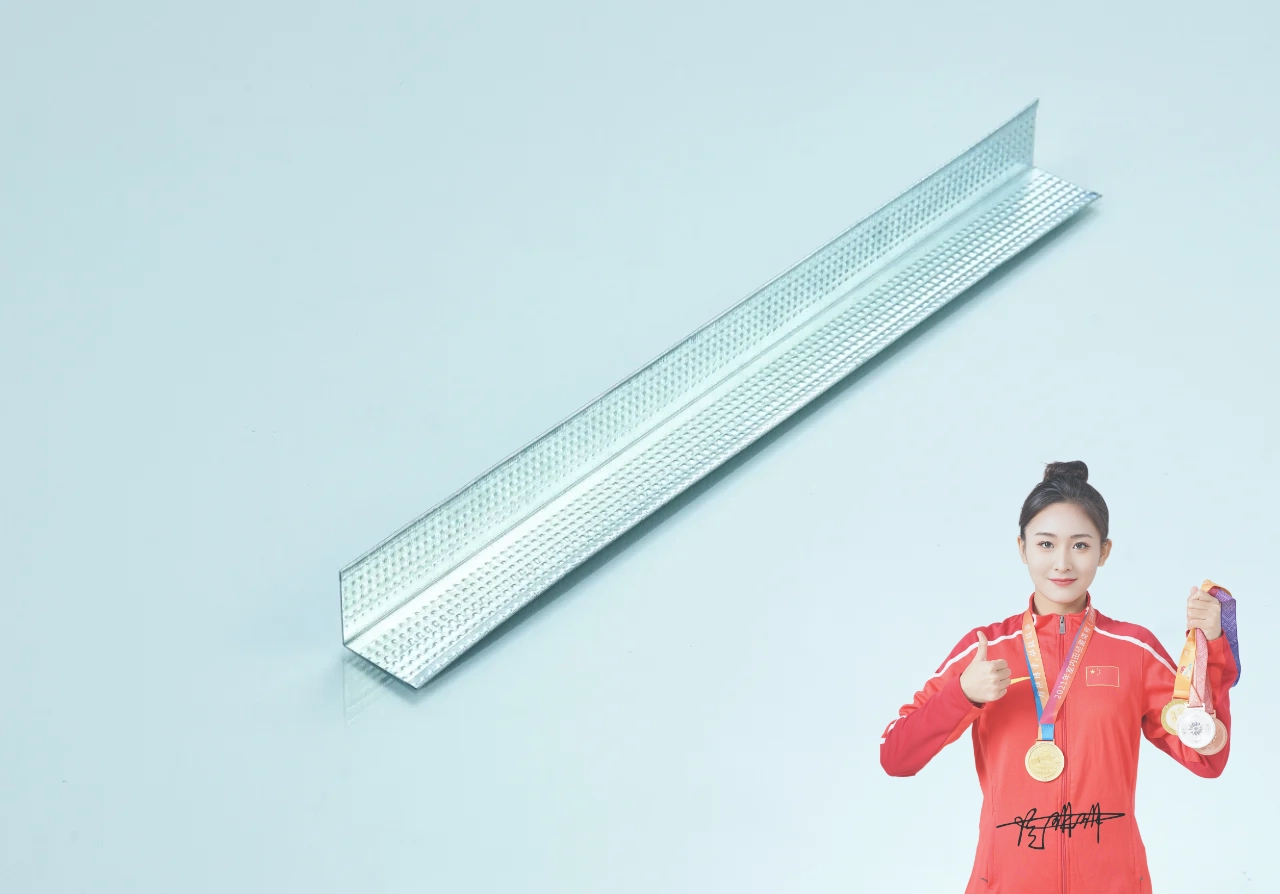
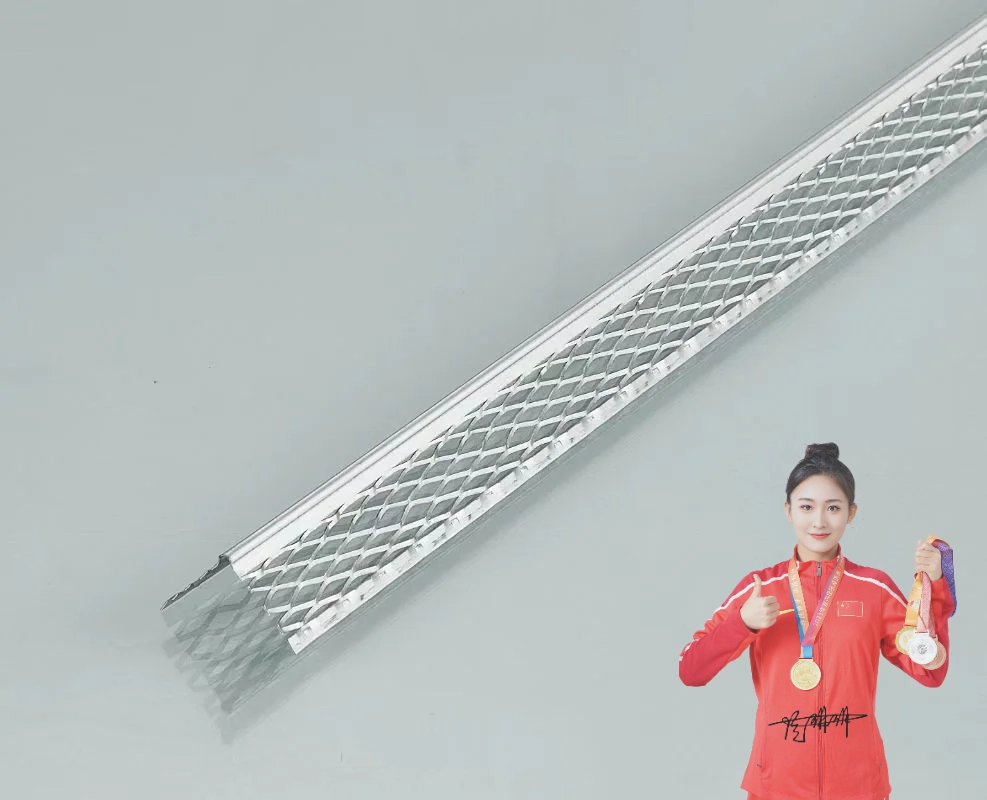
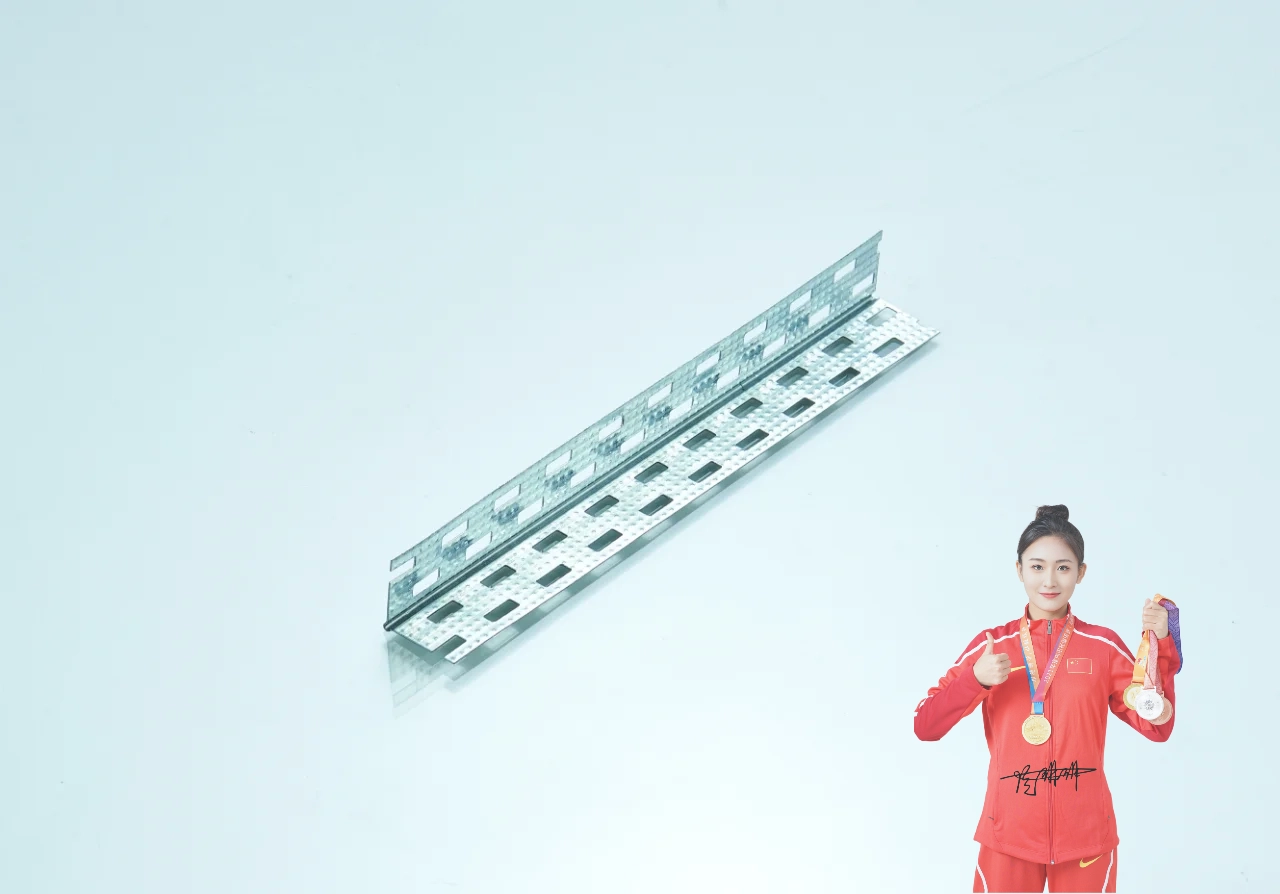
Simply put, plaster wire lath is a galvanized or stainless steel mesh crafted into sheets or rolls, designed as a “base” for plaster or stucco. This metal network is nailed or fastened onto wooden or metal studs to provide mechanical keying for the plaster. When the plaster sets, the wire lath ensures the surface won’t sag or peel away.
In refugee camps, for example, plaster wire lath frameworks allow for fast creation of more permanent shelters. NGOs often combine plaster wire lath with local clays and lime plasters to build durable homes that stand up better than tents or temporary plastic sheeting.
Explore more about
plaster wire lath products fitting different project scales.
Core Components of Plaster Wire Lath
1. Durability
Galvanized steel is the most common material to combat rust and corrosion. This guarantees longer life spans, especially in humid or coastal zones. Durability is sometimes overlooked but critical if you want a wall that won’t crack in a few years.
2. Flexibility & Scalability
Because mesh is available in sheets or rolls, it accommodates both small repairs and large commercial projects. It bends easily to fit curves or uneven surfaces — a feature many builders swear by.
3. Cost Efficiency
Compared to metal lath alternatives or full drywall systems, plaster wire lath is budget-friendly. It reduces labor time when skill levels vary and materials are scarce, a frequent issue in fast-paced construction sites or emergency relief areas.
4. Compatibility with Various Plasters
Wire lath works beautifully with cementitious plaster, lime, gypsum, and specialty earthen plasters. This makes it attractive to architects and humanitarians wanting traditional finishes or ecological materials.
5. Ease of Installation
Installation mainly requires cutting to size, bending, and nailing — no fancy tools. Even a small crew or volunteers can handle it with basic training.
Global Applications of Plaster Wire Lath
This product’s versatility shines in a variety of real-world scenarios:
- Post-disaster rebuilds: After earthquakes or hurricanes, plaster wire lath forms the structural base of faster-replicable homes. Imagine families moving from tents into safer plastered shelters within weeks.
- Historic restoration: Many heritage buildings rely on plaster wire lath to preserve original wall finishes without introducing incompatible modern materials that cause damage over time.
- Remote industrial zones: In regions where drywall simply isn’t practical, wire lath paired with plaster serves as a rugged wall covering.
- Sustainable housing projects: NGOs, governments, and international bodies use this system to promote affordable, durable homes that use recycled steel and local plaster.
Advantages & Long-Term Value of Using Plaster Wire Lath
The benefits extend well beyond the basics:
- Cost savings: Less waste, quicker installs, and longer-lasting walls reduce total project expenses.
- Sustainability: Steel mesh is often recyclable, and the plaster can be locally sourced, cutting carbon footprints.
- Safety & Dignity: Secure walls mean safer homes for families, enhancing dignity and stability amid uncertain conditions.
- Innovation meets tradition: It bridges modern engineering with time-tested plastering crafts.
- Trust for builders: Many engineers and masons testify to its reliability under varied environmental stresses.
Product Specification Table: Typical Plaster Wire Lath Features
| Feature |
Specification |
| Material |
Galvanized Steel / Stainless Steel |
| Mesh Size |
0.4 to 0.6 inches (10-15 mm) square openings |
| Thickness |
0.5 to 0.8 mm |
| Sheet Dimensions |
2 ft x 8 ft (rolls also available) |
| Coating |
Hot-dip galvanized / PVC coated options |
| Installation |
Nails, staples, or screws with washers |
Vendor Comparison: Choosing the Best Plaster Wire Lath Supplier
| Feature |
CornerBead Mfr |
SteelMesh Co. |
Global Lath Inc. |
| Material Quality |
Hot-dip galvanized, premium grade |
Standard galvanized |
Stainless steel option available |
| Customization Options |
Custom sizes & coatings |
Limited sizes, bulk packaging |
Wide range including rolls & sheets |
| Pricing (per sheet) |
$$$ (mid-market) |
$ (budget-friendly) |
$$$$ (premium) |
| Lead Time |
1-2 weeks |
3-4 weeks |
Varies with order size |
| Sustainability Practices |
Recycled steel and eco-packaging |
Minimal focus |
Green-certified products |
Emerging Trends & Innovations
Looking ahead, there is a push to combine plaster wire lath with new-age materials — think bio-based coatings, corrosion-resistant alloys, and even embedded sensors for monitoring structural health. Automation in lath production is improving consistency, making it possible to customize mesh density to exact structural needs.
Sustainable building codes increasingly encourage using recyclable and locally sourced materials. Wire lath fits well here because it can be made from recycled steel and pairs with natural plasters made from lime or clay instead of synthetic drywall compounds.
Challenges & Practical Solutions
Challenges? Sure. Some common ones include:
- Installation skill gaps: Poorly installed lath can cause plaster failures.
- Rust over time: Without proper coating, lath corrodes.
- Supply chain delays, especially in remote or developing areas.
Solutions? Training programs for local workers, improved galvanizing processes, and sourcing from reliable vendors (like the ones outlined above) go a long way.
Frequently Asked Questions About Plaster Wire Lath
Q1: Can plaster wire lath be used outdoors?
Yes, when properly galvanized or coated, plaster wire lath is suitable for exterior walls and stucco applications. It helps provide a mechanical key for plaster, resisting weather damage and improving longevity.
Q2: How does plaster wire lath compare to metal mesh lath?
They’re very similar; plaster wire lath usually refers specifically to galvanized steel mesh designed for plaster application. Metal mesh lath can sometimes be heavier gauge or have varied mesh sizes for specialized uses.
Q3: What tools are required for installation?
Basic hand tools suffice—wire cutters to size it, a hammer or staple gun for fastening, and gloves for safety. No specialized equipment is necessary, which is why it’s great for low-resource settings.
Q4: Is plaster wire lath recyclable?
Absolutely. Since it’s made from steel, it’s widely recyclable if removed during renovations, reducing environmental impact and supporting circular economies in construction.
Q5: Can plaster wire lath be customized for complex shapes?
Yes! Its flexible mesh design allows installers to bend or curve it around arches, corners, and complex architectural details with ease.
Wrapping Up: Why Plaster Wire Lath Remains Essential
Modern building materials come and go, but plaster wire lath shows lasting resilience—serving both tradition and progress. For engineers, architects, and humanitarian organizations, it’s a reliable building block for durable, affordable, and sustainable construction. If you’re looking to upgrade your projects or want to dive deeper into detailed product options, visit our website at
https://www.cornerbeadmfr.com to explore the range. Because really, sometimes the simplest tools build the strongest homes.
---
References
- United Nations Sustainable Development Goal 9
- World Bank Urban Development Overview
- Wikipedia: Lath