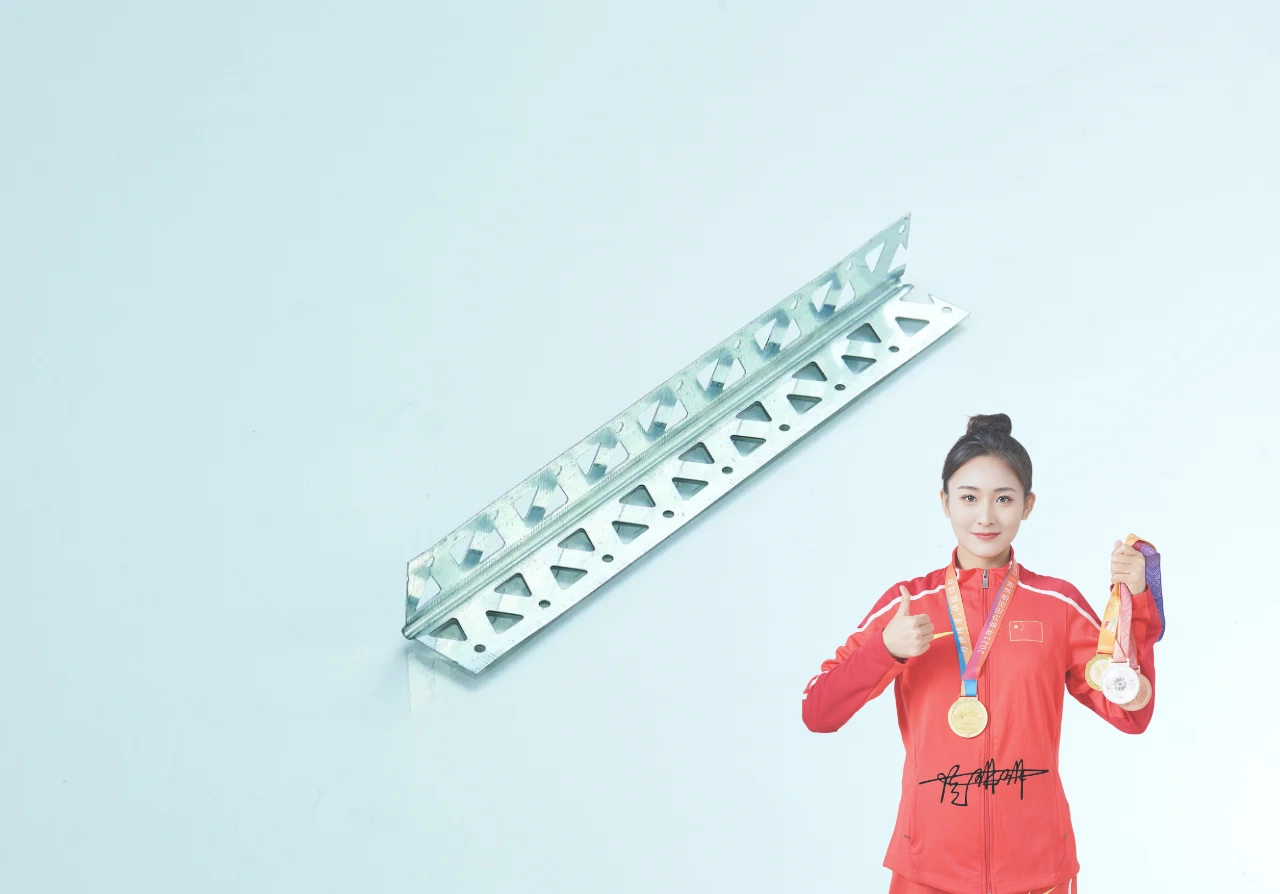
Understanding the Mesh Perforated Sheet: Why It Matters Today
The mesh perforated sheet is more than a piece of metal with holes punched strategically across its surface. In industries ranging from construction and manufacturing to humanitarian efforts and environmental innovation, this seemingly simple material plays a pivotal role. Globally, the mesh perforated sheet contributes to enhanced structural safety, ventilation, filtration, and even sustainable energy solutions.
In ambiguous or challenging situations—like in fast-evolving industrial zones or emergency relief operations—knowing the strengths and limitations of mesh perforated sheets can be the difference between success and frustration. Understanding this component’s role unlocks smarter design choices and better resource management worldwide.
The Global Context: Why Mesh Perforated Sheets Are Key in Modern Challenges
According to ISO and recent World Bank reports, infrastructure development and industrial upgrades are accelerating particularly in emerging economies, where the demand for lightweight yet durable materials is rising sharply. The global market for perforated metal sheets is expected to grow annually by roughly 6%, driven by urbanization, clean energy, and manufacturing.
This growth highlights an important challenge: balancing durability with cost-efficiency and sustainability. Mesh perforated sheets offer one solution, especially by enabling better airflow, light diffusion, and structural integrity in applications where solid metal sheets would fall short or be too heavy. Yet, the exact specifications—mesh size, thickness, corrosion resistance—must be carefully tailored to meet such demands.
The need to innovate materials that are both economically viable and ecologically sound poses a fascinating engineering puzzle. It’s not just about slapping holes in metal; it’s about meaningful design that addresses global development goals and operational realities.
What Exactly Is a Mesh Perforated Sheet?
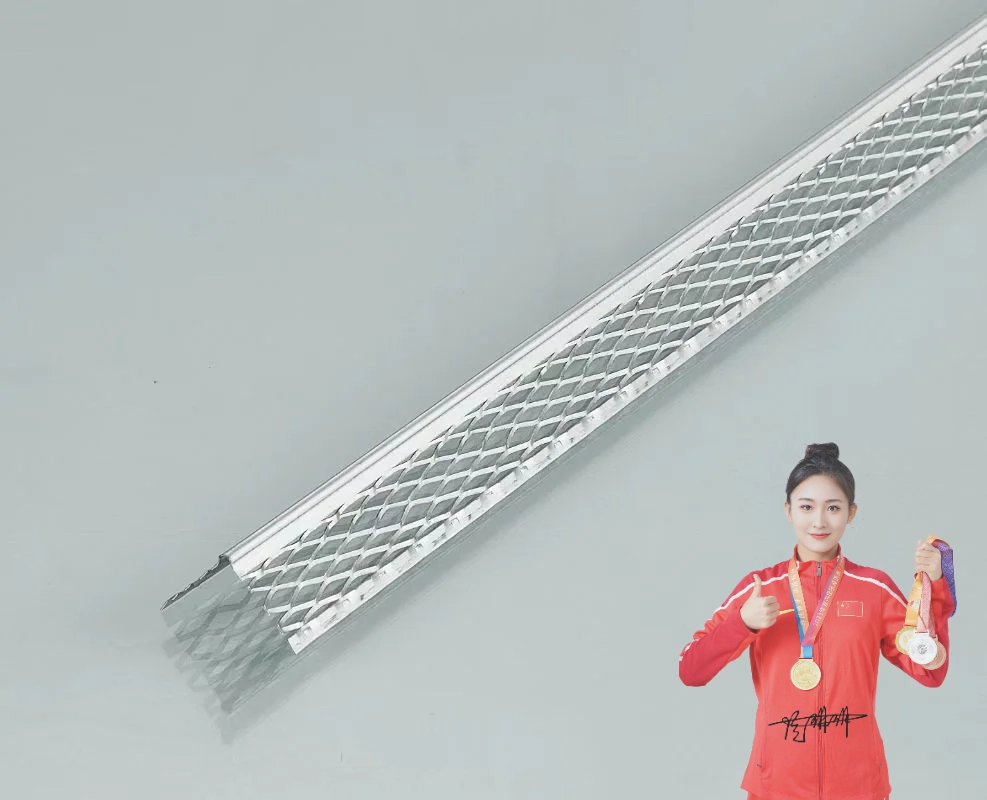
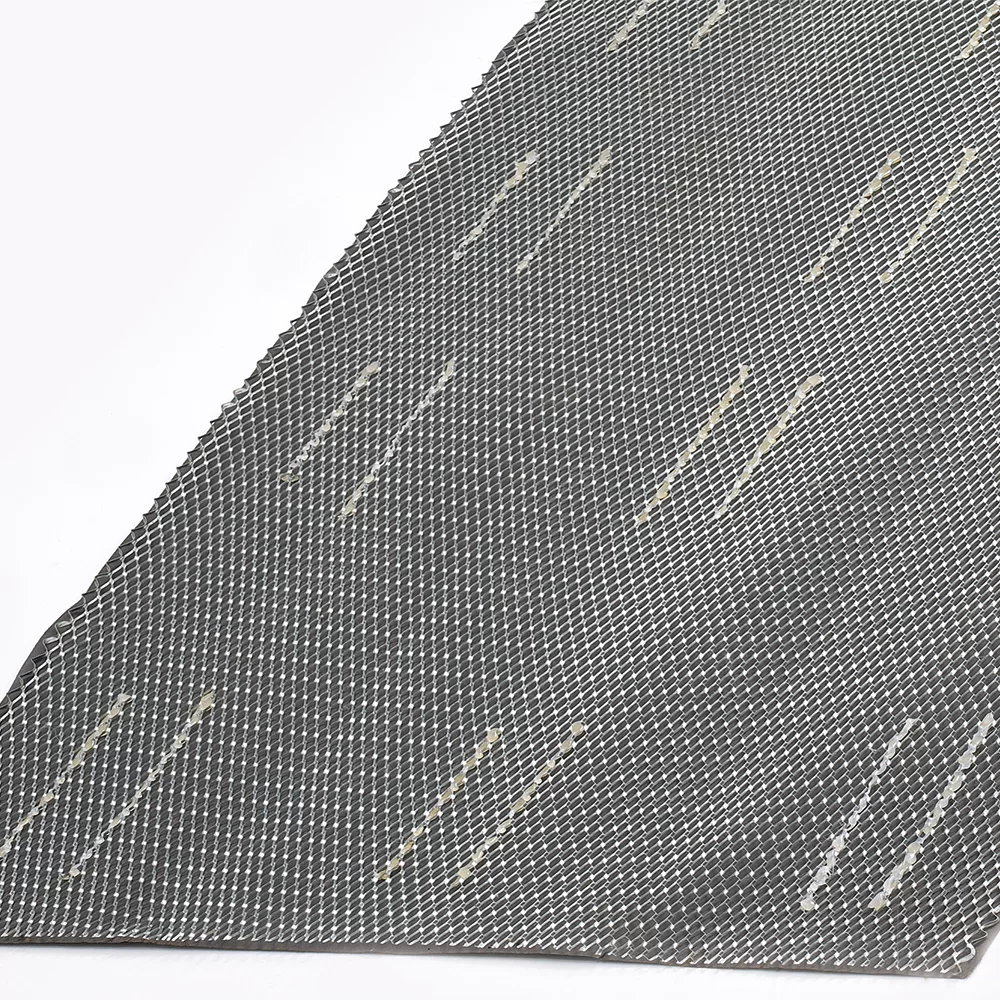
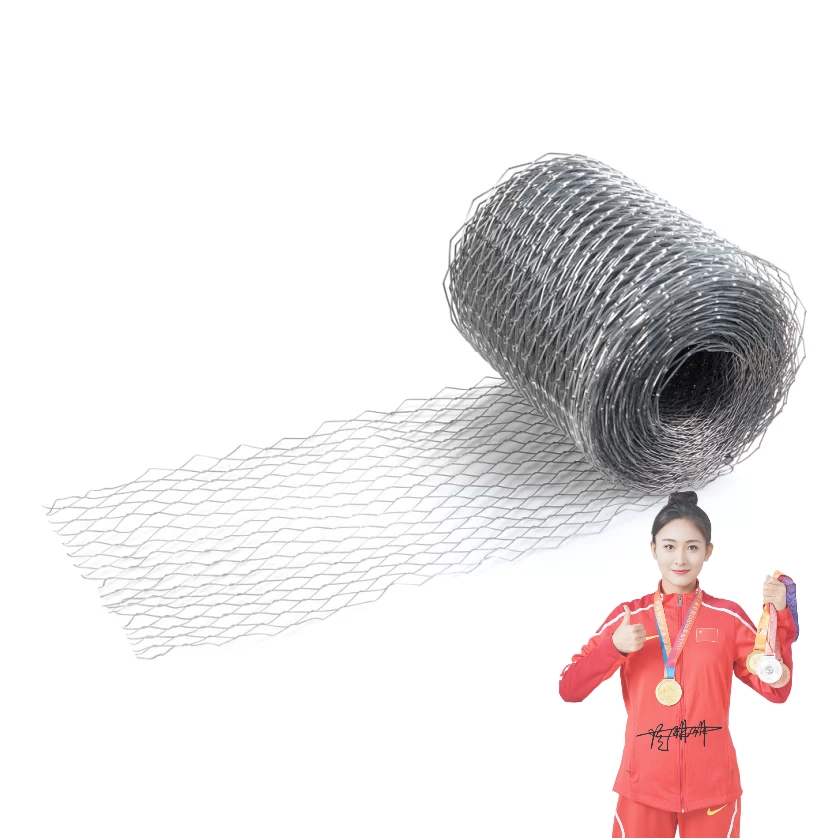
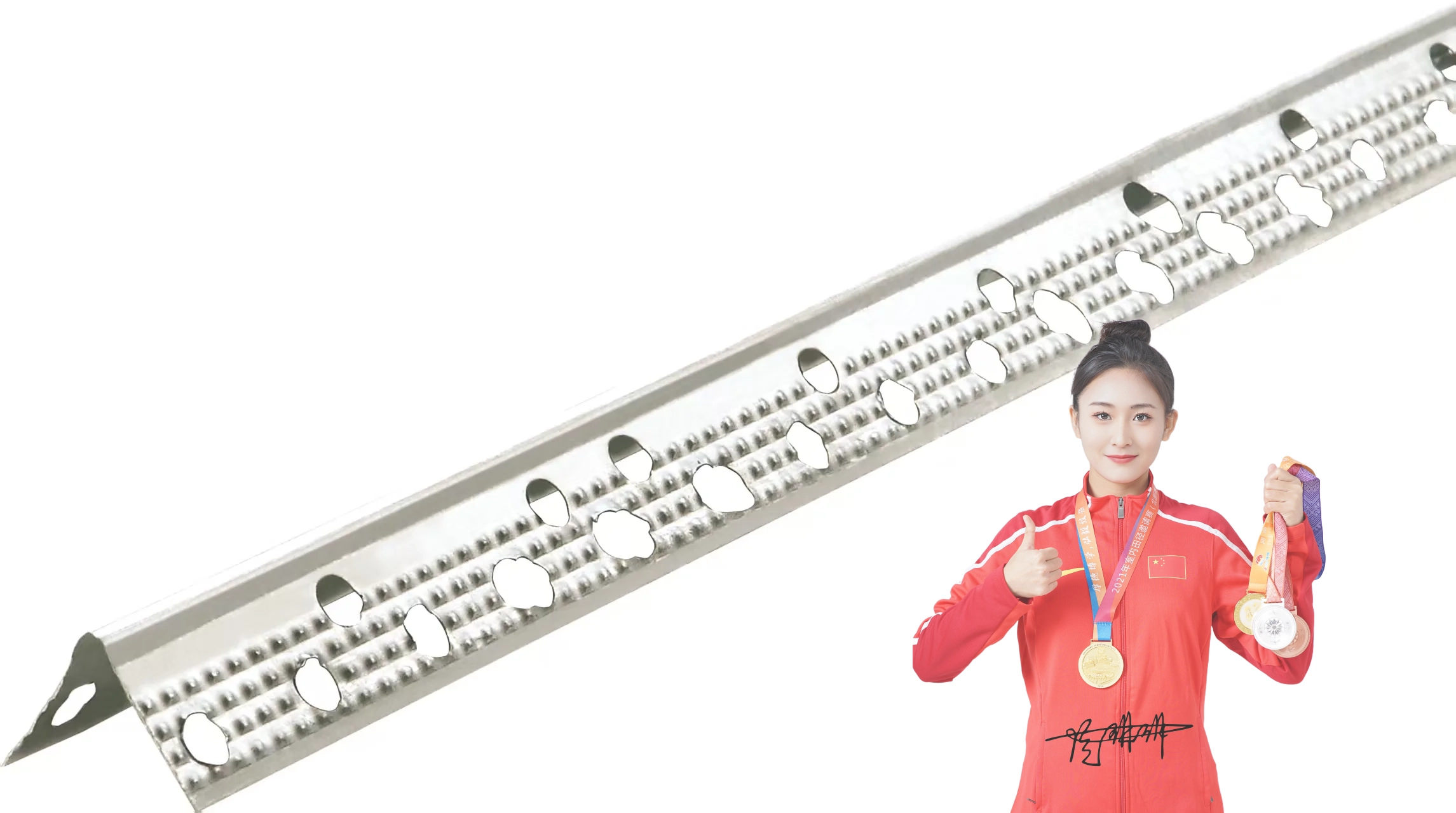
In straightforward terms, a mesh perforated sheet is a flat metal panel, typically steel, aluminum, or stainless steel, that has been evenly punched or stamped with holes forming a mesh-like pattern. It's essentially the lovechild of a metal sheet and mesh fabric, offering the strength of a sheet with the breathability or filtration function of mesh.
These sheets are integral to modern industries such as filtration systems, protective barriers, ventilation components, and decorative architectures. Oddly enough, they’ve also found a quietly growing niche in humanitarian engineering—think portable shelters or protective facades that balance visibility, airflow, and structural support.
Key Factors That Define Mesh Perforated Sheets
Durability
Because these sheets often serve protective or load-bearing roles, their ability to resist corrosion, abrasion, and deformation is critical. Stainless steel variants, for example, can withstand harsh weather and chemical exposure, which is why many industries opt for them despite a higher upfront cost.
Scalability and Customization
One of the coolest things about mesh perforated sheets is how customizable they are. From hole size and spacing to sheet thickness and metal type, options abound. This adaptability means they can fit tiny, delicate electronics filters as well as massive industrial grilles.
Cost Efficiency
Perforating a sheet reduces the raw material needed while maintaining structural integrity, which often leads to cost savings in both materials and shipping. However, the exact cost depends highly on manufacturing precision and finishing processes.
Environmental Sustainability
Many mesh perforated sheets are recyclable, and their use can improve energy efficiency—for example, by enhancing airflow and lighting in buildings, reducing HVAC loads, and supporting green building certifications like LEED.
How Mesh Perforated Sheets Are Applied Across the Globe
In Asia’s booming industrial parks, these sheets are often part of noise control panels, filtering exhaust or water systems. In Europe, architects use them creatively for facades and sunscreens that cut glare without losing natural light. The Middle East relies on them for effective sandstorm barriers that don’t trap heat excessively.
In post-disaster relief, NGOs employ lightweight mesh perforated sheets to rapidly deploy protective shelters—balancing ventilation and strength. Meanwhile, remote mining installations in South America utilize these sheets in machinery guards, providing safety while ensuring visibility and airflow.
Mini Takeaway:
Mesh perforated sheets are versatile champions—at home in both high-tech factories and makeshift refugee camps, proving their global significance is more than just hype.
The Tangible and Intangible Benefits of Mesh Perforated Sheets
- Cost Savings: Less material without compromising strength means budget-friendly projects.
- Enhanced Safety: Protective barriers allow visibility while guarding workers and machinery.
- Sustainability: Recyclability and energy savings promote greener building practices.
- Aesthetic Flexibility: Designers can achieve contemporary, sleek looks without sacrificing function.
Many engineers will tell you that the combination of emotional reassurance from safety and the logical advantage of efficiency makes mesh perforated sheets a trusted asset.
What's Next? Future Innovations in Mesh Perforated Sheets
We're starting to see advancements in smart materials—the integration of coatings that respond to environmental changes, self-cleaning surfaces, or even embedded sensors that monitor structural health. Automation in sheet fabrication is improving precision and reducing waste, moving industries toward near-zero-defect manufacturing.
Meanwhile, the push for sustainability drives experimentation with bio-based metals and innovative alloys. Tying mesh perforated sheets to solar energy panels or green roofs isn’t just theoretical anymore; it's a trend in several places, aiming to turn buildings into interactive components of smart cities.
Common Challenges—and How Experts Are Tackling Them
Perforated sheets have their quirks. Sometimes, they might fatigue faster if poorly designed, or corrosion creeps in if coatings fail. Also, high-precision perforations can increase costs or extend lead times.
Experts advise investing upfront in quality alloys and protective finishes, plus detailed engineering analyses to avoid under- or over-specification. In cases where weight is a concern, hybrid composite meshes are being tested, pairing metals with polymers.
FAQ: Your Questions About Mesh Perforated Sheet, Answered
Q: What types of metals are best for mesh perforated sheets in outdoor environments?
A: Stainless steel and aluminum are favorites due to corrosion resistance and light weight. Stainless fares better in highly acidic or salty settings, while aluminum is preferred when weight-saving is critical.
Q: How customizable are these sheets for specific industrial filtration needs?
A: Very customizable. Hole size, shape, and pattern can be tailored to match the filtration target particle size while maintaining flow efficiency.
Q: Can mesh perforated sheets help improve building energy efficiency?
A: Yes. When used as sunscreens or ventilation panels, they reduce solar heat gain and improve airflow, lowering cooling loads.
Q: Are there strong environmental regulations around using perforated sheets?
A: Generally, regulations focus on manufacturing emissions and waste. Many suppliers now hold ISO 14000 certifications to assure eco-friendly processes.
Q: How quickly can custom mesh perforated sheet orders be fulfilled?
A: Lead times vary, but with modern automated production lines, many vendors can deliver within 2-4 weeks, depending on complexity and quantity.
Product Specification Table: Typical Mesh Perforated Sheet
| Specification |
Details |
| Material |
Stainless Steel 304 / 316, Aluminum, Mild Steel |
| Sheet Thickness |
0.5 mm – 6 mm |
| Hole Diameter |
0.5 mm – 25 mm |
| Open Area Percentage |
10% – 50% |
| Surface Finish |
Powder Coating, Galvanized, Anodized |
| Maximum Sheet Size |
1500 mm x 3000 mm |
Vendor Comparison Table
| Vendor |
Customization |
Lead Time |
Sustainability Certifications |
Price Range |
| Alpha Metals |
High (bespoke patterns) |
3-5 weeks |
ISO 14001 |
$$$ |
| Beta Perforations |
Medium (standard hole sizes) |
2-4 weeks |
None |
$$ |
| Corner Bead Mfr. |
Very High (custom engineering support) |
2-3 weeks |
ISO 14001, LEED Compliant |
$$$ |
Closing Thoughts & Next Steps
Mesh perforated sheets offer a fascinating blend of toughness and flexibility, which is why they’re so deeply woven into modern infrastructure and innovation worldwide. Their adaptability makes them invaluable in diverse fields—from architectural design to humanitarian relief. If you’re interested in exploring cutting-edge mesh solutions tailored to your project, mesh perforated sheet experts like those at Corner Bead Mfr. offer both quality and customization you can rely on.
Next time you walk past a sleek building facade, a ventilation grate, or even a temporary shelter, take a moment to appreciate the role that mesh perforated sheets quietly play in making it all possible.
References:
- International Organization for Standardization (ISO)
- World Bank Infrastructure Data
- Wikipedia: Perforated Metal