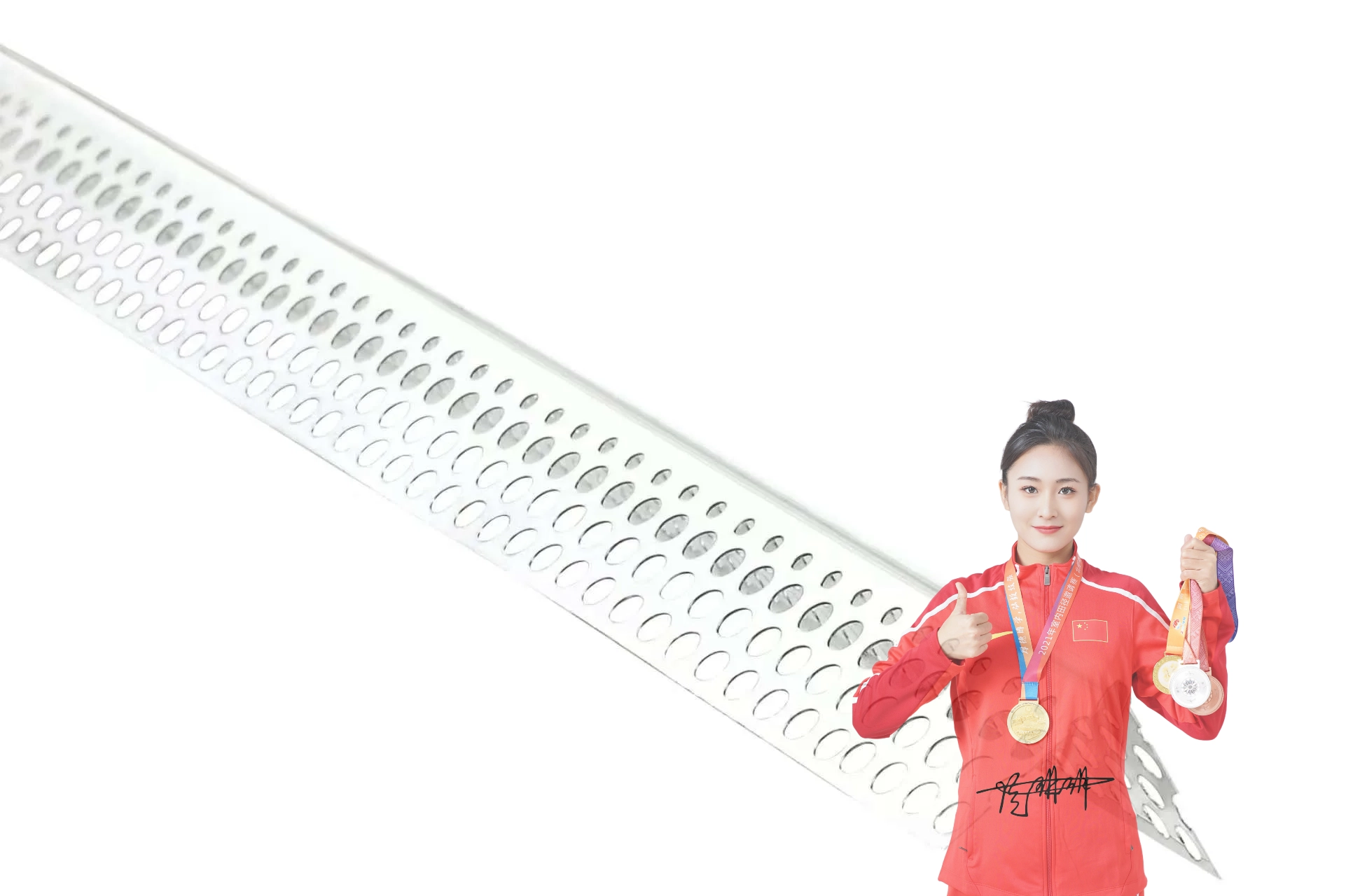
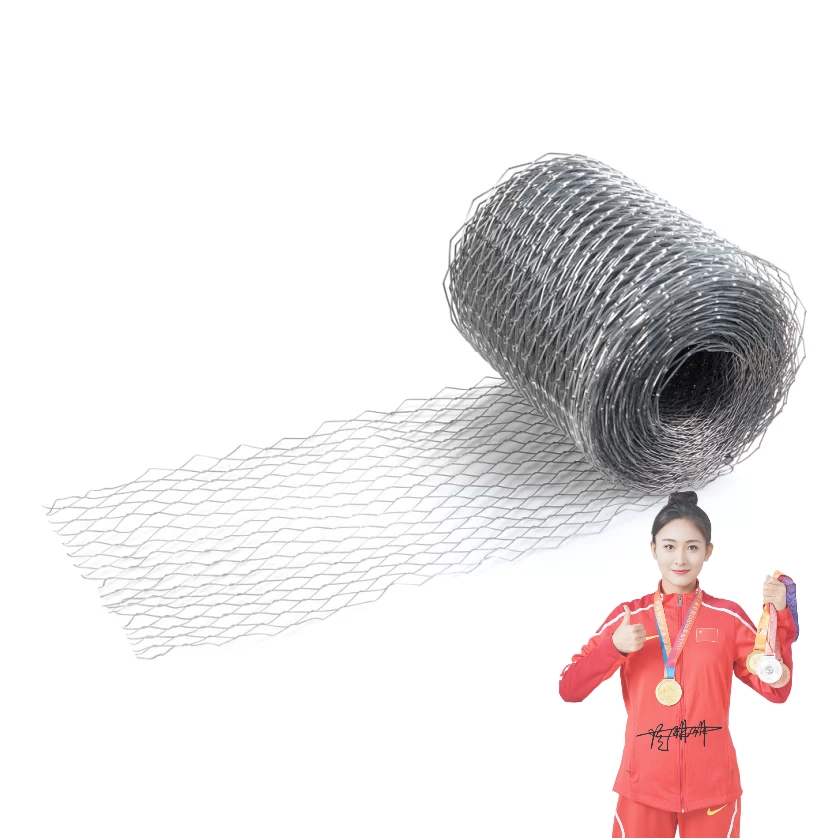
Understanding Reinforcing Sheets: Why They Matter Globally
If you've ever wondered how modern construction withstands the test of time and unexpected forces, reinforcing sheets play a huge part in that story. These specialized materials are quietly but crucially responsible for strengthening structures worldwide—from high-rise buildings in bustling cities to temporary shelters after natural disasters. Their importance extends well beyond mere durability; they represent strides toward safer, more sustainable building practices, offering resilience in the face of climate change, urbanization, and humanitarian crises.
As the world urbanizes rapidly—with the United Nations projecting that 68% of the population will live in cities by 2050—the demand for resilient construction solutions becomes urgent. Reinforcing sheets address this by providing architects and engineers with flexible tools to add structural integrity without excessive weight or cost. So understanding them isn’t just for material scientists; it’s for anyone interested in how we build a better, safer future.
The Global Context Behind Reinforcing Sheets
Reinforcing sheets already form the backbone of many construction feats across continents. The global construction market alone is expected to breach $10 trillion by 2025, driven by infrastructure needs in Asia, Africa, and Latin America. According to ISO standards on construction materials, improving tensile strength while reducing environmental impact is a shared goal among manufacturers worldwide.
Yet, challenges remain. Climate-induced weather events increase mechanical stress on buildings, and supply chain pressures demand lighter, more adaptable materials. Reinforcing sheets meet both these challenges head-on by enhancing strength and offering versatility in design—the kind that cuts both weight and excess waste.
So, What Are Reinforcing Sheets Exactly?
At their core, reinforcing sheets are thin layers of material—often metal, fiber, composite, or polymer—that are embedded or laid over other construction elements to increase load-bearing capacity, improve durability, and prevent structural failures. Think of them as the muscle beneath the skin of buildings—unseen, but essential.
They aren’t just academic curiosities for structural engineers, either. In humanitarian efforts—like those led by global NGOs ensuring safe emergency shelters—they provide rapid deployment solutions that combine strength with portability and ease of use.
Durability That Goes the Distance
Reinforcing sheets protect against degradation from environmental factors such as moisture, corrosion, and UV radiation. Many use galvanized or coated metals or advanced polymers that resist wear over years, which is vital in places prone to heavy rains or salty air.
Cost Efficiency in Construction
Using reinforcing sheets can decrease the need for thicker concrete or additional support, which in turn lowers materials and labor costs. In fast-paced urban development or disaster relief zones, this can be a game changer—speeding up timelines while maintaining safety standards.
Scalability and Flexibility
Whether reinforcing a single wall or an entire bridge span, sheets are modular and adaptable. This versatility makes them perfect for varied industries, from traditional brick-and-mortar construction to cutting-edge modular housing projects.
Sustainability Factors
The focus on green building means many manufacturers now prioritize recyclable or bio-based composites. Reinforcing sheets that are lightweight yet strong help reduce the carbon footprint of building by lowering transport emissions and material waste.
Reinforcing Sheets in Action Across the Globe
You find reinforcing sheets in some unexpected places. For instance, in Japan and New Zealand, where seismic activity demands earthquake-resistant structures, engineers use carbon fiber-reinforced polymer sheets to retrofit aging buildings. This method enhances tensile strength without bulky steel replacements.
In Africa, where rapid urbanization and limited budgets intersect, NGOs use polymer-based reinforcing sheets to create long-lasting, affordable housing. Similarly, in post-disaster relief—think Haiti after the 2010 earthquake or typhoon-hit regions in the Philippines—reinforcing sheets have expedited rebuilding by providing a balance of strength and speed.
Product Specification Table: Typical Reinforcing Sheet Materials
| Material Type |
Thickness |
Tensile Strength (MPa) |
Typical Use |
Environmental Resistance |
| Galvanized Steel Sheet |
0.5–2 mm |
340 |
Bridges, roofing |
High (corrosion resistant) |
| Carbon Fiber Composite |
0.1–0.5 mm |
600+ |
Seismic retrofits, aerospace |
Very High |
| Fiber-Reinforced Polymer (FRP) |
1–3 mm |
400 |
Structural wraps, wall reinforcements |
High |
| High-Density Polyethylene (HDPE) |
2–5 mm |
35–40 |
Temporary shelters, packaging |
Moderate (UV sensitive) |
Comparing Leading Reinforcing Sheet Vendors
| Vendor |
Material Types |
Global Reach |
Customization Options |
Sustainability Practices |
| ReinforceTech Inc. |
Steel, FRP, Carbon Fiber |
North America, Europe, Asia |
Custom thickness, coatings |
Recycling programs, low VOCs |
| EcoSheet Solutions |
Bio-composites, HDPE |
Global |
Shape and size customization |
Certified eco-labels, carbon neutral |
| Global Reinforcing |
Steel, Polymer, Fiberglass |
Asia, Africa, Latin America |
Bulk order discounts |
Waste reduction initiatives |
What Makes Reinforcing Sheets Truly Valuable Over Time?
There’s a kind of peace of mind that comes with knowing the walls around you won’t just stand but endure. Reinforcing sheets contribute both logical and emotional benefits. Logically, they extend structural lifespans, cut maintenance costs, and decrease environmental impact through less material use and longer-lasting construction.
Emotionally, buildings fortified with reinforcing sheets provide safety and dignity to inhabitants. Communities recovering from disasters can rebuild with solutions that don't just patch roofs but protect lives. Businesses can innovate with confidence, knowing their infrastructure supports growth without constant expensive upgrades.
Looking Ahead: Trends in Reinforcing Sheet Technology
The future of reinforcing sheets feels exciting, partly because of leaps in materials science. We’re seeing more research into self-healing composites that mend micro-cracks, along with nanomaterial-infused sheets boasting ultra-high tensile strengths at a fraction of the weight. This all syncs well with broader green building initiatives encouraging recyclable and bio-based materials.
Digital manufacturing (think 3D printing sheet composites) and IoT-enabled sensors embedded within reinforcing sheets also emerge as promising avenues for real-time structural health monitoring. Imagine walls that whisper when they need maintenance, helping avoid catastrophic failures.
Challenges Still Faced by Reinforcing Sheets (and How to Fix Them)
No magic bullet here: cost can be prohibitive for cutting-edge materials like carbon fiber composites compared to traditional steel. Also, installation requires skilled labor—and sometimes special adhesives or tools—that may be scarce in remote or developing areas.
Solutions? Ongoing efforts in training, certification, and modular prefabrication aim to lower barriers. Plus, investments in biodegradable polymers could reduce waste concerns. Some NGOs, for example, combine locally sourced materials with imported reinforcing sheets to balance cost and performance.
Frequently Asked Questions About Reinforcing Sheets
- What are the main benefits of using reinforcing sheets over traditional rebar?
- Reinforcing sheets offer enhanced flexibility, easier installation, and often better corrosion resistance compared to traditional rebar. They reduce construction time and weight while preserving or improving structural integrity.
- Can reinforcing sheets be used in modular housing projects?
- Absolutely. Reinforcing sheets are ideal for modular construction because they provide strong, lightweight support and can be customized to fit various panel shapes and sizes.
- How long do reinforcing sheets typically last in harsh environments?
- Depending on the material—steel sheets with proper coatings can last 20+ years, while composites and polymers often exceed 30 years with minimal maintenance. Regular inspection remains essential.
- Are reinforcing sheets environmentally friendly?
- Many modern reinforcing sheets are manufactured with sustainability in mind, utilizing recyclable metals, bio-based composites, and low-impact production methods. Their role in reducing concrete use also lessens carbon footprints.
- How can international NGOs source reinforcing sheets efficiently?
- NGOs often partner with global suppliers that offer bulk orders and freight consolidation. Utilizing vendors with worldwide distribution networks can simplify customs and logistics.
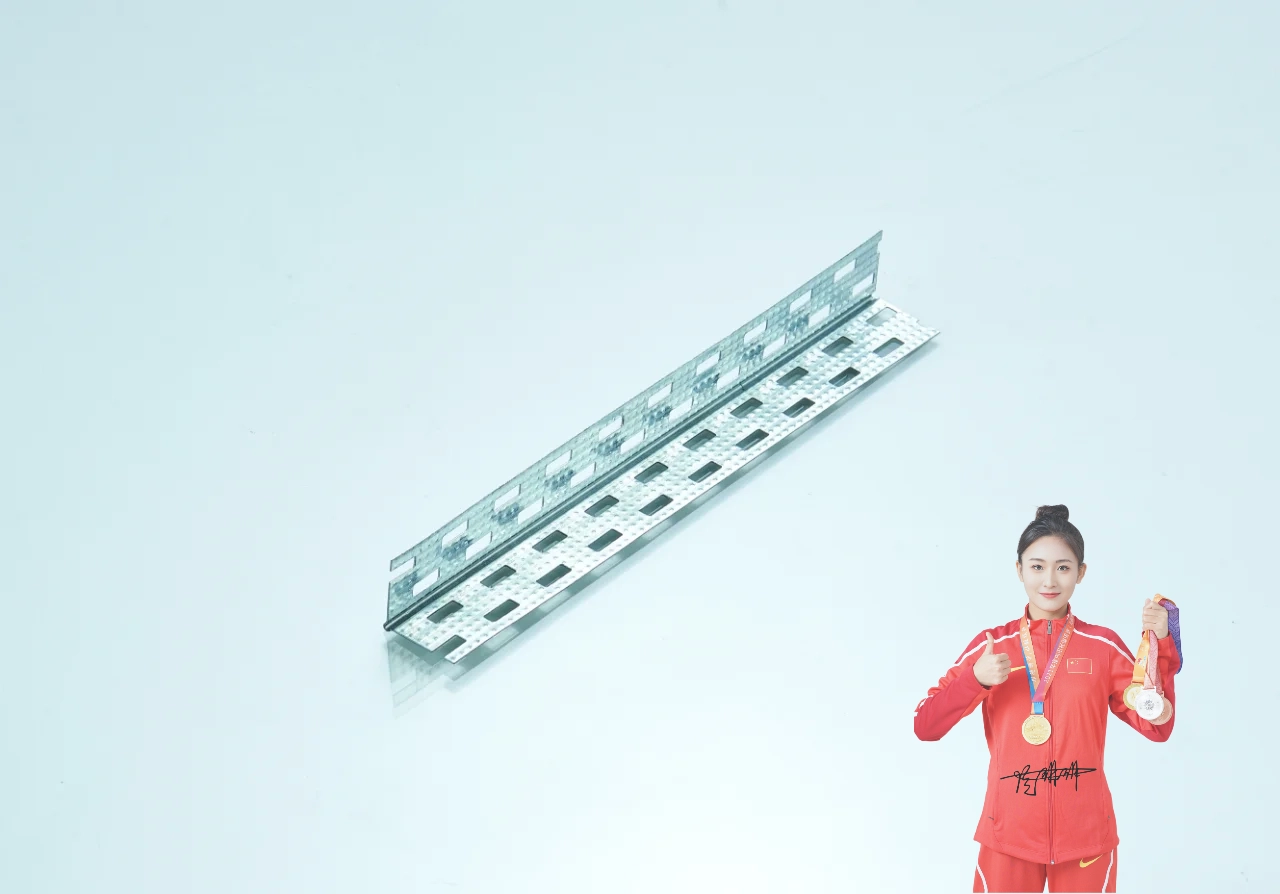
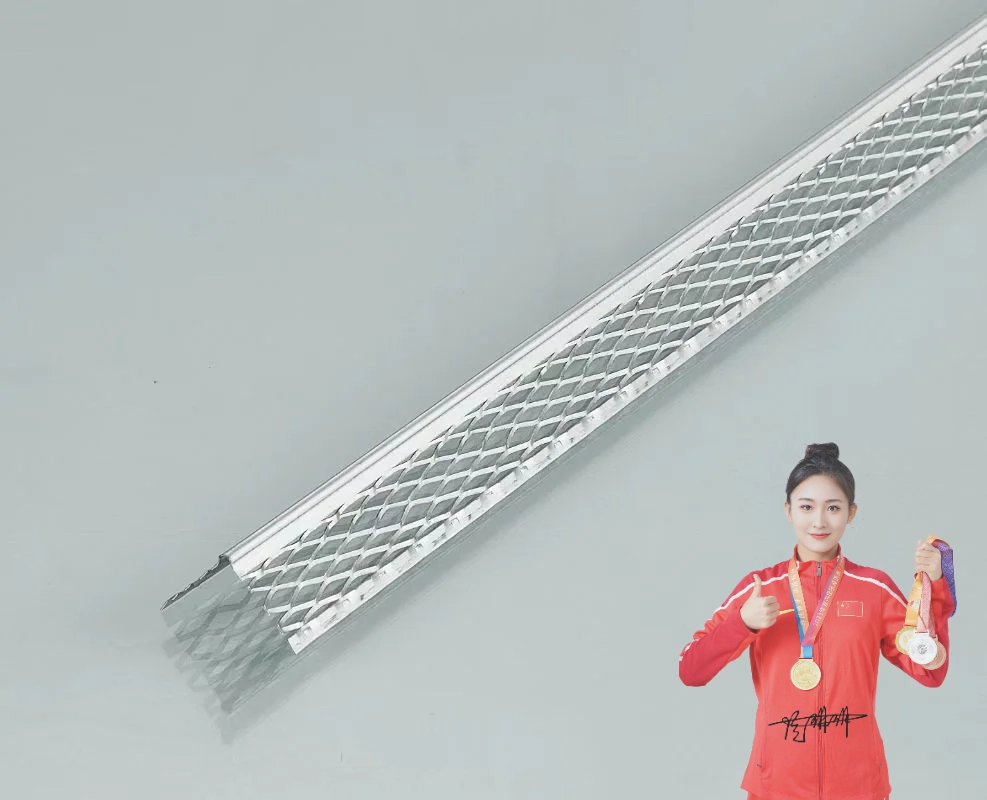
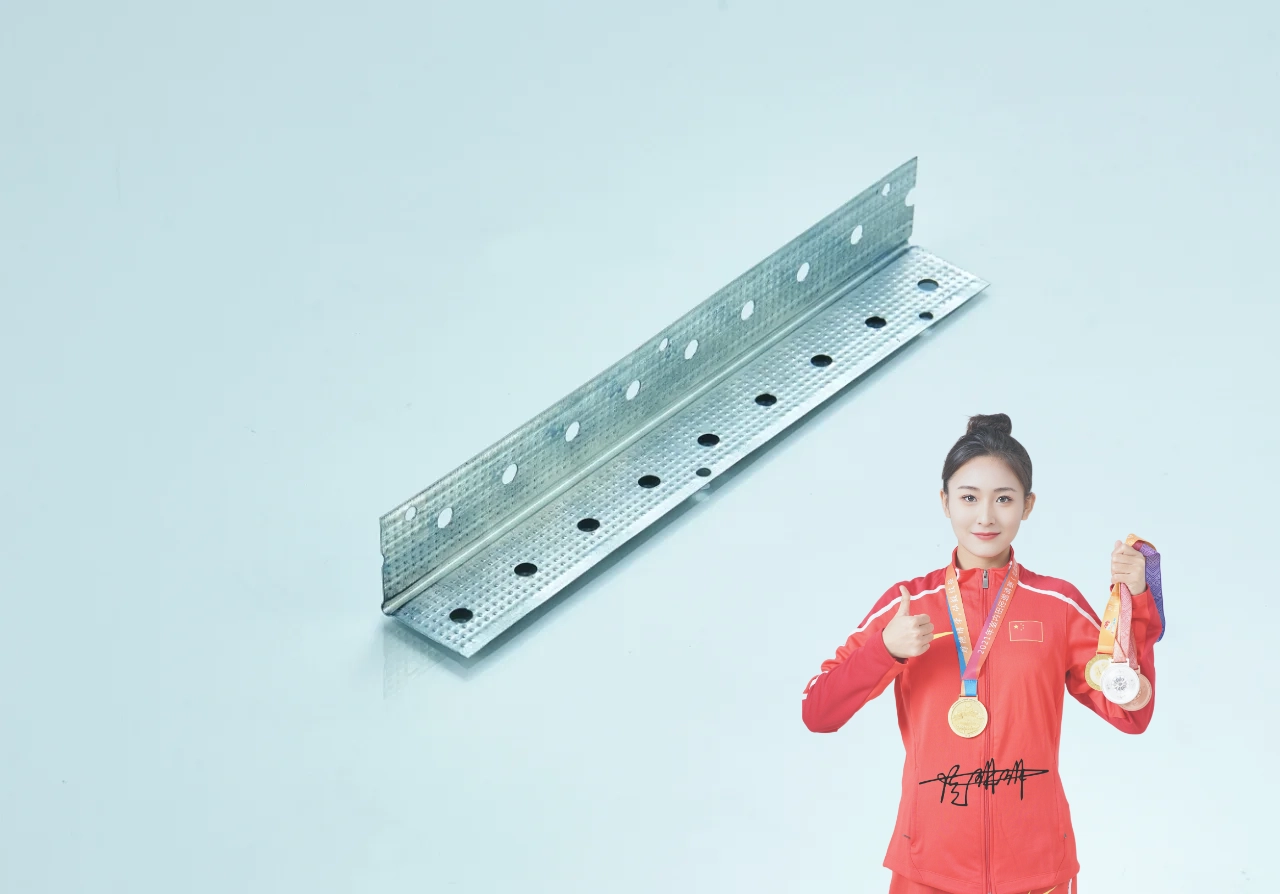
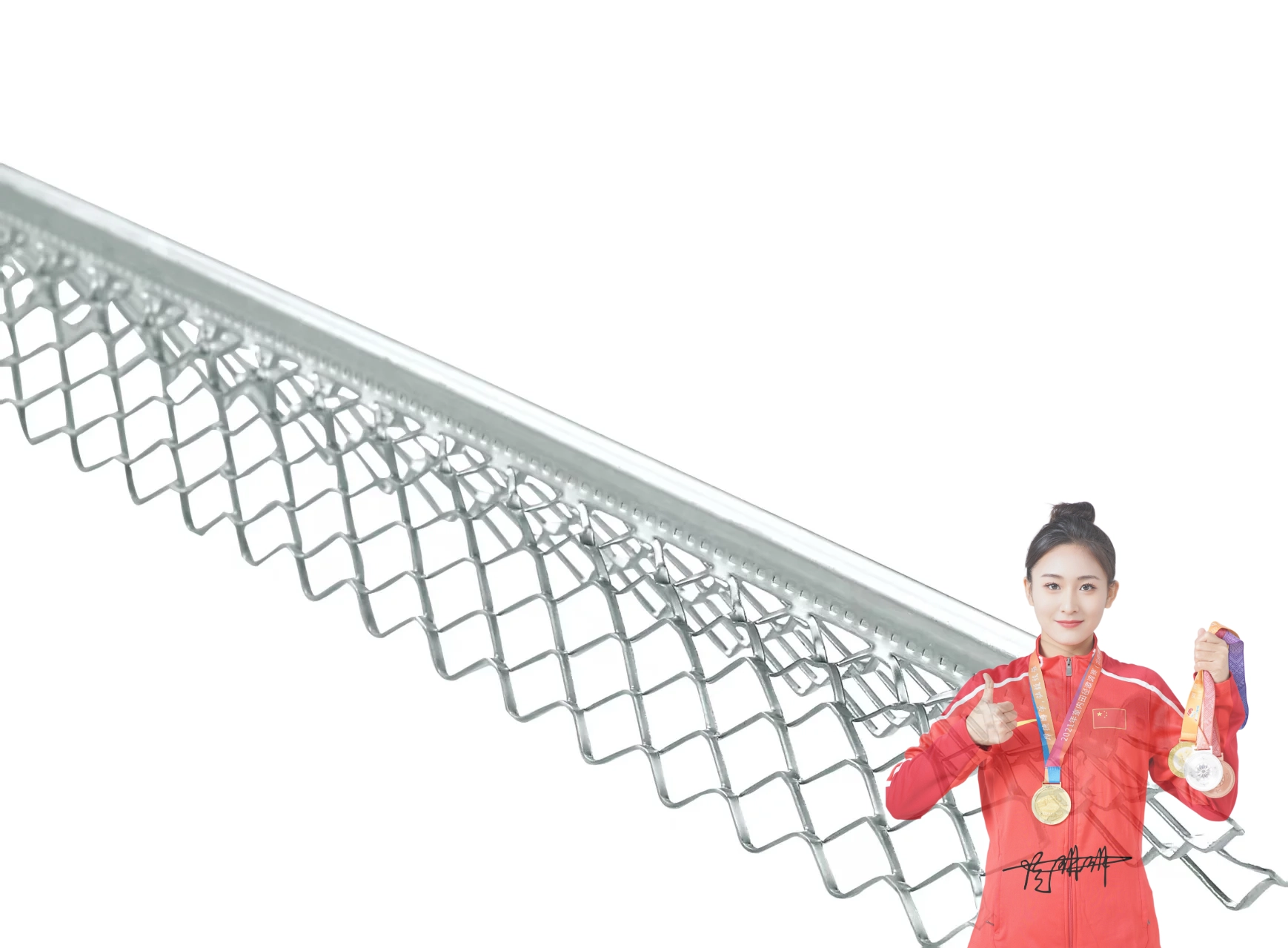
To dive deeper into technical specifics, you can explore reinforcing sheets and related products.
Conclusion: Reinforcing Sheets Are Built to Last, Just Like Our Future
Reinforcing sheets are more than just construction components; they’re enablers of progress. By enhancing durability, sustainability, and flexibility, they help shape a world better prepared for urban growth and environmental challenges. Whether you’re an engineer, project manager, or someone simply curious about better building, they’re worth knowing.
For tailored solutions and expert support, I highly recommend visiting https://www.cornerbeadmfr.com. They offer a wide portfolio and technical assistance to fit your specific needs.
Mini Takeaway:
Reinforcing sheets marry innovation and practicality, crucial for next-generation resilient structures across the globe.
Credible References
- United Nations - Urbanization Prospects
- ISO Standards on Construction Materials
- Composite materials - Wikipedia