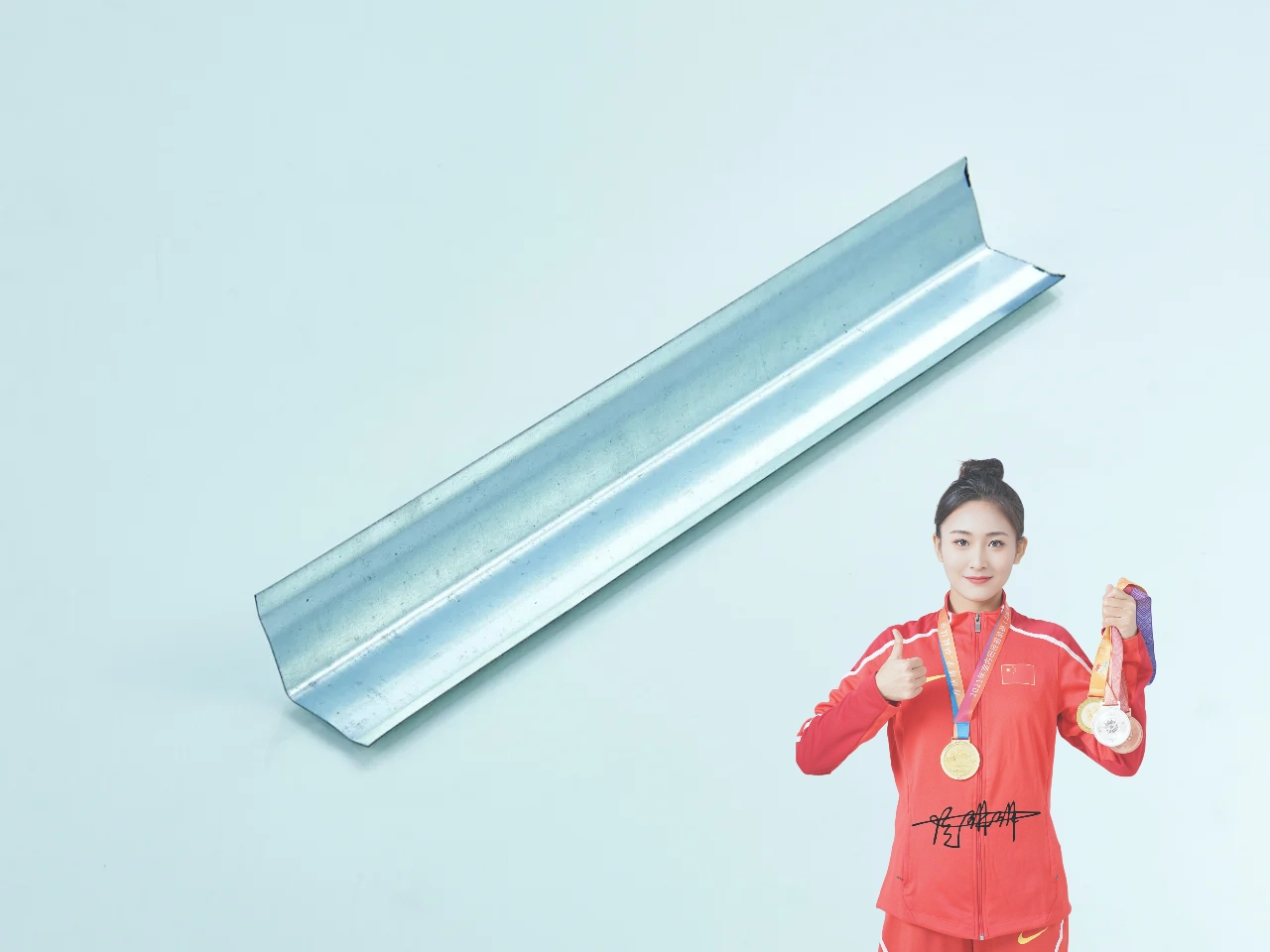
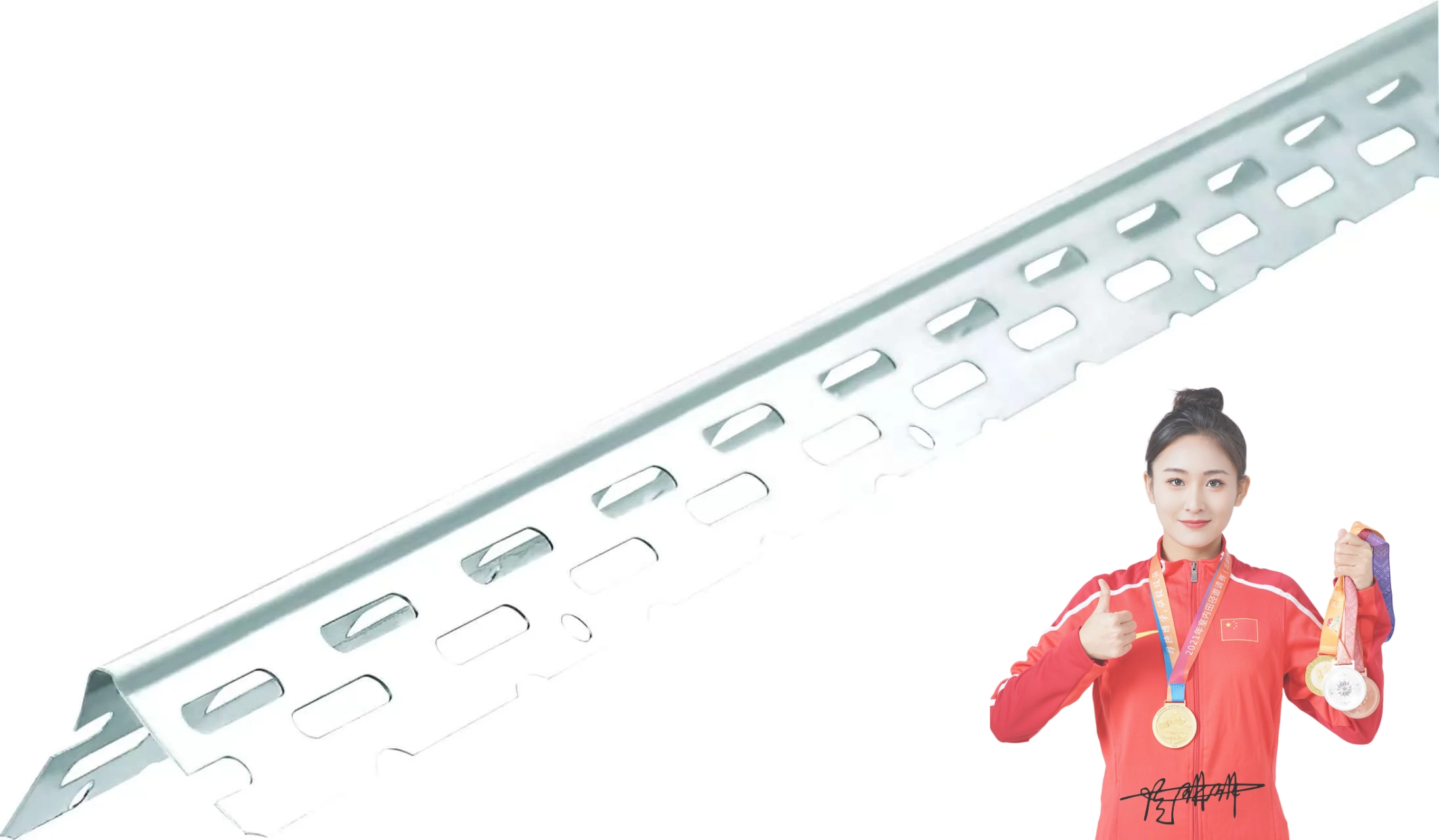
Understanding Render Metal Mesh: A Global Perspective
Render metal mesh might sound like “just another building material,” but in reality, it’s far more integral to our infrastructure and humanitarian efforts than we often appreciate. Put simply, this mesh is a metal reinforcement used primarily in rendering—applying a protective or decorative layer to walls or larger structures. Yet it’s not just a local fix or cosmetic add-on. Around the globe, it represents a critical component in creating durable, cost-effective, and sustainable construction solutions.
Why does this matter on a global scale? Well, given the rise in urbanization, climate stress, and infrastructure demands worldwide, materials that enhance structural stability and reduce waste are in high demand. Think about rapidly growing cities in Asia or post-disaster areas in the Americas and Africa—render metal mesh can be a subtle hero behind their quick, safe rebuilds.
Mini takeaway: Render metal mesh is more than a technical term; it’s a vital piece in the puzzle of safer, smarter construction worldwide.
Setting the Scene: The Global Relevance of Render Metal Mesh
According to the United Nations, by 2050 nearly 70% of the world’s population will live in urban areas (1). This boom means more buildings, more infrastructure—and a pressing need for robust construction materials that meet modern demands. Render metal mesh answers some of these challenges: it improves the longevity of rendered surfaces, enables better adherence of plaster or cement, and helps structures resist cracks and damage from environmental stresses.
Moreover, the World Bank estimates that climate-related disasters cause billions in infrastructure losses annually (2). Render metal mesh is crucial in creating resilient buildings that can better withstand such disasters. Its ability to distribute stress evenly makes walls less likely to fail, which can save lives and reduce repair costs.
Mini takeaway: Render metal mesh plays an unsung role in combating urban strain and disaster recovery worldwide.
Defining Render Metal Mesh: What Is It Exactly?
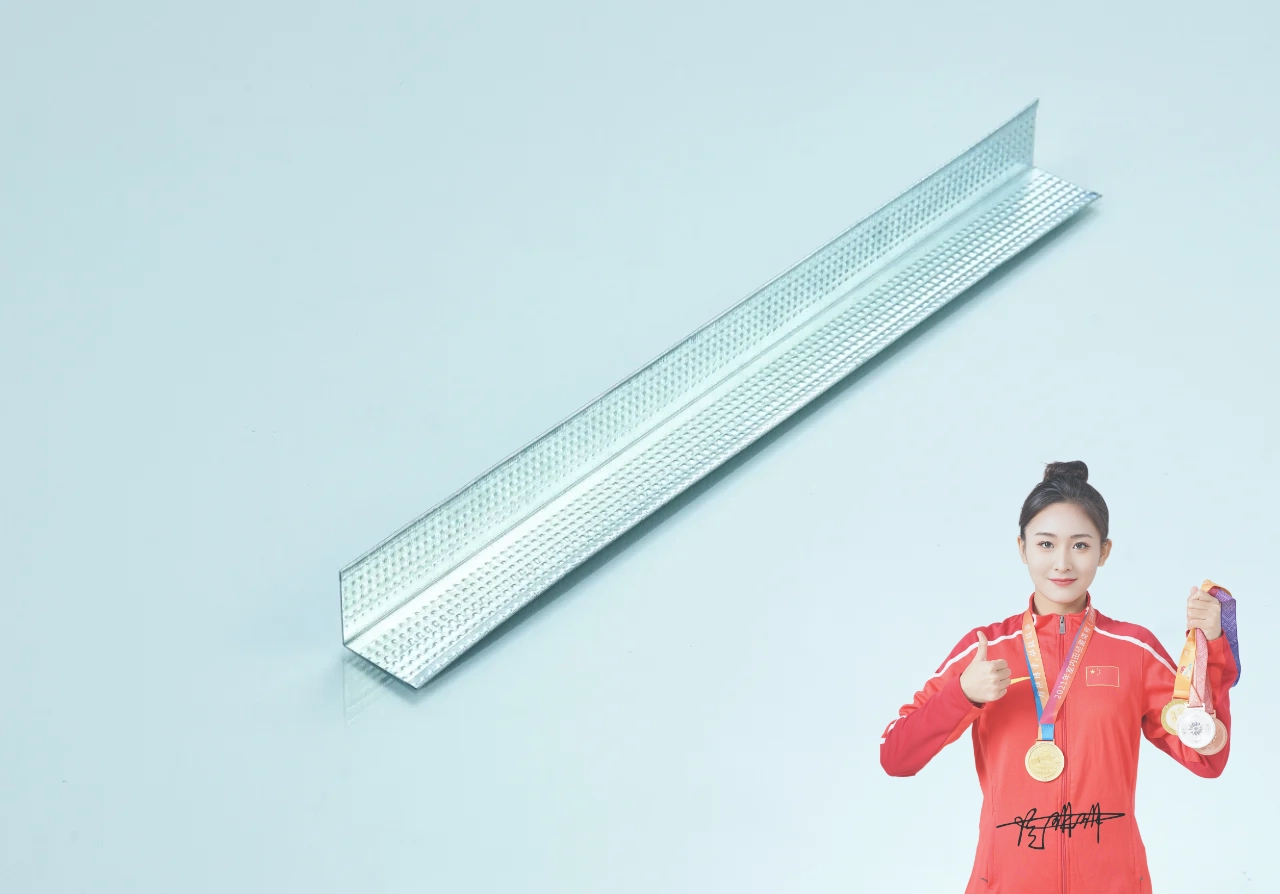
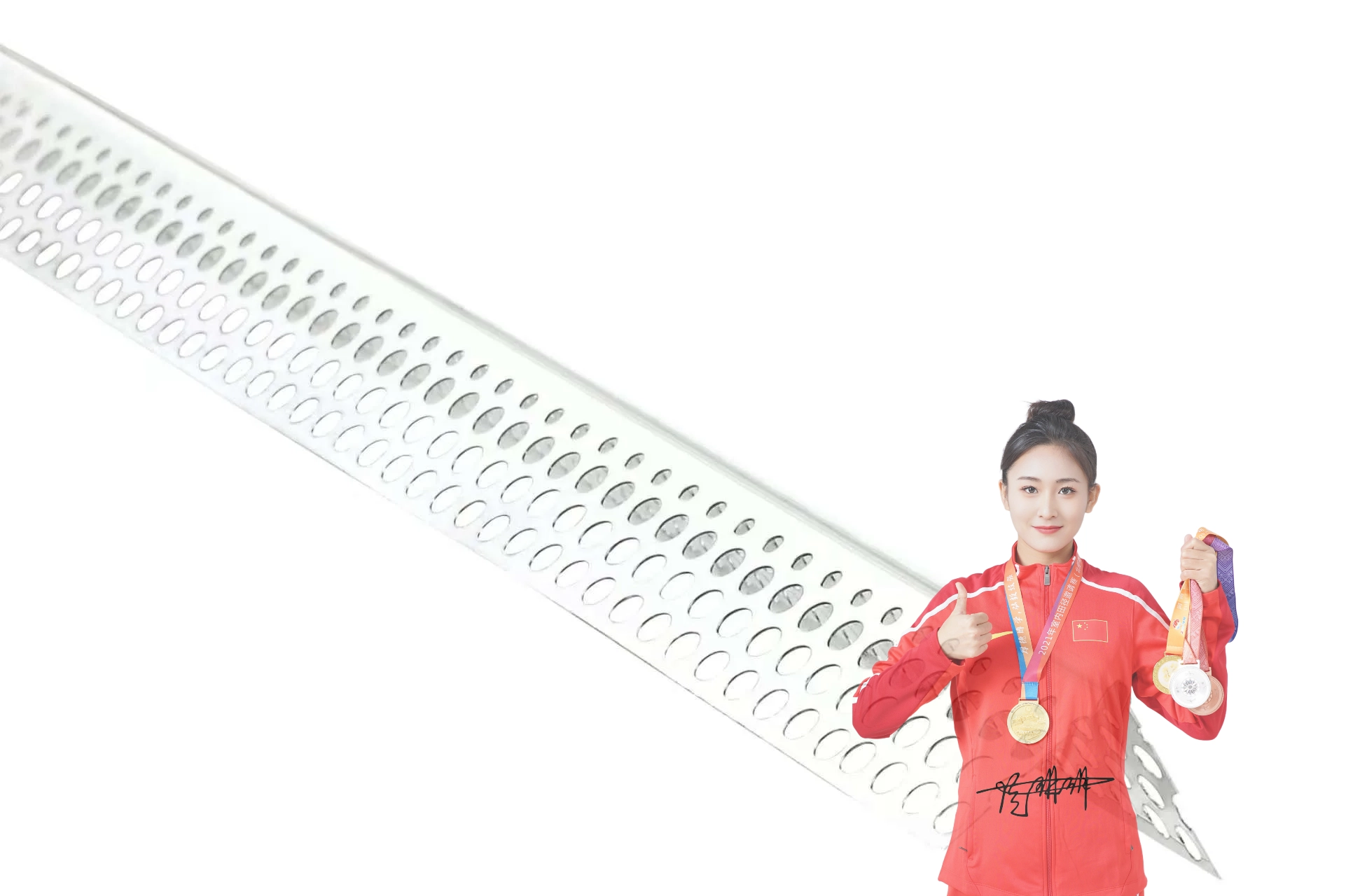
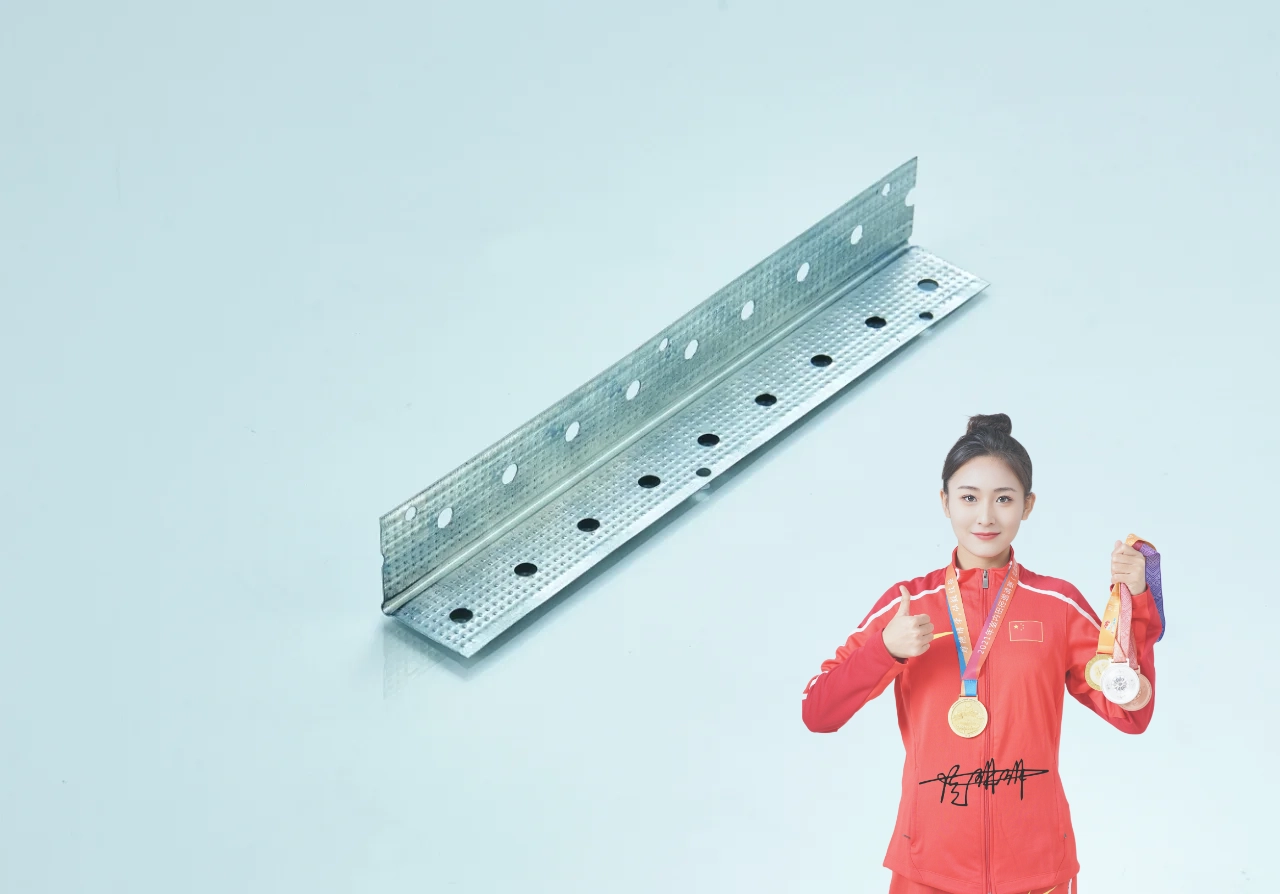
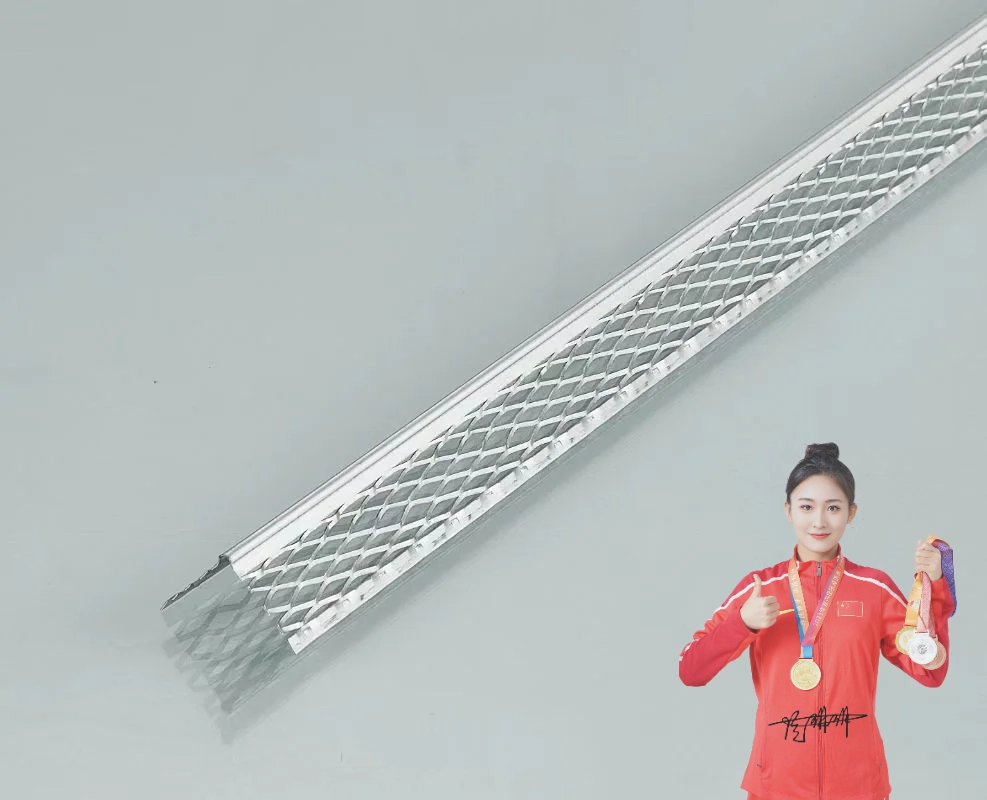
In layperson's terms, render metal mesh is a grid-like sheet made from galvanized steel or stainless steel wires. These wires are woven or welded together to create a flexible but strong surface that’s embedded into the mortar or plaster layer applied to walls. This mesh acts like the steel skeleton within concrete, giving render its grip and strength.
It’s connected intimately not only to traditional construction but increasingly to emergency shelter modules, facade renovations, and even industrial installations where lightweight, durable reinforcement is needed. NGOs working in disaster zones, architects designing sustainable buildings, and industry suppliers all rely on it. Quite simply, render metal mesh helps keep the surfaces that protect us standing longer and safer.
Mini takeaway: Think of render metal mesh as the hidden reinforcement that prevents cracks and prolongs a wall’s life.
Key Features That Make Render Metal Mesh Stand Out
Durability
Galvanization or stainless steel composition means the mesh resists corrosion—especially critical in coastal or humid environments. This longevity often outpaces non-metal alternatives, cutting down maintenance frequency.
Flexibility and Ease of Use
Unlike rigid frames, render metal mesh is lightweight and easy to cut or shape on site. This translates to faster installation times and adaptability to odd shapes or repairs.
Cost Efficiency
Though it incurs a small upfront cost, using render metal mesh reduces cracks and damage, thereby lowering long-term expenses for repairs and repainting. In large-scale projects, this savings can be surprisingly significant.
Compatibility
The mesh is versatile enough to work with various render types—cement, lime, or even synthetic plasters—making it a go-to choice for diverse projects.
Sustainability
Many manufacturers today produce render metal mesh from recycled steel, and the material itself helps extend the life of buildings, limiting waste and resource use over time.
Typical Render Metal Mesh Specifications
| Property |
Value/Range |
Notes |
| Material |
Galvanized Steel / Stainless Steel |
For corrosion resistance |
| Wire Diameter |
0.8 - 1.6 mm |
Thicker wires for higher strength |
| Mesh Size |
25x25 mm up to 50x50 mm |
Depends on application needs |
| Roll Length |
25 - 50 meters |
Custom roll sizes available |
| Weight (per m²) |
200 - 400 grams |
Lighter mesh for façade insulation |
Mini takeaway: The specs might appear mundane, but small variations in wire thickness or mesh size have big impacts on performance in different climates or situations.
Worldwide Uses & Stories from the Field
It’s fascinating how render metal mesh has played diverse roles internationally. In the Mediterranean, it’s key for retrofitting historic buildings to protect against seismic activity and weathering. Over in Asia, numerous mid-rise construction projects bank on it to speed up wall finishing without sacrificing durability. In humanitarian efforts, NGO field teams often use it to reinforce temporary housing walls in refugee camps or post-disaster shelters, providing extra protection against rough weather.
For example, after the 2015 Nepal earthquake, rapid deployment of shelter units used galvanized mesh embedded in plaster for walls, allowing quick assembly without costly bricks and mortar. In the U.S., modern architectural firms integrate render metal mesh within exterior insulation finishing systems (EIFS), offering both aesthetic appeal and weather protection for homes in hurricane zones.
Mini takeaway: Render metal mesh bridges traditional construction and emergency solutions across continents.
The Long-Term Benefits of Choosing Render Metal Mesh
Cost savings aside, there’s an emotional and social angle that engineers and architects often mention. Buildings reinforced with metal mesh contribute to community safety and comfort — people sleep better knowing their homes are more resilient. Plus, less frequent repairs mean neighborhoods stay intact, retaining value and dignity over decades.
From a sustainability standpoint, it’s also a green choice. Using recycled metals and extending building life reduces environmental impacts. It’s a rare example where technological innovation aligns with both economic and ethical goals.
Mini takeaway: Render metal mesh is a classic win-win: better budgets, safer homes, and kinder footprints.
Innovation on the Horizon: What’s Next for Render Metal Mesh?
Materials science isn’t standing still. Some manufacturers are experimenting with stainless steels infused with nano-coatings for extreme corrosion resistance, giving render metal mesh potential lifespans well beyond 50 years. Automated production lines now produce meshes customized on demand to specific architectural layouts.
Also rising: integration with render metal mesh variants that work alongside green wall systems, combining structural support with plant growth substrates to create living facades. Digital tools, like BIM (Building Information Modeling), are streamlining how architects specify and install these meshes on complex geometries—kind of like mesh that “just fits” with minimal waste.
Mini takeaway: The future meshes tech, sustainability, and design in ways that feel rather exciting.
Challenges & How Industry Pros Are Tackling Them
Admittedly, there are a few ongoing challenges. For one, improper installation can lead to corrosion shortcuts or adhesion issues, undermining the mesh’s benefits. And while cheaper mesh exists, cutting corners with lower-quality steel often backfires in the long run.
Experts suggest thorough training for applicators combined with clear standards (such as ISO 9001-certified manufacturing) and on-site quality assurance. Plus, innovations like anti-corrosion coatings and pre-cut mesh sheets have helped reduce errors and waste.
Mini takeaway: Render metal mesh isn’t failproof on its own—you need skilled hands and quality materials to really unlock its potential.
FAQ: Rendering Your Curiosities About Render Metal Mesh
- What are the main advantages of using render metal mesh over traditional wire mesh?
- Render metal mesh offers a finer grid for better plaster adherence and flexibility, which helps prevent cracks more effectively than standard wire mesh. It’s engineered specifically for rendering layers, making it easier to handle and embed.
- How long does render metal mesh typically last in harsh environments?
- When properly galvanized or stainless steel mesh is used, it can last 30 to 50 years or more, even in coastal or humid areas. The key is using corrosion-resistant materials and correct installation techniques.
- Can render metal mesh be recycled or reused?
- Yes. Most render metal mesh is made from recyclable steel, and recovered mesh can often be melted down and repurposed. Reusing in the exact same form is less common due to deformation during building use.
- Are there specific regulations that govern render metal mesh use in construction?
- Many countries refer to standards like ISO 14092 for steel mesh products, and building codes often require corrosion resistance and strength criteria to be met. Always check local standards before specifying.
Wrapping Up: Why Render Metal Mesh Deserves Your Attention
So, there you have it. Render metal mesh might be quietly embedded in your neighborhood walls or a remote shelter, but its impact is far-reaching. It makes construction cheaper, safer, and more sustainable. And as technology evolves, it promises even greater enhancements to how we build and protect our communities.
If you want to dive deeper or source quality materials, visit our website where you’ll find a comprehensive range of render metal meshes tailored for your next big project.
Vendor Comparison of Render Metal Mesh Suppliers
| Vendor |
Material Quality |
Customization Options |
Typical Lead Time |
Pricing |
| CornerBead MFR |
High-grade galvanized & stainless |
Custom roll lengths, mesh sizes |
1-2 weeks |
Competitive for bulk orders |
| BuildStrong Mesh Co. |
Standard galvanized steel |
Limited options |
2-3 weeks |
Mid-range pricing |
| EcoMetal Mesh Ltd. |
Recycled stainless steel |
Custom eco-friendly coatings |
3-4 weeks |
Premium pricing |
References:
- United Nations - World Urbanization Prospects (2018)
- World Bank - Disaster Risk Management
- Wikipedia - Building Materials