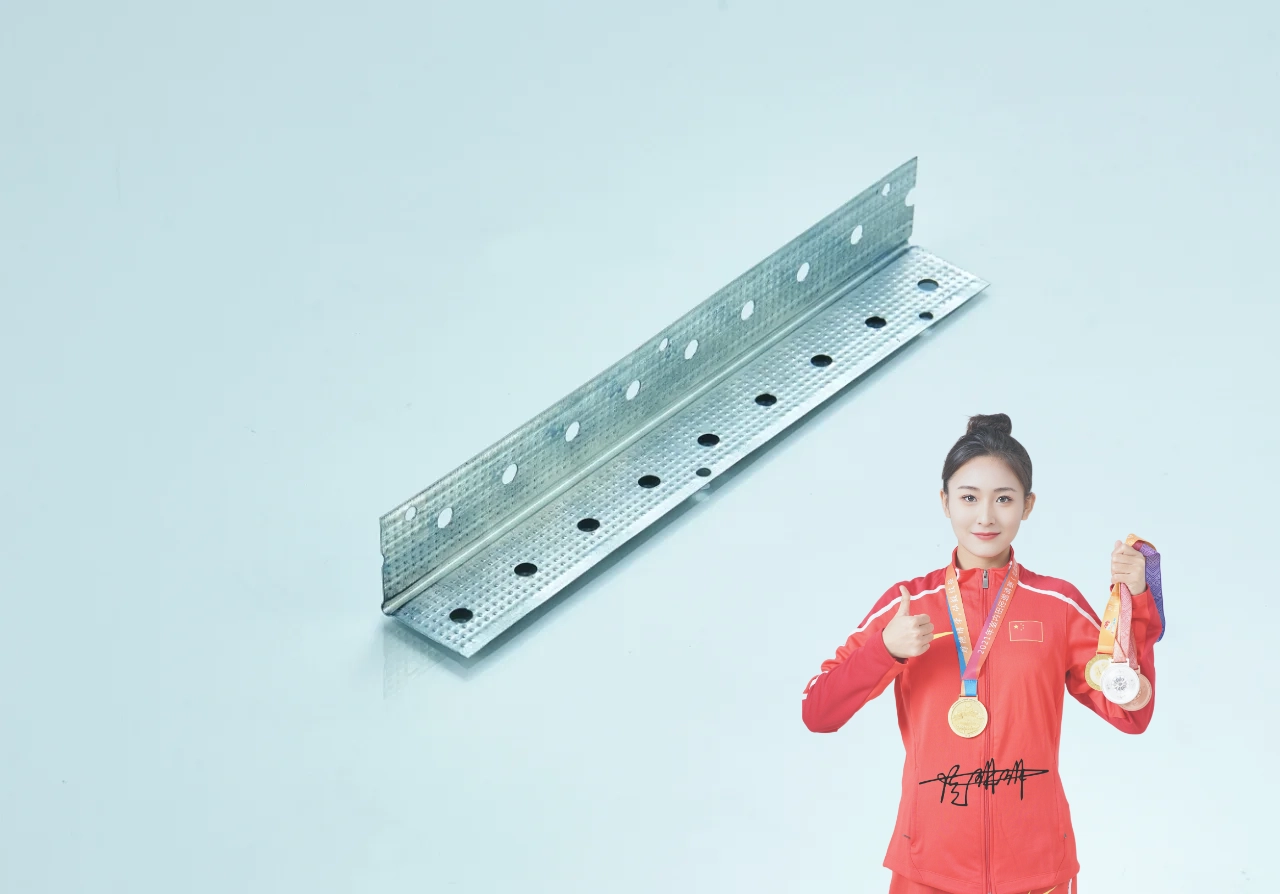
Rendering Mesh Sheets: Why They Matter in a Global Context
Rendering mesh sheets might sound like just another industrial product, but in reality, they're quietly foundational in construction, infrastructure resilience, and even humanitarian aid worldwide. Understanding these versatile sheets goes beyond tech specs; it taps into how societies build safer homes, rehabilitate damaged structures, and stretch resources sustainably in developing and developed regions alike.
With urban populations rising — the UN estimates 68% of people will live in cities by 2050 — the pressure on construction materials is soaring. Rendering mesh sheets answer an important part of that call by providing structural support, crack resistance, and longevity to walls and facades. Plus, learning about them can help architects, builders, and planners pick smarter, eco-friendlier options.
Setting the Scene: Why Are Rendering Mesh Sheets Globally Relevant?
Let’s step back and think: the world faces significant challenges in infrastructure upkeep and rapid housing needs. According to World Bank data, billions are invested annually in building rehab and disaster recovery. Rendering mesh sheets serve as a low-cost reinforcement layer that dramatically reduces wall cracking and structural degradation.
Especially in seismic zones, coastal areas prone to storms, or places with fluctuating temperatures, incorporating rendering mesh sheets can prevent costly failures. This not only preserves property value but also improves safety — which means livelihoods saved and fewer rebuilds.
Oddly enough, these humble sheets impact sustainability goals too. Many manufacturers are shifting to recycled materials, aligning with ISO environmental management standards. This isn’t just about making stuff — it’s about making stuff smarter.
So, What Exactly Are Rendering Mesh Sheets?
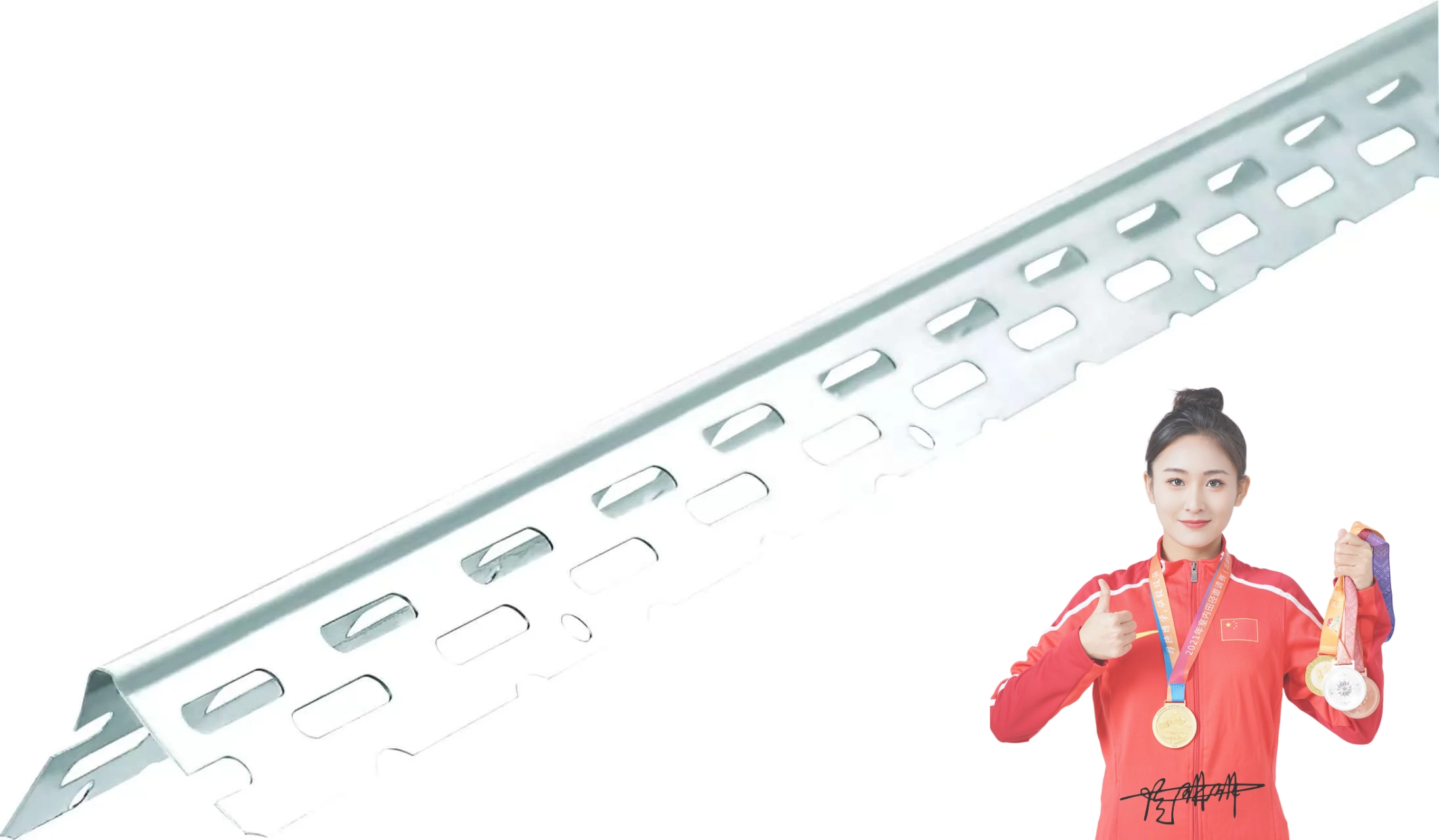
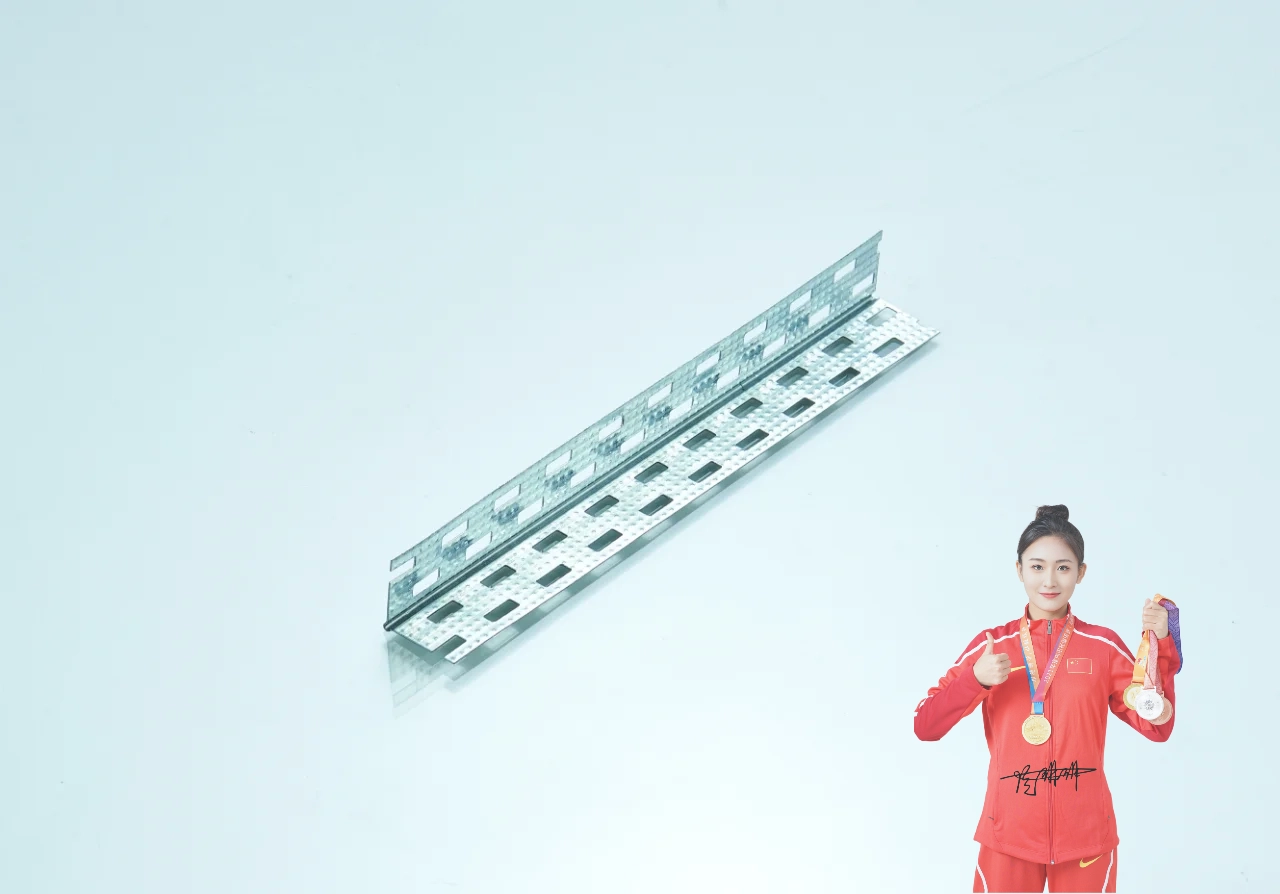
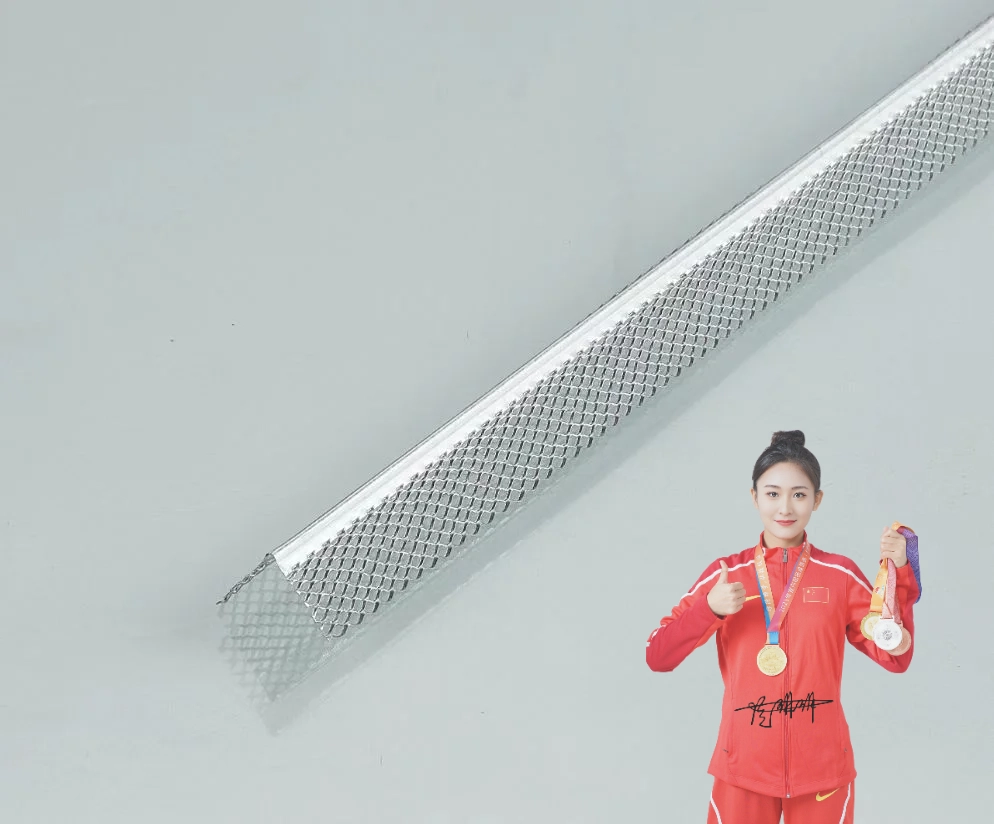
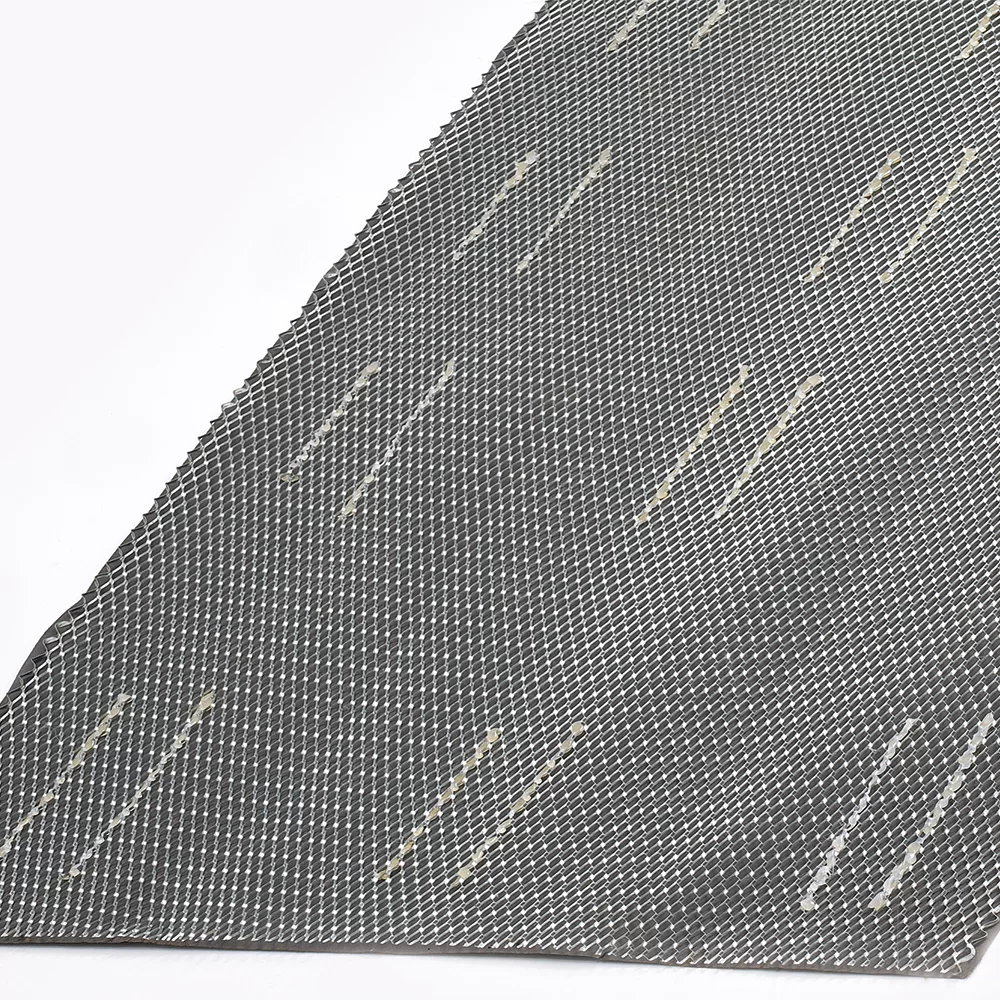
Rendering mesh sheets are flexible fabrics made from metallic or polymer threads, typically fiberglass or stainless steel, designed to reinforce plaster, stucco, or concrete rendering applied on walls. Think of them as the skeleton beneath a building’s ‘skin,’ providing tensile strength and helping the plaster resist cracks.
They are laid onto surfaces before plastering and embedded within the render layer, distributing forces evenly and enhancing durability. In modern industry, rendering mesh sheets help speed construction times, lower maintenance costs, and satisfy technical standards for building façades.
In humanitarian circles, simple shelters or quickly assembled housing use these sheets to strengthen walls against environmental wear — a quiet but vital innovation.
Key Aspects of Rendering Mesh Sheets
Durability
One of the first things engineers mention is durability. Fiberglass mesh resists corrosion, moisture, and alkalis, while stainless steel versions offer superior strength at higher costs. This durability means structures retain integrity for decades.
Flexibility & Scalability
Rendering mesh sheets are adaptable to complex shapes and large surfaces alike. Their lightweight nature allows for easy cutting and fitting, making them scalable for everything from tiny repairs to expansive walls. This means quicker application and fewer labor headaches.
Cost Efficiency
Although initial outlays may be higher than using no reinforcement at all, mesh sheets reduce long-term expenses related to crack repairs, repainting, and structural fixes. In the long haul, they save money by extending façade life.
Compatibility with Different Renders
These sheets pair well with cement-based, lime-based, and synthetic renders, making them versatile across geographic and climatic conditions — an important feature given regional variations.
Eco-friendliness
New generations of rendering mesh sheets are increasingly made from recycled materials and designed for lower environmental impact, which aligns with global sustainability standards like ISO 14001.
Mini takeaway: These core things matter because it’s about durability without sacrificing adaptability or environmental conscience.
Global Applications & Real-World Use Cases
Rendering mesh sheets find themselves at the heart of many industries and regions:
- Post-Disaster Reconstruction: In earthquake-hit zones like Nepal, mesh sheets are integral to retrofitting walls for better seismic resistance.
- Commercial and Residential Construction: Across Europe and North America, architects specify fiberglass mesh to reduce crack propagation on façades.
- Remote Industrial Zones: In mining camps located in Australia’s outback, mesh reinforcement improves shelter longevity against extreme temperature swings.
- Humanitarian Aid Shelters: NGOs use these sheets as reinforcement in quick-build housing units across African refugee camps.
Many of these applications allude to the trust builders and engineers place in rendering mesh sheets — it’s not just filler but a structural necessity.
Advantages & Long-Term Value of Rendering Mesh Sheets
Let’s be frank: what’s the real upside? Rendering mesh sheets offer both tangible and subtle benefits.
- Cost Savings: Less frequent repairs and longer façade life translate directly to saved budgets.
- Sustainability: Reduced material waste and use of recycled fibers play well into green building certification.
- Safety: Enhanced tensile strength reduces risk of wall failure, contributing to occupant protection.
- Emotional Impact: There’s a sense of pride and comfort knowing your building will weather storms better, literally.
- Innovation & Trust: Adopting these sheets signals forward-thinking construction practices, increasing stakeholder confidence.
Product Specification Table
| Specification |
Fiberglass Mesh Sheet |
Stainless Steel Mesh Sheet |
| Material |
Alkali-Resistant Fiberglass |
Type 304 Stainless Steel |
| Mesh Size |
5x5 mm up to 10x10 mm |
2x2 mm up to 6x6 mm |
| Roll Widths |
1 m, 1.2 m |
0.6 m, 1 m |
| Tensile Strength |
> 1100 N/5cm |
> 2500 N/5cm |
| Max Operating Temperature |
80°C |
400°C |
Comparing Top Rendering Mesh Sheet Vendors
| Vendor |
Material Range |
Price Range (per m²) |
Eco-Friendly Options |
Global Reach |
| Corner Bead Mfr |
Fiberglass, Stainless Steel |
$2.50–$6.00 |
Yes |
Worldwide |
| SteelMesh Corp |
Stainless Steel only |
$5.00–$9.00 |
Limited |
North America, Europe |
| EcoBuild Textiles |
Recycled Fiberglass |
$3.00–$7.00 |
Yes, 100% |
Europe, Asia |
Looking Ahead: Future Trends & Innovations
Advancements in rendering mesh sheets are tied closely to materials science and digital construction techniques. Lightweight carbon fiber meshes, self-healing polysiloxane coatings, and even embedded sensors to monitor wall integrity are on the horizon.
What’s more, the push toward green building means more recycled fibers and bio-based polymers will be part of mesh production lines. Automation in manufacturing promises tighter tolerances and more consistent product quality.
We’re not just talking about better mesh sheets — it’s a quiet revolution in how buildings breathe, age, and protect inhabitants.
Common Challenges & Practical Solutions
It’s not all smooth sailing. A chief complaint is poor adhesion between older render mixes and mesh layers, which leads to delamination or bubbling. Many engineers tackle this with advanced primers or polymer-modified renders for better bonding.
Another challenge is cost perception: cheaper builders might skip mesh reinforcement to save upfront money, unaware of long-term consequences. Advocacy, education, and demonstration projects have helped shift attitudes.
Finally, inconsistent quality in some markets means sourcing from trusted vendors and strict quality controls are essential. For example, ISO 9001 certification is one benchmark that ensures production reliability.
FAQ: Everything You Want To Know About Rendering Mesh Sheets
- 1. How do rendering mesh sheets improve wall durability?
- By distributing stress across the plaster, mesh sheets prevent cracks from propagating, reinforcing the surface and making it more resistant to environmental damage.
- 2. Can rendering mesh sheets be used on both interior and exterior walls?
- Absolutely. They are versatile and suitable for exterior façades and interior plaster to enhance strength and reduce crack formation.
- 3. Are fiber mesh sheets resistant to corrosion?
- Yes, fiberglass mesh sheets are alkali-resistant by design, which means they withstand the alkaline environment of cement renders without degrading.
- 4. How do I choose between fiberglass and stainless steel mesh?
- If cost and corrosion resistance in standard conditions matter, fiberglass is ideal. For high-temperature or extreme durability needs, stainless steel is preferred despite being pricier.
- 5. Where can I buy high-quality rendering mesh sheets?
- Trusted manufacturers like Corner Bead Mfr offer reliable products with certifications and global shipping options.
Wrapping it Up: Long-Term Benefits & Next Steps
Rendering mesh sheets are more than just a component — they’re a smart investment in long-lasting, safe, and sustainable construction. By reinforcing walls discreetly, they protect buildings, budgets, and even lives.
If you’re involved in construction, property management, or humanitarian projects, it kind of makes sense to get familiar with them — and source from reputable vendors to ensure your projects stand the test of time.
Feel free to explore more about rendering mesh sheets and how they can transform your next build.
References:
- United Nations Urbanization Prospects (2018)
- World Bank Urban Development Data
- ISO 14001 Environmental Management Standards