Understanding the Small Hole Mesh Sheet: Why It Matters Globally
If you’re working in industries from construction to environmental engineering, or even disaster relief logistics, chances are you’ve come across the term small hole mesh sheet. It might sound straightforward, but these versatile sheets with their tiny perforations play a surprisingly crucial role worldwide. Understanding what they do — and why they matter — opens up a whole host of benefits: improved filtration, enhanced security, efficient material separation, and helping communities with essential infrastructure needs.
Globally, small hole mesh sheets are embedded in manufacturing and civil projects, yet their importance often flies under the radar. Grasping their unique properties can improve product design and sustainability outcomes pretty much everywhere from urban centers to remote areas.
The Global Context of Small Hole Mesh Sheets
Small hole mesh sheets show up in some unexpected places. According to the International Organization for Standardization (ISO), applications ranging from water treatment plants to architectural facades rely on materials defined by their tiny apertures for filtration or aesthetic purposes.1 Coupled with data from the United Nations Environment Programme, it's clear that well-designed mesh sheets bolster infrastructure resilience — especially where safe water access and clean air are priorities.
But here’s the rub: as industries globalize, the demand for precisely engineered mesh sheets grows exponentially, while at the same time, supply chain challenges and material costs raise obstacles. The small hole mesh sheet addresses these by offering scalable solutions to filtration, safety, and design challenges — supporting everything from environmental control to industrial safety.
Defining the Small Hole Mesh Sheet
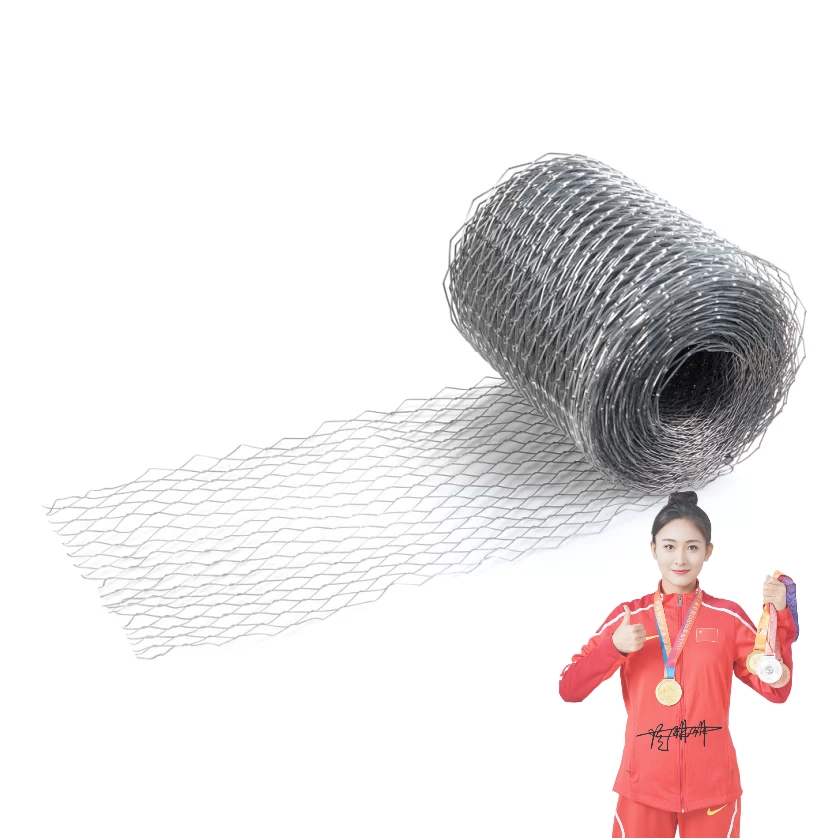
So what exactly makes a mesh “small hole”? Simply put, it’s a sheet of woven or perforated material — typically metal or polymer — with uniformly tiny openings, often measured in microns or millimeters. These holes are small enough to filter out unwanted particles or serve as a barrier, yet large enough to allow air, liquids, light, or sound to pass through.
Think of it as a smart sieve or barrier tailored to specialized needs. It’s essential in modern industry for sieving powders, screening debris, or even as an architectural element allowing light and ventilation while maintaining security. NGOs and engineers have increasingly relied on small hole mesh sheet products when designing modular shelters or water purification devices in humanitarian operations.
Core Components and Key Factors of Small Hole Mesh Sheets
1. Durability
Many professionals emphasize that durability is non-negotiable. After all, these sheets can be exposed to harsh weather, chemicals, or constant abrasion. Stainless steel meshes often prevail here due to corrosion resistance, especially in marine or chemical industries.
2. Precision of Aperture Size
The exact size and consistency of the holes determine the mesh's effectiveness — whether you’re screening micron-sized contaminants or preventing insect entry in public health projects. Advanced weaving or punching technologies now ensure microscopic uniformity that wasn’t possible decades ago.
3. Material Variety
Small hole mesh sheets come in metals (steel, aluminum, copper alloys), plastics, and even specialty composites, each suited for distinct environments. Oddly enough, polymer meshes, while less rugged, can be more flexible and lighter, useful in temporary setups or packaging.
4. Scalability and Customization
Whether a supplier can deliver sheets in large rolls or custom panels influences adoption. In large infrastructure projects, scalability is crucial for cost efficiency. Meanwhile, small batch custom manufacturing serves specialist applications, like scientific labs or bespoke architectural features.
5. Cost Efficiency
Balancing quality with price is always tricky. Small hole meshes’ cost hinges on raw materials, aperture precision, and manufacturing techniques. Yet, the right selection can reduce waste and extend equipment life, delivering long-term savings that many engineers admire.
Mini Takeaway:
These six factors together shape why small hole mesh sheets are not just materials — they’re solutions, bridging durability, precision, and versatility across sectors.
Real-World Applications That Showcase Their Global Reach
- Water Filtration Systems: Small hole mesh sheets help trap sediments and pathogens, especially critical in developing regions improving clean water accessibility.
- Construction & Architecture: Facades and ventilation panels use small hole meshes for airflow and safety; examples include the innovative public buildings in Scandinavia that marry function and form.
- Industrial Screening: Mining and food processing sectors employ these meshes to separate materials, ensuring quality control and worker safety.
- Humanitarian and Disaster Relief: NGOs in areas like Southeast Asia use small hole mesh sheets in modular shelter designs to protect inhabitants against insects and airborne dust.
- Electronics Cooling: Mesh panels protect hardware from foreign objects while allowing heat dissipation, critical as devices shrink in size but grow in power.
In post-disaster zones like those affected by cyclones, small hole mesh sheets have enabled quick assembly of hygienic living spaces that balance protection and breathability — a detail that truly impacts survivor well-being.
Mini Takeaway:
Whether in a high-tech factory in Germany or a rural clinic in Kenya, small hole mesh sheets quietly support infrastructure and human dignity alike.
The Long-Term Advantages of Small Hole Mesh Sheets
It feels like every engineer and project manager is hunting for solutions that last — not just in terms of lifespan, but also in minimizing environmental impact and maintenance hassle.
- Cost Savings: Reduced replacement frequency and smarter filtration reduce overall project expenses.
- Sustainability: Durable materials lower landfill waste, and recyclable metals align with circular economy goals.
- Social Impact: Safer, cleaner environments promote health — particularly vital in vulnerable communities.
- Reliability & Trust: Consistent performance builds user confidence and supports regulatory compliance.
Tangibly, these benefits translate into safer workplaces, cleaner drinking water, and longer lifespan for machinery — which inevitably boost both morale and productivity.
Future Trends: Innovations and Emerging Technologies
As green energy and digitalization sweep industries, small hole mesh sheets adapt too. We’re seeing:
- Nano-Engineered Meshes: Enhanced filtering capabilities through nanotechnology could revolutionize air and water purification.
- Smart Materials: Embedded sensors in mesh sheets capable of real-time monitoring for wear or contamination.
- Eco-friendly Composites: Development of biodegradable or recycled polymer meshes reduces environmental footprint.
- Automation in Manufacturing: Robotics enable high-precision, cost-effective production tailored to specific industrial needs.
In short, the mesh sheets of tomorrow could contribute directly to smart city infrastructure and climate-resilient construction.
Overcoming Challenges Faced with Small Hole Mesh Sheets
Despite their versatility, practical issues persist. Material fatigue, clogging, or affordability in low-income regions require attention.
- Challenge: Abrasion and corrosion can degrade performance fast in certain chemicals or salty environments.
- Solution: Advances in coatings and alloy development are extending service life remarkably.
- Challenge: Small holes tend to clog, reducing efficiency.
- Solution: Periodic backflushing techniques and self-cleaning meshes reduce downtime.
- Challenge: Import restrictions and logistics slow deployment of specialized sheets in disaster zones.
- Solution: Localized manufacturing partnerships and modular designs simplify distribution.
Frequently Asked Questions About Small Hole Mesh Sheet
- What is the typical hole size in a small hole mesh sheet?
- Hole sizes usually range from around 0.1 mm to several millimeters, depending on the application. For filtration or insect control, the smaller the aperture, the better the protection or separation.
- How does material choice affect mesh sheet performance?
- Material dictates durability, corrosion resistance, and flexibility. Stainless steel is preferred for harsh conditions, while plastics may suit lightweight or temporary needs.
- Can small hole mesh sheets be customized?
- Absolutely. Vendors offer custom aperture sizes, sheet dimensions, and materials to meet specific project demands, enabling wide-ranging industrial and architectural uses.
- Are these mesh sheets expensive to maintain?
- Maintenance costs vary, but proper selection and cleaning can greatly extend service life, often making them cost-effective compared to alternatives.
- How can I source small hole mesh sheets for humanitarian projects internationally?
- Working with providers experienced in global logistics and modular design is key. Many suppliers offer tailored solutions and help navigate customs and shipping challenges.
Product Specifications: Typical Small Hole Mesh Sheets
| Specification |
Range / Details |
| Material |
Stainless Steel 304/316, Aluminum, Polypropylene |
| Hole Size |
0.1 mm – 5 mm |
| Sheet Thickness |
0.2 mm – 3 mm |
| Sheet Dimensions |
Up to 2 m wide; custom lengths |
| Finish |
Polished, matte, coated (anti-corrosion) |
Vendor Comparison for Small Hole Mesh Sheets
| Supplier |
Material Options |
Lead Time |
Customization |
Global Shipping |
| CornerBead Mfr |
SS, Aluminum, PP |
2-3 weeks |
High - Custom sizes & finishes |
Yes, worldwide |
| Global Mesh Solutions |
SS, Carbon Steel |
4-5 weeks |
Medium - Standard options |
Selective regions |
| EcoMesh Inc. |
Recycled Polymers |
1-2 weeks |
Low - Fixed specs |
Domestic only |
Wrapping Up: A Quiet Hero in Industry and Humanity
Honestly, the small hole mesh sheet may seem like a simple component, but its global significance is profound. These sheets enhance safety, improve quality, and help protect both the environment and vulnerable populations. For anyone curious about bridging engineering with real-world needs, they’re an excellent place to start.
For those ready to explore tailored solutions or need expert advice on sourcing the perfect mesh for any application, remember to visit our website. The future of small hole mesh technology is both bright and vital — and frankly, I’m excited to see where it goes next.
References
- International Organization for Standardization (ISO) - Mesh standards
- United Nations Environment Programme (UNEP) - Infrastructure and sustainability
- Wikipedia - Wire mesh for general understanding