Unpacking Stucco Diamond Mesh: Why It Matters Worldwide
If you're in construction, renovation, or even sustainable housing, you might've bumped into the term stucco diamond mesh. But what is it really, and why's everyone buzzing about it globally? Think of it as the unsung hero reinforcing walls everywhere, from luxury homes in Europe to post-disaster shelters in Asia. This lightweight, durable mesh counters cracks, boosts structural integrity, and even cuts down labor costs. Understanding it isn’t just a matter of curiosity—it’s a step toward smarter, safer building practices.
Stucco Diamond Mesh in a Global Context: The Backbone of Resilient Construction
Around the world, urbanization is booming. According to the UN, 68% of the global population will live in cities by 2050—meaning construction needs to be faster, smarter, and more sustainable. Yet, traditional stucco applications often suffer from cracking or premature failure due to weather and stress.
Here’s where stucco diamond mesh steps up. By reinforcing plaster and stucco layers, it reduces repair frequency and extends the life of exterior finishes. The World Bank estimates that weather-resistant building materials can cut reconstruction costs up to 30% in disaster-prone regions. Frankly, in places facing extreme climates or seismic activity, enhancements like these aren’t just helpful; they're vital.
What Exactly is Stucco Diamond Mesh?
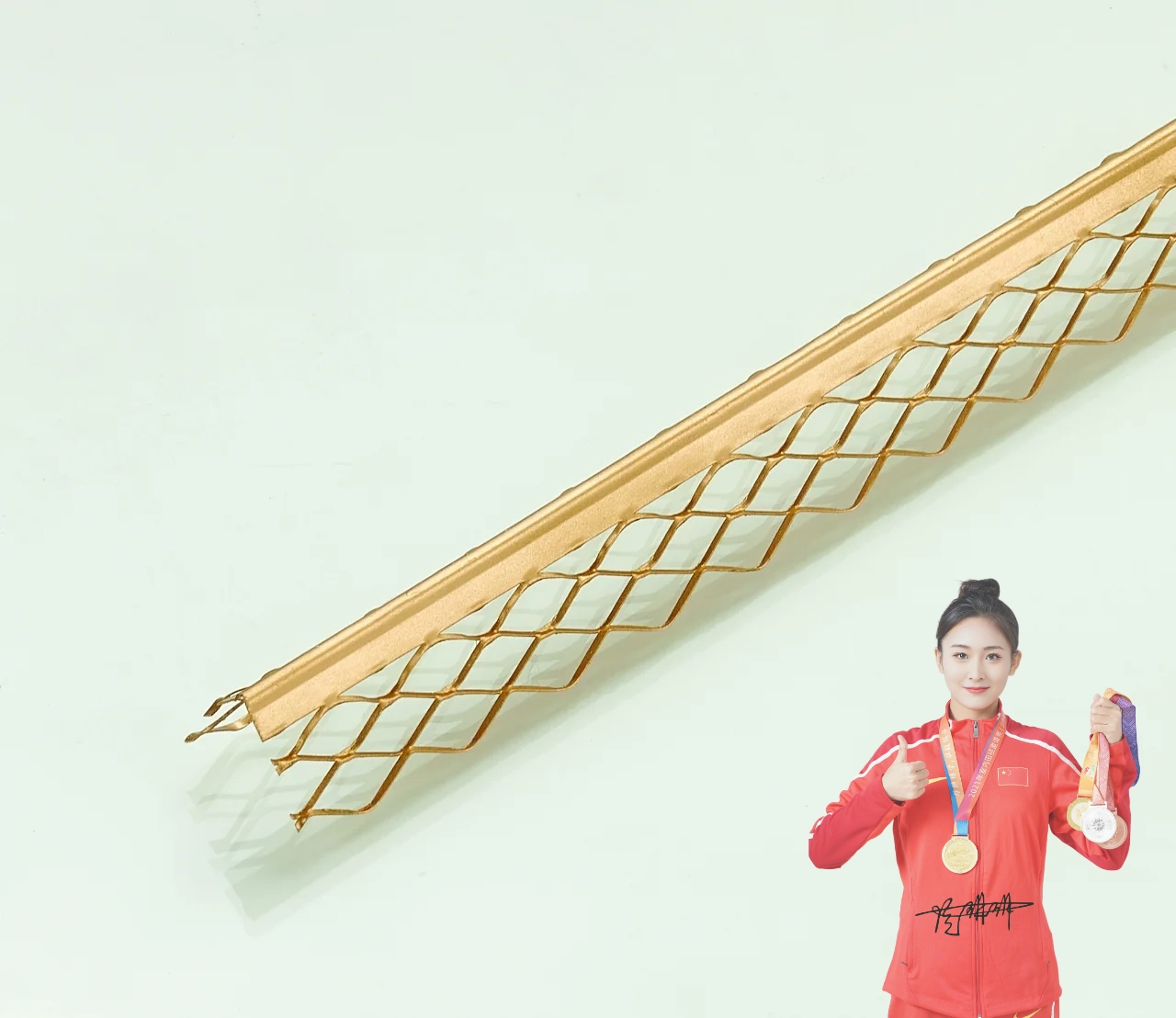
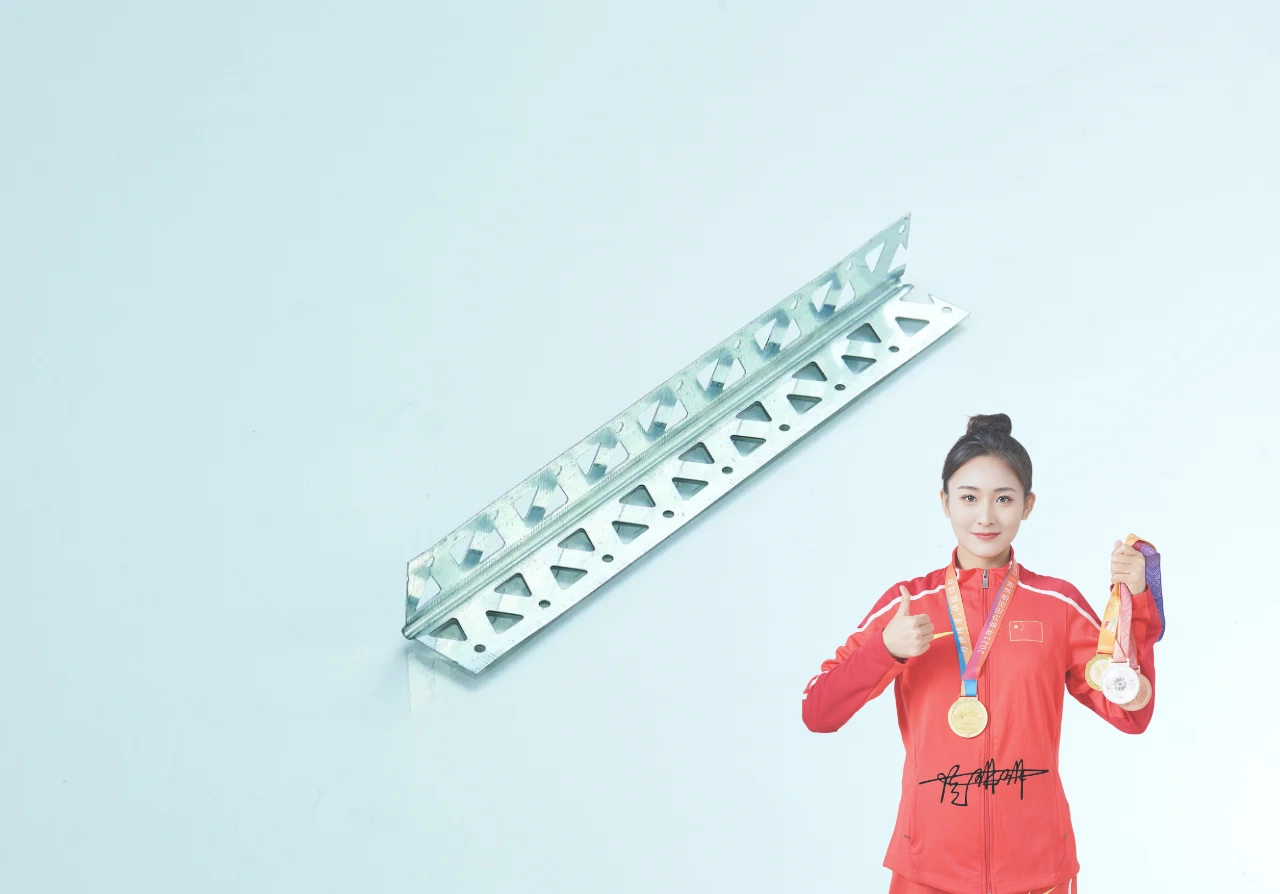
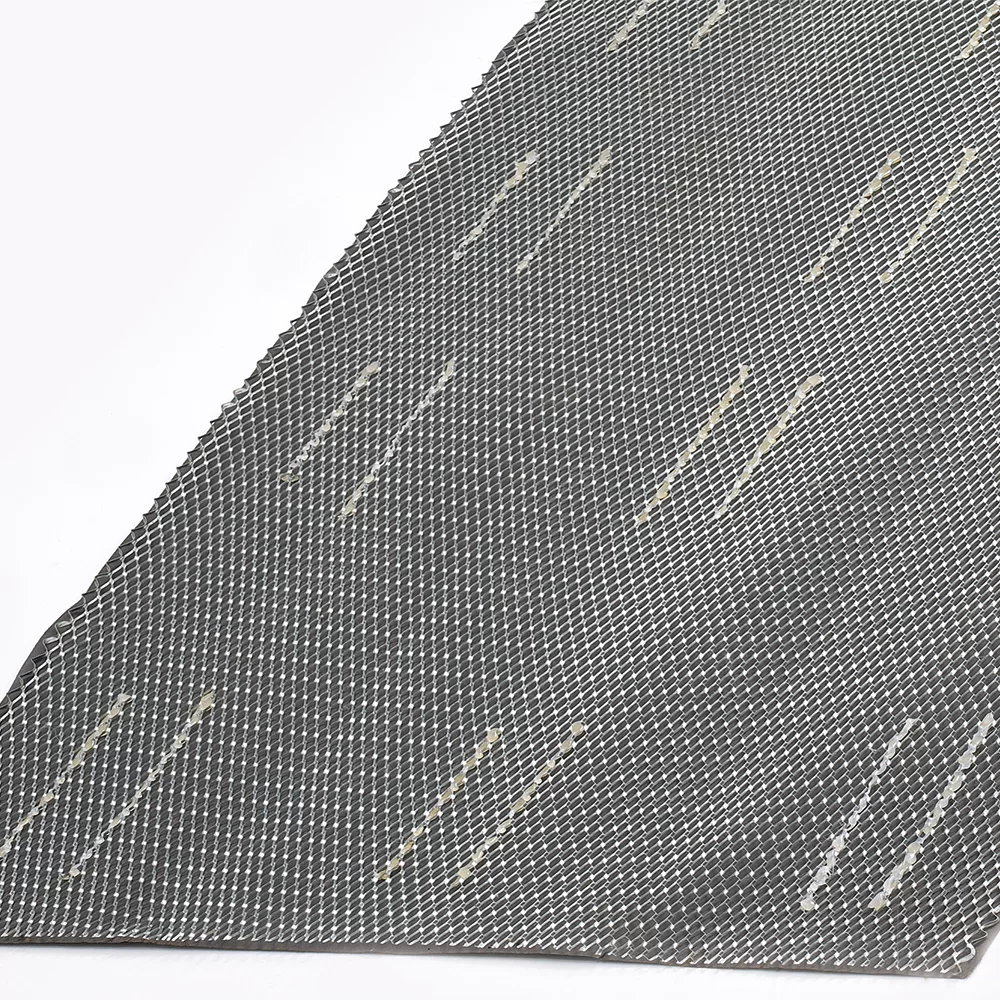
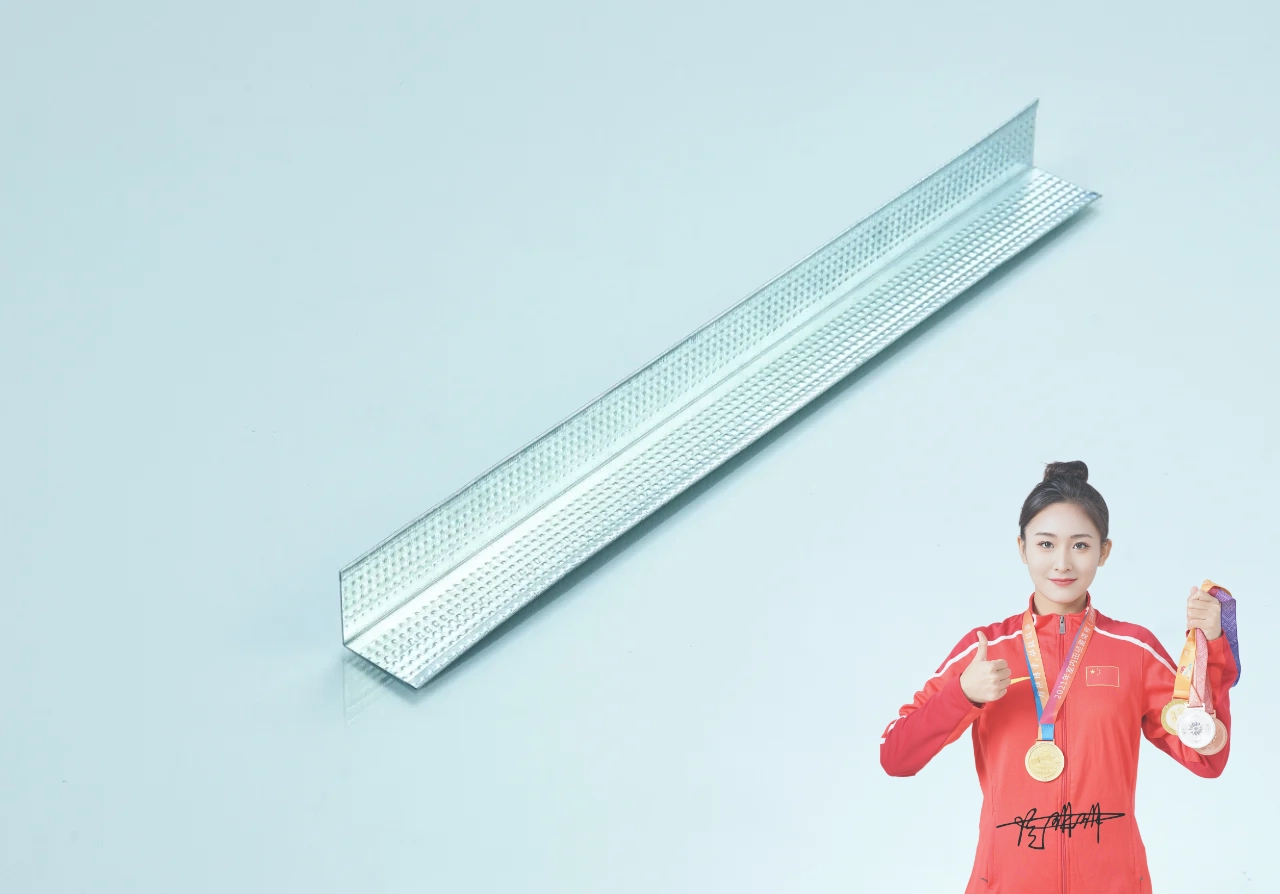
Put simply, stucco diamond mesh is a galvanized or fiberglass mesh featuring a diamond-shaped weave. It's embedded into wet stucco or plaster layers during external or internal wall finishes, acting as a skeleton to hold the material together. This prevents cracking, improves impact resistance, and enhances the stucco’s flexibility.
Originally developed for construction durability, it’s now crucial for addressing modern challenges—think rising temperatures, shifting soils, or even humidity fluctuations that cause materials to degrade faster. Plus, in humanitarian contexts, this kind of reinforcement helps build safer, longer-lasting shelters, playing a surprisingly central role in emergency housing design.
Key Factors Behind Stucco Diamond Mesh’s Effectiveness
1. Durability and Corrosion Resistance
Most meshes are galvanized, which means they resist corrosion—a must when plaster traps moisture. Fiberglass variants offer acid and alkali resistance. Essentially, this is about long-term protection, so walls don’t crumble when exposed to elements over years.
2. Flexibility and Crack Prevention
The diamond weave pattern is optimized to distribute stress evenly across surfaces, reducing hairline cracks. Many engineers say this pattern allows walls a bit of “breathing room” when shifting or settling happens.
3. Lightweight and Easy to Handle
Unlike heavy metal reinforcements, stucco diamond mesh is light and easy to cut. This saves labor time and makes installation straightforward—benefits especially important in large-scale projects or rapid deployment.
4. Cost Efficiency Over Time
Initial costs are often offset by fewer repairs and longer-lasting finishes. Over a building’s life cycle, this amounts to real savings, especially in harsh environments.
5. Compatibility With Other Materials
It bonds well with a variety of stucco mixes—traditional cement-based, synthetic polymer blends, or even lime-rich plasters—making it a versatile choice for architects and builders alike.
Mini Takeaway:
Stucco diamond mesh might seem like a simple product, but it weaves durability, flexibility, and cost-effectiveness into one neat package that suits both the seasoned contractor and the disaster relief teams building shelters in tricky climates.
Where is Stucco Diamond Mesh Transforming Construction?
Its global footprint is surprisingly broad. In earthquake zones like Japan or California, it helps buildings resist cracking during tremors. Southeast Asia uses it extensively in affordable housing initiatives, where strong yet breathable walls help reduce mold in humid climates. In Middle Eastern countries, the mesh supports buildings that face intense heat swings, preventing surface damage.
In reality, the mesh finds a home anywhere stucco or plaster is a key finishing material. From elegant restorations in Europe to remote industrial settlements in South America, it’s the quiet guardian against the common enemies: cracks and moisture.
Mini Takeaway:
With applications spanning continents and climates, stucco diamond mesh proves its value in both million-dollar homes and fast-built refugee shelters alike.
Product Specifications: A Quick Reference
| Specification |
Typical Value |
Notes |
| Material |
Galvanized Steel or Fiberglass |
Fiberglass for corrosive environments |
| Mesh Opening Size |
2 x 2 mm (diamond shape) |
Allows optimal plaster penetration |
| Roll Length |
50 to 100 meters |
Varies by manufacturer |
| Roll Width |
0.5 to 1.2 meters |
Fits typical wall panels |
| Weight per Roll |
0.5 to 1.5 kg |
Lightweight for easy transport |
How Vendors Stack Up: A Quick Comparison
| Vendor |
Material Options |
Customization |
Pricing |
Lead Time |
| Corner Bead Mfr. |
Galvanized Steel, Fiberglass |
Roll width and length |
Mid-range |
2-3 weeks |
| Global Mesh Co. |
Galvanized Steel only |
Standard sizes only |
Competitive |
1-2 weeks |
| FibroNet Solutions |
Fiberglass only |
Custom mesh density |
Premium |
4 weeks |
The Big Benefits and Long-Term Value of Stucco Diamond Mesh
Aside from the obvious structural support, this mesh brings long-lasting financial benefits. Fewer repairs mean building owners save on maintenance budgets. Emotionally? It boosts confidence in building safety — a feeling every homeowner or tenant appreciates.
Socially, it promotes dignity by improving living conditions, especially in temporary shelters or low-income housing. Also, many manufacturers now offer eco-friendly fiberglass meshes that align with sustainability goals—definitely a nod to future-conscious construction.
Looking Ahead: Innovations Shaping Stucco Diamond Mesh
Interestingly, the next chapter for stucco diamond mesh involves nanocoatings to improve water repellency. Also, bio-based polymers could replace fiberglass for fully recyclable products someday.
Automation in production is cutting costs, while digital mapping tools help optimize mesh placement on complex surfaces—think curved facades or retrofit projects. These advances mean better durability, less waste, and smarter, greener construction overall.
Challenges and How Experts Are Tackling Them
That said, some challenges persist—such as compatibility with newer plaster formulas or unexpected corrosion if improperly installed. To counteract this, engineering teams recommend thorough surface prep and quality checks on materials before application.
Also, cost concerns for premium fiberglass mesh lead some to mix materials, balancing price and performance. There’s definitely room for growth, but the industry’s proactive in refining best practices.
FAQ: Practical Questions About Stucco Diamond Mesh
- Q: Can stucco diamond mesh be used on interior walls?
A: Absolutely. It’s commonly applied on internal stucco finishes, especially where walls might be prone to cracking due to settling or temperature changes.
- Q: How do I choose between galvanized steel and fiberglass mesh?
A: For areas exposed to moisture or corrosive agents, fiberglass mesh is preferred. Otherwise, galvanized steel offers robustness at a typically lower cost.
- Q: Is it hard to install stucco diamond mesh?
A: Not at all. It’s lightweight and easy to cut. Most contractors find it straightforward to embed within wet plaster layers.
- Q: Can I order custom-sized rolls?
A: Many vendors, including Corner Bead Mfr., offer customization to suit specific project needs.
- Q: Does using stucco diamond mesh contribute to green building certifications?
A: Yes, especially when choosing fiberglass mesh with recycled content—it can support credits related to durability and resource efficiency.
Wrapping Up: Why Stucco Diamond Mesh Is a Smart Choice
So, if you’re aiming for construction that stands the test of time – and Mother Nature – stucco diamond mesh is well worth your attention. Beyond just preventing cracks, it’s about building smarter, cutting costs, and even contributing to a better environment. Take a closer look at stucco diamond mesh, and perhaps it’s time to weave this little hero into your next project.
References & Further Reading
- United Nations – World Urbanization Prospects (2018)
- World Bank – Urban Development Overview
- Wikipedia – Stucco