Why Plaster Steel Mesh Matters in Today’s Global Construction Scene
Ever paused to think about what keeps walls standing strong against weather, time, and sometimes even disaster? Plaster steel mesh might not be a household phrase, but in the world of modern construction and humanitarian aid, it’s pretty much a secret hero. This lightweight, flexible, and durable material serves as a reliable backbone for plaster applications all across the globe.
The industry’s interest in plaster steel mesh has surged partly because of its cost efficiency, rapid deployment capabilities, and sustainability attributes. With global urbanization rates accelerating (the UN estimates nearly 68% of people will live in cities by 2050 (1)), demands for robust, adaptable construction materials have become critical. Plaster steel mesh represents an answer that builds not only walls but also hope—especially in regions facing tough rebuilding challenges after natural disasters or rapid development pressures.
Understanding Plaster Steel Mesh: What Is It Exactly?
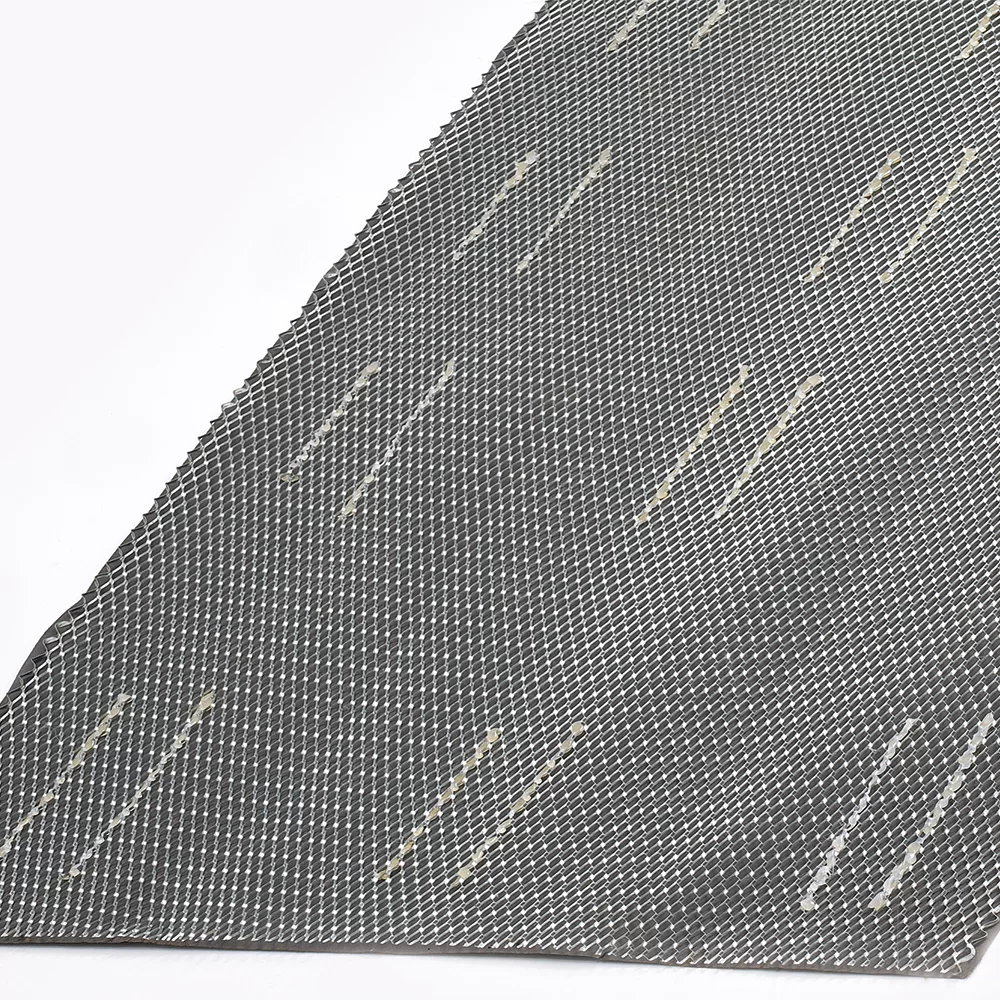
Put simply, plaster steel mesh consists of galvanized or stainless steel wires woven or welded into a grid pattern. It provides a framework for plaster or stucco finishes, ensuring an even, crack-resistant surface. So, it’s not just about sticking plaster on a wall; it’s about creating a composite structure that lasts.
Beyond the building arena, plaster steel mesh plays a key role in humanitarian relief, offering a quick way to reinforce temporary shelters or repair damaged infrastructure. Think of it as the unsung enabler behind countless resilient homes worldwide. Link it up to things like plaster steel mesh, and you start to glimpse the blend of engineering and on-the-ground impact.
Core Components and Key Properties of Plaster Steel Mesh
Durability and Corrosion Resistance
With steel at its core, durability is a given, but what really counts is the treatment: galvanization or coating to resist rust. This means your plaster finish doesn't just flake off at the first sign of rain or humidity. It’s a bit like putting a raincoat on steel – essential for both indoor and outdoor applications.
Flexibility and Workability
You might think steel mesh is rigid and awkward — but modern designs offer surprising flexibility. This makes plaster steel mesh easy to cut, shape, and fit into unusual corners or curved walls. It’s a huge advantage for architects wanting a bit of flair without sacrificing strength.
Cost Efficiency
When budgets are tight, materials that reduce plaster cracking and rework time indirectly save money. Most contractors report quicker application and less waste — critical benefits especially in large-scale projects where every minute counts.
Scalability & Standardization
Standard mesh sizes (roughly around 1” x 1” openings but customizable) make textures consistent and ensure compatibility with multiple plaster types — be it cement-based or synthetic. It helps construction sites scale up from individual homes to entire apartment blocks quickly.
Environmental Considerations
Many manufacturers now prioritize eco-friendly coatings and recycled steel sources. Using plaster steel mesh can cut the need for thick plaster layers, reducing material consumption and carbon footprint in the long term — a tiny but meaningful win for sustainable construction trends.
Typical Plaster Steel Mesh Specifications
| Specification |
Details |
| Material |
Galvanized Steel / Stainless Steel |
| Mesh Opening Size |
Approximately 25mm x 25mm (1” x 1”) |
| Wire Diameter |
0.8 – 1.6 mm |
| Roll Size (Typical) |
1m x 50m or customizable |
| Corrosion Protection |
Hot-Dip Galvanized or Zinc Coated |
| Weight per m² |
~ 600 – 900 grams |
Where Does Plaster Steel Mesh Really Make a Difference? Global Applications
Plaster steel mesh is everywhere — from sprawling urban centers to remote industrial or humanitarian zones. In Southeast Asia’s bustling cities, it fortifies apartment buildings enduring torrential monsoons. Meanwhile, in post-earthquake Haiti or Nepal, NGOs rely on it to stabilize emergency shelter walls quickly.
Oddly enough, some harsh desert areas in the Middle East also use plaster steel mesh in cooling wall systems — combining traditional plaster with mesh reinforcement to crack-proof facades exposed to severe temperature swings.
Even industries beyond construction use it for specialized coatings or protective layering, although that’s a bit less common. If you stretch a bit, the mesh concept shows up in everything from molding to arts and crafts — a testament to its versatility.
Comparison of Top Plaster Steel Mesh Vendors
| Vendor |
Material Options |
Customization |
Pricing Tier |
Lead Time |
| Corner Bead Mfr |
Galvanized & Stainless Steel |
Custom mesh sizes & wire diameters |
Mid |
1–2 weeks |
| Global Mesh Supply |
Galvanized steel only |
Limited options |
Budget |
3–4 weeks |
| SteelNet Pro |
Premium galvanized & stainless |
Wide customization, quick turnaround |
Premium |
1 week |
The Long Game: Advantages and Enduring Value of Plaster Steel Mesh
The real beauty lies in how plaster steel mesh transforms a simple plaster layer into a resilient, dependable shell. Practically, it means fewer cracks and repairs, smoother finishes, and longer structural life. Emotionally? Think safety, dignity, pride in a sturdy home. A client I spoke with recently in a Southeast Asian construction firm basically said, "It saves our skins after every typhoon," which sums up the peace of mind the mesh lends.
From a sustainability angle, using this mesh reduces plaster waste and energy-intensive repairs. This adds up to a smaller carbon footprint — an aspect more companies are factoring into projects, especially with ISO environmental standards pushing green construction practices (2).
Where Is Plaster Steel Mesh Headed? Future Trends
I often chat with engineers who are excited about integrating digital fabrication—like laser-cut mesh panels tailored via BIM (Building Information Modeling) data. Combining plaster steel mesh with emerging green materials (such as bio-based coatings) also feels promising.
Automation is creeping in, helping produce consistent, defect-free mesh rolls, speeding delivery cycles. Plus, as countries tighten sustainability clauses, expect more recycled steel and eco-friendly galvanizing processes—small steps toward big environmental wins.
Facing Challenges and Navigating Solutions
No product is perfect, right? Plaster steel mesh sometimes struggles with incompatibility if plaster isn’t applied properly—leading to “blow-offs” or delamination. Also, in very humid or saline coastal zones, even galvanized mesh can corrode if coating quality slips.
Solutions? Expert installation and specifying premium coatings matter. Some companies experiment with stainless steel mesh for high-corrosion areas, though costlier, while others develop hybrid polymer-metal meshes to blend flexibility and durability. It feels like ongoing innovation, as you’d expect.
FAQ: Practical Questions About Plaster Steel Mesh
Q1: How long does plaster steel mesh reinforced walls typically last?
With proper installation and maintenance, plaster steel mesh reinforced walls can easily last 25 years or more. Factors like climate, quality of steel, and plaster type influence durability. Enhanced corrosion protection dramatically extends life, especially indoors.
Q2: Is plaster steel mesh suitable for both residential and commercial projects?
Absolutely. Its scalability and customizable sizes make it ideal for various scales—from home renovations to large commercial façades. Many engineers prefer it precisely because it adapts well to different plaster formulations.
Q3: Can plaster steel mesh reduce plaster cracking?
Yes, that’s one of its primary purposes. By distributing stress evenly across the surface, the mesh prevents common cracking caused by settling, temperature changes, or vibrations.
Q4: How quickly can I get plaster steel mesh for a large project?
Lead times vary by supplier and customization level but typically range from 1 to 4 weeks. Vendors like Corner Bead Mfr offer relatively quick turnaround on standard options.
Q5: Is there a premium for stainless steel mesh over galvanized steel?
Yes, stainless steel costs more upfront but offers superior corrosion resistance and longevity, often making it a cost-effective choice in harsh environments.
Wrapping It Up: Why Plaster Steel Mesh Is More Than Just a Building Material
In the big picture, plaster steel mesh doesn’t just hold plaster in place — it holds together communities, rapid response rebuilding efforts, and innovation in construction. It’s an affordable, trusted, and evolving technology set to stay relevant as the world builds greener and smarter.
Curious to learn more or source high-quality products? Check out our website for trusted options and expert advice.
References & Credibility
- United Nations, “World Urbanization Prospects,” 2018 Revision, https://www.un.org
- International Organization for Standardization (ISO), https://www.iso.org
- Wikipedia, “Steel Mesh,” https://en.wikipedia.org