Steel Reinforcing Sheets: Building a Safer World, One Sheet at a Time
When you think of construction materials, steel reinforcing sheets might not be the first thing to spring to mind — yet these unassuming sheets are absolutely crucial. Globally, they underpin the strength and resilience of countless buildings, bridges, and infrastructure projects. Understanding steel reinforcing sheets means better durability, safer structures, and more cost-efficient construction practices. Plus, in a world facing climate challenges and rapid urbanization, their role only grows more vital.
The Global Context for Steel Reinforcing Sheets
Steel reinforcing sheets aren't just a regional phenomenon; they’re a cornerstone in construction worldwide. According to the International Organization for Standardization (ISO), the global steel production exceeded 1.8 billion metric tons in recent years, with a significant portion dedicated to construction applications. The UN reports that by 2050, nearly 70% of the world’s population will live in urban areas — driving the demand for stronger, safer structures. At the same time, natural disasters increasingly threaten infrastructure, pushing engineers to seek improved reinforcement solutions.
Challenges like rapid urban growth, earthquake-prone zones, or post-disaster reconstruction all highlight how steel reinforcing sheets answer some tough problems. This simple element cranks up the durability of concrete, reduces the risk of catastrophic failures, and makes rebuilding faster and more effective.
What Exactly Are Steel Reinforcing Sheets?
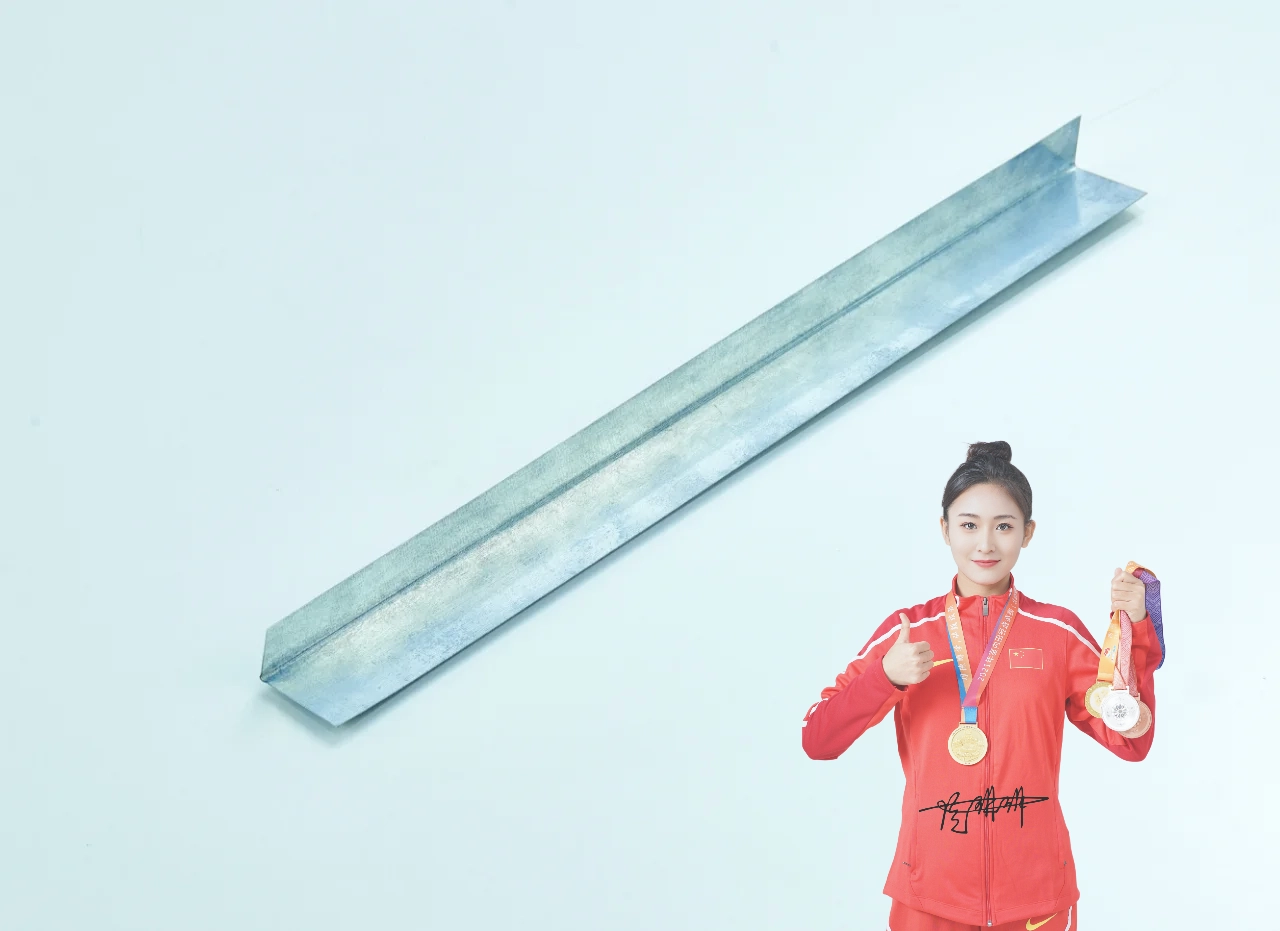
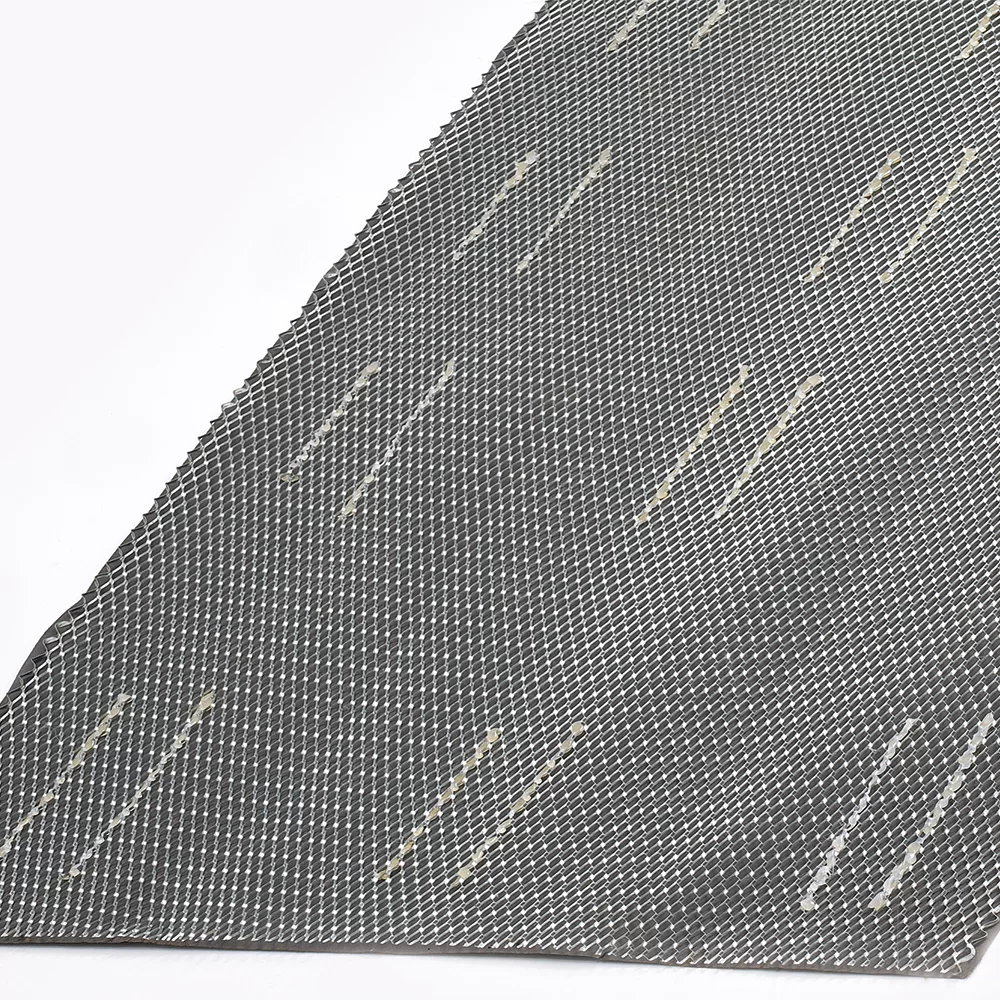
In broad terms, steel reinforcing sheets are flat pieces of steel designed to bolster concrete and other materials. They’re sometimes called steel reinforcement plates or shear panels, but their mission is the same: add tensile strength and distribute stress evenly. Rather than relying solely on concrete’s compressive strength, these sheets absorb bending and stretching forces. Put simply, they’re the unsung heroes that keep buildings from crumbling under pressure.
Used in roads, bridges, skyscrapers, and even humanitarian shelters, they act as a backbone to modern infrastructure. Their role stretches from sprawling urban centers to remote development areas — wherever durable, safe buildings are needed.
Durability: The Backbone of Reinforcement
One of the defining characteristics of steel reinforcing sheets is their toughness. They withstand corrosion thanks to modern coatings like galvanized layers or epoxy paints, which can extend their lifespan beyond 50 years in harsh environments. This durability directly translates into reduced maintenance costs and safer long-term use.
Scalability and Customization
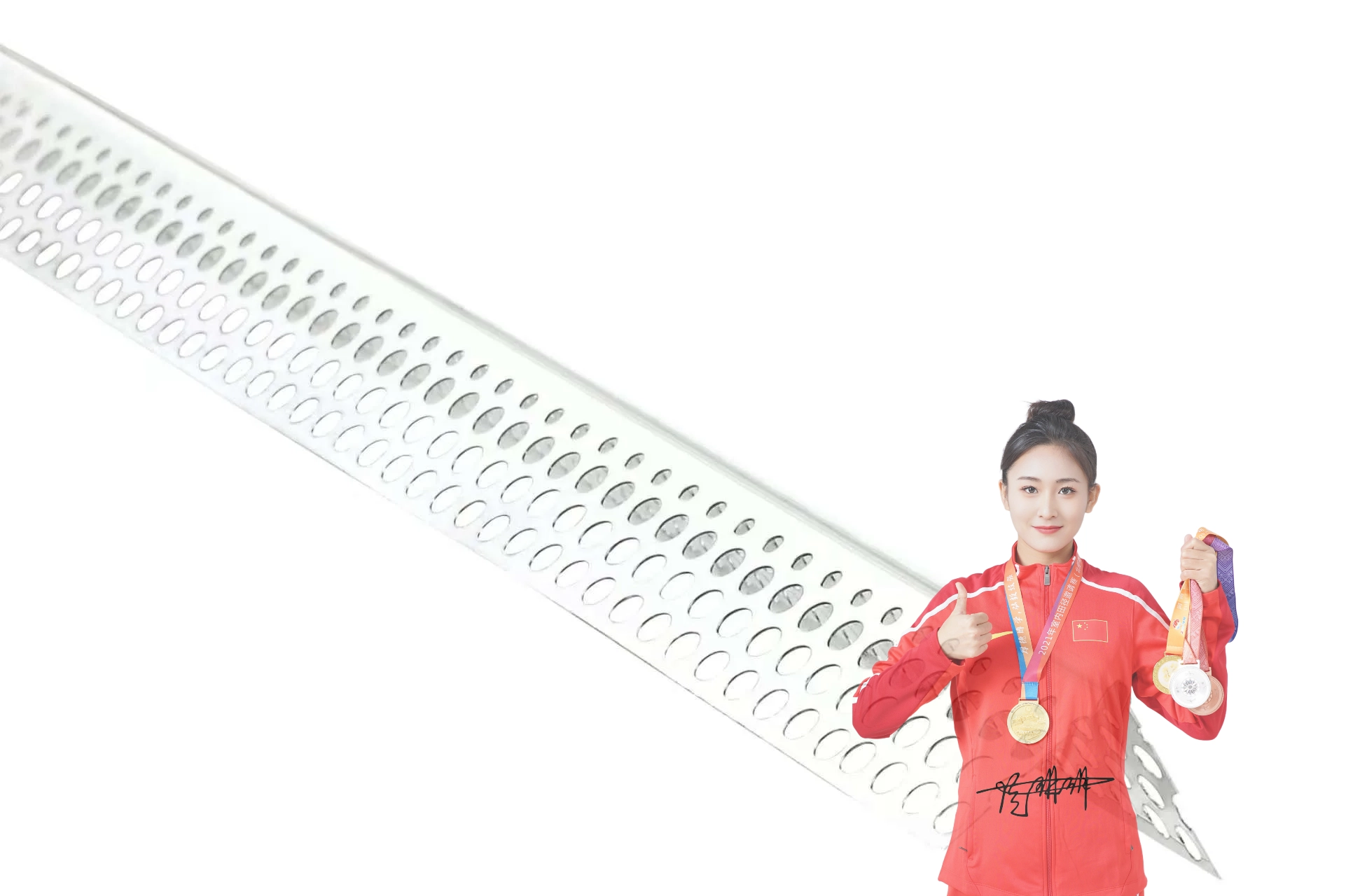
Steel sheets come in various thicknesses and sizes, allowing engineers to tailor them to specific projects. From small home foundations to high-rise towers, customization means they fit perfectly without wasted material. Some manufacturers offer pre-punched holes or bendable sheets to simplify installation — saving time on site.
Cost Efficiency Over Time
Though the initial cost of steel reinforcing sheets might be higher than alternative reinforcement methods, their longevity and performance mean fewer repairs and replacements. That turns into solid savings, especially for public infrastructure that needs to last decades with minimal disruptions.
Environmental Impact
Steel reinforcing sheets are highly recyclable. Industry initiatives strive to use more recycled steel and reduce carbon footprints during manufacturing, aligning with green building certifications like LEED. Choosing these sheets can thus be a practical step toward sustainable construction.
Where Are Steel Reinforcing Sheets Making an Impact?
Their footprint is global but especially visible in sectors like:
- Urban infrastructure: Skyscraper frameworks and underground tunnels rely heavily on steel reinforcement to maintain structural integrity.
- Disaster relief housing: In earthquake or flood-prone regions, quick-to-install steel reinforced panels give temporary shelters much-needed strength and safety.
- Industrial zones: Heavy machinery foundations benefit from added rigidity thanks to reinforcing sheets.
- Transportation projects: From bridges in Europe to roadways in Asia, reinforcing sheets improve load-bearing capacity.
For example, after the 2015 Nepal earthquake, reconstruction teams prioritized steel reinforcing sheets to build shelters resilient to aftershocks. Similarly, in sub-Saharan Africa, modular clinics incorporate these sheets to withstand harsh weather conditions.
Mini takeaway: Steel reinforcing sheets aren’t just construction materials; they’re lifelines in disaster-prone and developing regions.
Steel Reinforcing Sheets: Technical Specifications at a Glance
| Specification |
Typical Range / Value |
Notes |
| Material Grade |
ASTM A36, A992, or equivalent |
Common structural steel grades |
| Thickness |
3 mm to 25 mm |
Customized per load requirements |
| Coating |
Galvanized, epoxy, or powder coating |
Enhances corrosion resistance |
| Yield Strength |
250–550 MPa |
Depends on grade and processing |
| Standard Sizes |
1.0 m x 2.0 m, 1.2 m x 2.4 m |
Adjustable based on project scope |
Comparing Leading Providers of Steel Reinforcing Sheets
| Vendor |
Material Quality |
Customization Options |
Lead Time |
Typical Price Range (USD/m²) |
| Steel Forge Inc. |
High (ASTM A992) |
Full range, bending & notching |
2-4 weeks |
25-40 |
| ReinforcePro Ltd. |
Medium (ASTM A36) |
Standard sizes, limited bends |
1-3 weeks |
20-35 |
| Global Steel Solutions |
Very High (Custom alloys) |
Extensive, including coatings |
3-5 weeks |
35-50 |
Why Choose Steel Reinforcing Sheets? The Long-Term View
On the surface, steel reinforcing sheets seem like just another construction material. But when you zoom out, they represent a blend of safety, economic sense, and sustainability.
- Cost-effectiveness: Less need for repairs, longer lifespan of structures, and fewer failures means money saved over decades.
- Sustainability: Their recyclability and production improvements align with global environmental goals.
- Safety and trust: Engineers and architects know these sheets enhance structural integrity — that brings peace of mind.
- Innovation potential: Continuous advances in coatings and composites promise even better performance tomorrow.
Future Trends Shaping Steel Reinforcing Sheets
As the construction industry embraces tech, so does reinforcing steel. Innovations include:
- Smart coatings: Some companies are exploring coatings that can self-heal or indicate corrosion onset.
- Green manufacturing: Using hydrogen-based steelmaking or electrical arc furnace tech to reduce carbon emissions.
- Prefabrication and automation: Off-site prepared sheets that speed up installation and reduce errors.
- Hybrid materials: Combining steel reinforcing sheets with composites like carbon fiber for extreme applications.
These advancements feel like the construction world’s subtle revolution, quietly improving safety and efficiency.
Common Challenges and How Industry Leaders Solve Them
Despite all their advantages, steel reinforcing sheets face hurdles like corrosion risk in marine environments or variability in material quality. To overcome these:
- Manufacturers apply advanced protective coatings and strict quality controls.
- Engineers design with redundancy so failure in one part doesn’t compromise the whole.
- Digital tracking and certification ensure the right grade of steel reaches the right project.
It's a constant balancing act but one that drives industry innovation.
FAQ: What You’re Asking About Steel Reinforcing Sheets
- Q: How do steel reinforcing sheets improve building safety?
- A: They significantly increase tensile strength in concrete, which is naturally weak under tension. By distributing loads, they reduce the chance of cracking or failure during stress events like earthquakes or heavy traffic.
- Q: Are steel reinforcing sheets suitable for humid or coastal environments?
- A: Yes, but only if treated properly. Galvanization and epoxy coatings prevent rust and corrosion, which is essential for long-lasting durability in salty or moist conditions.
- Q: What are typical lead times for ordering customized steel reinforcing sheets?
- A: Lead times vary depending on complexity but generally range from 1 to 5 weeks. Expedited services may be available for urgent projects.
- Q: Can these sheets be used in temporary housing solutions?
- A: Absolutely. Their strength and ease of installation make them popular in modular shelters and emergency structures, enhancing safety while allowing quick assembly.
- Q: How do I ensure I get the right grade of sheet for my project?
- A: Work with certified vendors and ask for material certifications that comply with ASTM or ISO standards. Consulting structural engineers also helps match the sheet specifications to your building needs.
Summing It Up and Next Steps
Steel reinforcing sheets may not grab headlines like shiny gadgets, but their impact is profound. They’re quiet guarantors of safety, longevity, and sustainability in a world that demands more from its buildings every day.
If you’re looking into steel reinforcing sheets for your next project, it’s worth exploring vendors, comparing specs, and thinking long-term about durability and costs. The future looks promising for this essential material — and your structures will thank you for choosing wisely.
Ready to learn more or find premium steel reinforcing sheets? Visit our website: https://www.cornerbeadmfr.com and explore our range.
Mini takeaway: Steel reinforcing sheets are a key ingredient in building safer, longer-lasting infrastructure — and they’re evolving fast to meet tomorrow’s challenges.
References
- International Organization for Standardization (ISO)
- UN World Urbanization Prospects
- Wikipedia: Reinforced Concrete