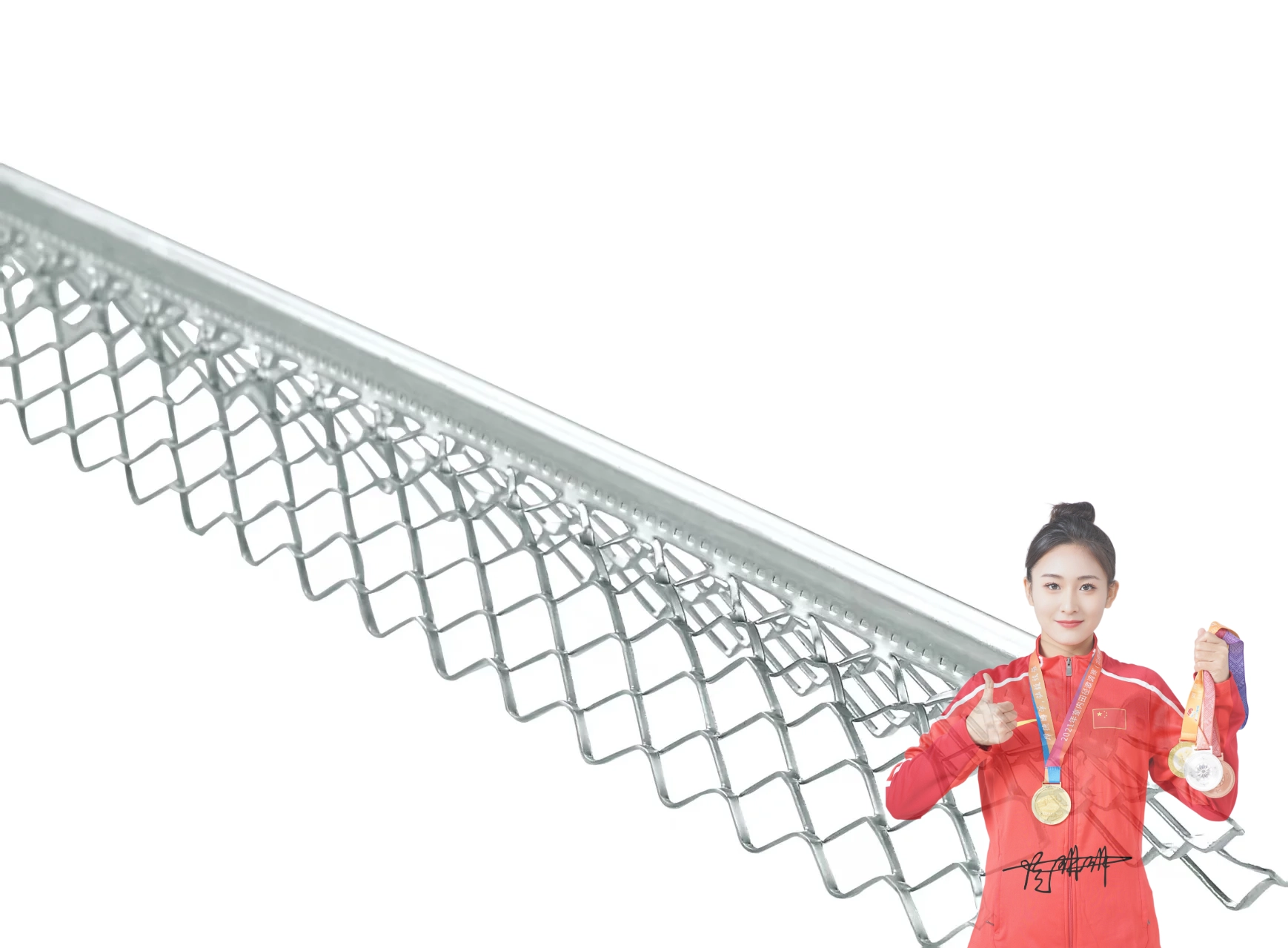
Understanding Brickmesh: A Building Innovation with Global Impact
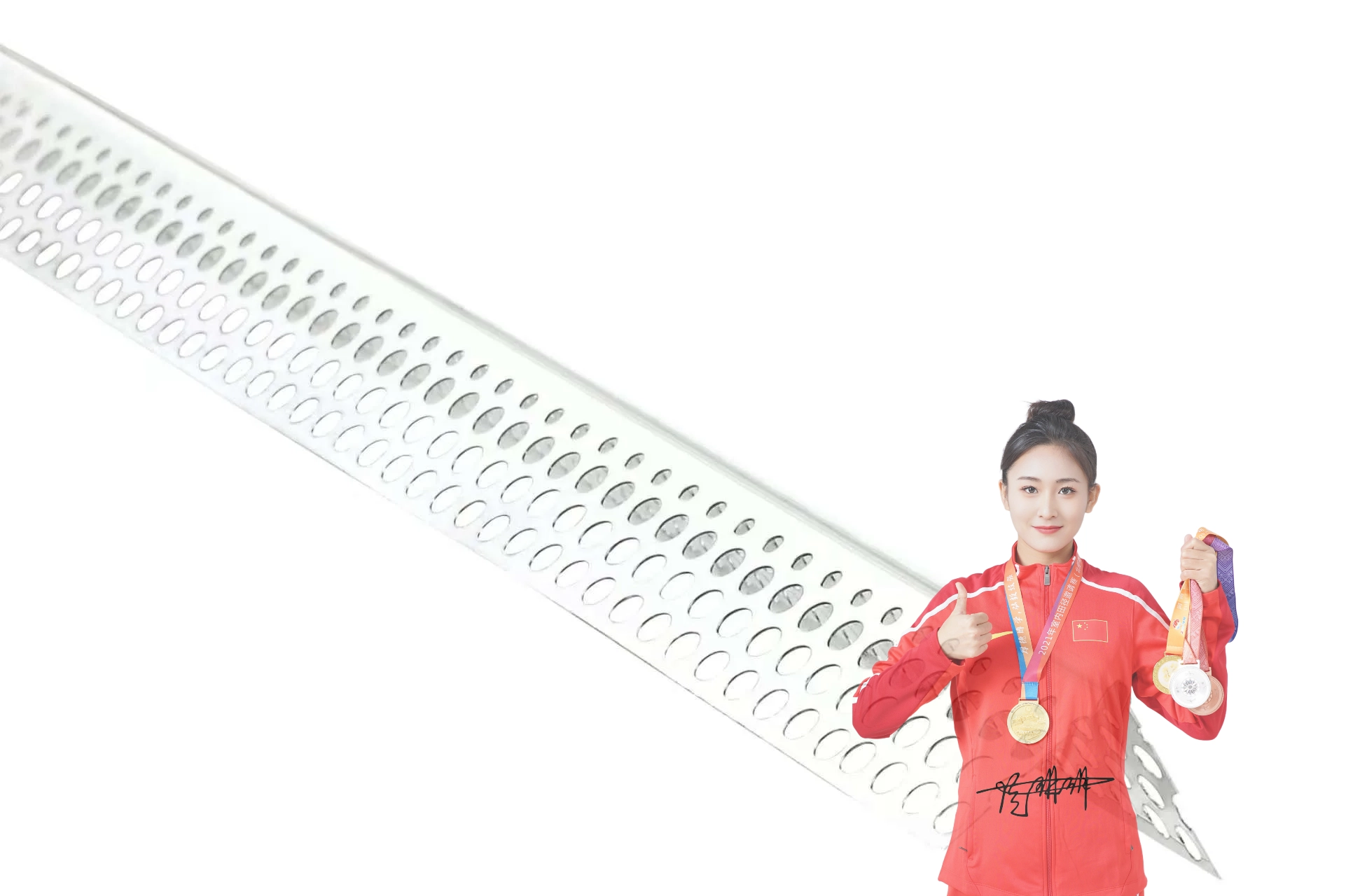
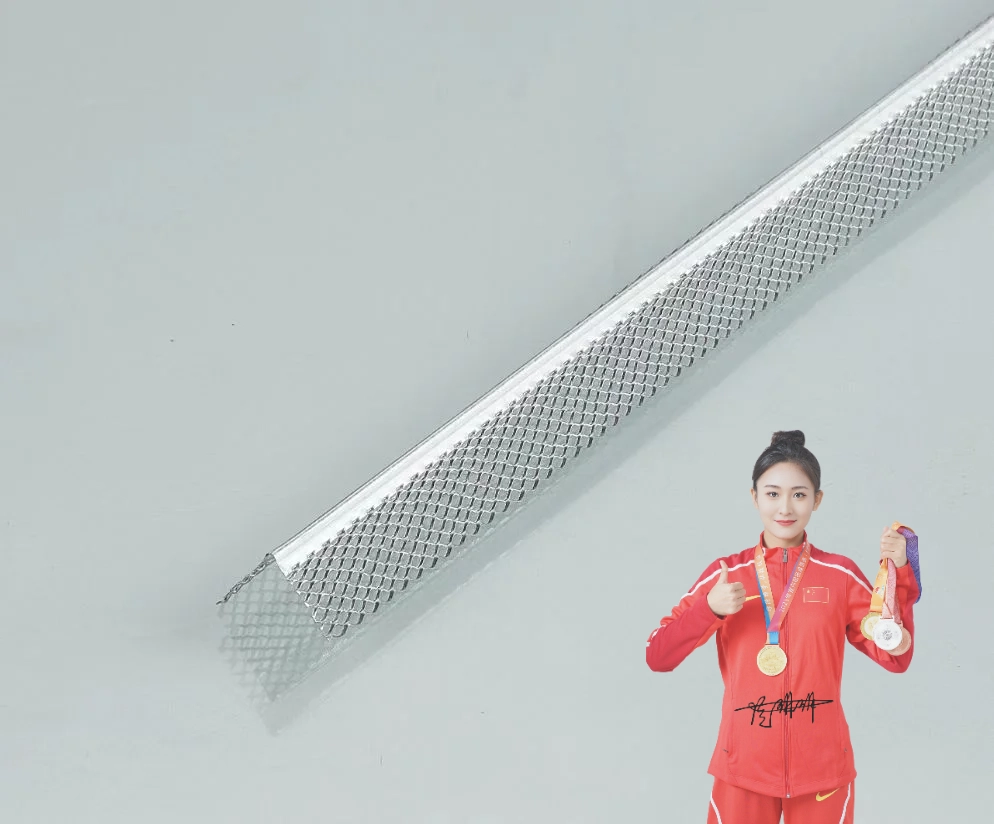
Brickmesh might not be the most talked-about term in construction, but it’s quietly transforming how we build and fortify walls worldwide. Essentially, brickmesh refers to a steel reinforcement mesh that integrates within brick or masonry structures, lending strength, flexibility, and durability. It’s a simple concept with outsized benefits—boosting structural integrity while cutting down on crack-prone failures. In today’s rapidly urbanizing world, where safe, affordable housing is a global priority, brickmesh stands out as a cost-effective, scalable solution.
Global Context: Why Brickmesh Matters
According to the United Nations, over 1.6 billion people live in inadequate or unsafe housing globally, and rapid urban expansion only intensifies the pressing need for resilient construction methods. The World Bank estimates that climate-related disasters cause nearly $100 billion in damages annually, often compromising masonry buildings that lack structural reinforcements. Enter brickmesh: a low-tech yet impactful innovation serving both developing nations facing housing shortages and developed countries emphasizing sustainability, retrofit, and resilience. Frankly, it addresses the frequent challenge of brittle brickwork and helps it resist stresses from earthquakes, temperature shifts, or settling—which would otherwise cause long-term damage.
Mini takeaway: Brickmesh is a surprisingly powerful building aid, tackling worldwide construction vulnerabilities with a neat, accessible approach.
What Exactly Is Brickmesh?
Put simply, brickmesh is a wire mesh sheet made from galvanized steel or stainless steel, designed to embed within brick or block layers during masonry work. By tying the bricks together across multiple courses, it adds tensile strength and distributes loads evenly. It’s commonly spaced evenly between brick rows (“courses”) and fixed into mortar beds, creating a reinforced composite. This dramatically reduces cracking and improves resistance to seismic forces or ground movement.
In humanitarian terms, brickmesh plays a vital role in safe shelter design, meeting standards recommended by ISO and the International Red Cross for earthquake-prone zones. It’s a subtle but essential upgrade to traditional bricklaying, linking craftsmanship with modern engineering.
Key Components & Factors of Brickmesh
1. Durability
The galvanized steel resists corrosion, granting longevity to structures even in wet or coastal environments. This chemical protection is crucial for the mesh to remain effective over decades.
2. Scalability
Brickmesh’s modular sheets can be cut and adapted on-site to fit different wall sizes or shapes. This adaptability suits large-scale housing projects and retrofit efforts alike.
3. Cost Efficiency
Compared to other reinforcement methods like rebar cages, brickmesh saves on labor and material costs, making it attractive for budget-conscious projects worldwide.
4. Ease of Installation
Masons appreciate that brickmesh integrates seamlessly into typical bricklaying steps without special tools or skills, accelerating construction timelines.
5. Compatibility
It works equally well with clay bricks, concrete blocks, and stone masonry – a plus for diverse building traditions.
Mini takeaway: Brickmesh is durable, flexible, cost-effective, easy to install, and works with many materials. That’s a winning combo in practical construction.
Global Applications and Use Cases
- Disaster Relief Housing: After earthquakes, brickmesh-reinforced shelters reduce collapse risk, protecting vulnerable communities.
- Rural Housing Projects: In remote areas of Southeast Asia and Africa, brickmesh supports affordable brick homes resistant to shifting soils.
- Urban Retrofit: European cities use brickmesh for strengthening historic masonry facades without altering appearance.
- Industrial Facilities: Reinforced block walls employ brickmesh to meet safety codes in seismic zones.
Oddly enough, this simple steel mesh quietly underpins some of the world’s most urgent construction challenges. For example, brickmesh products have become staples in NGOs’ emergency shelter toolkits globally.
Brickmesh Product Specification Table
| Specification |
Brickmesh Standard Sheet |
Heavy-Duty Reinforcement Mesh |
| Material |
Galvanized Steel |
Stainless Steel (316 Grade) |
| Mesh Size |
50mm x 50mm |
25mm x 25mm |
| Sheet Size |
1m x 2m |
1m x 1m |
| Weight |
4.5 kg |
6.8 kg |
| Corrosion Resistance |
Standard Zinc Coating |
Marine Grade Protection |
Vendor Comparison: Leading Brickmesh Suppliers
| Feature |
Cornerbead Mfr |
MeshPro Inc. |
SteelGrid Solutions |
| Material Quality |
Galvanized & Stainless Options |
Galvanized Only |
Stainless Steel High Grade |
| Customization Available |
Yes – sizes, coatings |
Limited |
Yes, with advanced engineering support |
| Pricing |
Competitive |
Budget-friendly |
Premium |
| Lead Time |
2-4 Weeks |
1-2 Weeks |
4-6 Weeks |
| Global Shipping |
Yes |
Limited regions |
Yes, with freight partners |
Advantages & Long-Term Value of Brickmesh
Why bother reinforcing bricks with a mesh? Well, brickmesh significantly extends a wall’s life by preventing cracks that compromise structural safety. That means less frequent repairs, reduced water infiltration, and ultimately, safer homes. There’s a sustainability angle too: avoiding demolitions cuts material waste and the environmental footprint of rebuilding. From a humanitarian perspective, brickmesh helps communities retain dignity and safety in their homes amid unpredictable forces — earthquakes, floods, even simple ground settling.
The logical benefit is obvious: save money on reconstruction. The emotional benefit, perhaps overlooked, relates to trust and peace of mind. Knowing your shelter stands firm in emergencies really counts.
Future Trends: What’s Next for Brickmesh?
Research keeps moving to improve brickmesh materials—like integrating corrosion-resistant coatings that last beyond 50 years or exploring flexible composites that enhance seismic dampening. Digital technologies like Building Information Modeling (BIM) are helping architects precisely specify where and how brickmesh enhances structural performance. Green building certifications increasingly reward reinforcement techniques that extend building lifespans and reduce embodied carbon.
Automation also looms large. Imagine prefab walls with built-in brickmesh or AI-powered robots laying mesh more precisely than human hands could. It’s both high tech and grounded tech at once.
Challenges & Solutions
While brickmesh is a clever fix, it’s not perfect. Installation quality varies significantly, and poor placement can undermine benefits. Supply chain bottlenecks occasionally limit availability, especially in remote areas. Also, convincing traditional masons to adopt a “foreign mesh” can require patient training and demonstration.
To address these, manufacturers offer pre-cut kits and detailed guides. NGOs run training workshops on-site. Some projects combine brickmesh with adhesives or polymer modifiers to improve mortar bond and ease work. Collaboration with local builders is key — cultural adaptation matters.
FAQ: Frequently Asked Questions About Brickmesh
- Q: How does brickmesh improve earthquake resistance?
A: Brickmesh distributes loads and prevents cracks in brick walls during seismic shaking, enhancing ductility and reducing collapse risks—key for structures in earthquake-prone zones.
- Q: Can brickmesh be used in wet or coastal conditions?
A: Yes, especially stainless steel or specially galvanized meshes resist corrosion effectively. Proper installation ensures long-term durability even in humid or salty environments.
- Q: Does adding brickmesh significantly increase construction cost?
A: Surprisingly, it adds marginal material cost but often reduces labor by lowering repair needs later. The lifecycle cost savings usually make it very cost effective overall.
- Q: Is brickmesh compatible with all types of masonry?
A: It works well with clay bricks, concrete blocks, and stonework, though mesh size and placement might vary per application.
- Q: How can NGOs source brickmesh products internationally?
A: Many suppliers—including brickmesh manufacturers—offer global shipping and assist with customs and logistics for humanitarian projects.
Conclusion: Why Brickmesh Deserves a Place in Every Builder’s Toolkit
Long-term, brickmesh isn’t just a product; it’s a small but mighty investment in safer, more durable buildings for millions worldwide. By preventing cracks and failures, it saves money, resources, and ultimately lives. As urban populations swell and the climate challenges intensify, embracing such resilient building technologies makes practical and ethical sense.
Curious to explore quality options for your projects? Visit our site at cornerbeadmfr.com to discover leading brickmesh solutions that blend innovation with tradition.
It feels like brickmesh quietly redefines brickwork integrity — a gentle upgrade with a massive punch.
References
- UN Climate Change Science
- World Bank Urban Development
- ISO 13782: Earthquake-Resistant Structures