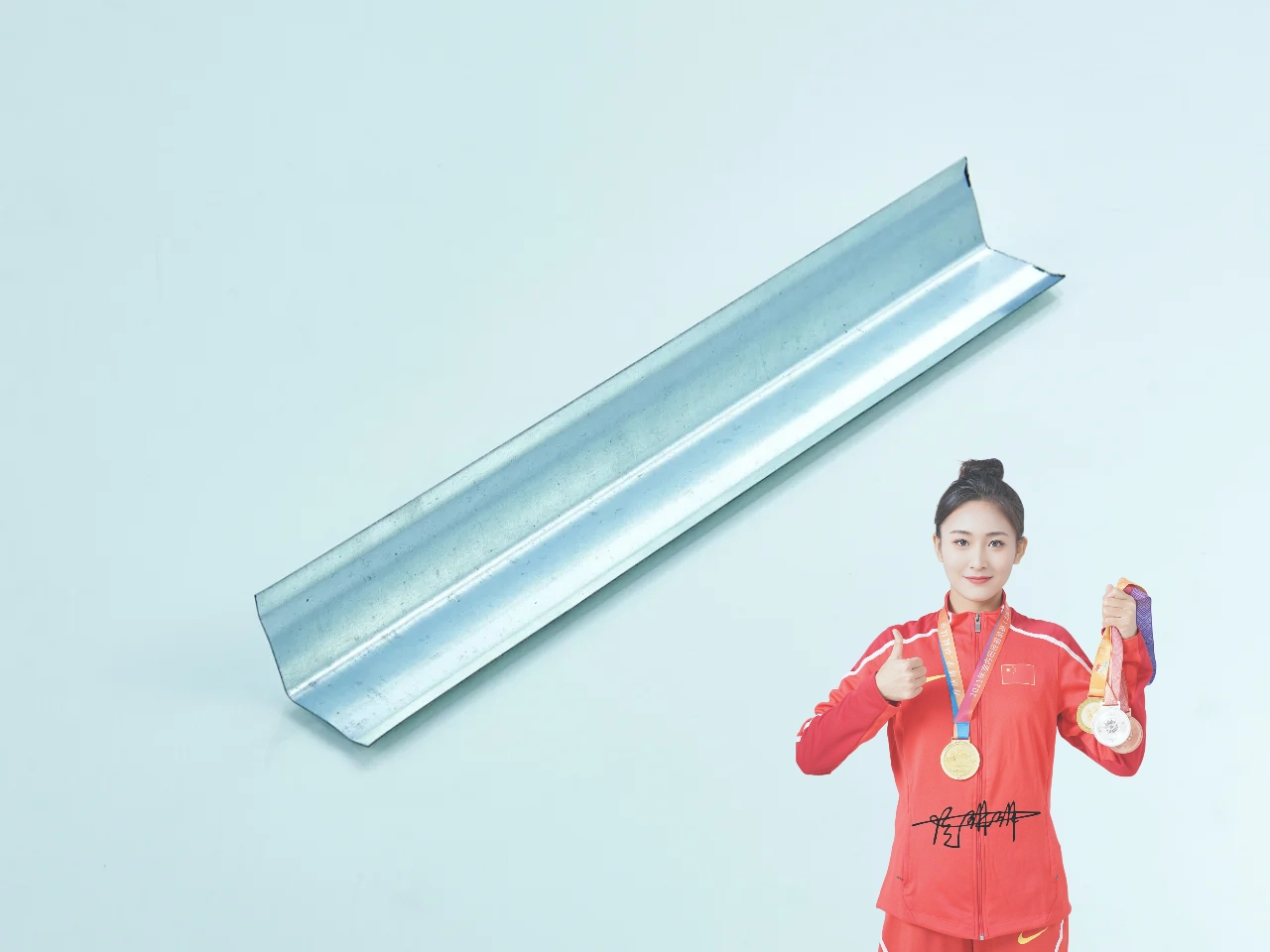
Embossed Plaster Mesh & Perforated Facade Tech
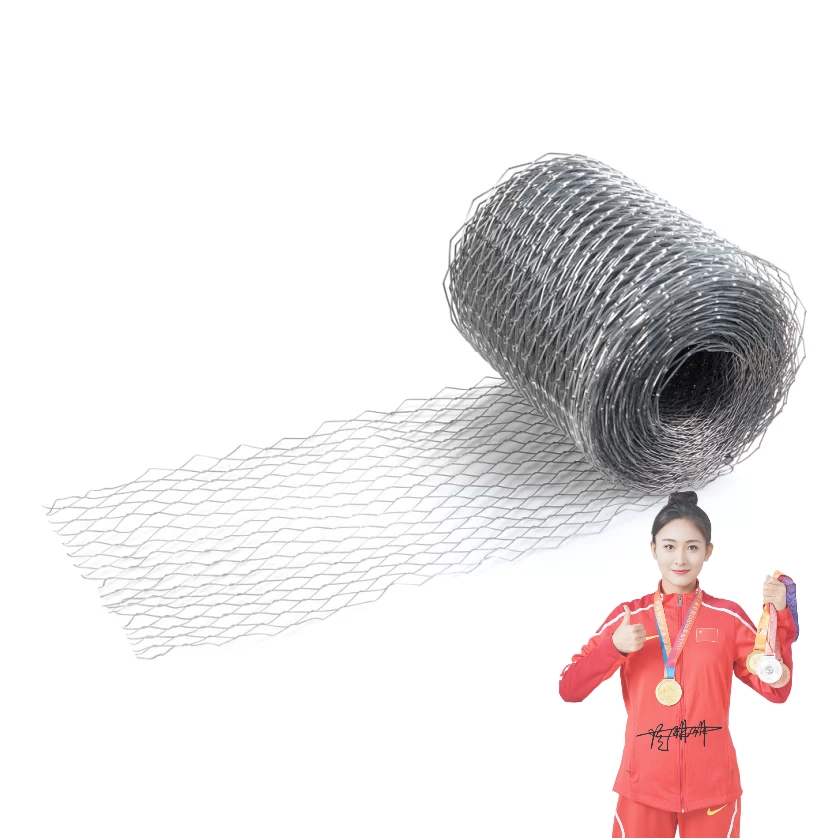
If you work in finishing or facade design, you’ve probably noticed how much attention practical reinforcement products are getting. I’ve been touring jobsites all year, and the most asked-about item is metal plastering mesh, architecture perforated metal sheet—two categories quietly making walls tougher and facades smarter.
What’s trending (and why it matters)
- Specifiers are pushing for corrosion-tested lath and meshes that meet ASTM C847/C1063, not just “good enough.”
- Facades are shifting to breathable, architecture perforated metal sheet skins for shading, airflow, and pattern brandability.
- Sustainability is real: galvanized steels with traceable coils, EPD-ready data, and longer service life to cut replacements.
Process, materials, and testing (quick but specific)
Base metal: galvanized low-carbon steel sheet/coil (e.g., ASTM A653 G60–G90; EN 10346 Z275). Methods: precision slitting → expanding/welding (per design) → embossing (rib/knurl/dot pattern) → passivation → shear-to-size → QC. Typical tests: coating mass (ASTM A653), salt spray (ISO 9227), tensile (ASTM A370), lath compliance (ASTM C847), installation (ASTM C1063). Service life: ≈15–25 years in normal inland exposures; around 10–15 years in coastal unless heavier zinc and proper detailing are used.
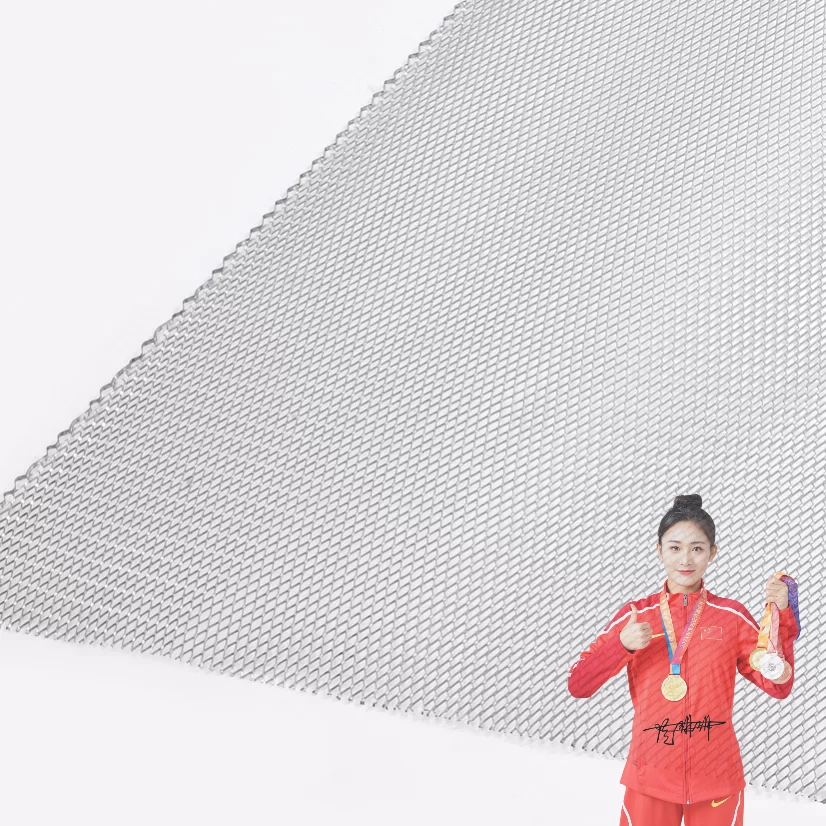
Product snapshot: Embossed Plaster Mesh
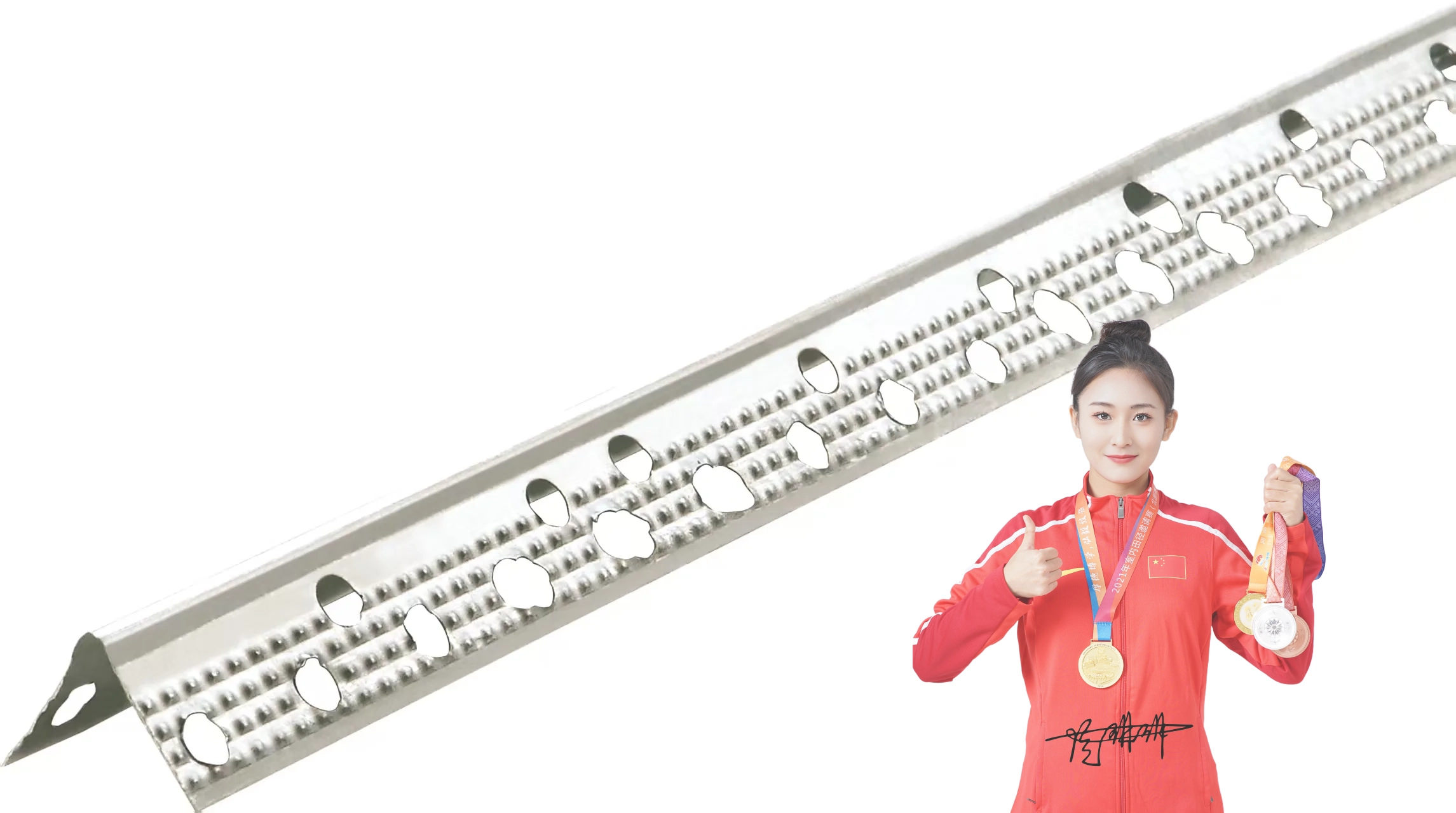
This embossed surface increases mechanical key, so plaster grabs on better. Many contractors tell me overhead coats feel safer and bond more consistently, especially over uneven substrates.
Mesh type | Expanded or welded, embossed texture |
Base metal | Galvanized steel (ASTM A653 / EN 10346) |
Zinc coating | G60–G90 (Z180–Z275) ≈ |
Thickness | 0.35–0.7 mm typical |
Emboss height | 0.2–0.6 mm (design-dependent) |
Roll width/length | 1000 mm × 20–30 m; sheets available |
Open area | 28–45% ≈, application-specific |
Internal test data: pull-off adhesion improved by ≈18–25% vs. flat mesh; >480 h neutral salt spray without red rust (coating intact), real-world use may vary.
Applications at a glance
- Walls/ceilings: gypsum, lime, or cement plaster over brick, block, or drywall.
- Stucco facades: stress zones around corners, openings, joints.
- Retrofit: bridging cracks/voids; leveling irregular backgrounds.
- Curved work: arches, columns, domes—embossing helps hold thick coats.
- Fire/acoustic builds: supports heavier multi-coat systems (check ASTM E84/UL assemblies).

Perforated metal for architecture
For the facade crowd: perforated sheets (round/slot/staggered) with 10–40% open area help shading and ventilation—and double as signage. To be honest, pattern plus finish (PVDF, anodic-look coil coat) is where projects really pop. Pair with metal plastering mesh, architecture perforated metal sheet behind for substrate reinforcement in mixed-scope renovations.
Vendor snapshot (what specifiers compare)
Vendor | Coating mass | Emboss uniformity | Certs | Lead time | MOQ / Price ≈ |
Embossed Plaster Mesh (this) | G60–G90 | ±0.2 mm height tolerance | ISO 9001, CE, RoHS | 2–4 weeks | Low / Mid |
Generic A | G40–G60 | ±0.5 mm | ISO 9001 | 4–6 weeks | High MOQ / Low |
Generic B | G90 | ±0.3 mm | ISO 9001, REACH | 6–8 weeks | Mid / High |
Customization and buying tips
Custom emboss patterns, heavier zinc (Z350) for marine zones, roll widths to match board modules, and OEM packaging are available. If you’re also hunting stainless steel mesh sheets for sale for aggressive interiors, ask for 304/316 options and a bead-blast finish to keep glare down.
Field notes and case studies
- Coastal hotel retrofit: embossed mesh + polymer-modified render cut spider cracking; 12-month survey showed intact edges and joints.
- Metro concourse ceiling: installers reported faster overhead set with fewer drop-outs—honestly, everyone just looked relieved.
- Museum facade: perforated aluminum screen (30% OA) used as a ventilated rain-screen; backing walls reinforced with embossed mesh before final skim.
Certifications & documentation: ISO 9001 factory, CE DoP for facade sheets, material traceability, and test reports on request.
References
1. ASTM C847 – Standard Specification for Metal Lath.
2. ASTM C1063 – Installation of Lathing and Furring for Portland Cement-Based Plaster.
3. ASTM A653/A653M – Steel Sheet, Zinc-Coated (Galvanized) by the Hot-Dip Process.
4. ISO 9227 – Corrosion tests in artificial atmospheres (salt spray tests).
5. ASTM A370 – Test Methods and Definitions for Mechanical Testing of Steel Products.