Exterior Toughness: Choosing a Corner Bead for Stucco
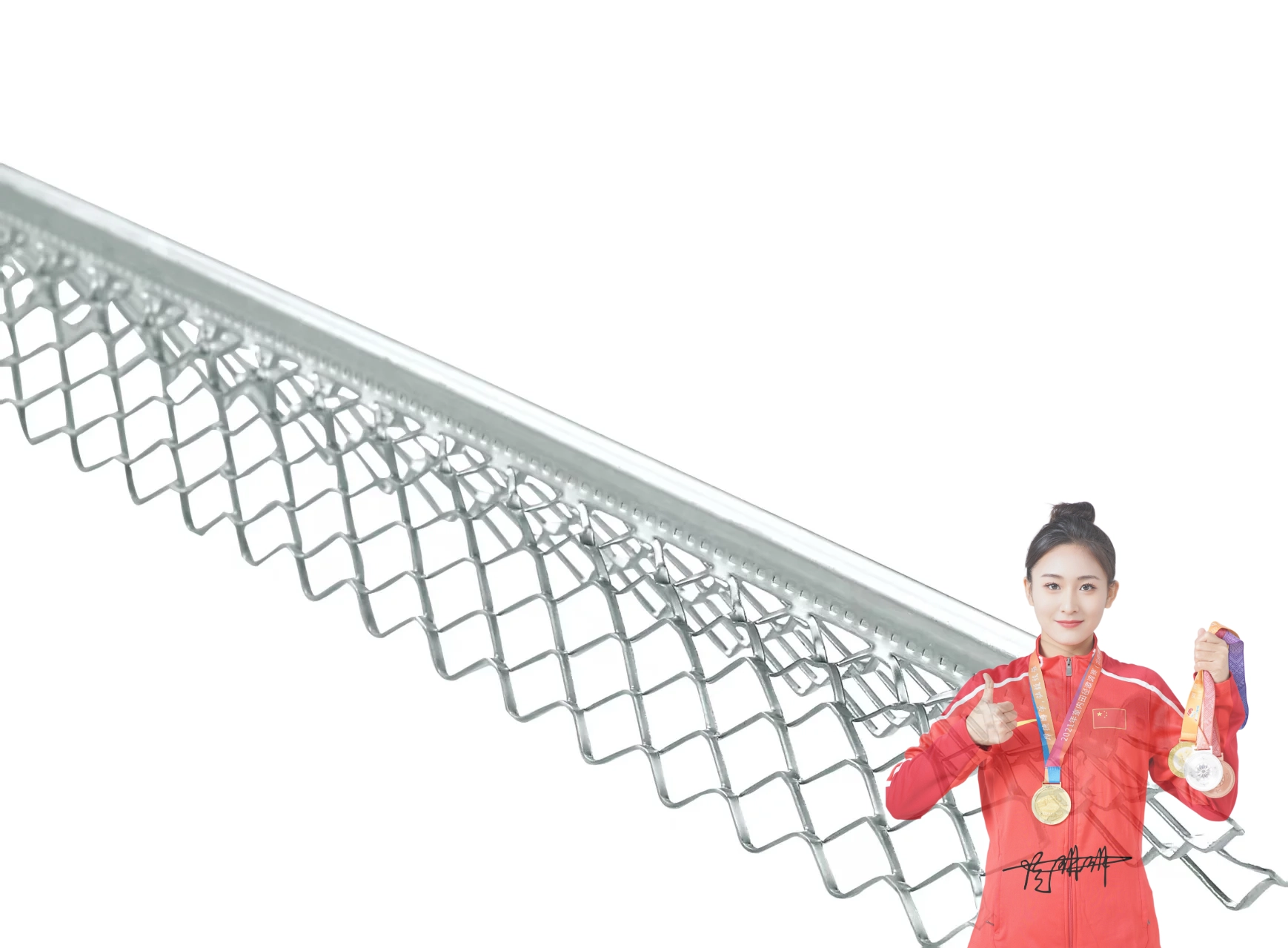
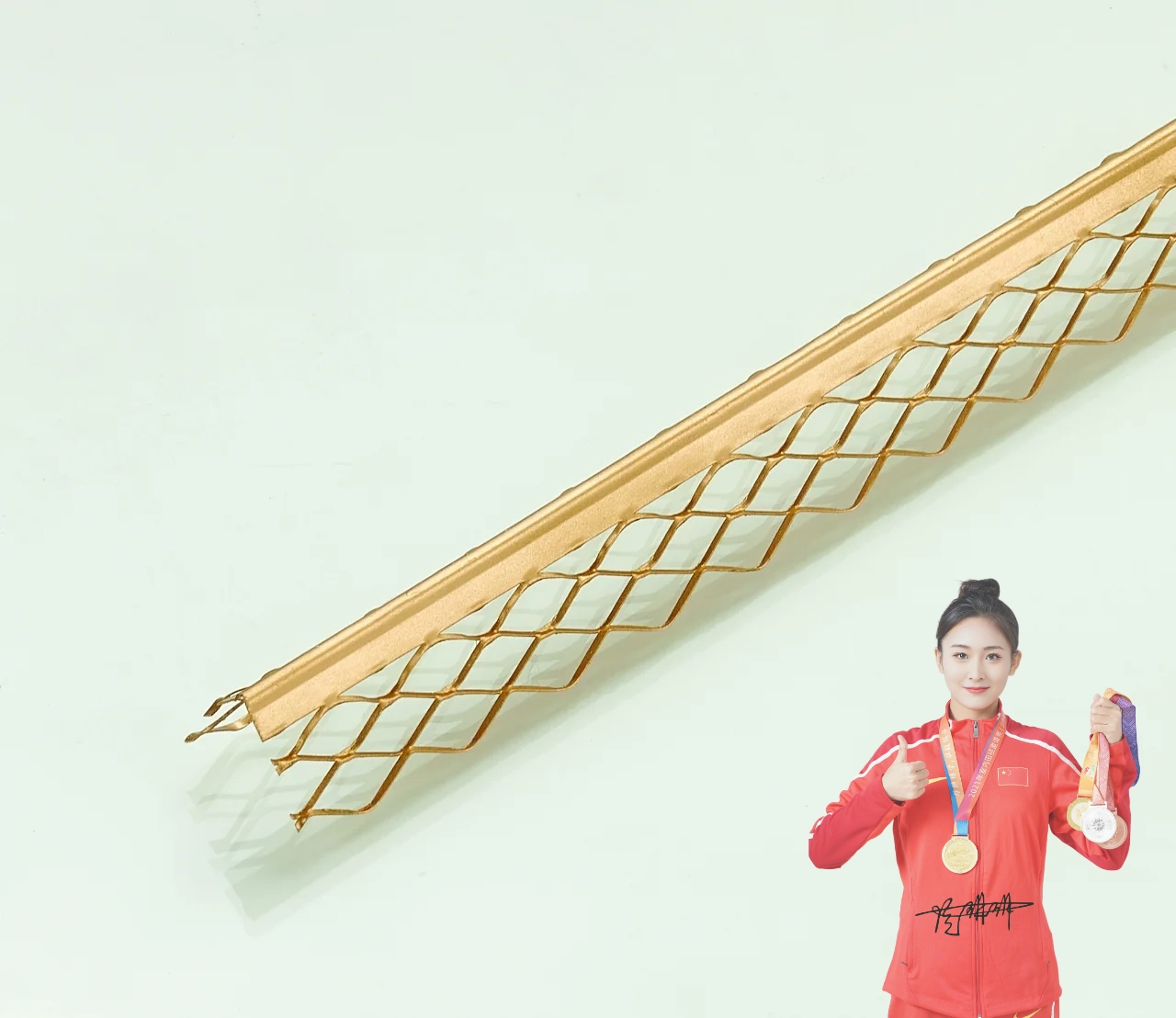
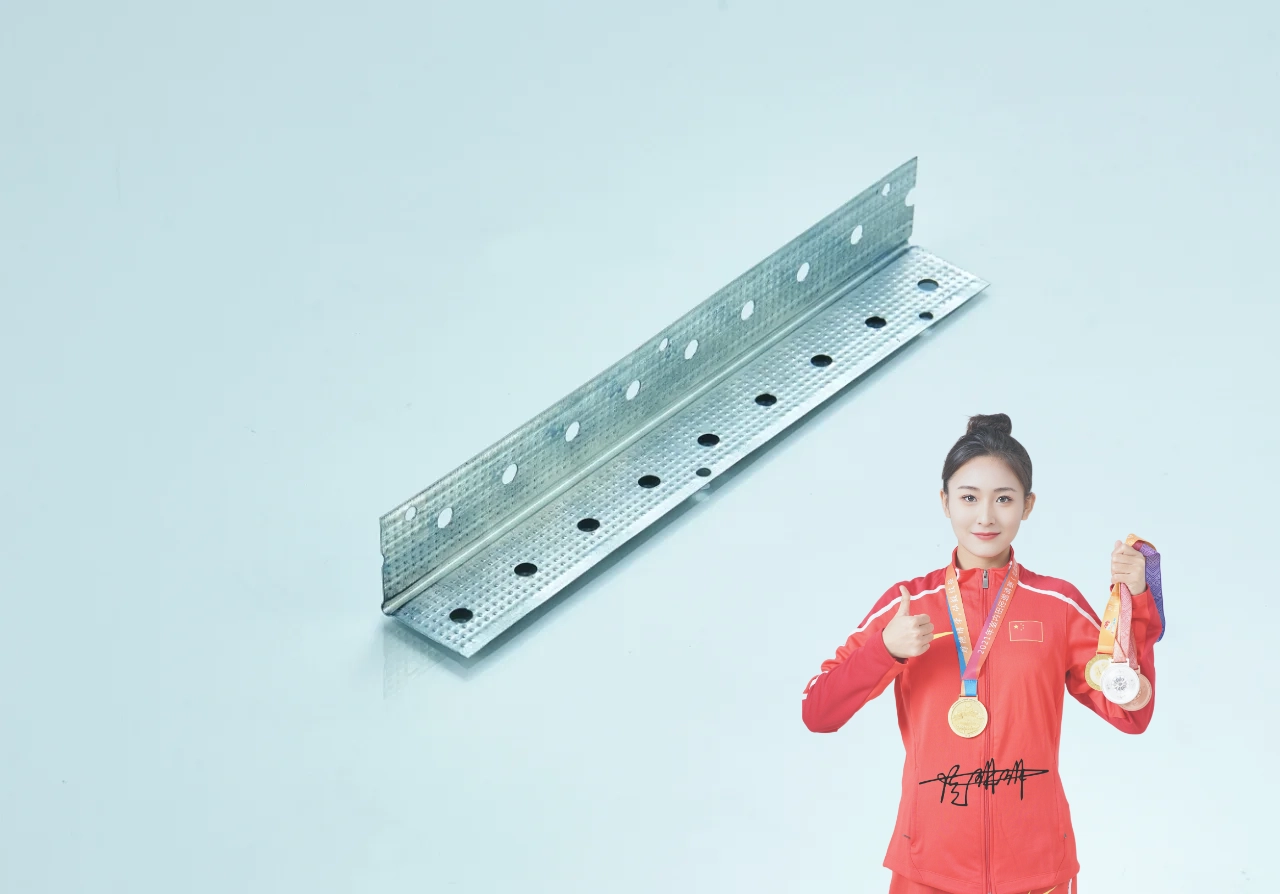
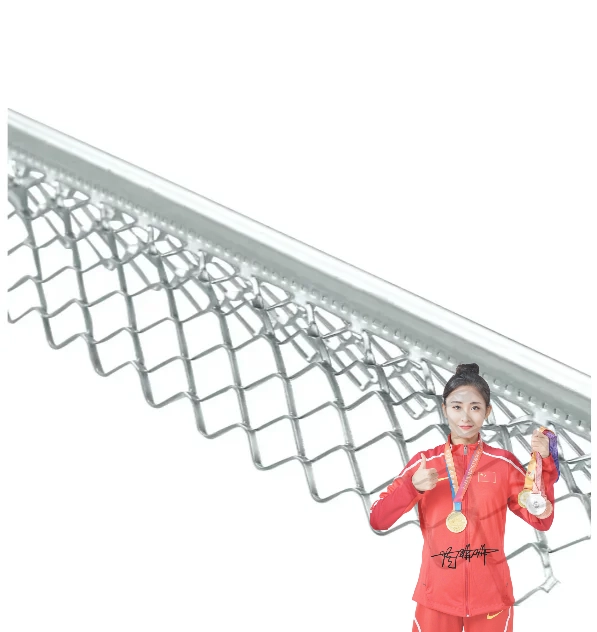
Stucco is a durable exterior finish, but its corners are vulnerable. A standard drywall corner bead isn't strong enough. You need a specialized corner bead for stucco. This bead is built to handle the weight and application of stucco, as well as the outdoor elements. A proper corner bead for stucco is typically made from heavy-gauge galvanized steel, often with a thicker zinc coating to prevent rust. Many have expanded metal lath (diamond mesh) flanges instead of flat, perforated wings. This mesh is key—it gets embedded directly into the stucco's scratch coat, creating a powerful mechanical bond that locks the bead in place. This design prevents the bead from separating under the stucco's weight and provides a solid base for a sharp, durable corner that can withstand weather and minor impacts. There are also vinyl options designed for exterior insulation and finish systems (EIFS). Using the correct corner bead for stucco is non-negotiable for a long-lasting, crack-free exterior finish. It's the foundation that ensures your stucco corners stay straight and protected for years.
Beyond Function: Using Corner Bead Molding for Style
While most corner beads are meant to disappear under mud, corner bead molding is designed to be seen. It's a decorative profile that adds architectural detail and protection. Corner bead molding can be made from materials like wood, PVC, polyurethane, or even metal. It's often used in traditional or craftsman-style homes to outline doorways, windows, or wall panels. The purpose of corner bead molding is twofold: it protects the corner from damage just like a standard bead, and it adds a significant visual element to the room's design. You might also hear it called corner guard or architectural corner bead. Installing corner bead molding is different from installing a drywall bead. It's typically nailed or glued onto the finished wall surface (over drywall and paint), and then caulked and painted to match the trim. It's a fantastic way to add character, define spaces, and protect high-traffic corners in a visible, attractive way.
The Tile Backer: The Role of Corner Bead for Tile
Tiling a corner, like in a shower or a backsplash, requires a clean, stable edge. This is where a corner bead for tile comes in, though it's more accurately called a tile edge trim or schluter strip. While it serves a similar protective and guiding function, a corner bead for tile is specifically designed for tile installations. It's typically a thin, L-shaped metal or PVC profile. The tile fits flush against one leg, while the other leg provides a finished edge. The key benefit of a corner bead for tile is that it creates a perfect, straight line for the tile to butt against, eliminating ragged cut edges. It also protects the underlying cement board or drywall from moisture seeping into the edge. Furthermore, it provides a durable, impact-resistant edge that is less likely to chip than an exposed tile edge. These profiles come in various finishes (brushed nickel, chrome, white, etc.) to match your tile and fixtures. Using a corner bead for tile is a professional touch that elevates the look, durability, and waterproofing of any tiled corner.
Curved Elegance: Installing a Corner Bead for Arches
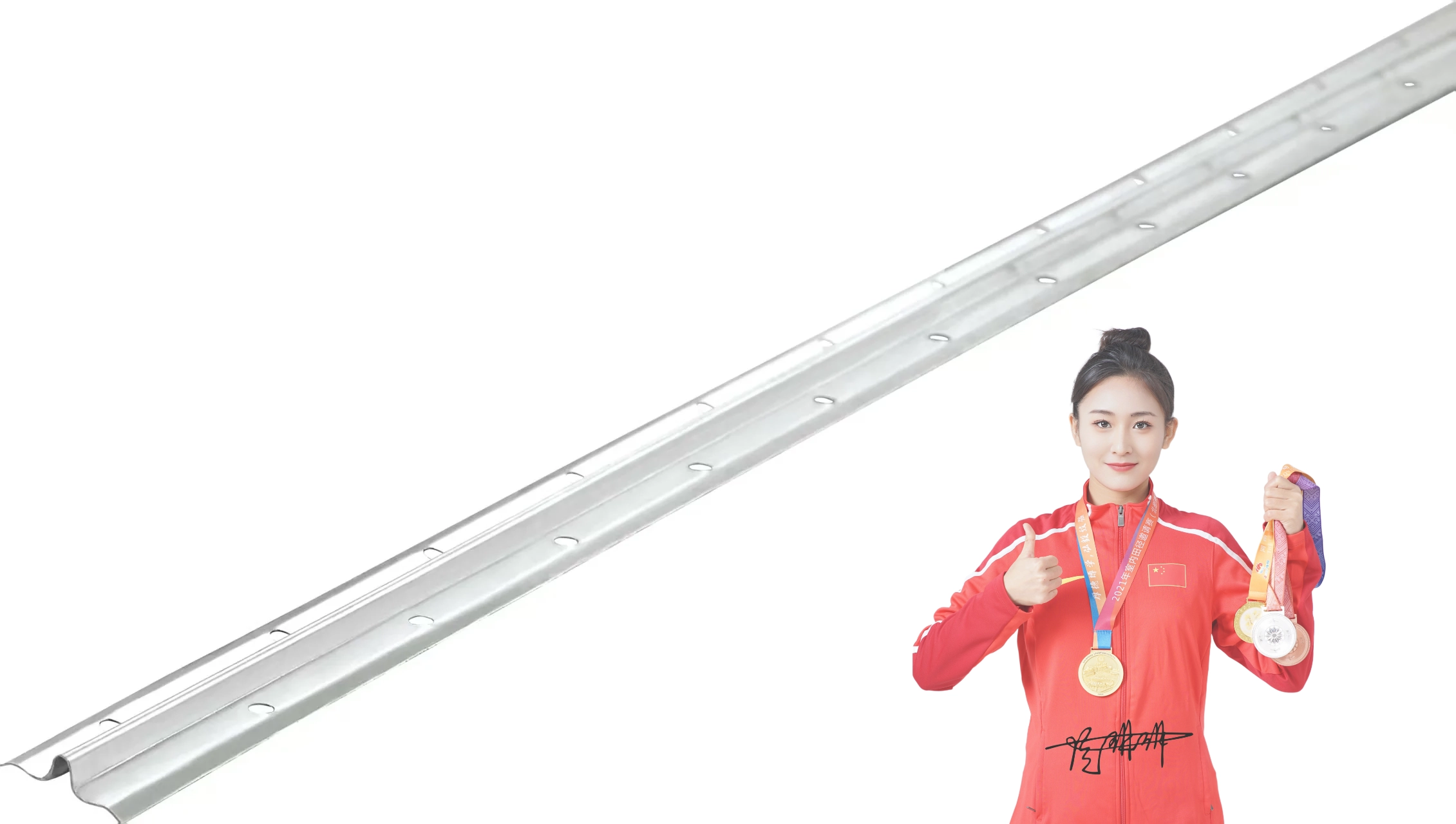
Arches add beautiful, soft curves to doorways and windows. Finishing them properly requires a flexible corner bead for arches. A standard rigid metal bead cannot bend to follow a curve. A corner bead for arches is made from a flexible material, almost always PVC or vinyl. It has a continuous spine that can be gently curved to match the arch's radius. The flanges are also flexible and often perforated to help plaster or joint compound adhere. Installing a corner bead for arches requires patience. You must carefully bend it to the exact curve, secure it with adhesive or special fasteners, and then apply multiple thin coats of compound to follow the profile smoothly without creating flats or bumps. Using the right flexible corner bead for arches is the only way to achieve a crisp, consistent, and crack-resistant curved edge that highlights the architectural beauty of the arch.
Premium Product Focus: The Diamond-Shaped Corner Bead
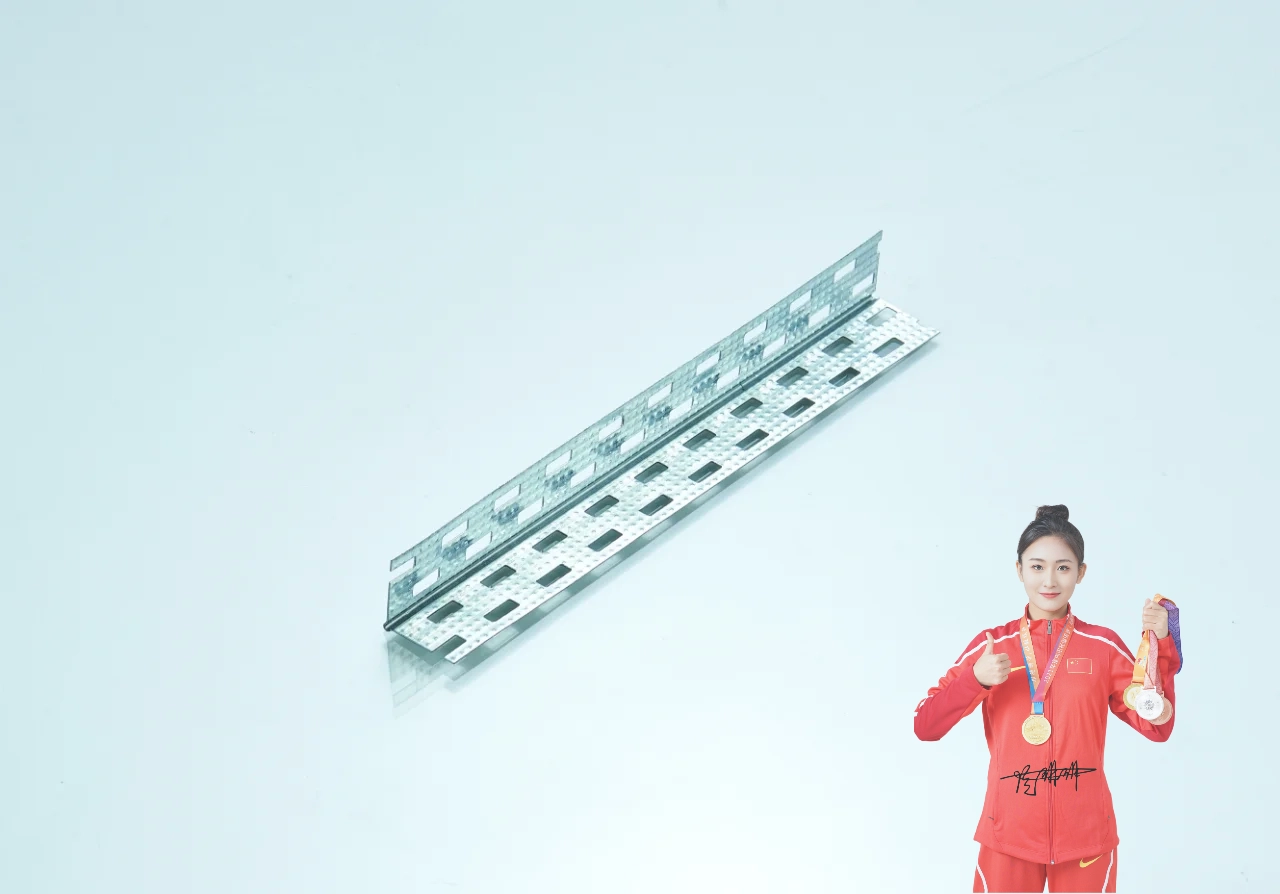
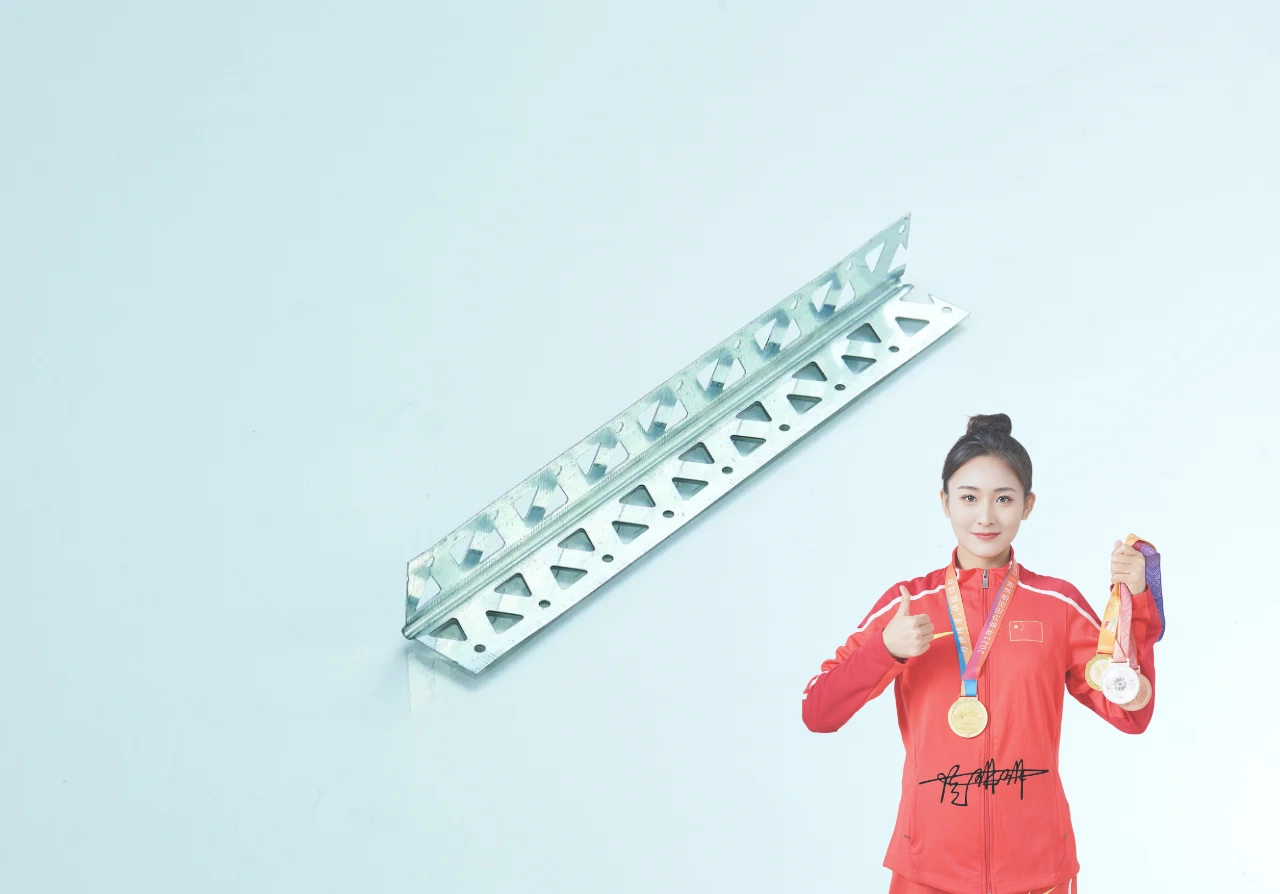
For interior drywall corners that demand superior performance, the Diamond-Shaped Corner Bead is a top-tier choice from leading manufacturers. This isn't your average bead; it features a distinctive diamond-shaped perforation pattern along its flanges. Why is this better? The diamond shape provides a larger opening and a more aggressive key for joint compound. This allows the mud to flow through and mechanically lock onto the bead from both sides more effectively than standard round holes. The result is an exceptionally strong bond that significantly reduces the risk of the bead cracking, separating, or causing hairline fractures over time. It's the ideal corner bead for high-traffic commercial spaces like schools and hospitals, or for any residential project where a flawless, durable finish is the goal. Available in galvanized steel, PVC, and aluminum, it offers solutions for various environments. This bead exemplifies the innovation that transforms a simple protective strip into a performance-enhancing component of your wall system.
No matter the corner challenge, Meifei Building Materials has the solution. We specialize in manufacturing a comprehensive range of high-performance corner beads for every application. Need a heavy-duty corner bead for stucco with expanded metal lath? We have it. Looking for durable profiles for tile or flexible beads for arches? We produce them. Our product line includes our innovative Diamond-Shaped Corner Bead for superior interior finishes, and we can supply materials suitable for creating or complementing corner bead molding details. We understand that each application—from exterior weather exposure to interior moisture and impact—has unique demands. Our products are engineered with the right materials (galvanized steel, PVC, aluminum) and the right design features (perforation patterns, flange types) to meet those demands head-on. As a direct manufacturer, we ensure quality control from raw material to finished product, providing contractors and distributors with reliable, consistent performance for projects ranging from basic drywall to complex architectural details.
Don't let complex corners slow down your project or compromise your finish. The right bead is available. Whether you're tackling a stucco exterior, installing a tile shower, framing a beautiful arch, or simply seeking the strongest interior bead, Meifei has the professional-grade product you need. Visit the Meifei Building Materials website to explore our full catalog. See detailed specifications for our corner bead for stucco, corner bead for tile, flexible arch solutions, and our premium Diamond-Shaped bead. Download installation guides and technical data sheets. Contact our sales team for a competitive quote, to request samples, or to get expert advice on selecting the ideal bead for your specific application and material system. Build with confidence. Finish with precision. Choose the manufacturer that professionals trust for corner solutions that work. Click to connect with Meifei and get the right corner bead for your job.
Corner Bead for StuccoFAQs
What's the main difference between a standard drywall bead and a corner bead for stucco?
The main differences are gauge, coating, and flange design. A corner bead for stucco is made from much heavier-gauge galvanized steel with a thicker zinc coating to resist outdoor weathering. Crucially, it often has expanded metal lath (diamond mesh) flanges instead of flat perforated metal. This mesh embeds into the stucco's base coat, creating a far stronger mechanical bond to support the heavy, rigid finish.
Can I use PVC corner bead molding in a bathroom?
Yes, PVC is an excellent choice for bathroom corner bead molding. It is naturally moisture-resistant and will not warp or rot like wood. PVC corner bead molding is easy to clean, can be painted, and provides a durable, waterproof protective edge for corners in humid environments like bathrooms, laundry rooms, and kitchens.
Do I need a special corner bead for tile if I'm using a waterproofing membrane?
Yes, you still need a corner bead for tile (tile edge trim). The waterproofing membrane protects the substrate, but the tile edge still needs a finished, protective profile. The tile trim is installed over the membrane and provides the straight, clean edge for the tile to meet. It also protects the membrane and tile edge from damage. They work together as part of a complete system.
How flexible is a corner bead for arches? Can I bend it to any curve?
A flexible PVC corner bead for arches is quite pliable, but it has limits. Each product is typically rated for a minimum bending radius (e.g., 12-inch radius, 24-inch radius). You cannot bend it to an arbitrarily tight curve without kinking it. It's crucial to select a bead whose flexibility rating matches or exceeds the tightest curve of your arch. Always check the manufacturer's specifications for the minimum radius.
Is the Diamond-Shaped Corner Bead much more expensive than a standard bead?
The corner bead price for a Diamond-Shaped bead is typically slightly higher due to its specialized perforation pattern and enhanced performance. However, the cost difference is minimal compared to the value it provides: a significantly stronger bond, reduced risk of callbacks for cracking or separation, and a more reliable, professional finish. For most projects, the added cost is a wise investment in long-term quality.