Hit enter to search or ESC to close
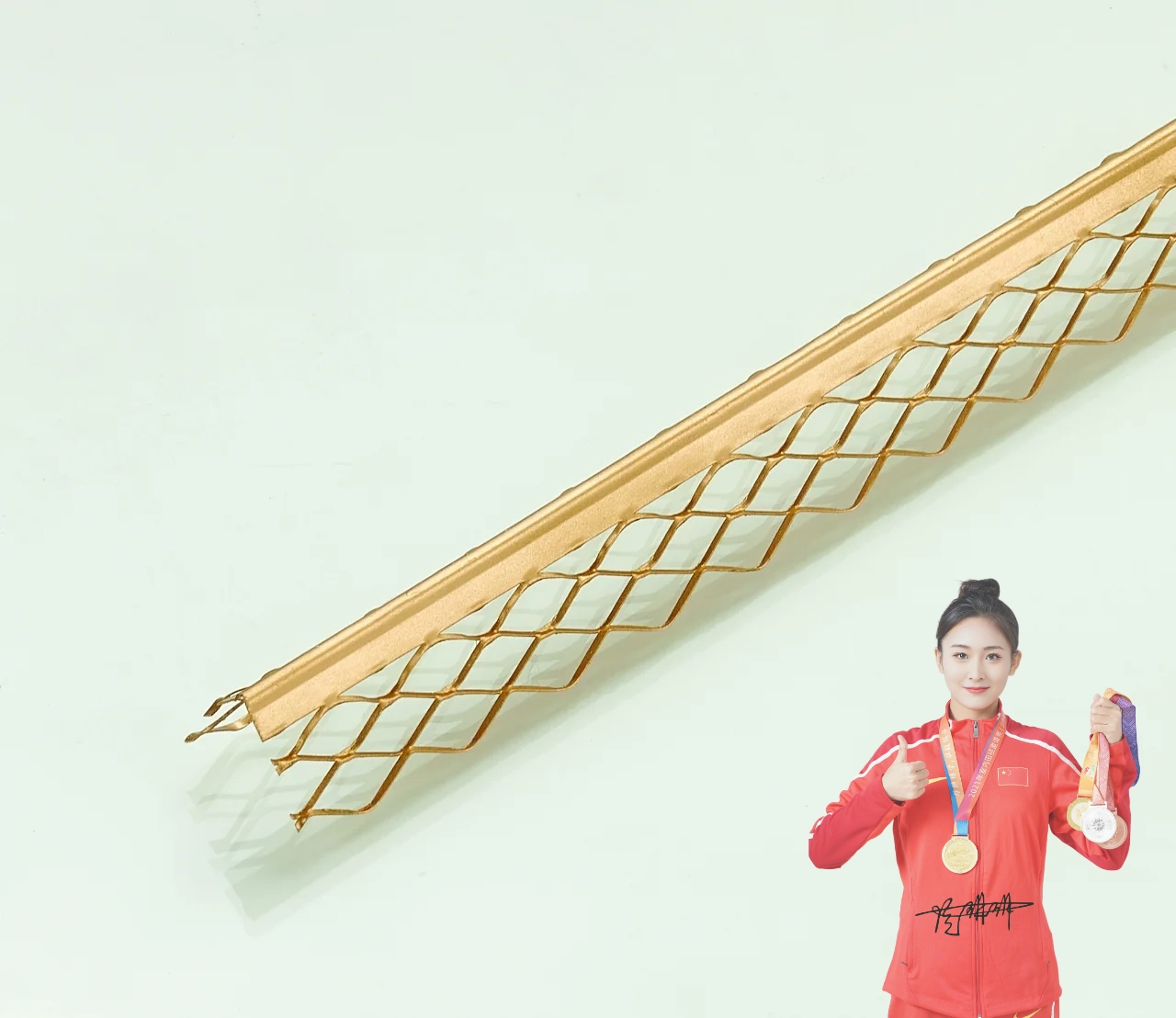
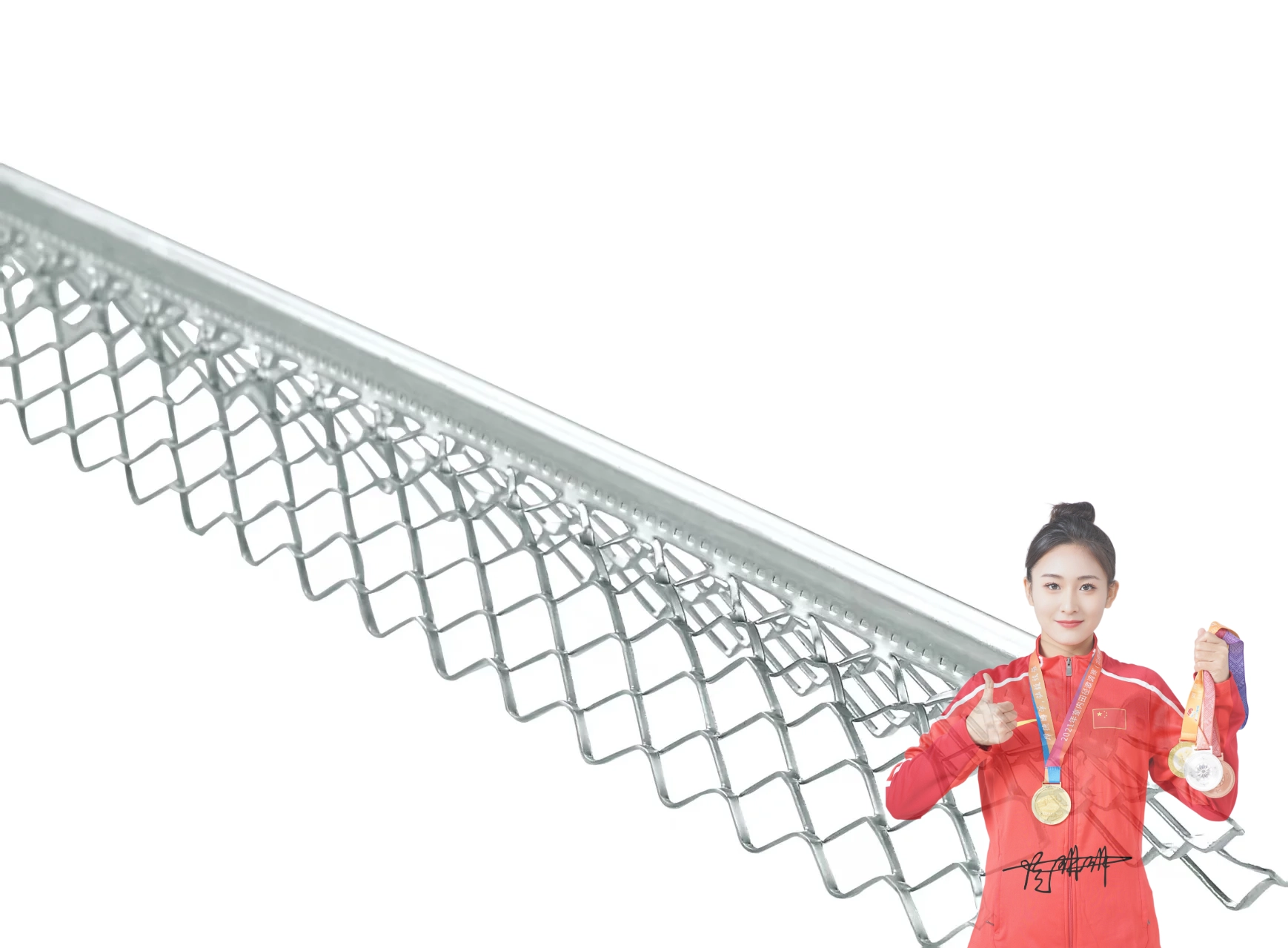
First, what is a corner bead? It's a protective trim piece installed on the outside corners of walls. Its job is simple but vital: it creates a straight, durable edge that protects the vulnerable drywall or plaster corner from damage. The world of corner bead types is diverse, each designed for specific situations. The most common distinction is based on the corner's location: outside corner bead for projecting 90-degree corners, and inside corner bead (often just a strip of tape) for internal angles. But the main types you'll choose from relate to material and installation method. There's metal corner bead (usually galvanized steel), known for its strength. There's vinyl or PVC corner bead, valued for its flexibility and resistance to rust. And there are paper-faced metal beads and specialized architectural beads for rounded or specialty corners. Choosing the right one from the various corner bead types depends on the project's needs: Is it a high-impact area like a hallway? Is moisture a concern? Are you looking for the easiest installation? Understanding these core corner bead types is the first step to a professional, long-lasting finish.
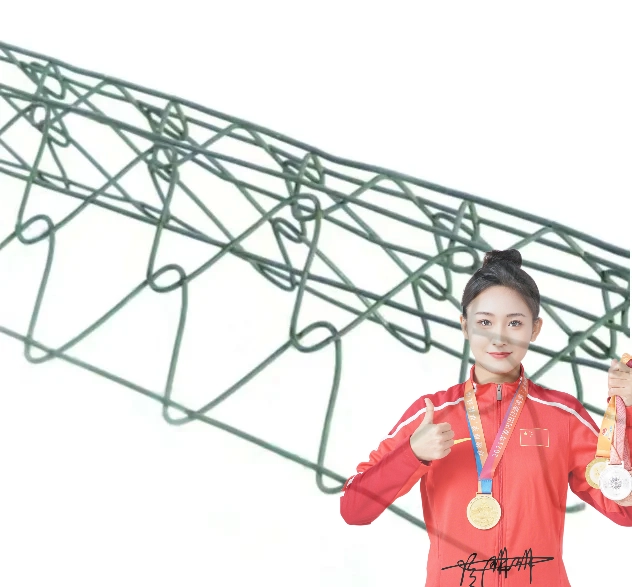
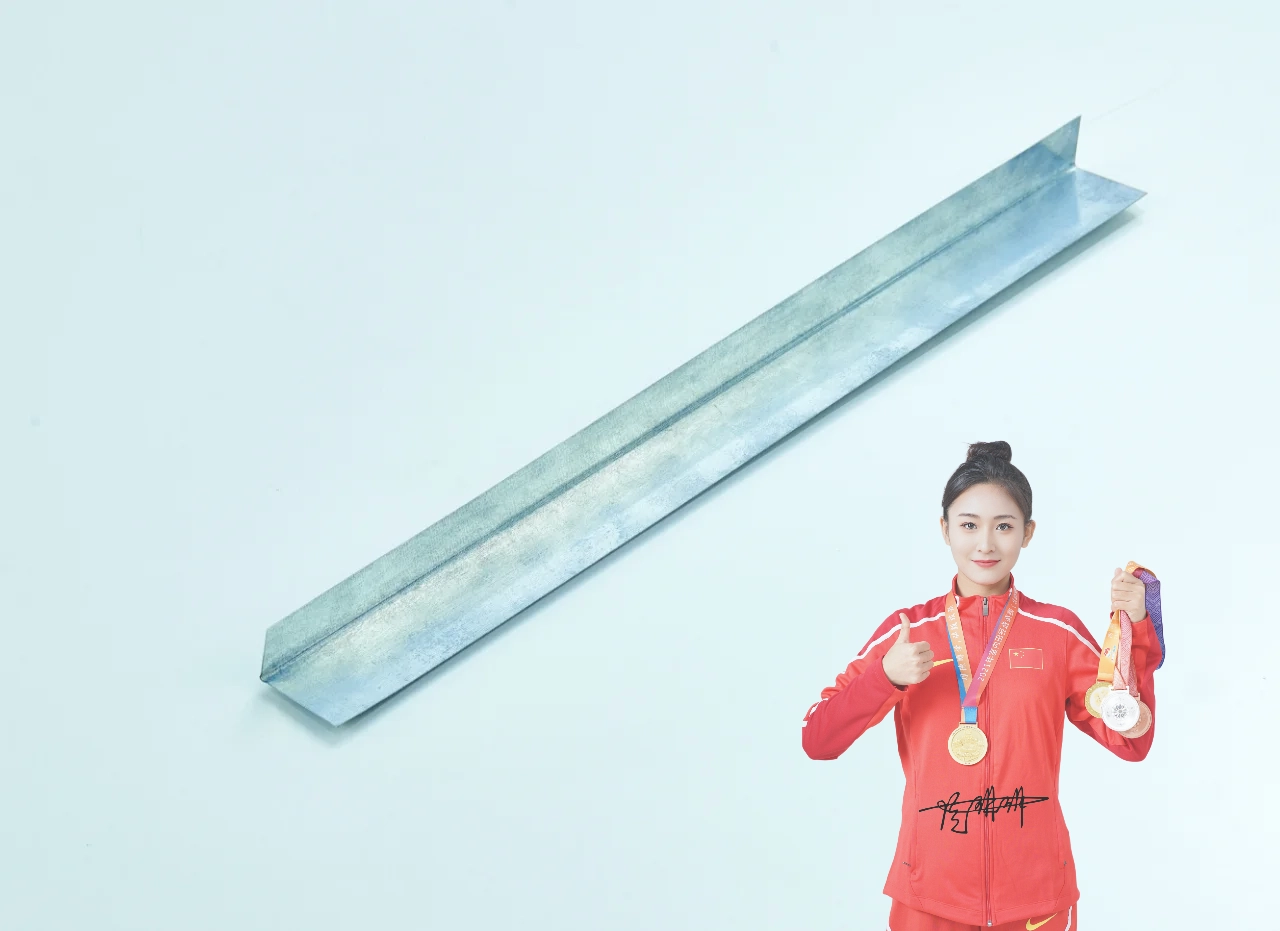
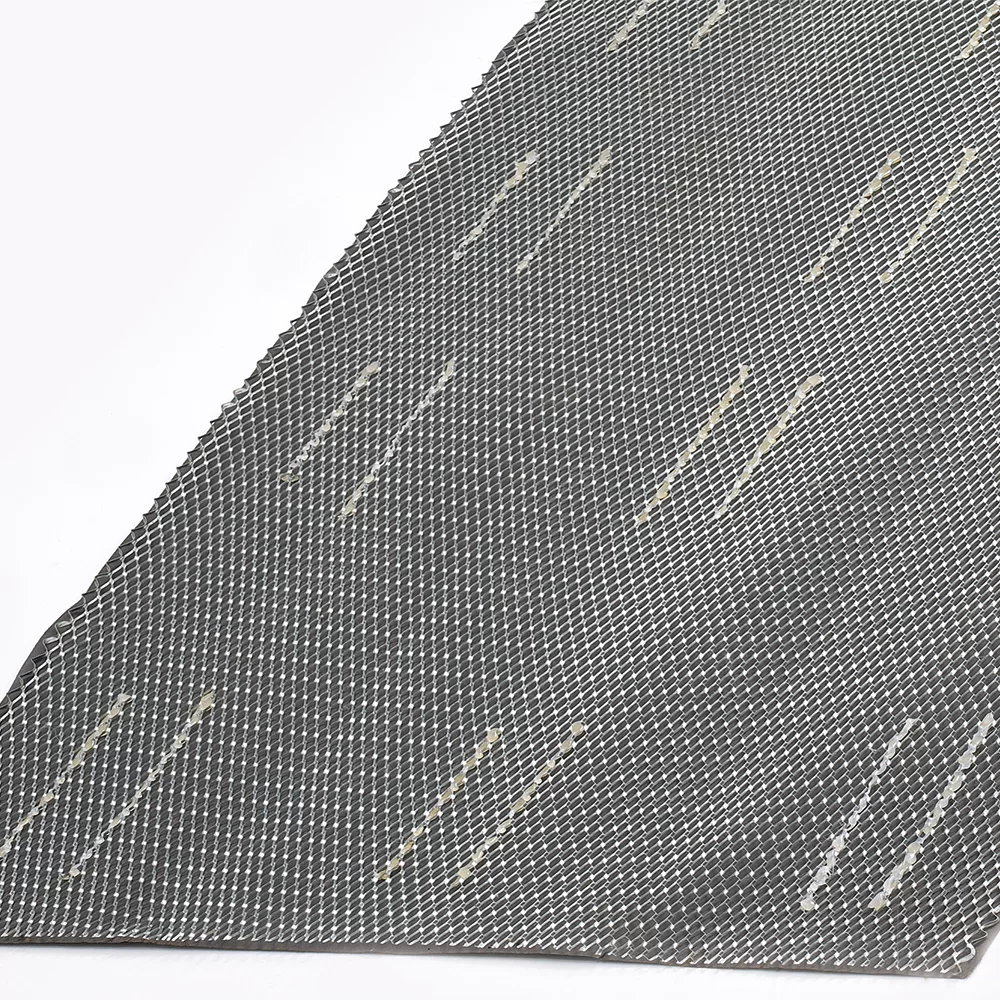
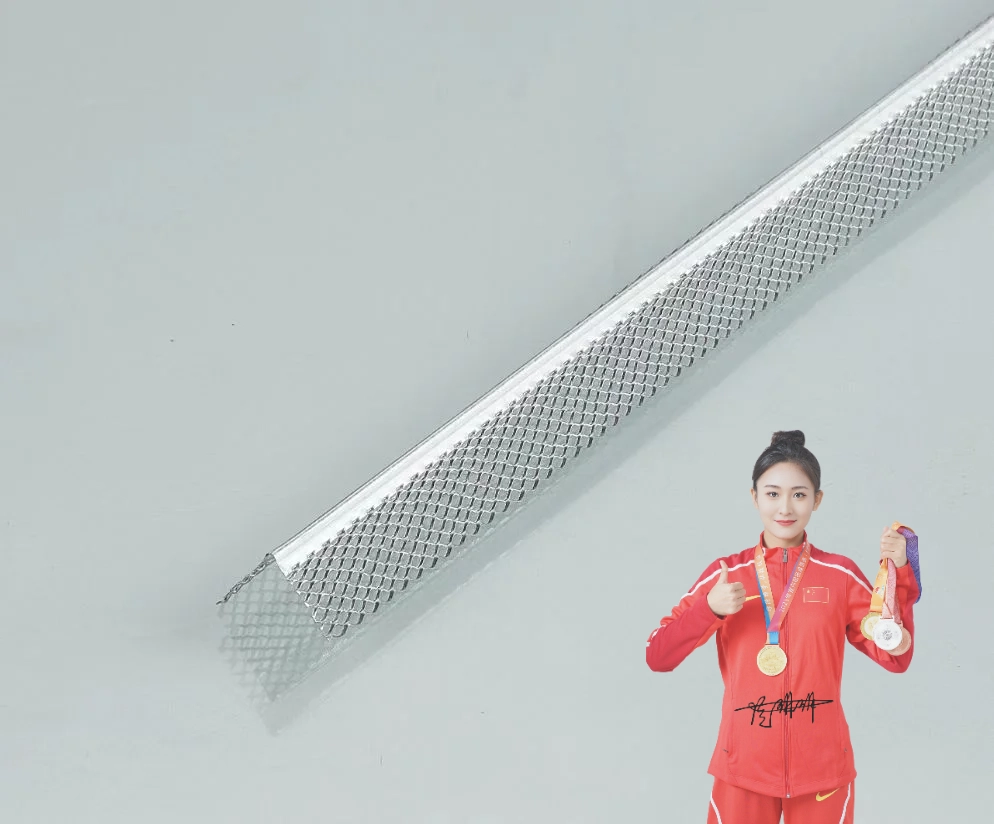
When hanging and finishing drywall, selecting the right drywall corner bead is crucial. Let's break down the most common drywall corner bead types. The classic choice is the Standard Metal Corner Bead. Made from galvanized steel, it has a raised spine forming the 90-degree angle, with flanges on either side that are nailed or screwed to the wall studs. It's strong, inexpensive, and ubiquitous. Next is the Vinyl Corner Bead. This is a popular alternative, especially in damp areas like bathrooms, as it won't rust. It's also more flexible, which can help on slightly uneven walls, and it's often installed with adhesive, reducing the need for fasteners that can pop. A modern innovation is the Paper-Faced Metal Corner Bead. This product combines a thin metal spine with paper flanges. You embed it in joint compound just like drywall tape. The benefit? It creates a seamless transition with no chance of the metal "ghosting" or creating a shiny line under paint, and it's less prone to cracking. For contractors, knowing the pros and cons of these drywall corner bead types—metal for sheer durability, vinyl for moisture resistance, paper-faced for the invisible finish—allows you to match the product perfectly to the job's demands and the client's expectations.
The term drywall bead types includes more than just products for 90-degree outside corners. It refers to a family of trim profiles used to finish and protect various drywall edges and transitions. Understanding all drywall bead types makes you a more versatile finisher. Besides the standard corner bead, other essential drywall bead types include: J-Bead or End Cap Bead: This is used where a drywall panel ends without meeting another wall, like at a soffit or a fireplace surround. It provides a clean, finished edge. L-Bead or Architrave Bead: Similar to a J-bead, but used where drywall meets a different material, like a wood door or window frame. It creates a neat transition. Bullnose Corner Bead: Instead of a sharp 90-degree angle, this creates a soft, rounded corner. It's a popular design choice for a softer look and is more resistant to chipping. Casing Bead or Stop Bead: Often used in plaster or stucco work, it defines an edge and provides a stop for the material. Knowing when and how to use these other drywall bead types is what separates a basic job from a refined, professional-looking installation where every edge is intentionally and beautifully finished.
With so many options, selecting the best bead can be confusing. Let's compare the key different types of corner bead to help you decide. Material & Durability: Galvanized Metal Bead is the strongest and most impact-resistant, ideal for commercial halls, schools, or garages. Vinyl/PVC Bead is strong but can be cut or gouged more easily; its strength is in being rust-proof. Paper-Faced Bead offers good durability with the best crack resistance. Installation: Metal Beads require fasteners (nails or screws). Vinyl Beads are often installed with adhesive and a few fasteners. Paper-Faced Beads are embedded in joint compound, requiring no fasteners through the metal, which is a plus. Finish Quality: Metal Beads can sometimes develop a shiny line or "bead strike" under certain lighting if not mudded perfectly. Vinyl is less prone to this. Paper-Faced virtually eliminates the risk, offering the smoothest finish. Cost & Use Case: Metal is generally the most economical. Vinyl costs a bit more. Paper-faced is often a premium option. For a basement or garage, metal is fine. For a high-end living room, a paper-faced or bullnose bead might be worth the investment. By weighing these factors among the different types of corner bead, you can confidently choose the product that delivers the right balance of strength, ease, aesthetics, and cost for your specific project.
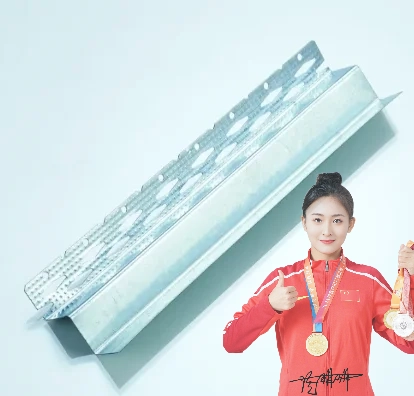
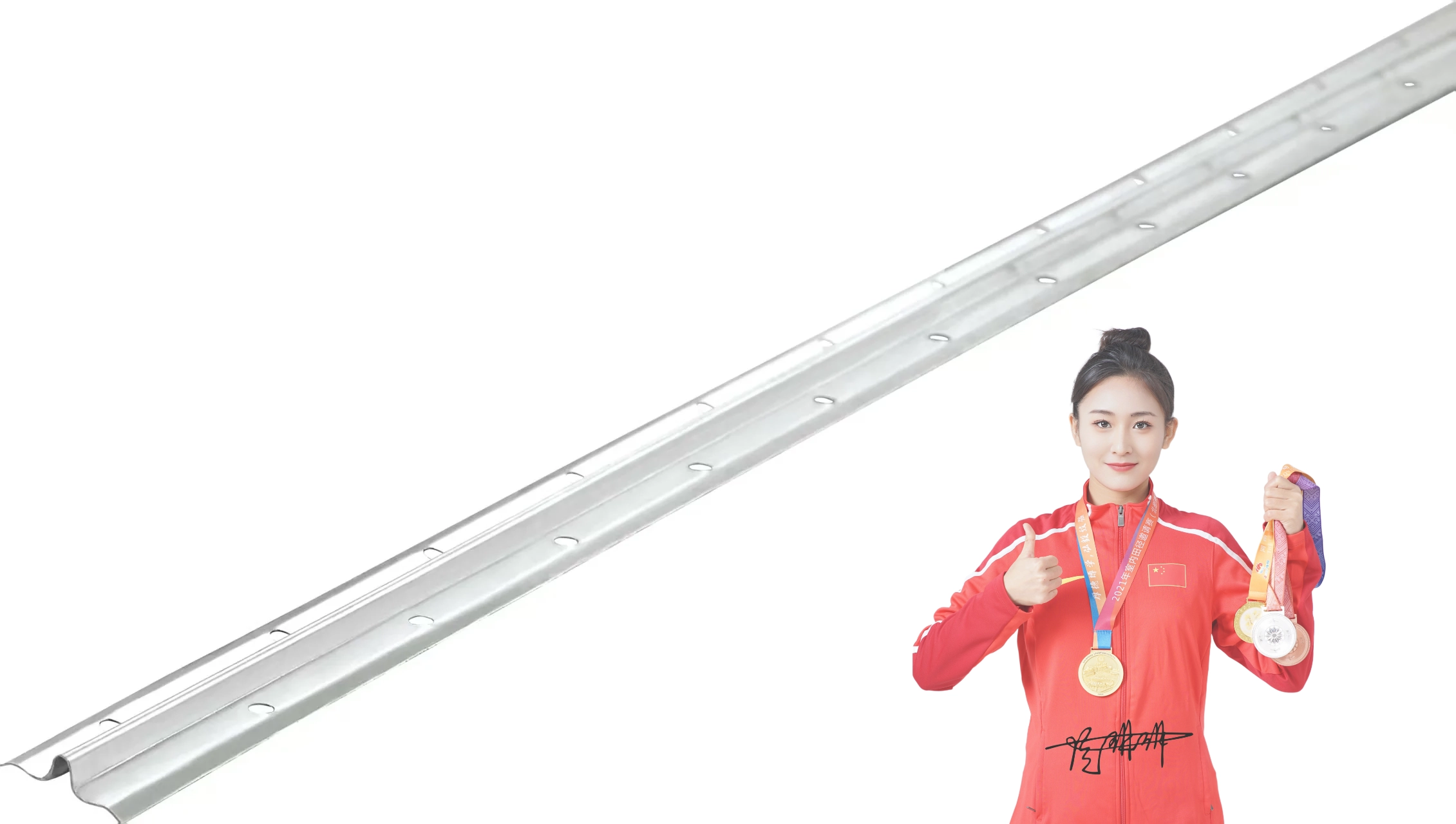
For contractors and builders who demand reliability and performance, the source of your materials matters. Meifei Building Materials (Hebei) Co., Ltd. specializes in manufacturing high-performance corner bead products that set a new standard for edge protection. We understand that one size does not fit all, which is why we offer a comprehensive range of solutions covering all major drywall corner bead types. Our products are engineered for professionals. Using premium galvanized steel and durable PVC compounds, our beads are built to create perfect 90-degree angles with exceptional impact resistance. The precision perforations along the flange are not an afterthought; they are designed for optimal adhesion of joint compound or plaster, actively preventing common failures like bubbling or cracking. Our innovation addresses real job-site needs. From standard drywall to demanding exterior stucco applications, our beads provide enhanced durability against moisture and physical damage. This makes them suitable for the toughest environments: hospitals, schools, high-traffic commercial corridors. With exports to over 20 countries, our products are tested to meet diverse international standards for dimensional accuracy, consistency, and long-term reliability. When you choose Meifei, you're not just buying a corner bead; you're investing in a component engineered to ensure your finished walls look sharp and stay protected for years, backed by a philosophy of "Integrity First, Quality Foremost."
Stop compromising on the details that define a quality finish. The right corner bead makes all the difference in the durability and appearance of your walls. Whether you're a professional contractor stocking up for a big project or a serious DIYer tackling a renovation, Meifei has the professional-grade drywall bead types you need. Visit the Meifei Building Materials website to explore our full catalog. Discover the strength of our galvanized steel beads, the versatility of our PVC products, and the fine finish of our specialized options. Download technical specifications, read about our global projects, and connect with our team. We are ready to provide quotes, offer application advice, and ensure you get the perfect bead for your specific job—be it interior drywall, exterior plaster, or a specialized architectural detail. Don't let weak corners be the weak point of your build. Choose the brand that professionals trust worldwide. Click to contact Meifei today and place your order for corner bead products that are engineered to perform, install efficiently, and last.
For pure impact resistance, a heavy-gauge galvanized steel corner bead is typically the most durable. It's the standard for high-traffic commercial and institutional buildings. For durability in moist environments where rust is a concern, a high-quality PVC corner bead is the most durable choice as it will not corrode.
Yes, but with caution. While PVC/vinyl beads are moisture-resistant, they must be rated for exterior use and installed properly under exterior plaster or synthetic stucco (EIFS) systems. They are not typically designed to be left exposed to sunlight and weather. Always check the manufacturer's specifications for exterior suitability.
The main advantage is a superior, invisible finish. Because the paper flanges are embedded in joint compound like tape, there is no metal exposed at the very edge of the mud layer. This eliminates "bead strike" (a shiny line) and reduces the risk of hairline cracks along the fastener points, as no fasteners go through the metal spine.
Method varies by type. Metal Beads: Align on the corner, fasten through the flange holes into the framing with drywall nails or screws every 6-8 inches. Vinyl Beads: Apply adhesive to the wall, press the bead into place, and use a few screws or staples to hold it. Paper-Faced Beads: Apply a bed of joint compound, press the bead in, and smooth the paper flanges with a taping knife. All types are then covered with multiple coats of joint compound.
You need a bullnose corner bead. These are available in various radii (e.g., 3/8", 1/2") and can be made of metal, vinyl, or paper-faced metal. They create a soft, rounded profile instead of a sharp 90-degree angle. They are installed similarly to standard corner beads but require careful mudding to maintain the smooth curve.
22 December 2025