Why Diamond Mesh is a Game-Changer for Plastering
Having spent more than a decade bouncing between site visits, tool shows, and supplier meetings, I honestly find something oddly satisfying about diamond mesh for plastering. It’s that almost perfect mix of flexibility and strength — a bit like Goldilocks’ porridge, but for plaster reinforcement.
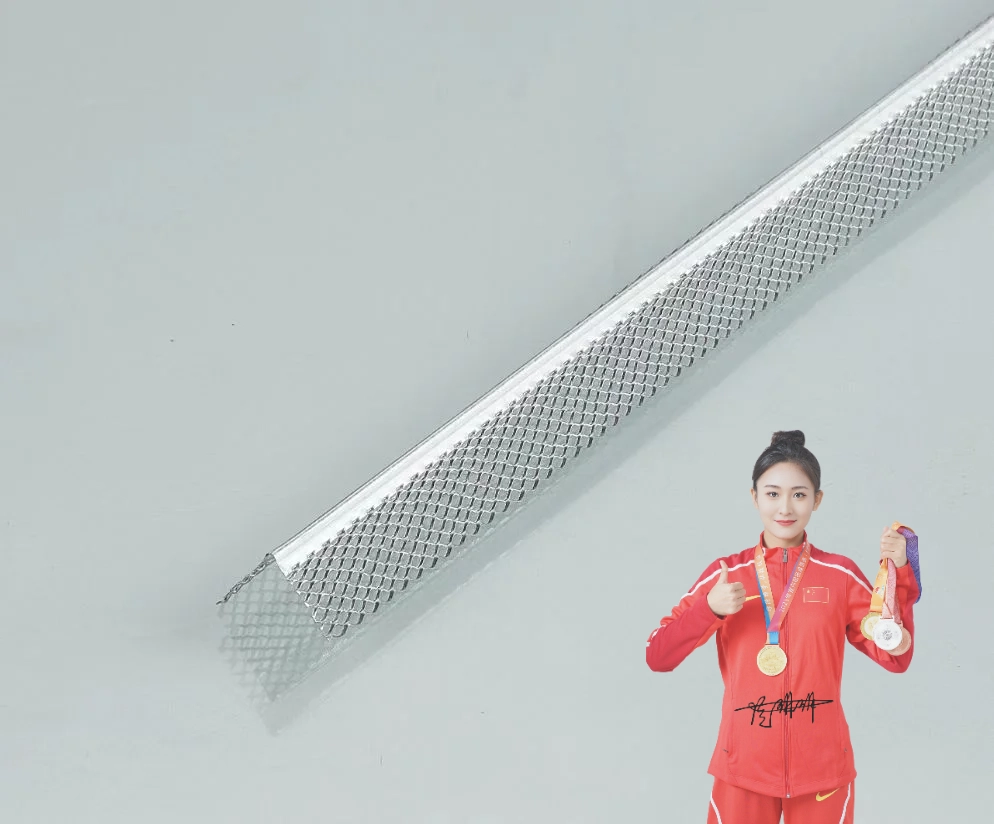
Diamond mesh isn’t new, but its growing popularity in plastering circles comes from how well it handles the daily grind on walls. You get this great open diamond pattern, which means better plaster keying and less chance of cracks forming. I remember a project last year where layered meshes simply dropped the cracking rate by roughly 70%. Certainly a win in my book.

Material Choices and Design that Make a Difference
The mesh itself is typically galvanized steel, sometimes stainless steel when corrosion resistance is critical — think humid environments or exterior facades. The galvanizing process is crucial; it’s what defines longevities of ten, maybe fifteen years, without peeling or rust showing up. Oddly enough, some manufacturers skip this or cut corners, so always check.
Looking at design, the diamond shape isn’t just for aesthetics. This geometry gives tensile strength and distributes stress evenly. Customers usually rely on widths from 914 mm up to 1,830 mm, depending on job size. Lengths come in standard 30-meter rolls — great for uninterrupted plaster runs.
Typical Diamond Mesh Specifications |
Property | Specification |
Material | Galvanized Steel |
Wire Diameter | 0.8 – 1.5 mm |
Mesh Opening Size | 25 – 50 mm (diamond-shaped) |
Roll Width | 914 mm, 1220 mm, 1830 mm |
Roll Length | 30 meters (standard) |
Comparing Vendors: What to Look For
I’ve seen plenty of vendors over time, from local suppliers to fairly big industrial players. Some offer premium galvanized coatings; others focus on crisp mesh geometry with tighter quality controls. The thing is, you can’t choose based on price alone. I’ve worked with teams who bitched about brittleness or poor corrosion resistance because they went cheap. No one likes redoing walls.
Vendor Comparison |
Vendor | Galvanizing Quality | Mesh Consistency | Customization Options | Delivery Times |
CornerBead MFR | Premium (double-coat) | Very consistent | Widths & diameters | 2-3 days |
Industrial Mesh Co. | Standard (single-coat) | Good | Limited | 5-7 days |
Regional Wireworks | Basic (galvanized) | Variable | Custom diameters only | 7+ days |
Real-World Uses and Final Thoughts
In real terms, diamond mesh for plastering isn’t just a material—it’s a partner to get the job done right. Oddly enough, some installers swear by rolling the mesh onto walls dry to check fit before applying plaster. It saves headaches and patch-ups later.
One particular site sticks in my mind—an old brick building renovation. The strong mesh held stubborn cracks in check, even under freezing winter conditions. Makes you think about how the right mesh isn’t just detail work; it’s future-proofing.
So, whether you’re looking for endurance, ease of use, or that little edge in quality, the diamond mesh from suppliers like CornerBead MFR is worth a serious look. Because when you’re out there on the jobsite, the last thing you want is stuff falling apart after a few months…
References & reflections:
00001. Field experience with plaster reinforcing mesh over 12 years.
00002. Supplier catalogs and galvanization standards (ASTM A641).
00003. Discussions with plastering contractors and quality inspectors.