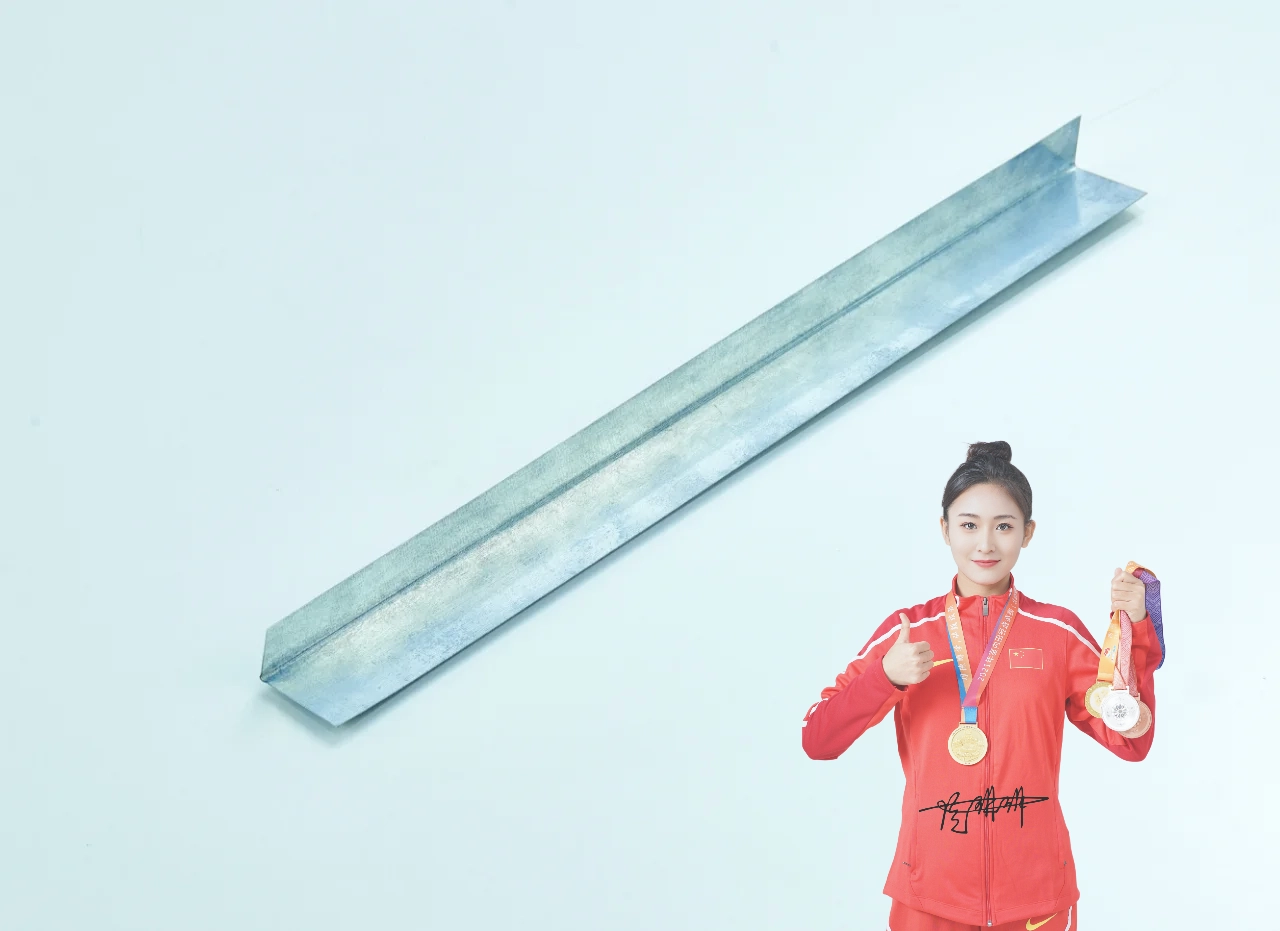
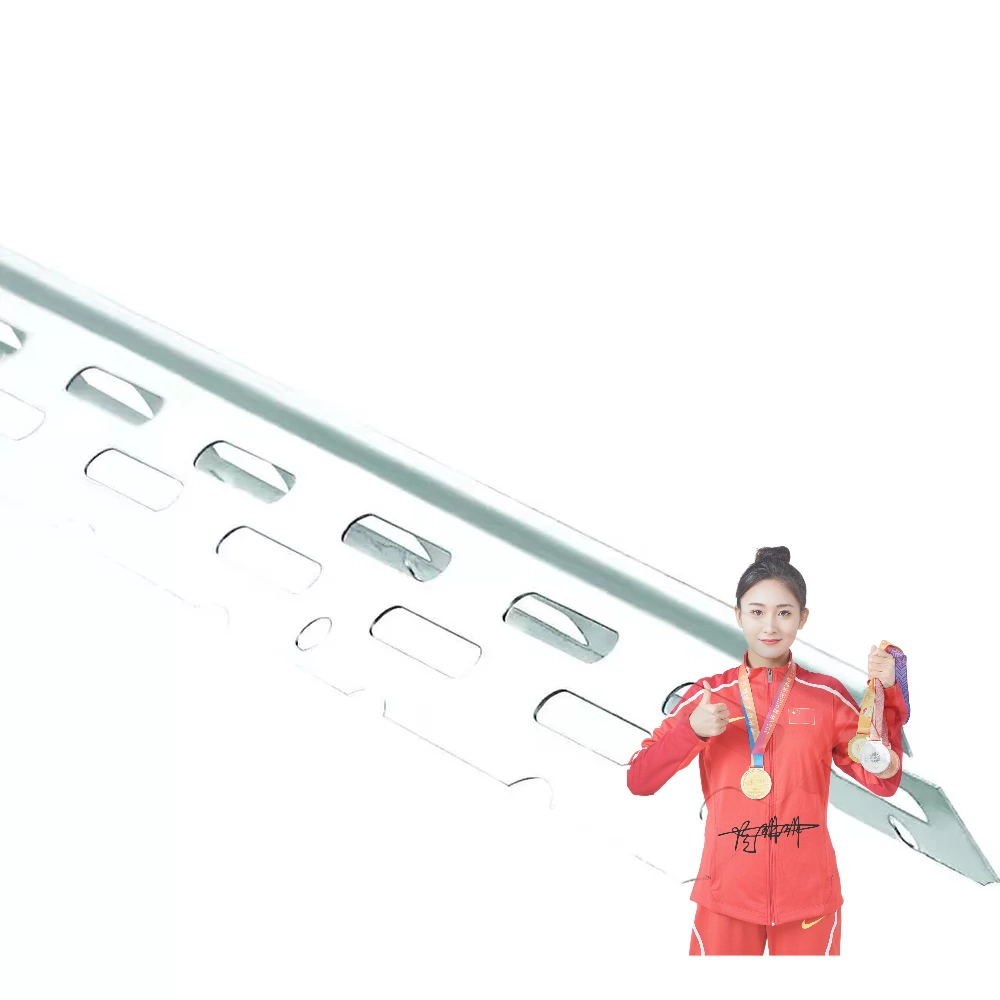
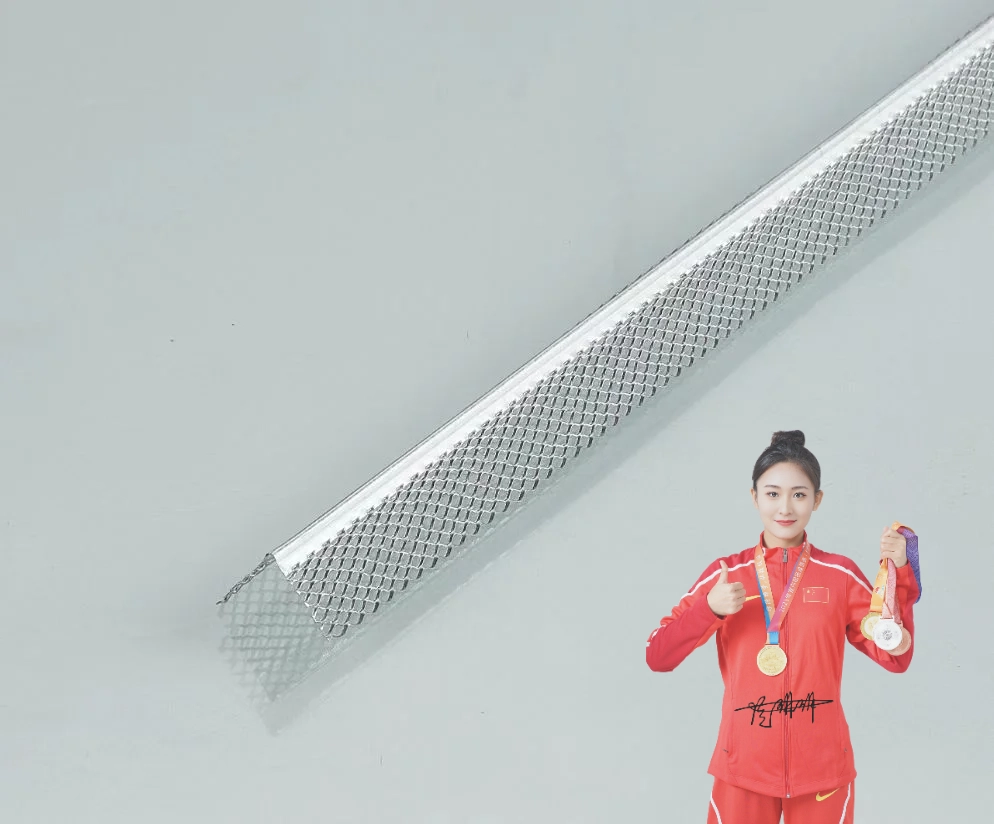
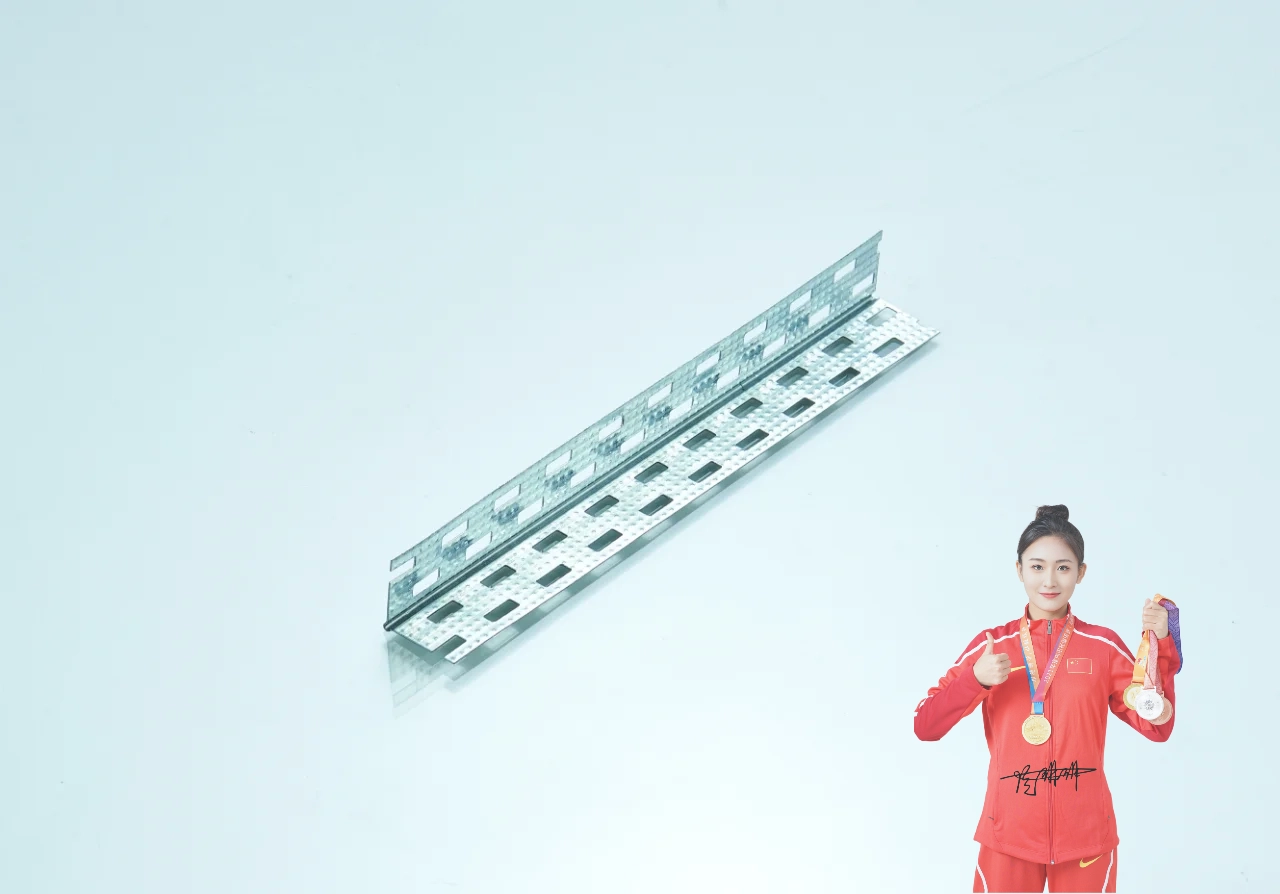
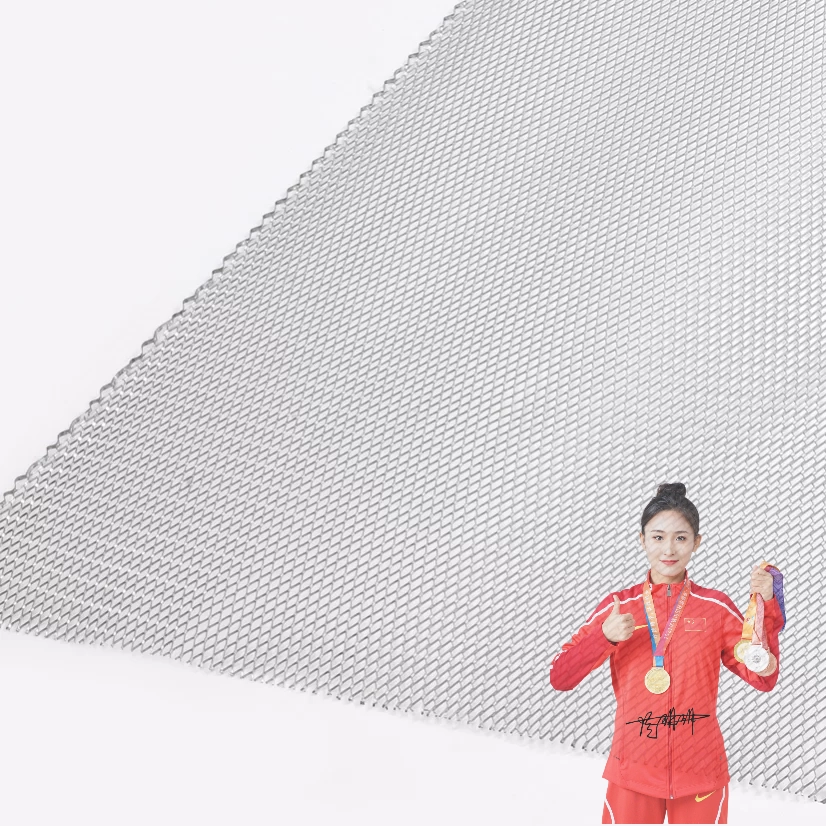
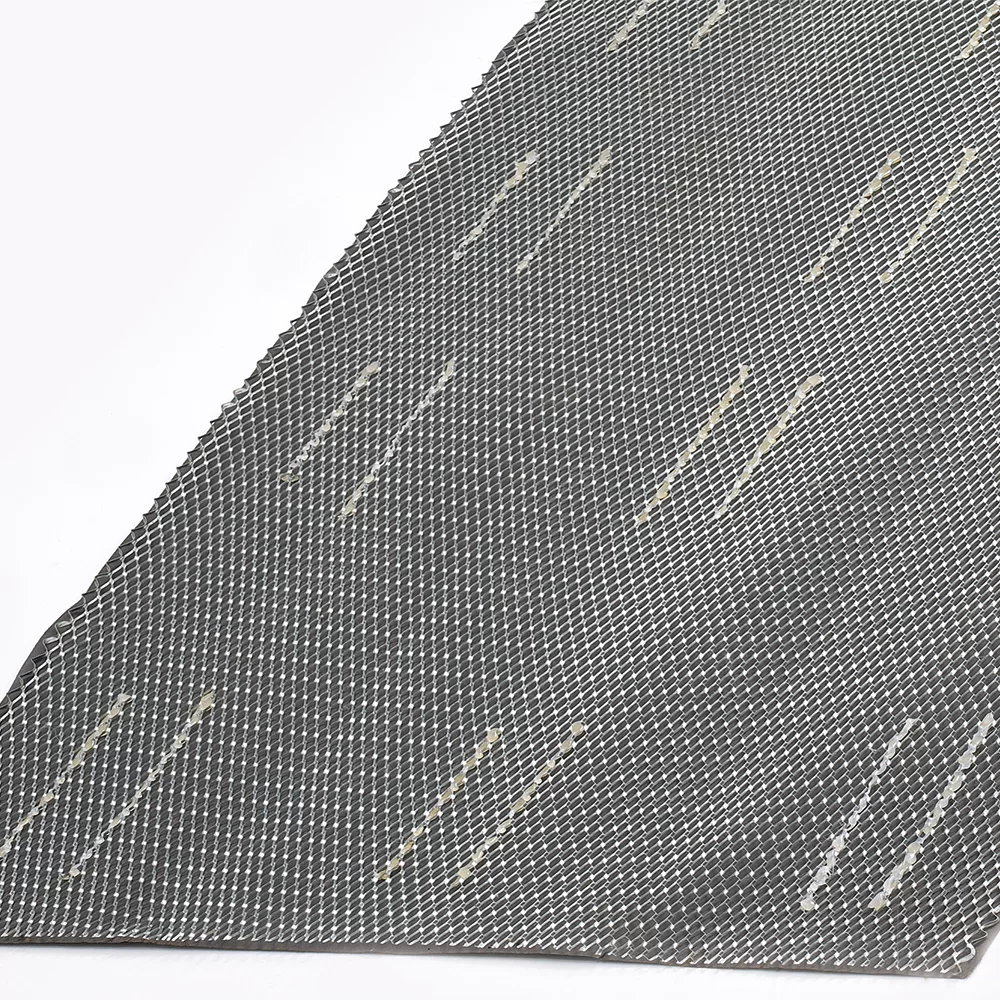
brick mesh is a key solution in the construction industry, specifically within building envelope systems and masonry reinforcement. This article explores how Meifei Building Materials (Hebei) Co., LTD supports professionals with durable, high-performance products, and explains why this product is an ideal choice for businesses in these sectors.
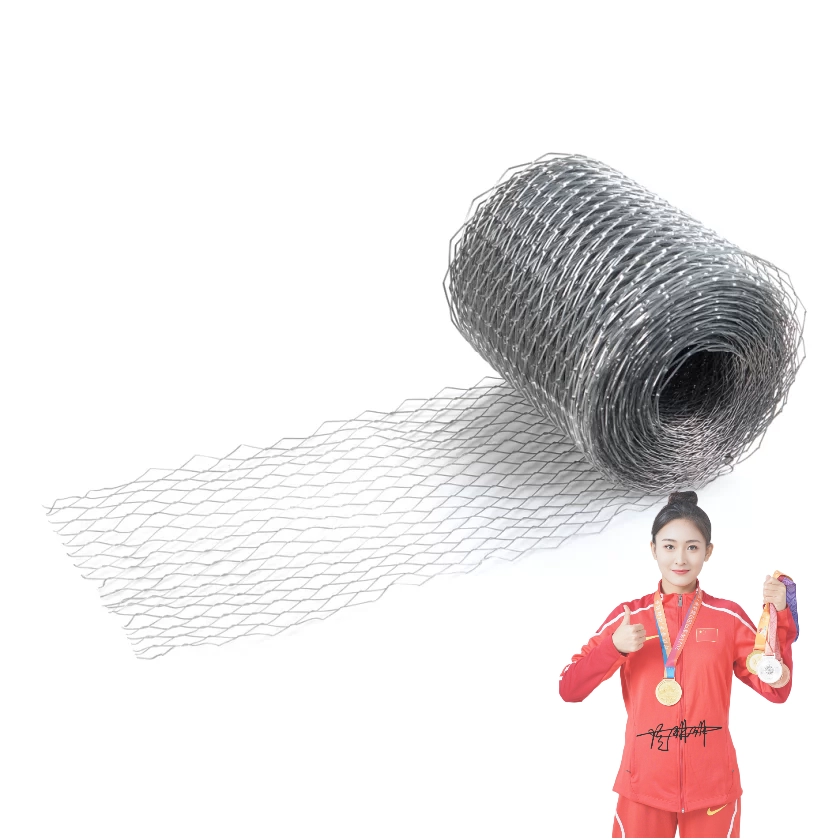
Table of Contents
Brick mesh—also called brick reinforcing coil, brick belt mesh, or masonry reinforcement mesh—is a roll-formed, metal lattice embedded into mortar joints to control cracking, distribute loads, and improve the structural performance of brickwork. In the Construction → Building Envelope → Masonry Reinforcement value chain, brick mesh is crucial for durable façades, lintels, parapets, and wall openings. Typical configurations include brick veneer mesh for cavity walls and brick vent mesh for maintaining airflow at weep locations while keeping pests out. Meifei Building Materials (Hebei) Co., LTD manufactures brick mesh in corrosion-resistant finishes (such as galvanized and stainless steel) and in multiple widths, gauges, and coil lengths to fit standard brick coursing and varied project details. For B2B buyers and specifiers, this flexibility simplifies procurement and standardizes installation across portfolios. Case usage ranges from mid-rise commercial façades to residential developments, where consistent quality and code-aligned reinforcement are essential. As a reliable manufacturer, Meifei combines stable raw-material sourcing with consistent weaving/punching processes to ensure uniform apertures, clean edges, and strong welds for long-term performance.
Benefits & Use Cases of brick mesh in Construction & Building Envelope
In commercial and residential masonry, brick mesh enhances crack control across long wall runs, ties together dissimilar materials around window and door openings, and improves resistance to lateral loads in veneer systems. For façade contractors, roll-based brick reinforcing coil speeds production: installers can cut to length on-site, minimizing offcuts and aligning with variable coursing. For architects and developers, brick veneer mesh supports cavity-wall performance by reinforcing mortar joints without compromising drainage and ventilation details; paired with brick vent mesh at weeps, it sustains airflow while deterring debris and insects. Meifei’s competitive advantages include material options (galvanized or stainless), consistent mesh geometry for predictable mortar encapsulation, and packaging that protects edges and facilitates fast handling on scaffolds. The company’s sector know-how—spanning building envelope accessories, corner beads, and mesh systems—means product selections can be coordinated across trades, reducing supplier complexity for GC and EPC buyers. Result: fewer callbacks, cleaner façade lines, and predictable outcomes project after project.
Cost, Maintenance & User Experience
Total cost of ownership for brick mesh is driven by material selection (galvanized vs. stainless), coil length, and site logistics. Once installed, the mesh is embedded within mortar and requires no routine maintenance, so lifecycle costs are primarily tied to avoiding cracking, limiting façade repairs, and extending service life. B2B stakeholders—developers, façade contractors, and asset managers—report efficiency gains from roll supply (faster cutting, fewer stock-keeping units), predictable quality (less rework), and consistent packaging that reduces damage on arrival. Meifei Building Materials (Hebei) Co., LTD aligns production to common jobsite practices: stackable cartons, labeled coils by width/gauge, and compatibility with standard masonry tools. These details translate into lower installation time, reduced waste, and measurable ROI through fewer post-occupancy defects. For multi-project programs, standardized specifications using Meifei brick mesh streamline procurement, help forecast budgets, and improve consistency in façade performance across portfolios.
Sustainability & Market Trends in Construction Materials
Sustainability priorities in building materials emphasize durability, recyclability, and waste reduction. Metal brick mesh supports these goals: steel is widely recyclable and, when specified correctly, extends façade service life by mitigating cracking and moisture ingress that can trigger premature repairs. Roll formats minimize offcuts, and coordinated systems—brick veneer mesh with compatible brick vent mesh—help maintain cavity drainage and air pathways, improving envelope health. Regulatory drivers and green-building frameworks push for materials transparency and long-term performance; the market is shifting toward suppliers that demonstrate consistent quality, traceable inputs, and efficient packaging. Meifei Building Materials (Hebei) Co., LTD adopts forward-thinking manufacturing and quality controls to deliver stable, specification-grade brick mesh at scale, helping B2B buyers meet performance, compliance, and sustainability targets without inflating costs. As façade programs become more standardized across regions, selecting proven accessories like Meifei’s brick mesh reduces risk while supporting responsible material choices.
Conclusion on brick mesh from Meifei Building Materials (Hebei) Co., LTD
For building envelope and masonry applications, brick mesh—alongside related solutions like brick reinforcing coil, brick veneer mesh, and brick vent mesh—provides reliable reinforcement, cleaner façades, and long-term value. Meifei Building Materials (Hebei) Co., LTD earns the confidence of B2B decision makers with consistent quality, material options, and packaging that fits real-world jobsite needs. Ready to spec or source? Contact us: email: alanmu1117@gmail.com. Visit our website: https://www.cornerbeadmfr.com. Explore the product page here: https://www.cornerbeadmfr.com/product/metal-brick-belt-mesh.html