What is the Best Metal Corner Bead for Your Drywall Project?
Enhancing Durability and Finish with Quality Corner Beads
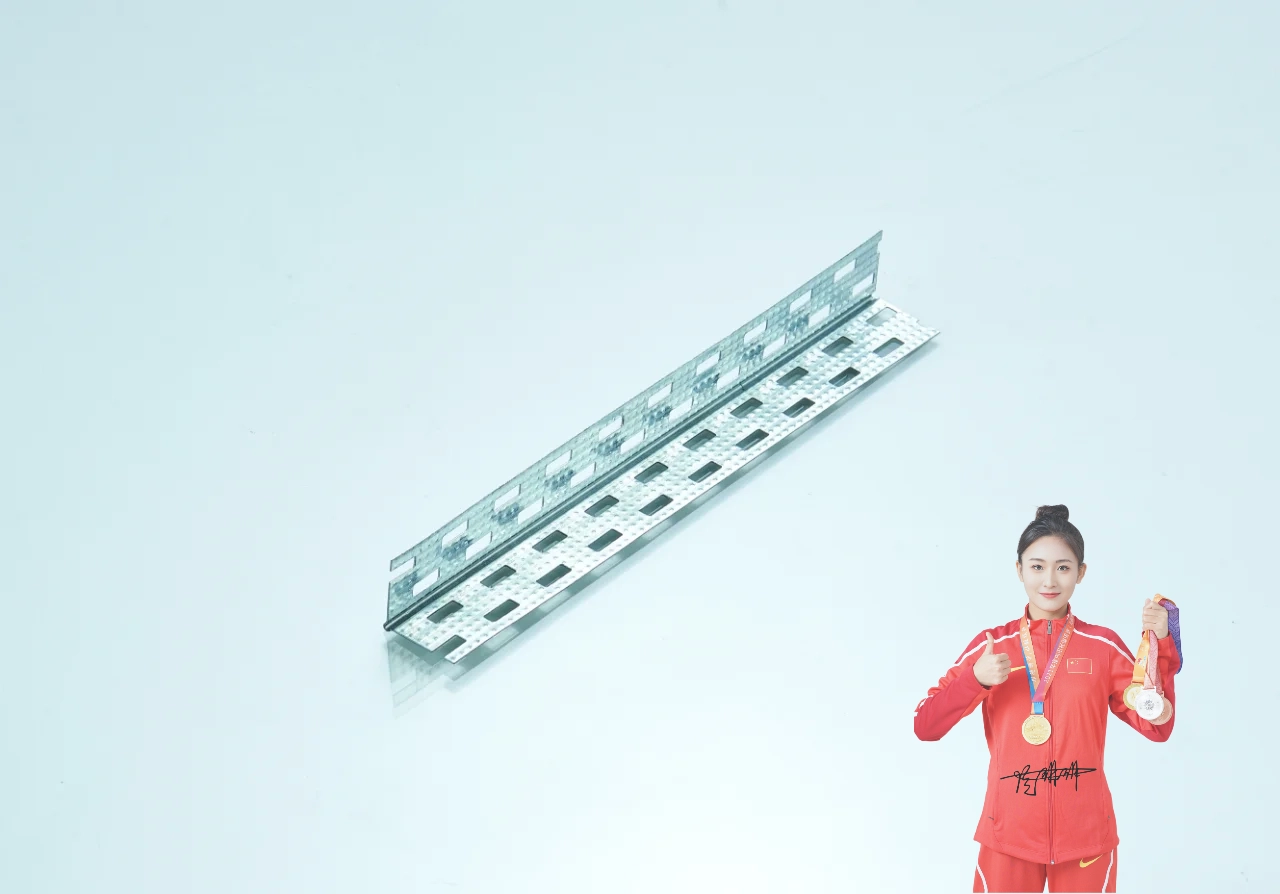
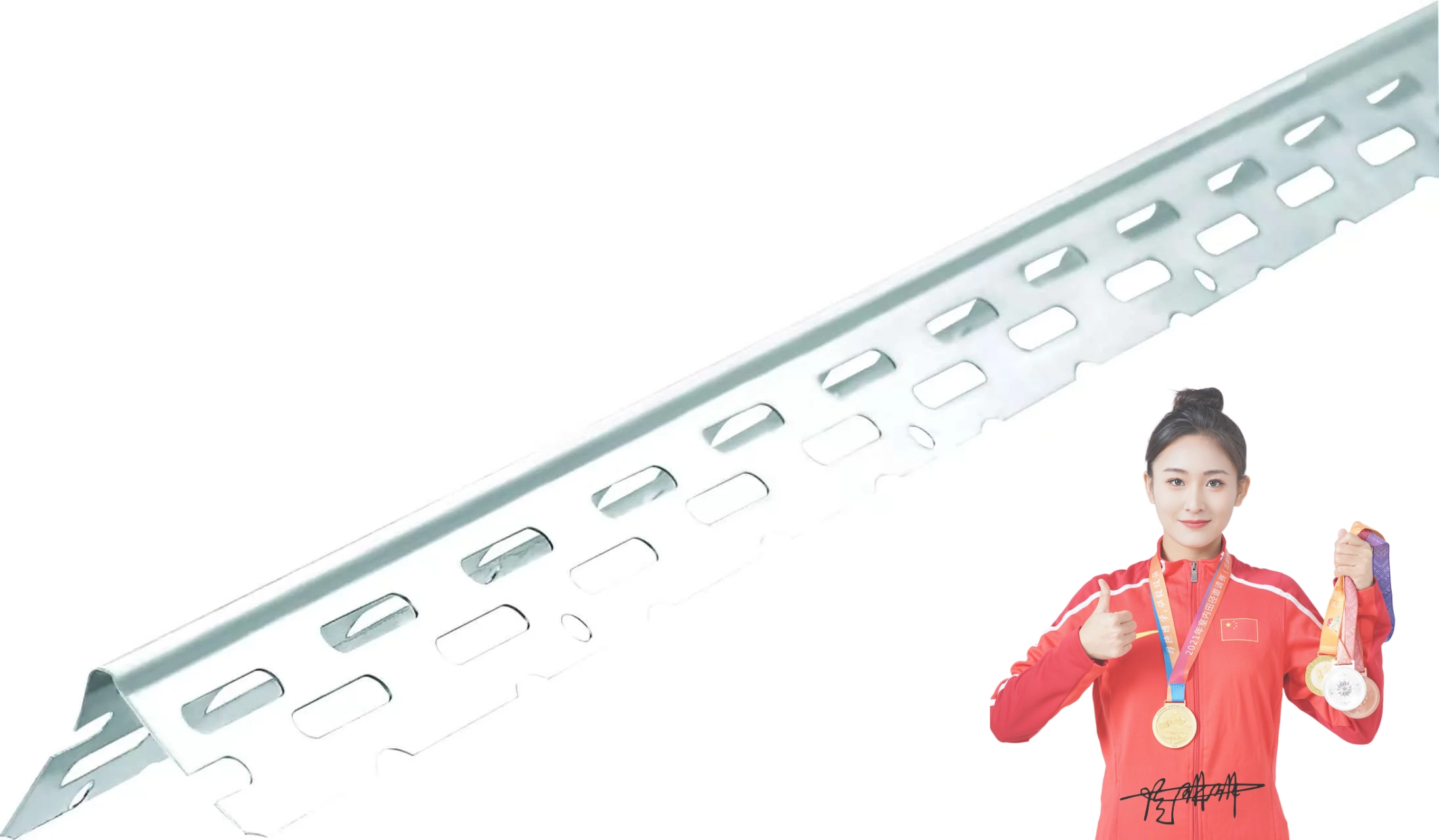
When it comes to professional drywall and plaster installations, the quality of finishing materials makes all the difference. An essential component for achieving crisp, durable corners is the metal corner bead. This critical element reinforces and shapes external corners, protecting them from damage, chipping, and wear while ensuring a superior aesthetic finish.
Our metal corner bead range is crafted from high-quality galvanized steel, aluminum, or stainless steel, offering robust solutions for both residential and commercial projects. With over 60 types available in terms of structure, coating, shape, and edge profile, we provide tailored options for drywall, cement rendering, and external plaster finishes. From new constructions to renovations, investing in the right corner bead guarantees a significant improvement in final wall quality.
Material Options for Superior Performance:
· Galvanized Steel: Offers exceptional durability, rust resistance, and strong impact protection for general applications.
· Aluminum: Lightweight and inherently corrosion-resistant, making it ideal for wet or humid environments.
· Stainless Steel: The premium choice for ultimate strength and long-term corrosion protection, perfect for high-traffic areas or demanding outdoor applications.
Where Are Metal Corner Beads Used? Key Applications
Corner beads are indispensable for both interior and exterior wall finishing, especially during the plastering and surfacing stages. They serve the dual purpose of creating clean angles and reinforcing vulnerable points in the wall structure. The proper application of a metal corner bead for drywall ensures longevity and a professional appearance.
Typical application locations for sheetrock corner bead include:
· Door and window openings, where sharp, protected edges are crucial.
· Wall edge corners, to prevent chipping and wear.
· Columns and pilasters, for architectural definition.
· Ceiling joints and beams, providing seamless transitions.
· External corners in drywall or cement rendering, requiring robust protection.
The strategic use of corner beads helps to:
· Create perfect right angles, rounded edges, or regular straight finishes.
· Prevent edge cracking, crumbling, or chipping over time, enhancing durability.
· Increase execution speed and reduce rework during the finishing process.
· Provide a straight guide for trowels and taping knives during plaster application, ensuring consistent results.
Metal Corner Bead in Action
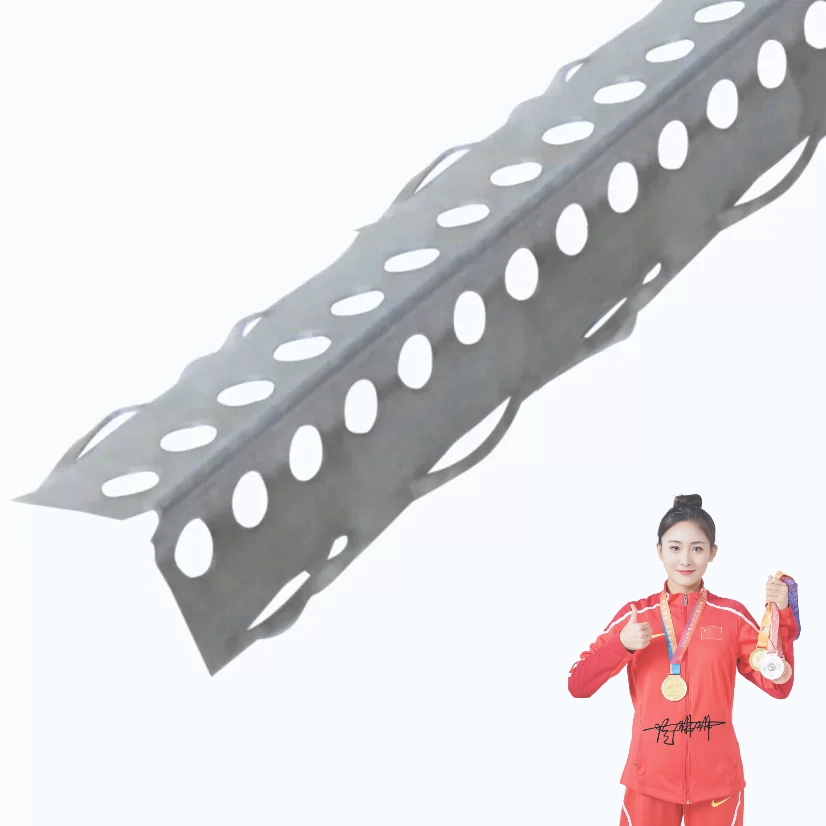
Achieve perfect edges with our high-quality metal corner bead.
Why Metal Corner Bead Outperforms Plastic
While plastic (PVC) corner beads are available, metal corner beads are overwhelmingly preferred in most professional installations. The choice between materials significantly impacts the long-term integrity and appearance of your corners.
· Plastic beads may crack or deform during fastening, especially in cold temperatures.
· They offer less robust protection to external corners against impacts.
· Metal corner beads, conversely, provide superior strength, precision, and long-lasting results. Their rigidity ensures straight lines and excellent impact resistance, making them a must-have for high-quality finishing and demanding environments.
Detailed Manufacturing Process of Metal Corner Beads
Our commitment to quality begins with a rigorous manufacturing process, ensuring every metal corner bead meets the highest industry standards. Below is an overview of our production flow:
Materials and Sourcing:
· Raw Material Selection: We source premium-grade galvanized steel, aluminum (typically 3003 or 5052 alloy), and stainless steel (304 or 316 grade) coils from certified suppliers. Materials are chosen for optimal corrosion resistance, strength, and malleability.
· Coating Options: For galvanized steel, we specify G60 or G90 hot-dip galvanized coatings for enhanced rust protection. Some products feature additional polymer coatings for specific applications.
Manufacturing Methods:
1. Uncoiling and Slitting: Large metal coils are uncoiled and precisely slit into narrower strips according to the desired width of the corner bead flanges.
2. Roll Forming: The slit metal strips are fed into a multi-stage roll-forming machine. This process progressively shapes the flat strip into the desired corner bead profile (e.g., L-shaped, bullnose, or wide flange) with high precision.
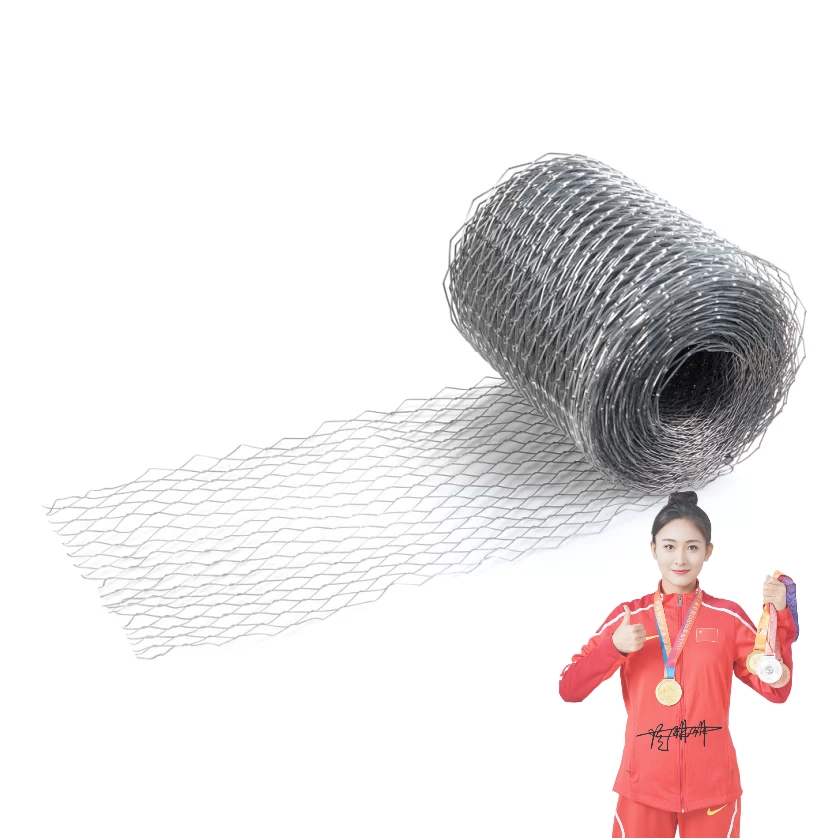
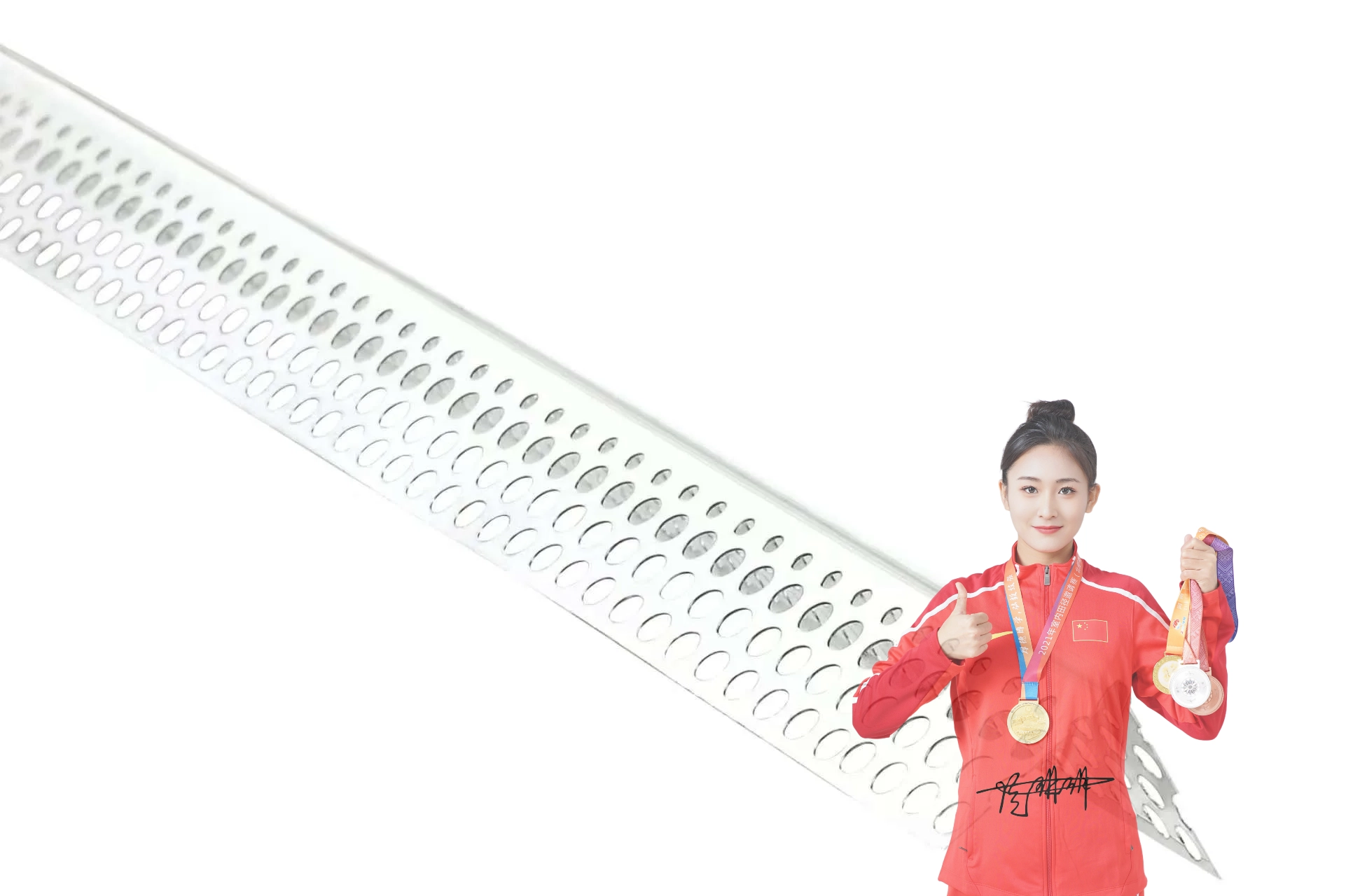
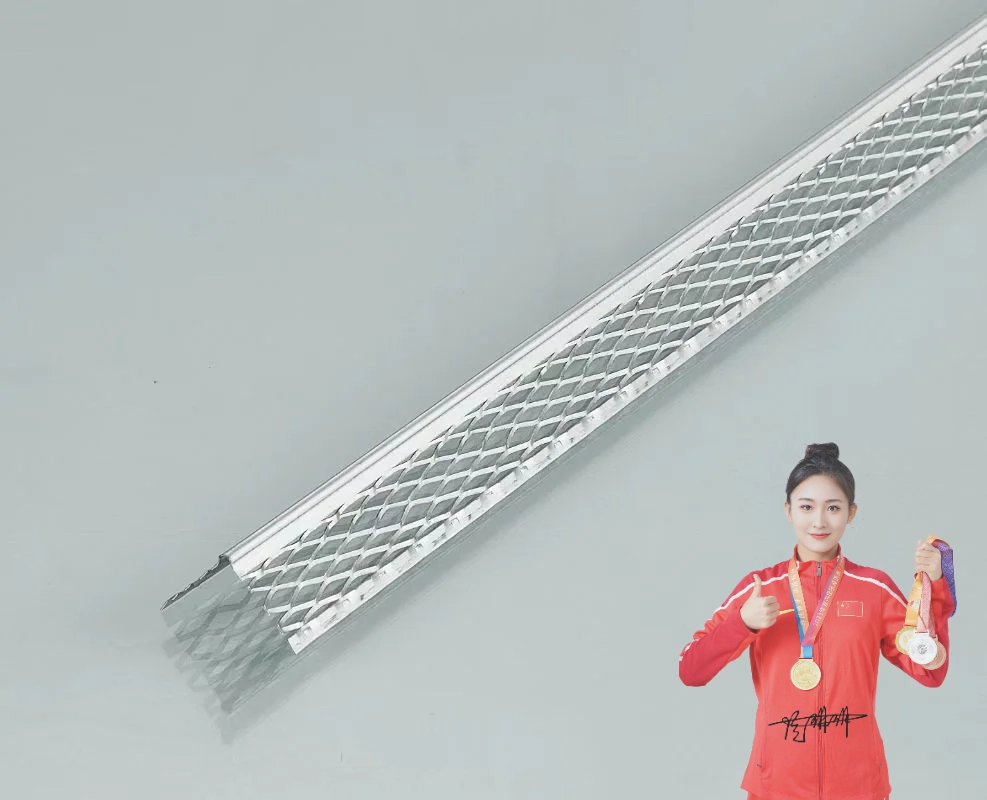
3. Perforation/Punching: During or after roll-forming, the flanges are perforated with holes or expanded mesh patterns. These perforations allow joint compound to pass through, creating a strong bond with the drywall or plaster.
4. Cutting to Length: The continuous formed profile is then cut to standard lengths (e.g., 8 ft, 9 ft, 10 ft) using automated cutting tools, ensuring clean, burr-free edges.
5. Optional Surface Treatment: For specific applications, an additional powder coating or anodizing process may be applied to aluminum beads for enhanced aesthetics or corrosion resistance.
Quality Control and Testing Standards:
· Dimensional Accuracy: Each batch undergoes strict checks for profile dimensions, flange width, and straightness to ensure consistency and ease of installation.
· Material Composition: Raw materials are verified through spectroscopy to confirm compliance with ASTM standards (e.g., ASTM A653 for galvanized steel, ASTM B209 for aluminum, ASTM A240 for stainless steel).
· Coating Adhesion & Thickness: For galvanized products, coating thickness is measured (e.g., per ASTM A90) and adhesion tests are performed to ensure long-term rust protection.
· Impact Resistance: Samples are subjected to impact tests to verify their ability to protect corners under typical conditions.
· Corrosion Resistance: Salt spray tests (e.g., ASTM B117) are conducted on a regular basis for selected products, particularly stainless steel and specially coated items.
Service Life and Applicable Industries:
With proper installation and suitable environmental conditions, our metal corner beads are designed for an exceptional service life, often exceeding 50 years. They are widely used across:
· Residential Construction (Homes, Apartments)
· Commercial Buildings (Offices, Retail, Hospitality)
· Institutional Facilities (Hospitals, Schools)
· Industrial Complexes (Warehouses, Factories)
· Renovation and Retrofit Projects
Technical Specifications: Standard Metal Corner Bead
Below are typical parameters for our most popular galvanized steel metal corner bead.
Parameter | Specification | Standard |
Material | Hot-Dip Galvanized Steel | ASTM A653 / JIS G3302 |
Zinc Coating (Galvanization) | G60 (Z180) or G90 (Z275) | ASTM A90 / EN 10346 |
Gauge (Thickness) | 26 GA (0.45mm) to 20 GA (0.9mm) | +/- 0.05mm tolerance |
Flange Width | 25mm, 30mm, 32mm, 40mm (1", 1.25", 1.5", 1.6") | Customizable |
Length | 2.4m, 2.7m, 3.0m (8ft, 9ft, 10ft) | Customizable |
Perforation Pattern | Standard Round Holes / Expanded Mesh | Optimized for compound adhesion |
Corrosion Resistance | High (depends on coating level) | ASTM B117 Salt Spray Test |
Impact Resistance | Excellent | Internal Testing Protocols |
Installation Guide: How to Apply a Metal Corner Bead
Proper installation is key to maximizing the benefits of a metal corner bead. Follow these steps for a flawless finish, applicable whether you're working with metal corner bead for drywall or plaster.
Tools & Materials Needed:
· Corner bead (galvanized or stainless steel)
· Tin snips
· Tape measure
· Screw gun or drill
· 1 1/2" or 2" drywall screws
· Drywall joint compound (setting-type and ready-mixed)
· Joint knife (6” and 10” sizes)
· Sandpaper (medium grit)
Installation Steps:
1. Step 1: Cut the Bead
Measure the length of each external corner using a tape measure. Use tin snips to cut the corner bead to size—cut in from both sides and bend the bead in the center to snap it cleanly.
2. Step 2: Attach the Corner Bead
Hold the bead tightly against the drywall corner, pressing the peak firmly with your palm. Drive screws through the holes in the bead at 12-inch intervals along both walls. Begin at the top and work downward. Ensure each screw sinks slightly below the surface to create a small depression in the drywall without tearing the paper surface.
Tip: Avoid placing screws directly opposite each other—stagger them for a more secure hold. Use a joint knife to check that the bead lies flat the entire length of the wall.
3. Step 3: Apply First Coat of Joint Compound
Using a 6-inch joint knife, apply a generous amount of setting-type joint compound along both sides of the bead. Use criss-cross strokes to cover all metal surfaces and feather the edges smoothly into the drywall. Start at one end and work continuously toward the other, resting one side of the knife on the corner bead and the other on the drywall. Remove any excess mud while floating the knife across the surface to achieve a level base coat.
4. Step 4: Smooth the Corner
Clean your knife frequently to avoid dried mud buildup. Once the initial coat is complete, run a clean, straight blade down the entire corner in one continuous pass to level the surface and remove raised edges. Use the blade’s edge to skim and flatten any mud buildup along the wall edge. Final touch: Before letting the compound set, scrape upward along the peak of the metal corner bead to remove any raised mud line.
5. Step 5: Apply a Second Coat of Mud
Once the first coat has dried fully (check label instructions—dry time varies), lightly scrape any rough patches. Using a larger joint knife (10” or 12”), apply a second, thinner layer of ready-mixed compound. Feather the compound beyond the edges of the first coat to blend it into the wall surface. Use light, continuous pressure and overlapping strokes for a smooth, even finish. Let this coat dry for 12–24 hours.
6. Step 6: Final Smoothing and Sanding
After the compound dries completely, sand the area lightly using medium-grit sandpaper. Focus especially on the wall edges to blend the plaster and avoid cutting into drywall paper. The finished surface should be level, smooth, and ready for painting or final decoration.
Key Benefits of Our Metal Corner Beads
· Structural Reinforcement: Protects and strengthens exposed corners from daily wear and accidental impact, ensuring long-lasting integrity.
· Sharp Finishes: Ensures straight lines and defined angles with minimal effort, providing a professional aesthetic.
· Time-Saving: Guides smoother plastering and reduces sanding, significantly speeding up wall finishing projects.
· Durability: Corrosion-resistant metal provides long-term performance in various climates and environments.
· Easy to Use: Installs quickly and securely with screws or nails; no special tools required beyond standard drywall equipment.
· Versatile Applications: Suitable for drywall, cement render, lime plaster, and other wall finishing materials.
· Compliance with Standards: Manufactured to meet or exceed relevant building codes and industry standards like ASTM C1047 for gypsum board accessories.
Vendor Comparison: Why Choose Our Metal Corner Beads?
Choosing the right supplier for your metal corner bead needs is crucial. We stand apart through our extensive product range, quality assurance, and customer-centric services. With over 60 types of corner beads in our catalog, we provide tailored solutions for:
· Right-angle corners
· Rounded corners (Bullnose profiles)
· Wide flange beads for stronger adhesion
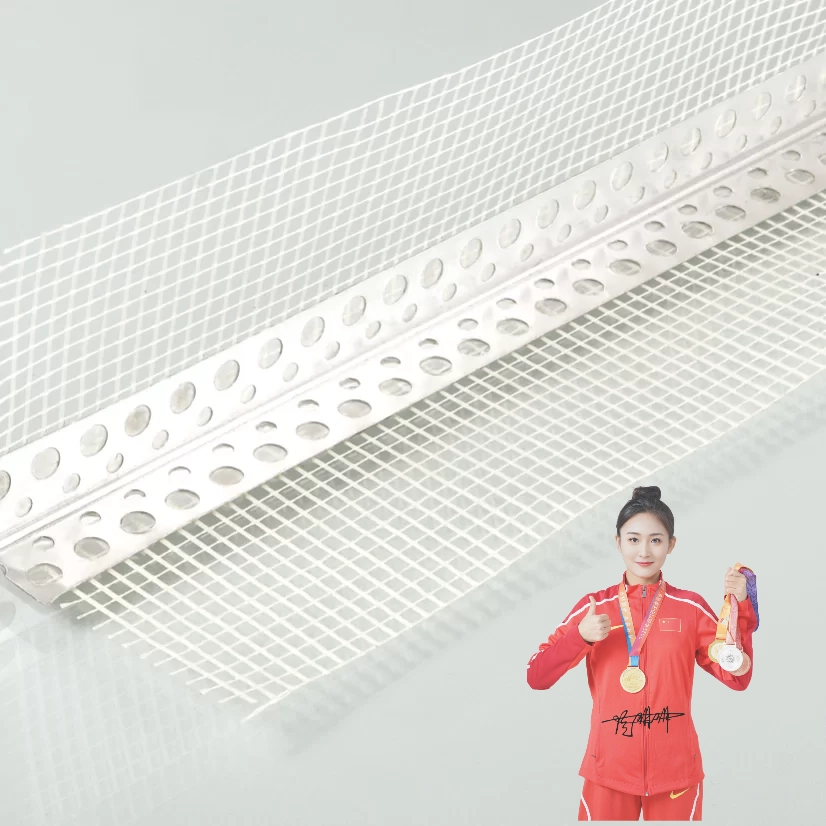
· Angle beads with mesh flanges for plastering
· PVC-metal hybrid options (on request for specific flexibility/strength needs)
Feature | Our Metal Corner Beads | Typical Competitor |
Product Variety | 60+ types (Galvanized, Aluminum, SS, PVC-Metal) | Limited selection (e.g., 5-10 types, mainly galvanized) |
Material Quality | Premium (G60/G90 galvanized, 304/316 SS) | Standard (e.g., G40 galvanized, basic steel) |
Customization | OEM services, custom dimensions, packaging | Minimal or no customization |
Certifications | ISO 9001, ASTM, CE compliant | Often none or basic compliance |
Lead Time (Bulk) | Fast global delivery (3-4 weeks avg.) | Longer lead times (6-8 weeks avg.) |
After-Sales Support | Dedicated technical support, warranty | Limited or no formal support |
Target Markets | Europe, North America, Southeast Asia, Middle East | Mainly local or regional |
We support bulk orders, OEM services, customized packaging, and fast global delivery. Our products are trusted by drywall professionals, plastering contractors, and construction firms across Europe, North America, Southeast Asia, and the Middle East, a testament to our quality and reliability.
Real-World Case Studies & Customer Feedback
Case Study: High-Rise Residential Project, New York City
A prominent New York City developer required a robust solution for thousands of linear feet of metal corner bead around windows and other external corners in a luxury residential tower. Our galvanized steel corner beads (26 GA, G90) were chosen for their proven durability and ease of installation. The project lead noted, "The consistency of the product allowed our crews to maintain a high pace, and the finished corners are exceptionally sharp and resilient. It significantly contributed to the project's high-end finish."
Customer Feedback:
"We've been using their metal corner bead for drywall for years. The quality is consistently excellent, and their ability to supply specialized profiles for unique architectural designs is invaluable. Their stainless steel options are perfect for our coastal projects."
— Mark T., Senior Project Manager, Coastal Construction Group
"The delivery times are reliable, and their customer service team is always responsive. The sheetrock corner bead products arrive well-packaged, reducing damage on site. A truly professional supplier."
— Sarah L., Procurement Officer, Global Drywall Solutions
Certifications, Test Data, and Authoritative Standards
Our metal corner beads are manufactured under stringent quality controls and adhere to international standards, ensuring reliability and performance for every project.
Key Certifications:
· ISO 9001:2015: Certified Quality Management System, demonstrating our commitment to consistent quality.
· CE Marking: Compliant with European Union health, safety, and environmental protection standards.
· Local Building Code Approvals: Our products meet relevant local building codes in North America, Europe, and other target markets.
Relevant Test Data (Sample):
· Salt Spray Test (ASTM B117): Galvanized steel (G90) samples consistently show no red rust after 500+ hours. Stainless steel (304) samples show no red rust after 1000+ hours.
· Adhesion Test (ASTM D3359): Joint compound adhesion to perforated flanges demonstrates excellent bonding strength, exceeding minimum requirements.
· Tensile Strength (ASTM A370): Material tensile strength is regularly tested to confirm it meets or exceeds specified material grades.
Authoritative Standards:
· ASTM C1047: Standard Specification for Accessories for Gypsum Wallboard and Gypsum Veneer Base.
· ASTM A653 / A653M: Standard Specification for Steel Sheet, Zinc-Coated (Galvanized) or Zinc-Iron Alloy-Coated (Galvannealed) by the Hot-Dip Process.
· ASTM B209: Standard Specification for Aluminum and Aluminum-Alloy Sheet and Plate.
· EN 10346: Continuously hot-dip coated steel flat products.
Frequently Asked Questions (FAQ)
Q: What is the primary difference between galvanized steel and stainless steel corner beads?
A: Galvanized steel is excellent for most interior and protected exterior applications, offering good rust resistance. Stainless steel provides superior corrosion resistance, making it ideal for highly humid environments, marine applications, or areas exposed to harsh chemicals or extreme weather.
Q: Can your metal corner beads be used with different types of plaster?
A: Yes, our metal corner beads are designed for versatility. They are suitable for use with gypsum-based joint compounds, cement rendering, and various traditional lime plasters, provided the correct type of bead (e.g., mesh flange for plaster) is selected.
Q: Do you offer custom sizes or profiles for large projects?
A: Absolutely. We offer comprehensive OEM services, including custom lengths, flange widths, gauges, and unique profiles to meet specific project requirements. Please contact our sales team to discuss your custom needs.
Q: What is the typical delivery time for bulk orders?
A: For standard bulk orders, our typical delivery time ranges from 3-4 weeks, depending on the destination and order volume. We also offer expedited shipping options for urgent requirements. Our logistics team works closely with clients to ensure timely delivery.
Ordering Information: Delivery, Warranty, and Support
We are committed to providing an exceptional experience from inquiry to after-sales support.
Delivery:
· Global Shipping: We provide reliable shipping services worldwide, optimizing routes for cost-effectiveness and speed.
· Packaging: All metal corner bead products are securely packaged to prevent damage during transit, typically in bundles or robust crates. Custom packaging options are available upon request.
· Lead Time: Standard orders generally ship within 3-4 weeks. Expedited options are available.
Warranty:
All our corner beads come with a standard 5-year limited warranty against manufacturing defects and material failures, ensuring your investment is protected. Specific long-term performance guarantees may vary by product type and application conditions.
After-Sales Support:
Our dedicated technical support team is available to assist with product selection, installation guidance, and any post-purchase inquiries. We offer comprehensive documentation and on-call expertise to ensure your project's success.
References
1. ASTM International. (2020). ASTM C1047 - Standard Specification for Accessories for Gypsum Wallboard and Gypsum Veneer Base.
2. ASTM International. (2021). ASTM A653/A653M - Standard Specification for Steel Sheet, Zinc-Coated (Galvanized) or Zinc-Iron Alloy-Coated (Galvannealed) by the Hot-Dip Process.
3. Gypsum Association. (2018). GA-216 - Application and Finishing of Gypsum Panel Products.
4. International Code Council (ICC). (2021). International Building Code (IBC).