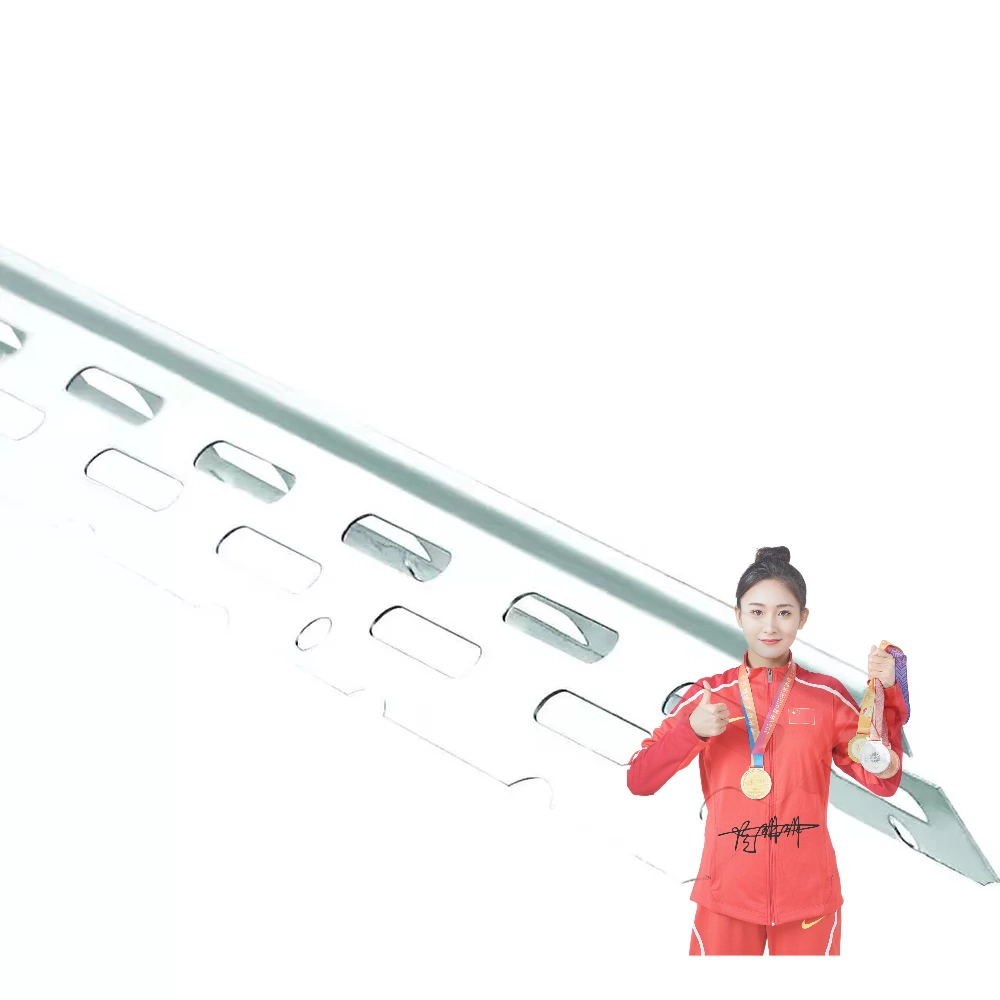
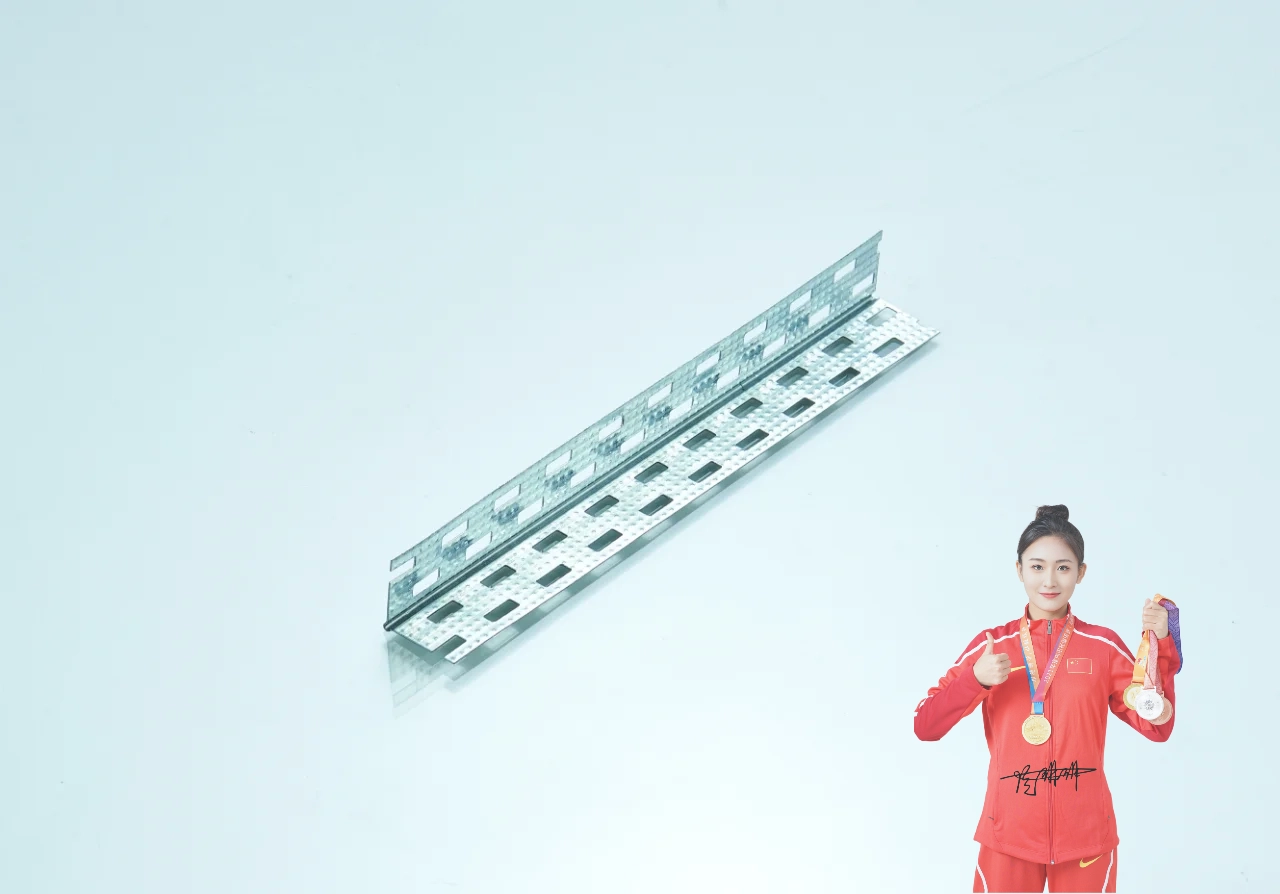
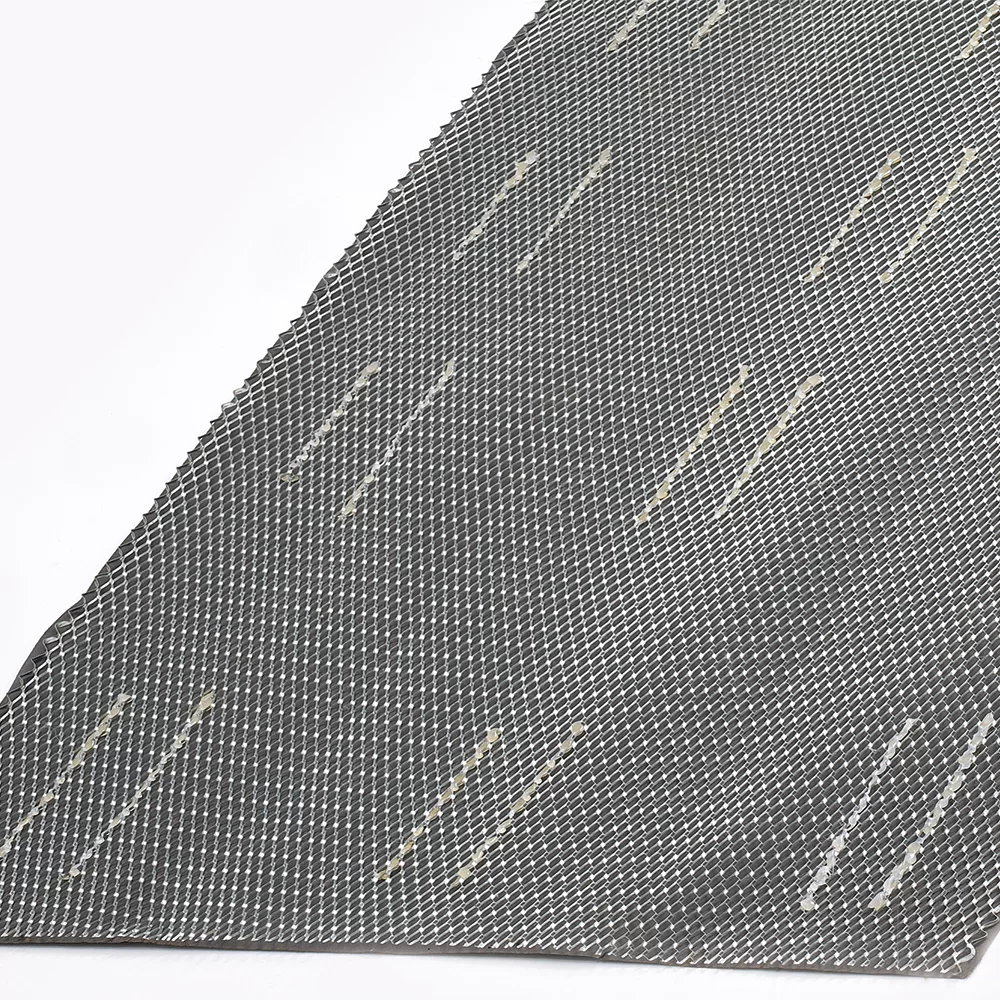
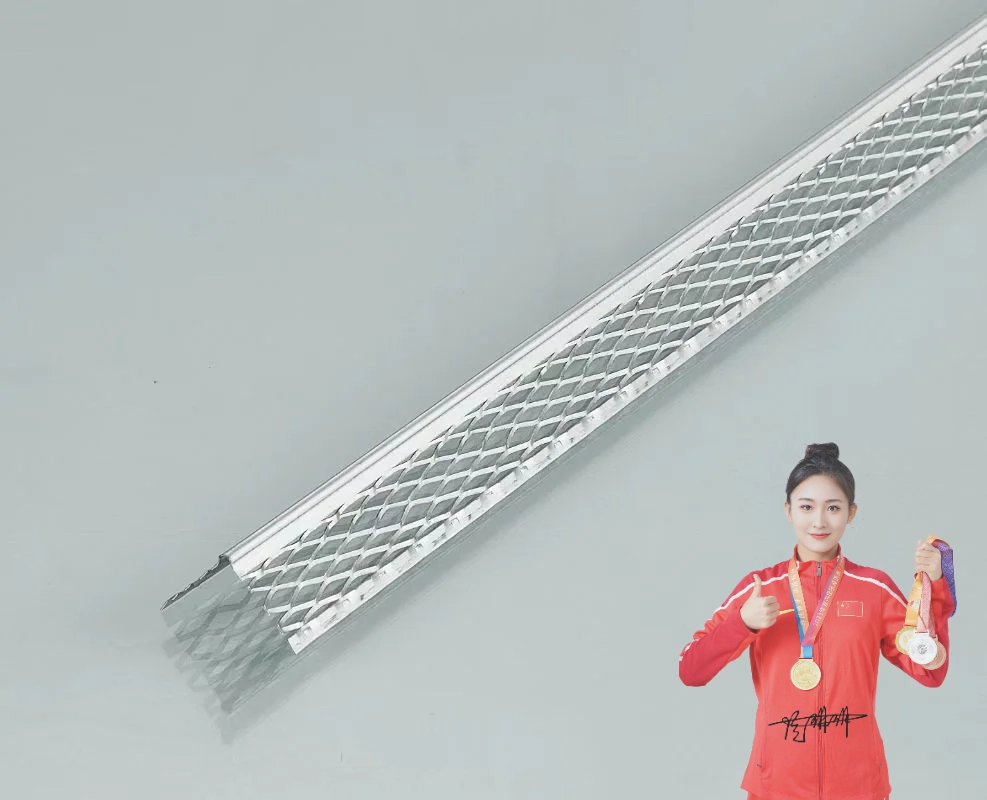
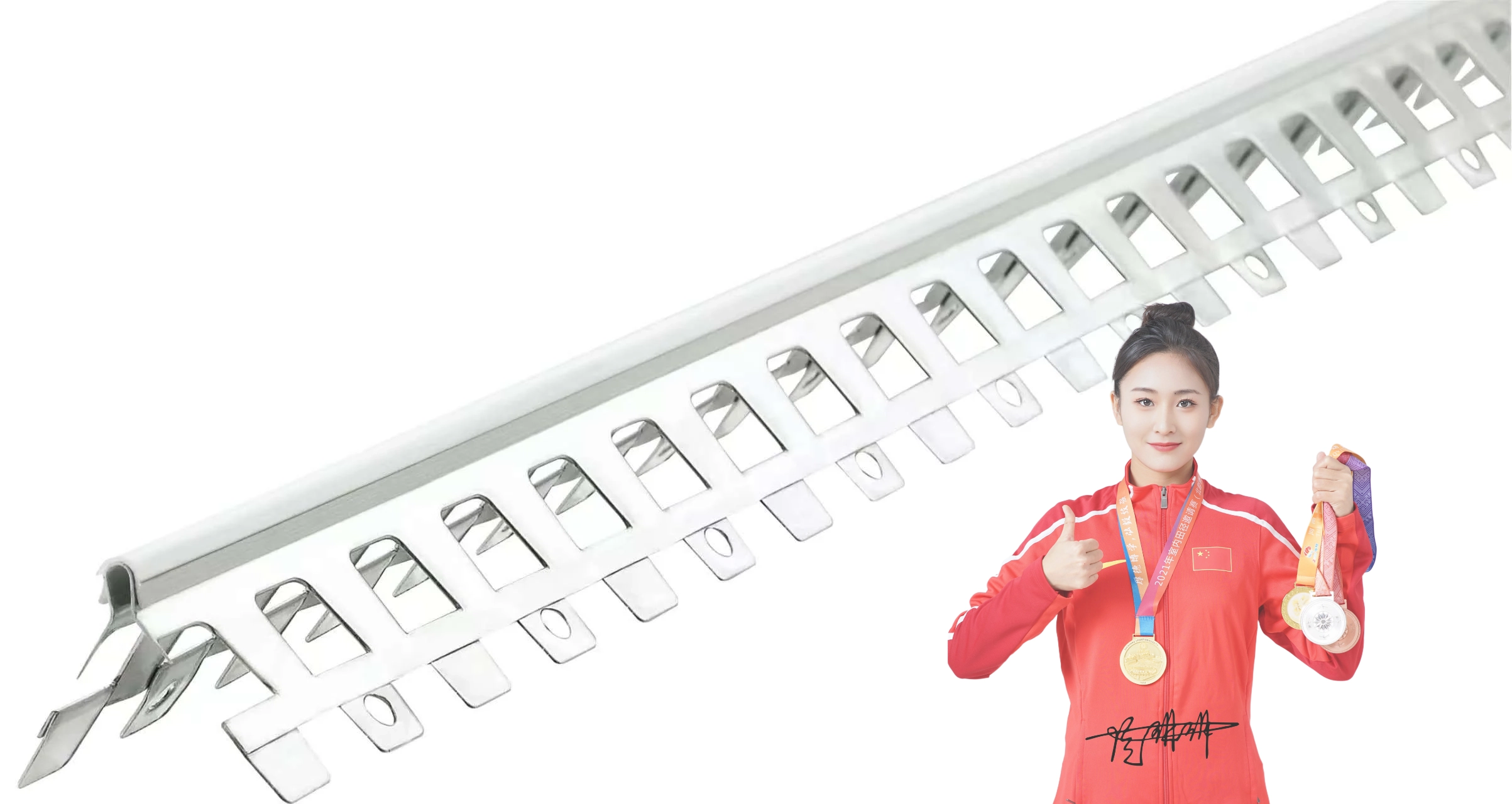
If you work with plaster, stucco, or render, you’ve probably argued about lath at least once on a jobsite. My take? A well-made Perforated Mesh Sheet with an embossed profile solves more problems than it creates. It bites into the scratch coat, holds the brown coat, and reduces those hairline cracks that love to appear the week after handover. Simple, but effective.
What it is (and how it’s different)
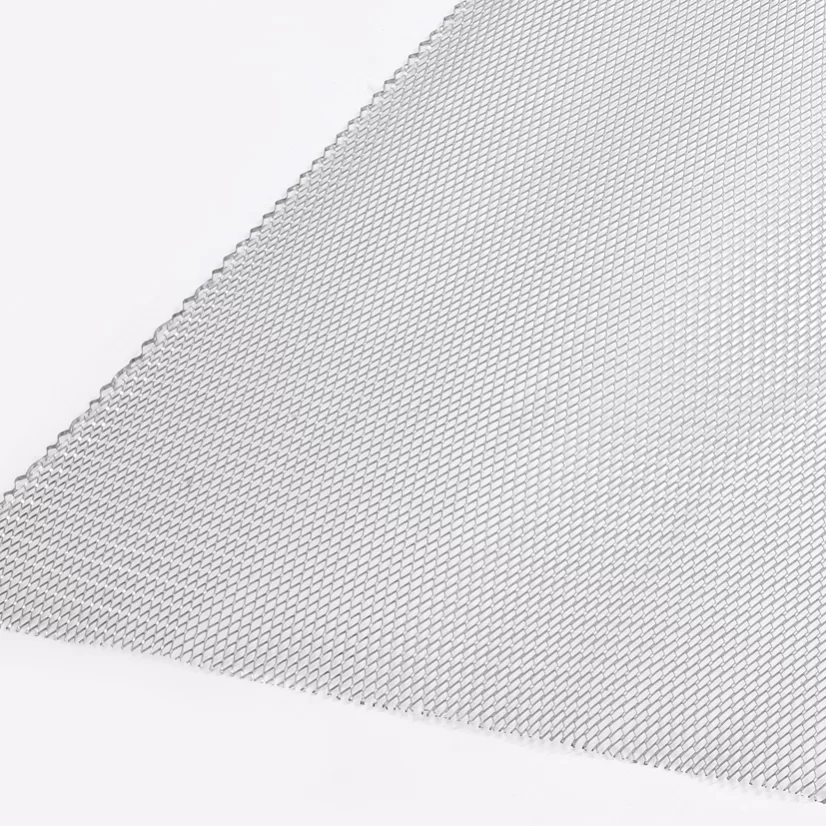
The product here—marketed as Embossed Plaster Mesh—uses a textured, dimpled surface to increase mechanical keying versus flat metal lath. In practice, the Perforated Mesh Sheet supports thicker coats, especially on renovation substrates that are, let’s be honest, never perfectly true. Many contractors tell me adhesion is the first thing they notice; fewer callbacks is the second.
Industry trend (quick take)
- Shift to corrosion-engineered coatings for coastal projects.
- More specifiers referencing installation standards (ASTM C1063) up front.
- Growing demand for custom slit widths to reduce on-site trimming waste.
Specification snapshot
| Parameter |
Typical Range (≈) |
Notes |
|---|
| Base metal |
Low-carbon steel, DX51D+Z; 304/316 SS |
Pick steel for value, SS for harsh exposure |
| Thickness |
0.35–0.80 mm |
Project-specific |
| Emboss depth |
0.3–0.6 mm |
Improves keying/bond |
| Perforation/open area |
35–65% |
Drainage + mortar lock |
| Roll width × length |
100–1000 mm × 10–50 m |
Custom slitting available |
| Coating |
Z180–Z275, or hot-dip (EN ISO 1461) |
Real-world durability may vary |
Process flow (how it’s made)
Material sourcing → coil slitting → precision perforation → embossing → edge deburr → galvanizing or passivation (if applicable) → dimensional QC (thickness/weight to ASTM C847/EN 13658-1) → salt-spray sampling (ISO 9227) → packing. Typical service life: ≈15–25 years exterior with Z275; longer for stainless, shorter in marine spray zones.
Testing & data (field-relevant)
- Bond shear on cement plaster panels: +8–15% vs flat lath in internal testing (project mixes vary).
- ISO 9227 salt spray: Z275 sample showed no red rust to ≈480 h; cosmetic white rust observed (expected).
- Install guidelines per ASTM C1063 improve crack control at joints and openings—still the biggest failure point.
Where it’s used
Interior plaster leveling, stucco/render over masonry, facade rehab, soffits, utility rooms, and restoration work where substrate adhesion is iffy. The Perforated Mesh Sheet also behaves nicely behind scratch coats on uneven brick—less bounce, better key.

Customer notes (informal)
Contractors say the embossed texture “grabs” on the first pass. A GC in coastal Florida told me he switched to stainless for pool enclosures—expensive, yes, but he hasn’t had to sandblast rust streaks since. Small win, big relief.
Vendor comparison (summary)
| Vendor |
Spec focus |
Lead time |
Certs |
|---|
| Corner Bead Manufacturer (Raoyang, Hebei) |
Embossed, Z275, custom widths |
≈10–20 days |
ISO 9001; test to ASTM/EN |
| Importer A |
Flat + embossed mix |
≈3–6 weeks |
Varies by lot |
| No-name B |
Unknown coating weight |
Unclear |
N/A |
Customization & logistics
- Widths/lengths cut to reduce waste around windows and reveals.
- Coating options: Z180–Z275, hot-dip, or stainless 304/316 for coastal jobs.
- Origin: No. 11, Zongqi Road, Raoyang County Economic Development Zone, Hengshui City, Hebei Province.
Mini case notes
Historic hotel retrofit (render over old brick): switching to embossed Perforated Mesh Sheet cut delamination callbacks to near zero; crew reported faster scratch coat because the mesh didn’t “float.” Industrial corridor: stainless mesh stopped rust bleed where cleaning chemicals were frequent. Small examples, big lessons.
Standards to specify
Call out ASTM C847 or EN 13658-1 for lath, ASTM C1063 for installation, and ISO 9227/EN ISO 1461 for corrosion performance/coating. It seems routine, but those lines save headaches later.
Citations
- ASTM C847 – Standard Specification for Metal Lath
- ASTM C1063 – Installation of Lathing and Furring for Portland Cement Plaster
- EN 13658-1 – Metal lath for internal plastering
- ISO 9227 – Corrosion tests in artificial atmospheres (salt spray)
- EN ISO 1461 – Hot dip galvanized coatings