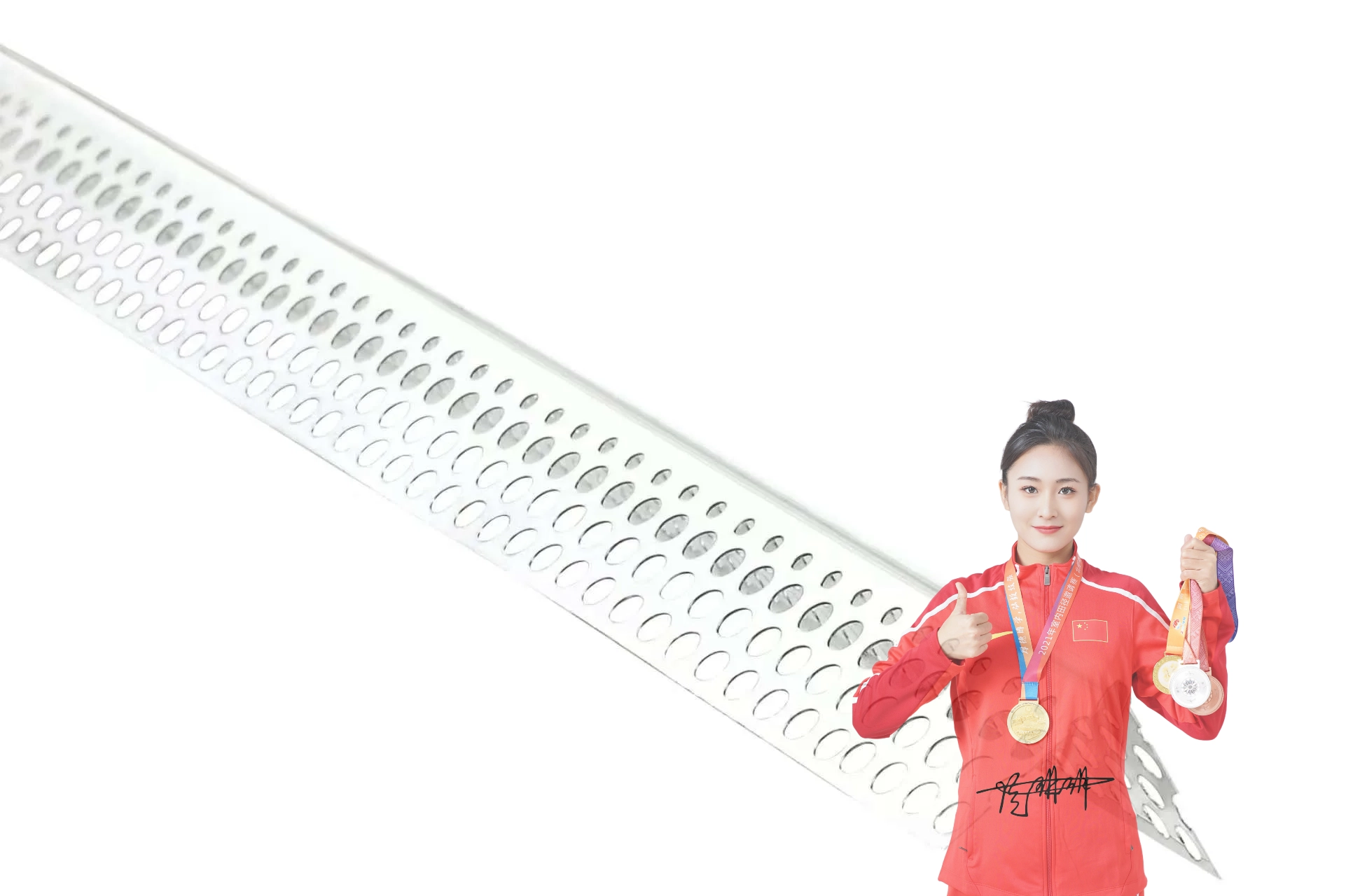
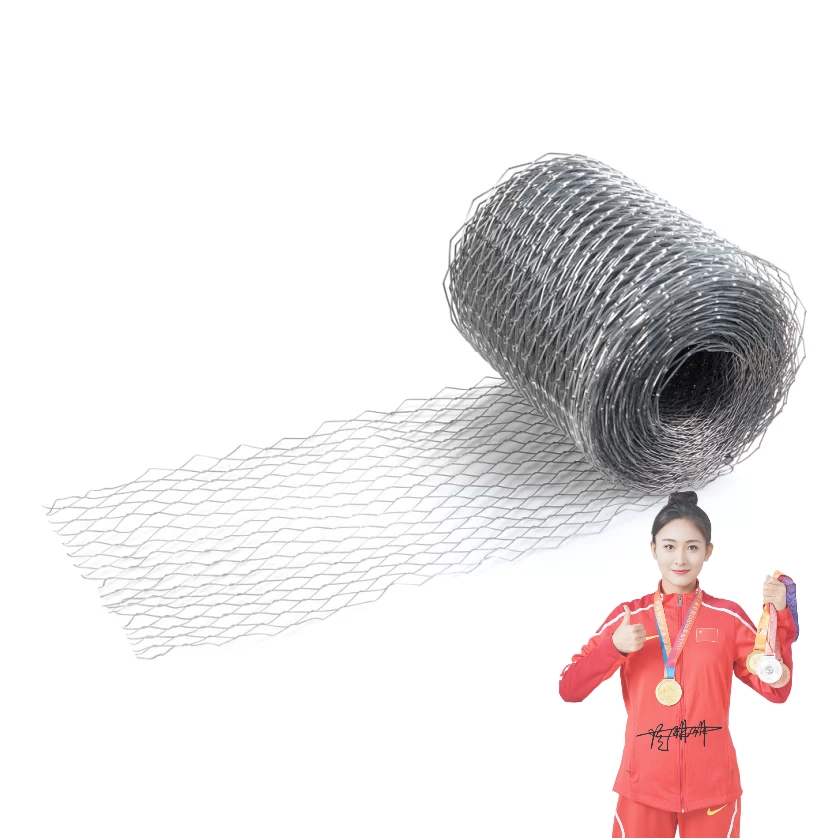
Expanded Metal Flat: What It Is and Why It Matters Globally
If you’re in construction, manufacturing, or even humanitarian aid, chances are you’ve come across or will encounter expanded metal flat. It’s a deceptively simple product — a sheet of metal slit and stretched into a mesh-like flat form — but its applications ripple across industries. Why should you care? Globally, this material plays a quiet yet pivotal role in infrastructure safety, industrial efficiency, and even disaster relief efforts. Knowing the ins and outs of expanded metal flat helps decision-makers choose smarter products, reduce waste, and innovate boldly.
It’s not just about the metal itself; it’s what you can build or protect with it, the impact on sustainability, and the cost savings it unlocks over time. So, let’s unwrap what makes expanded metal flat both practical and forward-thinking.
Mini takeaway: Expanded metal flat is a multi-industry game-changer, especially when you consider its strength, versatility, and sustainability. A simple product, big global footprint.

Introduction: The Global Context of Expanded Metal Flat
In 2023, global infrastructure spending topped $5 trillion — a staggering figure according to the World Bank — yet safety, efficiency, and sustainability remain pressing concerns. Materials like expanded metal flat help bridge gaps in resource availability and project timelines. They’re used worldwide from the steelmaking hubs of Europe to remote, high-humidity zones in Southeast Asia.
Here’s the rub: professionals often struggle with balancing durability and cost. Traditional solid sheets are heavy, expensive, and less adaptable. Expanded metal flat offers a middle ground — it’s lightweight but retains strength, allows airflow and visibility, and reduces material use. Oddly enough, many don’t realize it plays a role beyond just fencing or grills; in humanitarian logistics, for example, it’s a go-to solution for temporary shelters and screened storage.
Mini takeaway: Expanded metal flat addresses key industrial challenges — cost, durability, and adaptability — important for growing economies and emergency response worldwide.
What Is Expanded Metal Flat?
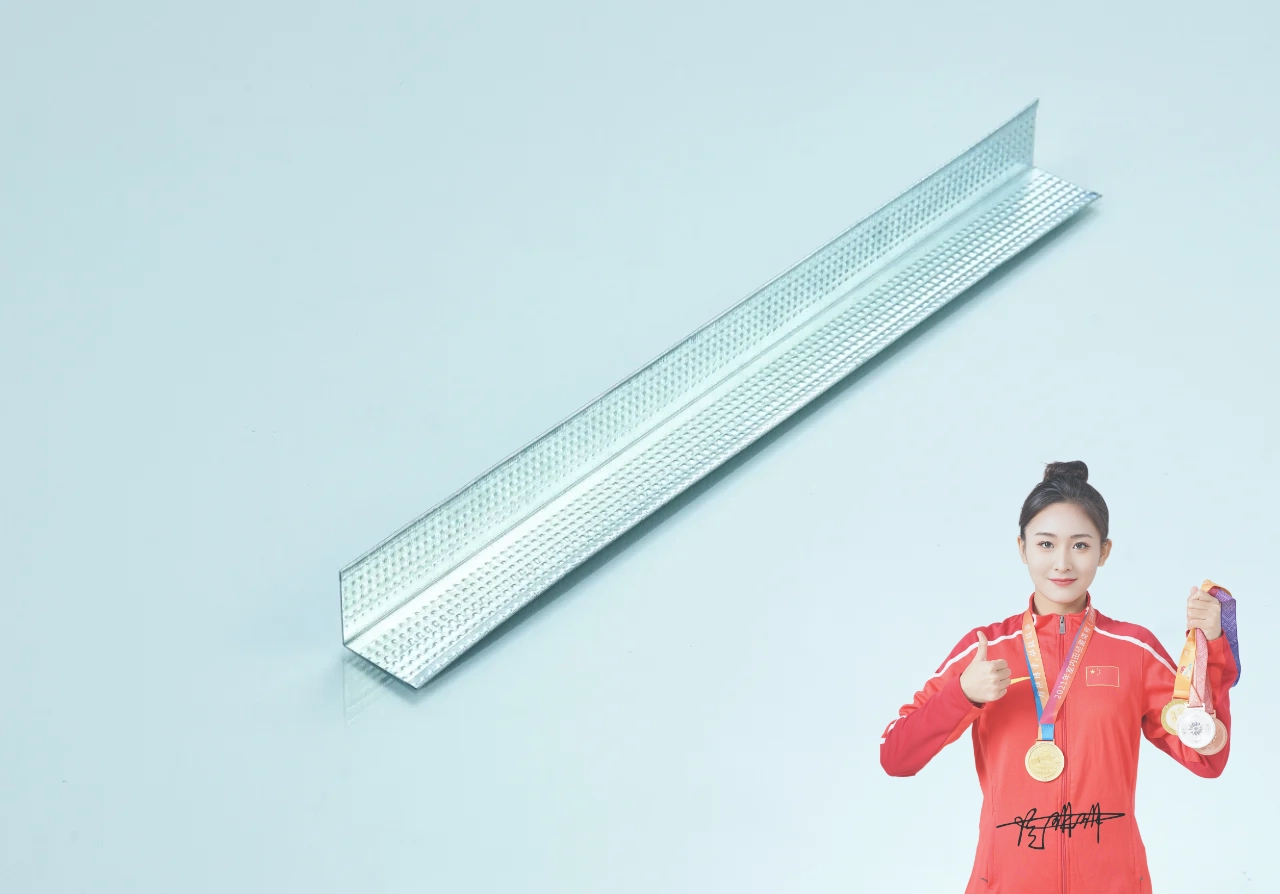
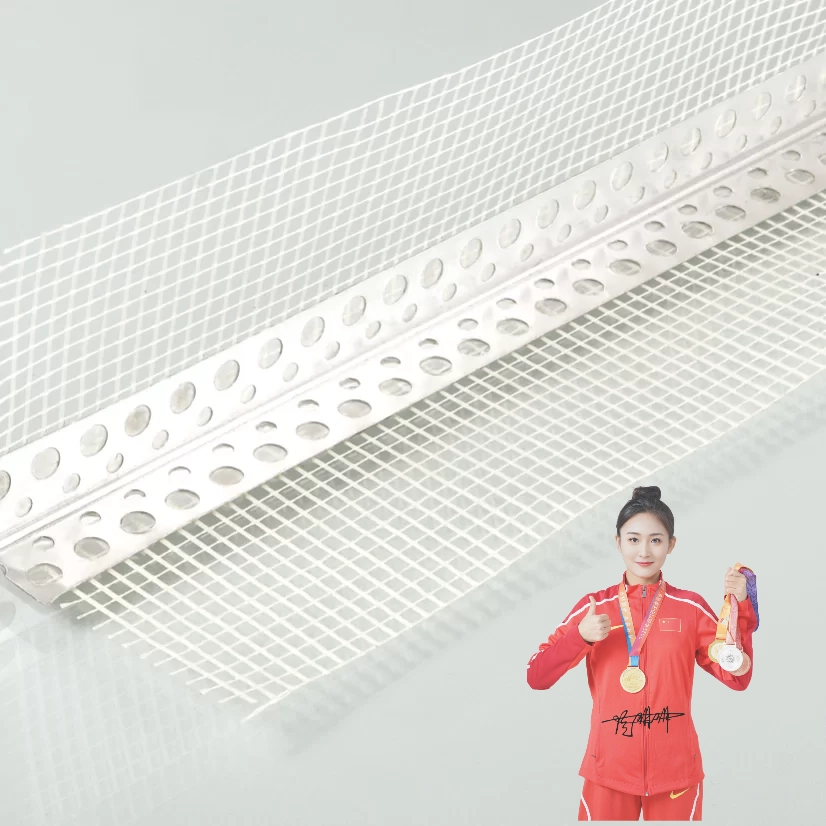
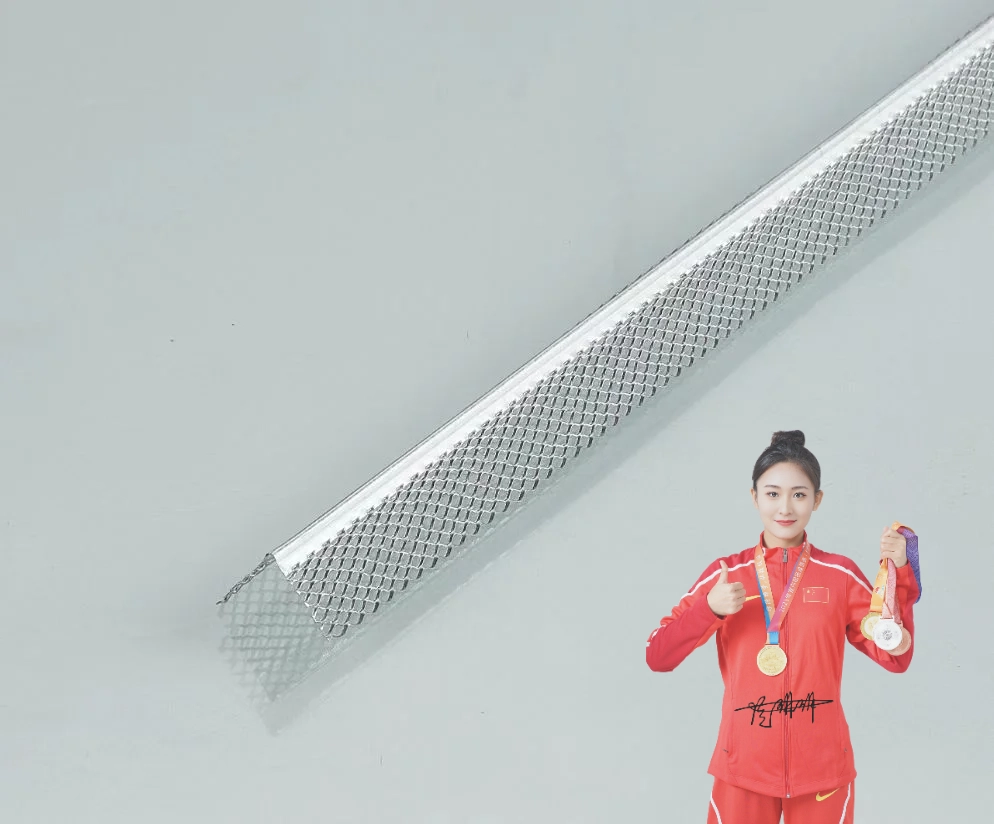
Simply put, expanded metal flat is a sheet of metal that’s cut and stretched (expanded) to form a mesh pattern without losing structural integrity. Imagine a solid sheet of steel or aluminum sliced in a diamond pattern and spread out to create a flat mesh.
This isn’t some obscure concept: it taps directly into modern industry’s love for lightweight, strong, and multifunctional materials. The flat design means it can be used where airflow or light is needed but without compromising safety or security. It’s surprisingly eco-friendly too since expanding uses no metal loss — unlike perforation or cutting.
Plus, it’s a proven material for humanitarian needs. For example, in refugee camps, expanded metal flat can be used to build durable, ventilated partitions or secure storage that lasts much longer than tent fabric or wood — and often at a fraction of the weight.
Mini takeaway: Expanded metal flat is less about metal scraps and more about practical innovation — combining strength, lightness, and openness.
Core Features That Make Expanded Metal Flat Stand Out
Durability
Because of its continuous metal strands, expanded metal flat distributes loads efficiently. It withstands weather, heavy use, and even impacts better than many competing alternatives. Many engineers say it can outlast traditional mesh or perforated panels by years.
Lightweight Construction
Compared to solid steel sheets, it can be up to 60% lighter, reducing shipping and installation costs. If you’re working in tight spaces or need quick assembly, this saves time and tears alike.
Cost Efficiency
Expanded metal flat is created by stretching solid metal — no cutting out chunks means less waste and inherently cheaper manufacturing. Designers appreciate this when budgeting or trying to maintain green credentials.
Ventilation & Visibility
Its mesh nature allows for airflow and light transmission, which can be critical in applications like machine guards, fencing, or even façade cladding. It keeps things safe but not entirely closed off.
Customizable Patterns & Sizes
You can find expanded metal flat ranging from fine mesh ideal for filtration to heavy-duty patterns that serve as structural flooring. This adaptability makes it popular across architecture and industrial settings.
Corrosion Resistance
When made from stainless steel or coated alloys, it holds up brilliantly in corrosive or humid environments — essential for marine or coastal projects.
Mini takeaway: Expanded metal flat blends multiple features — strength, lightness, airflow, customization, and corrosion resistance — into a versatile product that adapts to many needs.
Expanded Metal Flat in Action: Global Use Cases
So, where does this mesh magic actually show up?
· Industrial Applications: Conveyor belts, machine guards, and filtration screens in factories worldwide rely on expanded metal flat for their longevity and safety.
· Construction and Architecture: Facades, walkways, stair treads, even decorative walls use this material to combine aesthetics with function.
· Humanitarian & Disaster Relief: In post-disaster shelters, temporary fencing, and storage that must be both secure and breathable, expanded metal flat is a lifesaver.
· Transportation: Vehicles, trains, and airplanes use this mesh for lightweight guard rails and ventilation.
· Energy Sector: Solar panel mounting grids and wind turbine enclosures increasingly incorporate expanded metals to reduce weight and improve airflow.
For instance, in Southeast Asia, NGOs deploying quick-build sanitation facilities found expanded metal flats invaluable for ventilation and resistance to tropical corrosion. In Europe, architects cherish its ability to turn a mundane walkway into a sculptural element.
Mini takeaway: From factories to refugee camps to renewable energy projects, expanded metal flat supports safety, function, and style worldwide.
Advantages & Long-Term Value
Let’s cut to the chase: why choose expanded metal flat over other raw materials?
· Cost Savings: Lower raw material costs combined with less shipping weight mean reduced expenses.
· Sustainability: It’s produced with no material waste and is often recyclable, reducing environmental footprint.
· Social Impact: Durable shelters and infrastructure built with this material afford displaced populations safety and dignity.
· Reliability: It stands up to harsh environments, unlike plastics or wood alternatives.
· Innovation Potential: Its customizable nature empowers architects and engineers to rethink old designs.
Emotionally, people working around expanded metal flat often describe it as “trustworthy” or “quietly tough." That’s not marketing fluff — it’s the vibe from job sites and labs alike.
Mini takeaway: Expanded metal flat pays dividends beyond price — in sustainability, social good, and genuine reliability.
Product Specification Table: Typical Expanded Metal Flat
Specification | Description |
Material | Mild Steel, Stainless Steel, Aluminum |
Gauge | 12 – 22 Gauge (2.7mm to 0.7mm thickness) |
Mesh Size | Standard diamond 12×20 to 25×50 mm |
Width | 600mm to 1500mm (custom widths available) |
Length | 1m to 6m sheets |
Finish | Hot-dip galvanized, Powder coated, Mill finish |
Weight | Approx. 3-11 kg/m² depending on gauge |
Who Makes The Grade? Expanded Metal Flat Vendor Comparison
Vendor | Material Range | Customization | Lead Time | Global Shipping |
MetalPro Solutions | Steel, Aluminum, Stainless | Custom gauges & patterns | 2-3 weeks | Yes |
Global Meshworks | Primarily steel & aluminum | Standard patterns only | 1-2 weeks | Limited regions |
Corner Bead Mfr | Steel, Stainless, Aluminum | Highly customizable | 1 week | Worldwide |
Looking Ahead: Trends & Innovations for Expanded Metal Flat
Innovation in this space isn’t just about thinner metal or prettier patterns — the green push is a real game changer. We’re seeing more expanded metal flat made from recycled alloys, lowering mining demands and energy costs. Digital fabrication methods like laser cutting combined with expansion techniques allow hyper-custom designs, even for one-off architectural pieces.
Automation streamlines production, meaning quicker turnaround times and more competitive pricing. And in energy, expanded metal flat is being integrated into solar panels and wind turbine protection systems more often — the lightweight yet durable mesh fits modern renewable energy designs like a glove.
Mini takeaway: Sustainability, craft precision, and smart automation shape the future of expanded metal flat manufacturing — expect lighter, greener, and more tailored solutions soon.
Challenges & How to Approach Them
Any product this versatile has drawbacks. Installation can be tricky — a slight error in measurement leads to gaps or weak points in fencing or shelving. Corrosion resistance depends heavily on the chosen finish; cheap galvanized coatings sometimes underperform in salt air, for example.
Experts often recommend partnering with vendors who offer technical support and quick sample delivery. Knowing how to weld or fix seams in expanded metal flat ensures longevity and safety. Also, standardization can be an issue: different vendors use varying mesh sizes and gauges, complicating buying decisions for large projects.
The good news? There are solutions — modular installation guides, improved coatings (like duplex systems), and software tools to calculate precise layouts help reduce errors and improve lifespan.
Mini takeaway: Addressing installation precision, finish quality, and standardization upfront will save headaches and enhance outcomes with expanded metal flat.
Frequently Asked Questions About Expanded Metal Flat
What are the main benefits of expanded metal flat over perforated metal?
Expanded metal flat offers greater strength due to continuous strands and no metal waste from punching holes. It’s also generally lighter and more cost-effective, making it ideal for structural or decorative uses.
Is expanded metal flat suitable for outdoor installations?
Yes, especially when made from stainless steel or coated with protective finishes like hot-dip galvanization or powder coating, expanded metal flat resists corrosion and weathering well.
Can expanded metal flat be customized for unique projects?
Absolutely. Vendors typically offer various gauges, mesh sizes, and finishes. Some even produce custom patterns upon request to fit specific architectural or industrial needs.
How long does it typically take to receive custom expanded metal flat orders?
Lead times vary but generally range from 1 to 3 weeks depending on complexity and vendor capabilities. Some suppliers expedite orders for urgent projects.
Where can I find reliable expanded metal flat suppliers with international shipping?
Companies like Corner Bead Mfr provide worldwide shipping with high customization options and fast delivery, making them a top choice for global buyers.
Conclusion: Why Expanded Metal Flat Is a Long-Term Investment
After digging into the world of expanded metal flat, it’s clear this material is far from just “mesh.” It delivers real value—durability, cost efficiency, sustainability, and design flexibility—that lasts decades. Whether you’re building industrial machines, architectural marvels, or emergency shelters, you’d be wise to consider the advantages it brings.
Need more info or want to source your next project? Visit our website at https://www.cornerbeadmfr.com — they’re industry leaders in high-quality expanded metal flat products with global service and customization options.
A quick thought: sometimes the simplest materials have the deepest impact. Expanded metal flat might be one of those unsung heroes.
References
00001. World Bank: Infrastructure Spending 2023
00002. Wikipedia: Expanded Metal
00003. ISO Standards on Expanded Metal and Mesh Products