Understanding Wire Mesh Masonry Walls: Why They Matter in Today’s Infrastructure
If you’ve ever thought about how buildings stay strong against time, weather, or even disasters, the behind-the-scenes hero might just be a wire mesh masonry wall. Globally, these walls form the backbone of resilient, cost-effective masonry construction. It’s not just about bricks and mortar anymore — it’s about combining materials to achieve stability, sustainability, and speed. In a rapidly urbanizing world where infrastructure development runs at breakneck speed, understanding the role of wire mesh reinforcement in masonry walls is crucial for architects, builders, and policy makers alike.
Why? Because these walls help solve a few big problems: ensuring structural safety, reducing cracks in concrete or brickwork, and enabling buildings to endure earthquakes or other stresses. Plus, they align with increasingly important global goals like sustainability and affordable housing.
The Global Context: How Wire Mesh Masonry Walls Are Shaping Construction Worldwide
Worldwide urbanization is on steroids. According to the UN’s urbanization prospects report, over 68% of the global population will live in urban areas by 2050. That means massive demand for strong, versatile, and fast-constructed buildings. Here’s where wire mesh masonry walls step in.
Compared to traditional solid masonry, wire mesh-reinforced walls address challenges like crack propagation under loads or during seismic activities. They also mitigate issues in areas where labor expertise may be inconsistent or where material resources must be stretched to the max — say, remote regions or post-disaster rebuilding efforts. For example, in emergency relief housing, walls that can quickly be assembled with mortar and wire mesh offer speed and security.
Defining Wire Mesh Masonry Walls
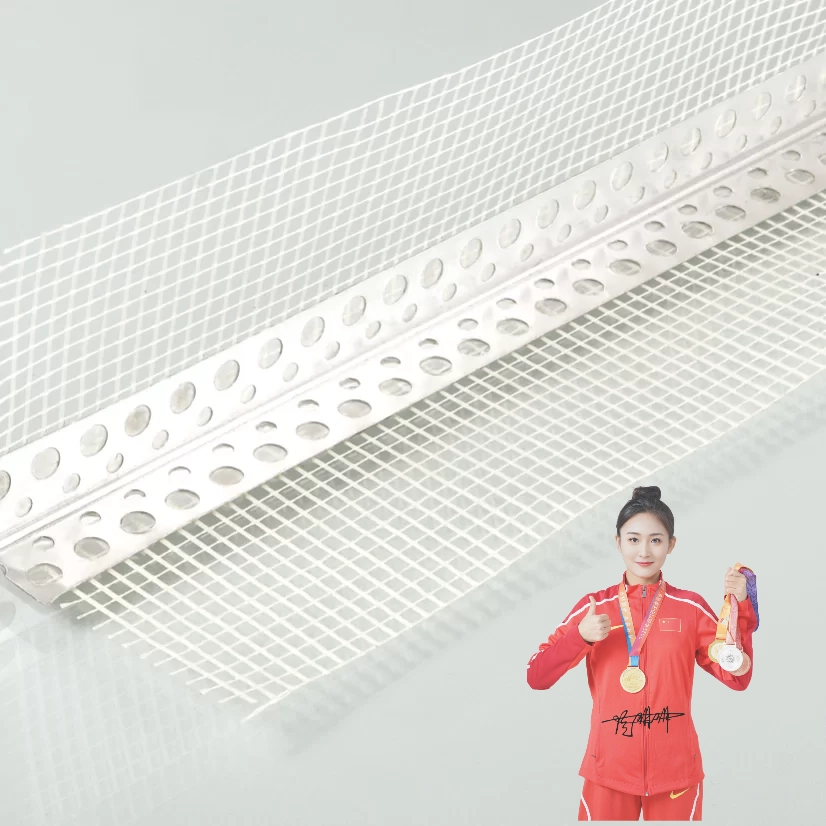
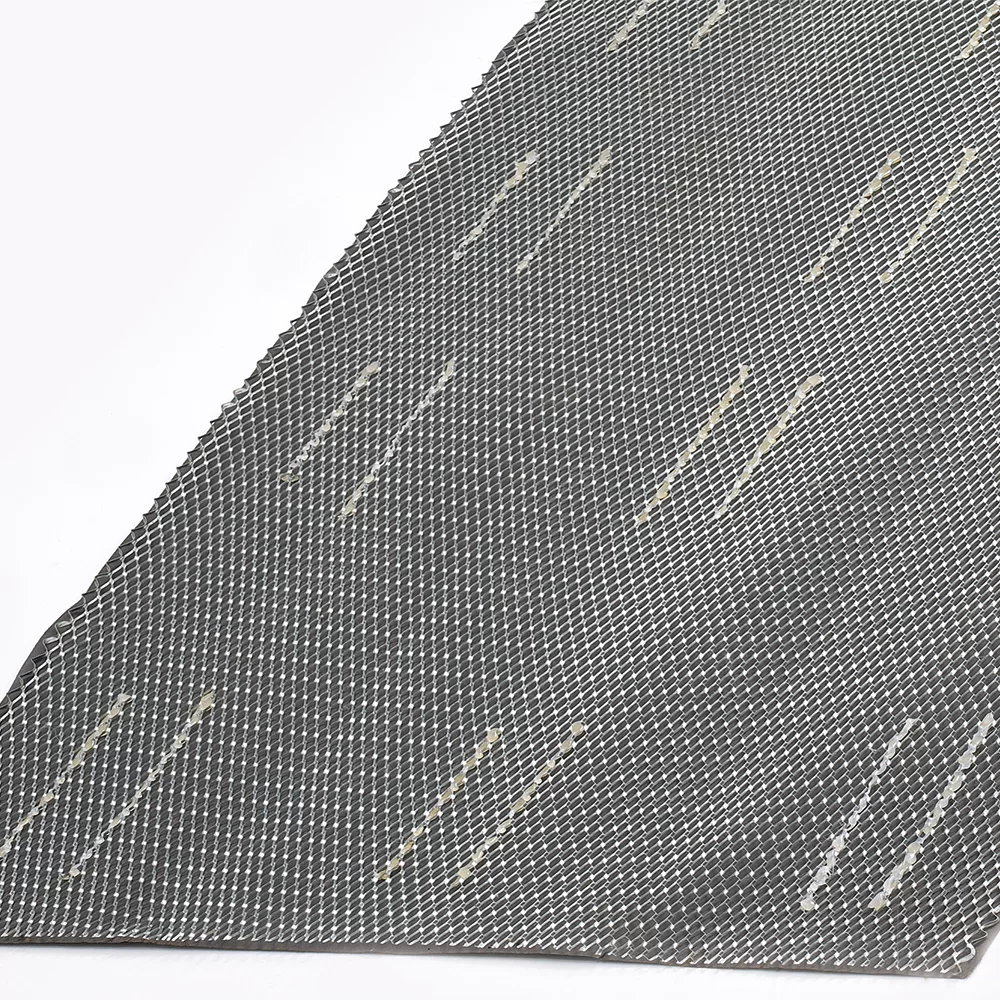
At its core, a wire mesh masonry wall combines conventional masonry units — bricks, blocks, or stone — with a grid of steel wire mesh embedded in the mortar joints or reinforced cores. This mesh acts as a reinforcement, enhancing the tensile strength of the wall and reducing the chances of cracking or collapse.
Essentially, it’s a hybrid structural element that blends traditional craftsmanship with modern reinforcement techniques. These walls are vital for both commercial structures and humanitarian applications where stability and resource efficiency are key.
Core Components of Wire Mesh Masonry Walls
Durability and Strength
The embedded wire mesh distributes loads evenly and controls flexural stresses. This alone lengthens a wall’s lifespan significantly, especially in regions prone to thermal movement or seismic tremors.
Cost Efficiency
While the mesh adds a material cost upfront, it saves money long term by reducing repair needs and labor on wall crack management. Many engineers note that reinforced masonry walls require less steel framing — a big plus where steel remains expensive.
Ease of Installation
Wire mesh sheets or rolls can be cut and laid into mortar joints with simple tools. This means less reliance on specialty labor and faster build times, a serious advantage in fast-developing urban zones or rapid rehousing projects.
Scalability and Versatility
These mesh-reinforced walls fit with a variety of masonry units — from traditional bricks to lightweight concrete blocks — accommodating different design needs and climates.
Corrosion Resistance
Choosing galvanized or stainless steel wire mesh helps walls resist rust — a concern in humid or marine environments.
Thermal & Acoustic Benefits
Interestingly, wire mesh has a minor but positive impact on wall insulation effectiveness, especially when paired with insulating masonry units.
Mini takeaway: The fusion of wire mesh with masonry enhances resilience, affordability, versatility, and ease of build, making it more than just a technical upgrade — it’s a practical solution in modern construction.
Typical Applications Around the World
Wire mesh masonry walls find their place in:
- Urban residential blocks: Enhancing structural integrity in multi-story masonry buildings in Europe and Asia.
- Post-disaster reconstruction: NGOs in regions like Nepal or the Philippines rely on reinforced masonry for semi-permanent shelters.
- Industrial warehouses: In remote mining zones, rugged yet easy-to-assemble mesh masonry walls protect valuable equipment.
- Educational facilities: Countries aiming to boost infrastructure quickly, such as parts of Africa, use reinforced masonry to build durable classrooms.
In many cases, the accessibility of materials combined with improved disaster resistance makes these walls a winning choice for governments and aid agencies.
Advantages and Long-Term Value
Why do many architects specify wire mesh masonry walls these days? Here’s the rub:
- Cost savings: Reduced material waste and lower maintenance requirements add up.
- Sustainability: Using locally produced masonry units combined with steel mesh often cuts down on carbon footprints compared to heavy concrete or steel-frame constructions.
- Safety & trust: Residents gain peace of mind with stronger, crack-resistant walls.
- Innovation potential: New mesh materials (like fiber-reinforced polymers) are starting to appear, enhancing this approach’s eco-friendliness and life span.
Too often, infrastructure fails because of one weak link — in many ways, wire mesh reinforcement acts as a safety net catching those issues before they become catastrophic.
Product Specification Table
| Specification |
Typical Range |
Notes |
| Wire Gauge |
16–22 AWG (1.0–1.6 mm) |
Steel or galvanized wire |
| Mesh Size |
25x25 mm to 50x50 mm |
Depends on structural need |
| Corrosion Protection |
Galvanized / PVC coated / stainless steel |
For longevity in harsh environments |
| Tensile Strength |
320–620 MPa |
Ensures crack prevention |
| Sheet Dimensions |
1.0m x 2.0m up to 1.5m x 3.0m |
Easier handling on site |
Vendor Comparison: Choosing the Right Wire Mesh for Your Masonry Walls
| Vendor |
Product Range |
Price Range |
Special Features |
| SteelGrid Inc. |
Galvanized & PVC coated meshes |
$$$ |
Custom mesh sizes, corrosion warranty |
| MeshBuild Solutions |
Standard galvanized meshes |
$$ |
Bulk discounts, quick delivery |
| EcoReinforce |
Stainless steel & recycled wire meshes |
$$$ |
Sustainable sourcing, green certifications |
Looking Ahead: Innovation and the Future of Wire Mesh Masonry Walls
The construction industry’s future is a mix of sustainability, technology, and smart materials. Wire mesh masonry walls are a quiet but significant part of this. For example, fiber-reinforced polymer meshes are gradually being tested as an alternative to steel, offering corrosion-proof, lighter-weight properties. Digital tools including BIM (Building Information Modeling) and AI allow customized reinforcement designs at the planning stage, optimizing mesh placement and quantity, which again saves waste and time.
Meanwhile, as renewable energy integration grows, walls may also begin to incorporate wire mesh elements designed to embed sensors or even energy harvesting systems. It’s oddly thrilling to imagine a humble wire mesh doubling as a smart grid element someday.
Challenges & Practical Solutions
Of course, no solution is perfect. The main issues with wire mesh masonry walls include:
- Corrosion risk: Improperly coated meshes lead to rust, compromising structural integrity. The obvious fix? Use galvanized or stainless options and strict quality oversight.
- Labor training: If installers don’t embed mesh correctly, benefits dwindle. Investing in workforce training is key.
- Supply chain issues: In some regions, sourcing quality steel mesh is tough. NGOs and governments often mitigate this by bulk purchasing or developing local mesh manufacturing facilities.
Careful planning and investment in local capacity building are generally the best antidotes.
FAQ: Answers to Common Questions About Wire Mesh Masonry Walls
- 1. How does wire mesh reinforcement improve masonry wall durability?
- Wire mesh provides tensile strength to otherwise brittle masonry, controlling crack propagation and enhancing the wall’s ability to bear loads and resist seismic forces. This leads to longer-lasting structures that require less maintenance.
- 2. Are wire mesh masonry walls cost-effective compared to traditional reinforced concrete?
- Yes, especially for low- to mid-rise structures. They use less steel overall and reduce labor time. Over the lifespan of a building, savings build up when factoring in fewer repairs and better resilience.
- 3. Can wire mesh masonry walls be used in seismic zones?
- Absolutely. In fact, their crack-control capabilities make them preferable in moderate seismic areas, though design should always follow local building codes and engineering guidance.
- 4. What maintenance do wire mesh masonry walls require?
- With proper installation and corrosion protection, they require minimal maintenance. Visual inspections to catch any mortar degradation or rust early are recommended.
- 5. Where can I source wire mesh for masonry walls?
- Various suppliers offer meshes tailored for masonry. Depending on your region, local steel or construction supply companies should be your first stop. You might want to check vendors specializing in galvanized or coated steel for best durability, like those listed above.
Conclusion: The Long Game of Choosing Wire Mesh Masonry Walls
At the end of the day, investing in wire mesh masonry walls is investing in safer, more sustainable, and smarter buildings. From fast-growing cities to fragile post-disaster zones, the benefits stack up nicely — cost effectiveness, durability, ease of use, and growing innovation. If you want to keep your walls standing firm and your projects ahead of the curve, it pays to understand and trust this engineering approach.
Curious for more details or practical advice? Visit our website: wire mesh masonry wall for expert guides and tailored solutions.
Mini takeaway: Wire mesh masonry walls aren’t just a tech detail—they're quietly revolutionizing how we build a safer, more durable world.
References:
- United Nations – World Urbanization Prospects
- Wikipedia – Reinforced masonry
- ISO – Steel wire mesh standards