Hit enter to search or ESC to close
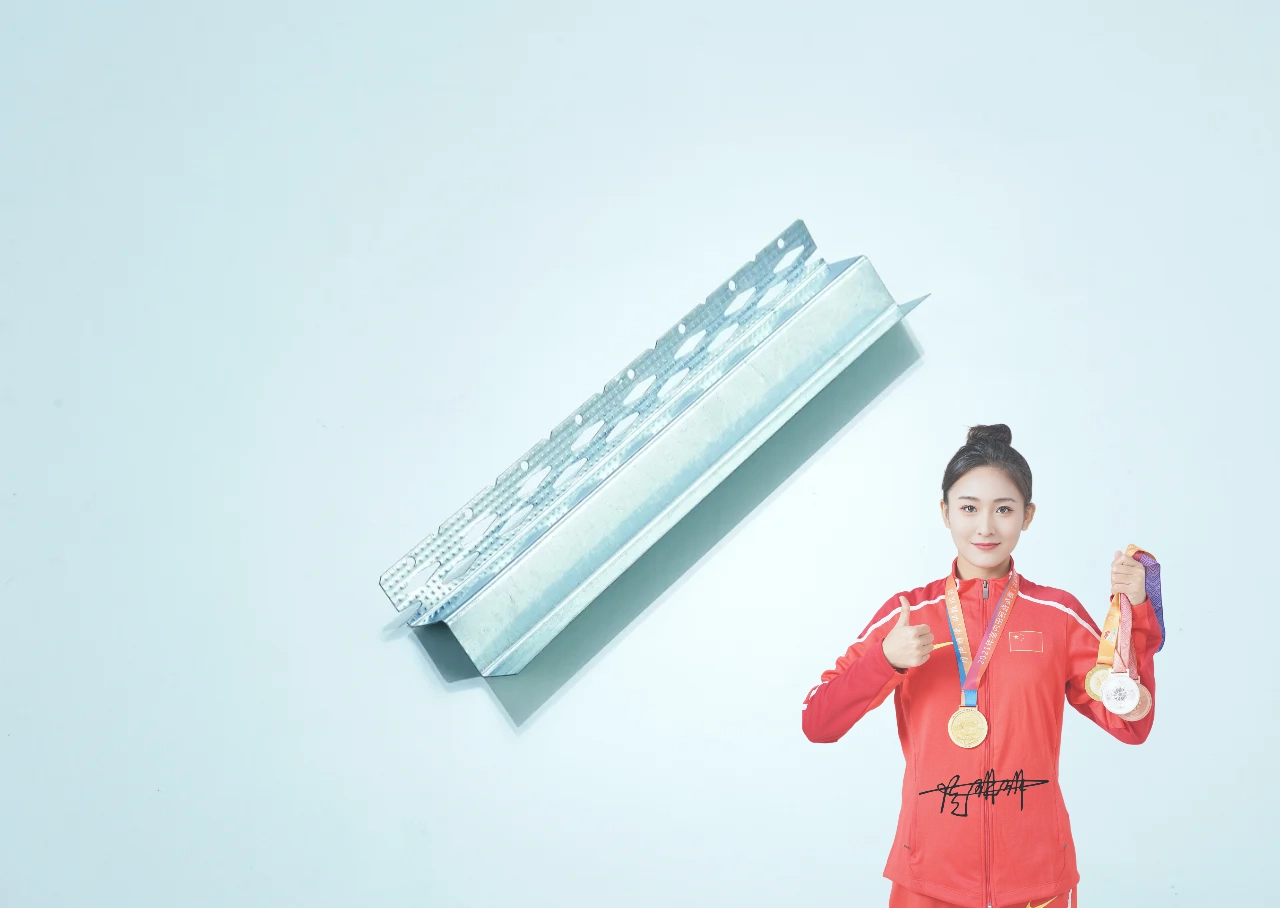
Not all edges need a full L-shaped corner. Sometimes, you need a more refined finish for a shelf, a step, or where a wall meets a different surface. That’s where a quarter bead, also called a quarter-round bead or edge bead, comes in. Unlike a standard corner bead that covers a 90-degree outside corner, a quarter bead has a profile that looks like a quarter of a circle. It creates a rounded, bullnose edge on a single plane. You use a quarter bead to finish and protect the exposed edge of a drywall panel, like on a soffit, a floating shelf, or the end of a wall that doesn’t meet another. It provides a smooth, durable edge that’s safer and more attractive than a raw drywall edge. It can be made of metal, PVC, or paper-faced materials. Installing a quarter bead is similar to other beads: it’s fastened or embedded, then covered with joint compound to create a seamless, rounded profile. It’s a detail-oriented product that adds a finished look to otherwise incomplete edges.
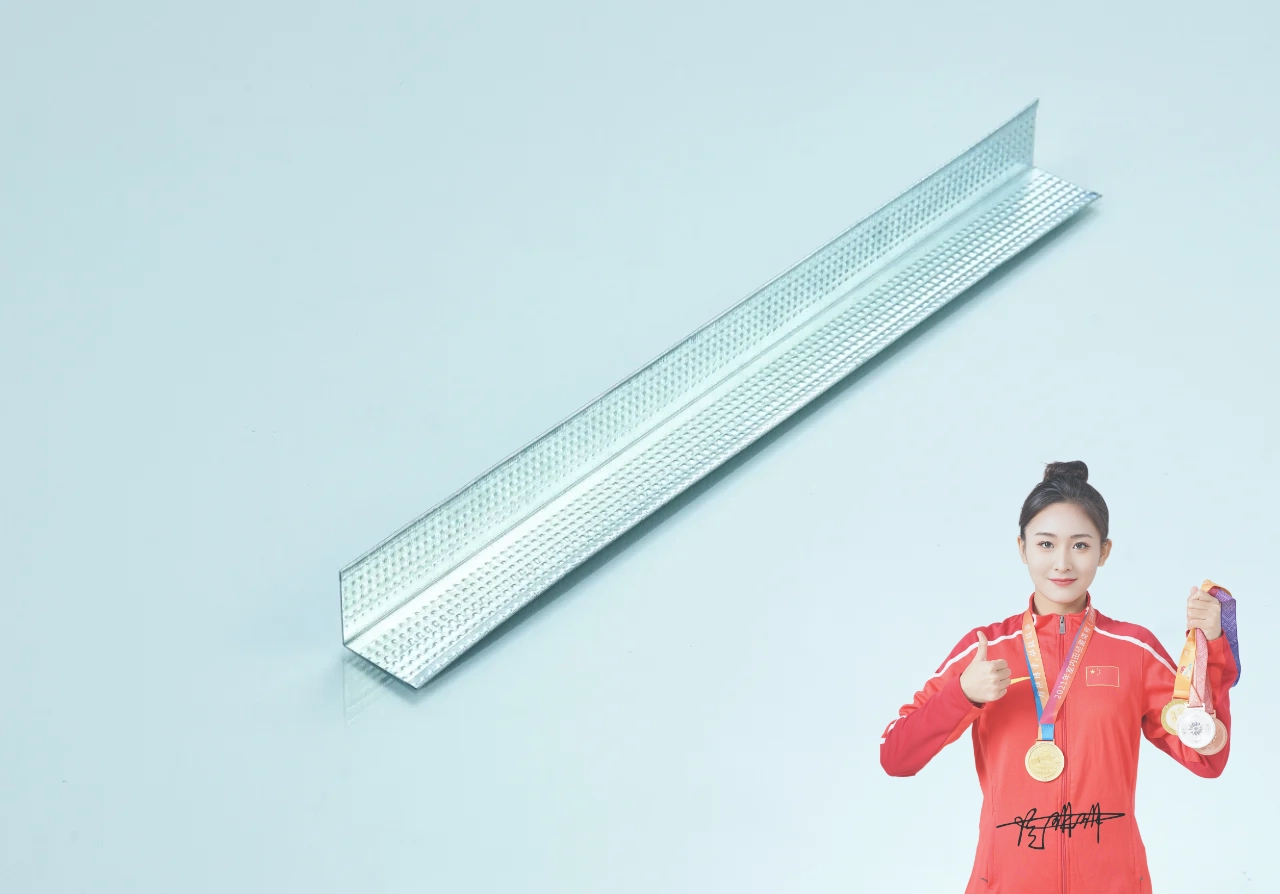
When you search for corner beads, you’ll often see grey corner beading. This typically refers to corner beads made from PVC (polyvinyl chloride), which is naturally a light grey color. Grey corner beading is a popular alternative to galvanized metal for several reasons. First, it won’t rust, making it perfect for bathrooms, basements, or exterior stucco applications (with appropriate products). Second, it’s flexible, which helps it conform to walls that aren’t perfectly straight and makes it the go-to choice for curved walls and internal arch bead installations. Third, it’s lightweight and easy to cut. The “grey” in grey corner beading is just the color of the raw PVC material; it gets completely covered with plaster or joint compound. Many pros choose grey corner beading for its combination of moisture resistance, flexibility, and ease of use. It’s a versatile workhorse in both residential and commercial construction.
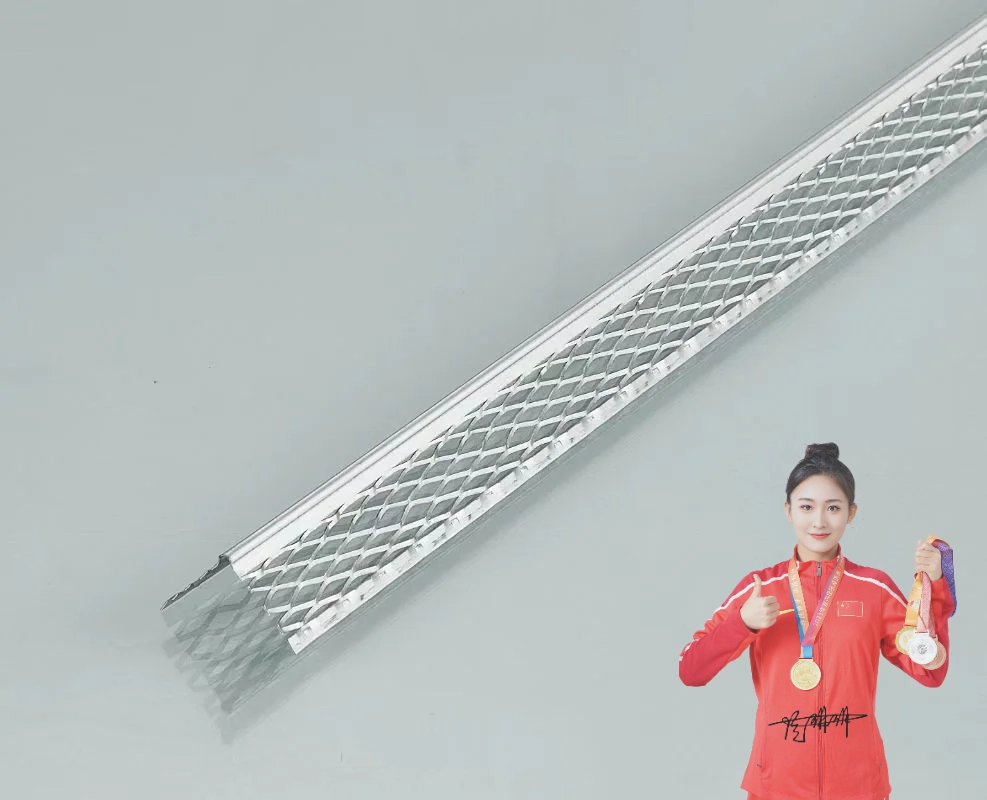
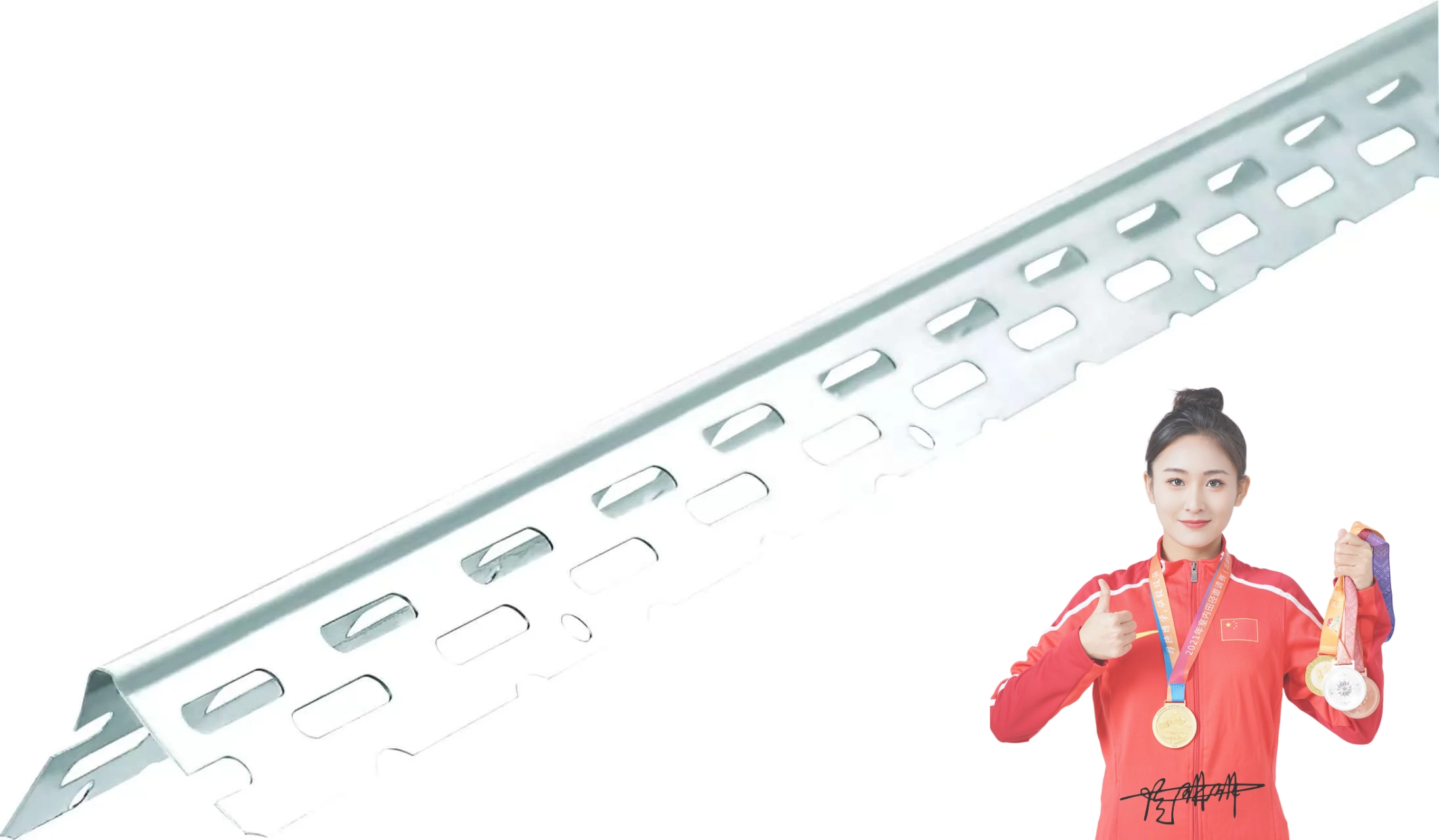
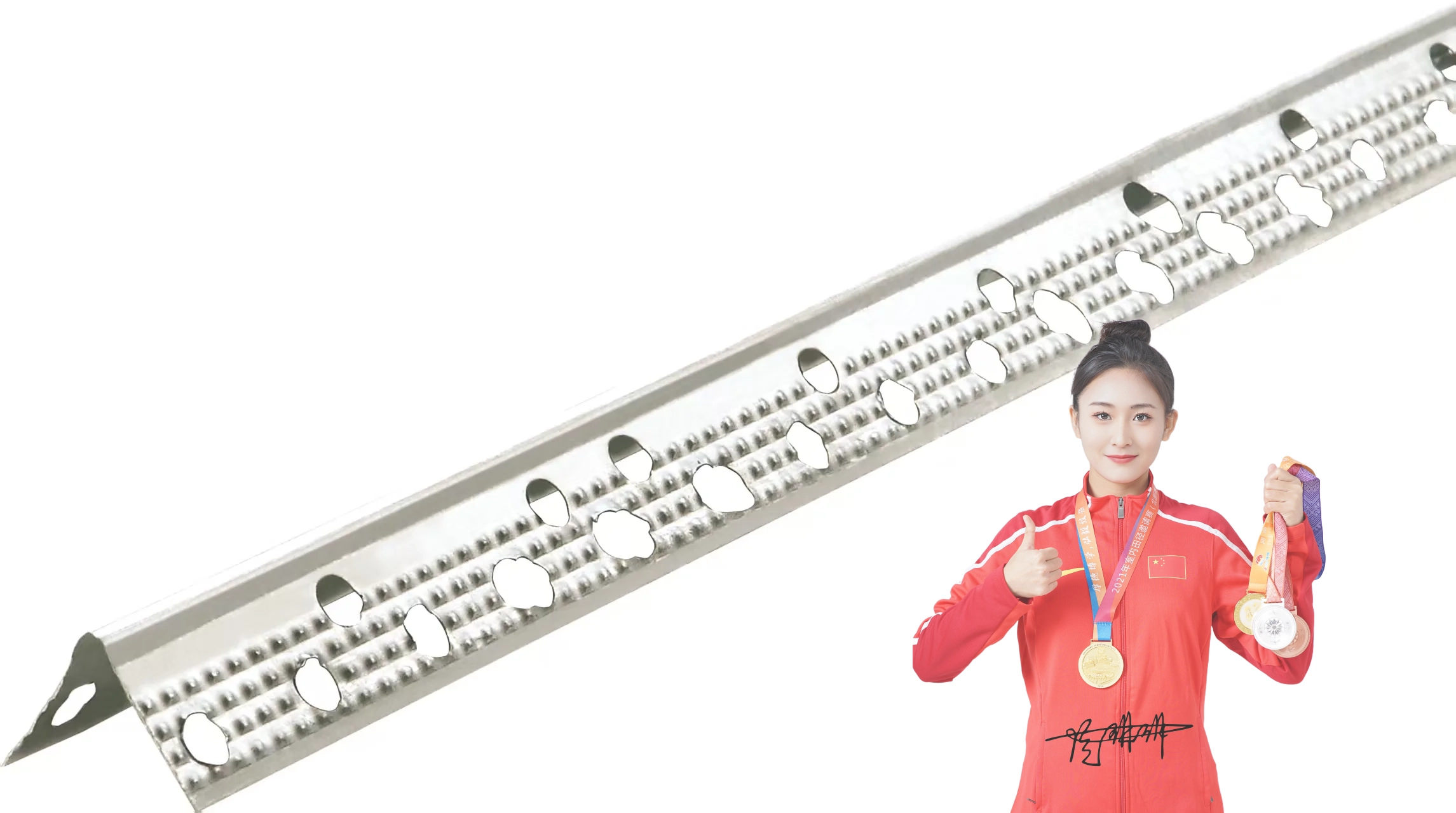
Let’s clarify the foundation. The core product is the corner bead. It is the fundamental protective and finishing element for drywall and plaster. Its primary job is to reinforce vulnerable outside corners, creating crisp, durable 90-degree angles that resist chipping, denting, and cracking. A standard corner bead is an L-shaped profile, most commonly made from galvanized steel, that you nail or screw over the drywall corner. Its perforated flanges allow joint compound to key in, creating a strong bond. The corner bead acts as a permanent guide for your taping knife, ensuring straight lines and a smooth transition from the corner to the wall. It’s a small, inexpensive component that has an outsized impact on the longevity and professional appearance of any wall system. Whether you choose metal, vinyl (grey corner beading), or a composite, understanding the fundamental role of the corner bead is the first step to any successful finishing job.
In some regions or trades, you might hear the term big stick corner bead. This isn’t a standardized product name but often colloquially refers to a corner bead that is particularly robust or long-length. More technically, it can refer to a corner bead with a “big” or wide flange. Standard bead flanges might be 1 inch wide; a “big stick” might have flanges that are 1.5 or 2 inches wide. Why does this matter? A wider flange provides a larger bonding surface for plaster or stucco, which can be crucial for exterior work or heavy plaster coats. It adds extra stability and strength. Sometimes, big stick corner bead just refers to buying corner beads in extra-long lengths (like 10-foot or 12-foot “sticks”) instead of the common 8-foot or 2.4-meter lengths, which can mean fewer seams on long walls. If you’re working on a commercial project, a stucco exterior, or any application demanding maximum durability, asking your supplier for a heavy-gauge or wide-flange option—a big stick corner bead—ensures you’re getting the toughest product for the job.
Arches add beautiful architectural detail to doorways and openings. Finishing the inside curve of an arch requires a specific product: the internal arch bead. Unlike an outside corner bead, an internal arch bead is designed to fit insidea concave curve. It’s a flexible bead, almost always made from PVC (like grey corner beading), that can be bent to follow the radius of the arch. Its purpose is to create a perfect, consistent rounded edge on the interior face of the archway, protecting it from damage and providing a guide for applying plaster or joint compound around the curve. Installing an internal arch bead requires careful bending and securing, often with adhesive and staples, followed by skillful mudding to maintain the smooth curve. Using a standard corner bead here is impossible; the flexible internal arch bead is the only professional solution for achieving a crisp, durable finish on arched openings.
For contractors who demand reliability, Meifei Building Materials is your specialist manufacturer. We produce a comprehensive range of high-performance corner bead products to meet every application. Whether you need the standard strength of galvanized steel corner bead, the moisture-resistant flexibility of grey corner beading, specialized profiles like a quarter bead for shelf edges, or flexible internal arch bead for curved openings, we engineer our products for superior performance. Our beads are crafted to provide perfect angles and exceptional impact resistance, with precision perforations for optimal compound adhesion. We understand the needs of modern construction, from interior drywall to exterior stucco, and our products are tested for durability, dimensional accuracy, and long-term reliability. With exports to over 20 countries, we have proven our ability to meet diverse international standards, making us a trusted global partner for professional-grade edge protection.
Don’t let corner details slow you down or compromise your finish. The correct bead is available. Whether your project calls for standard corner bead, flexible grey corner beading, a subtle quarter bead, a heavy-duty big stick corner bead, or a curved internal arch bead, Meifei has the solution. Visit the Meifei Building Materials website to explore our full product catalog. Download technical specifications and installation guides. Contact our sales team for a competitive quote, to request samples, or to get expert advice on selecting the perfect bead for your specific job—from basic drywall to complex architectural details. Build with confidence. Finish with the precision that comes from using the right materials. Choose the manufacturer professionals trust worldwide. Click to connect with Meifei and place your order for corner beads that deliver.
A quarter bead is used to finish and protect a single exposed edge, not a corner where two walls meet. Common uses include: the edge of a drywall soffit or bulkhead, the front edge of a built-in shelf, the end of a partial wall (pony wall), or anywhere you want a rounded, finished bullnose edge on a drywall panel.
For impact resistance, a heavy-gauge metal bead is generally stronger. However, grey corner beading (PVC) offers excellent durability for most applications and has advantages metal doesn’t: it won’t rust, it’s flexible for curved walls, and it’s less likely to cause hairline cracks in the mud due to its slight flexibility. For wet areas or curved applications, its strength is more than adequate.
An arch bead typically refers to a bead for the outsidecurve of an arch. An internal arch bead is specifically for the inside, concave curve of the archway. They are both flexible but are shaped to fit the different radii—one convex, one concave. You need the correct type to match the curve you are finishing.
You would spec a big stick corner bead (heavy-gauge/wide-flange) for areas requiring extreme durability. This includes: exterior stucco or EIFS systems, commercial hallways, schools, hospitals, industrial facilities, or any location where corners are highly susceptible to impact from carts, furniture, or general high traffic.
No, you cannot. A standard metal corner bead is rigid and cannot bend. For a curved wall, you must use a flexible bead, which is almost always made from PVC (grey corner beading). There are flexible metal beads with special cut patterns, but PVC is the standard, cost-effective solution for curving around radiused corners or arches.
22 December 2025